
🍜 Big-sky parks, warming bowls and a gentler side of Japan
This Sapporo travel guide brings together the places that make Hokkaido’s capital worth slowing down for: a green corridor through the city, red-brick history, forested shrine grounds and dinners built around miso ramen, soup curry and sizzling lamb. Sapporo works especially well when you leave space between attractions. A café stop or a clear evening on Mount Moiwa can be more memorable than another hurried checklist.
Plan three full days for the city, or four if you want a separate Otaru day trip. Below you’ll find nine sightseeing stops, hotels across three budgets, specific restaurants and cafés, and a practical route that groups nearby places together. This is an independently researched guide, not a claim of personal visits.
Travel information checked against official sources on September 15, 2026. Admission, timetables, menus and seasonal operations can change; use the linked operators before booking. Archival and illustrative photographs are identified individually.
🌏 PART 1 — Sapporo Travel Guide: Getting Oriented
📋 Quick Travel Information
| Destination | Sapporo, Hokkaido, Japan |
|---|---|
| Recommended stay | 3 full days; add a fourth for Otaru rather than squeezing it into a city afternoon |
| Gateway | New Chitose Airport (CTS), connected to Sapporo by JR Airport trains |
| Airport train | Fastest Special Rapid: 33 minutes; Rapid: 37 minutes. Check the departure’s stopping pattern. |
| Best base | JR Sapporo Station for rail connections; Odori for central sightseeing; Susukino for food; Nakajima Park for a quieter setting |
| Getting around | Subway plus walking; tram or bus for selected sights. A rental car is unnecessary for this city itinerary. |
| Time zone | Japan Standard Time, UTC+9 — one hour ahead of the Philippines |
| Currency | Japanese yen (JPY). Keep some cash for smaller businesses and transport top-ups. |
| Food shortlist | Miso ramen, soup curry, jingisukan grilled lamb and Hokkaido sweets |
| 2026 hotel reminder | Accommodation taxes apply to stays from April 1, 2026; check whether your quoted total includes them. |
Jump to sights · Hotels, restaurants & cafés · Itinerary & practical tips
✈️ Arriving from New Chitose Airport
JR’s current timetable distinguishes Special Rapid, Rapid and Semi-Rapid Airport services, so don’t assume every train takes the same time. The fastest airport-to-Sapporo journey is 33 minutes. The reserved-seat U-seat car requires a seat reservation in addition to the base fare; the other ordinary cars offer a simpler unreserved option. Follow station signs for the correct car and keep large luggage out of doorways.
Common interoperable IC cards, including Kitaca, Suica, PASMO and ICOCA, can be used within the applicable rail IC area. Some Airport trains continue to Otaru, but not all do. For travel beyond Otaru toward Yoichi or Niseko, check ticket requirements instead of assuming the same IC arrangement continues. The official journey planner is the right place to confirm fares and last departures.
🔗 Official Website → Google Maps
🗓️ When to visit — choose the experience first
For a first visit focused on walking and food, late spring through autumn offers the easiest version of this route. Summer suits park time and outdoor evenings; autumn adds color to Nakajima Park and the wooded edges of the city. Exact foliage and blossom timing depends on the weather, so treat seasonal photographs as inspiration rather than a promise for your dates.
Winter changes the trip substantially. Snow can be part of the attraction, but it also means slower walking, slippery surfaces and more weather-sensitive excursions. Choose footwear with grip, shorten outdoor blocks and keep an indoor alternative. If a festival is your priority, confirm its current official dates before purchasing flights: a general season description is not an event calendar.
🔗 Official Website → Google Maps
📍 PART 2 — 9 Beautiful Places to Explore in Sapporo
🌳 1. Odori Park & Sapporo TV Tower
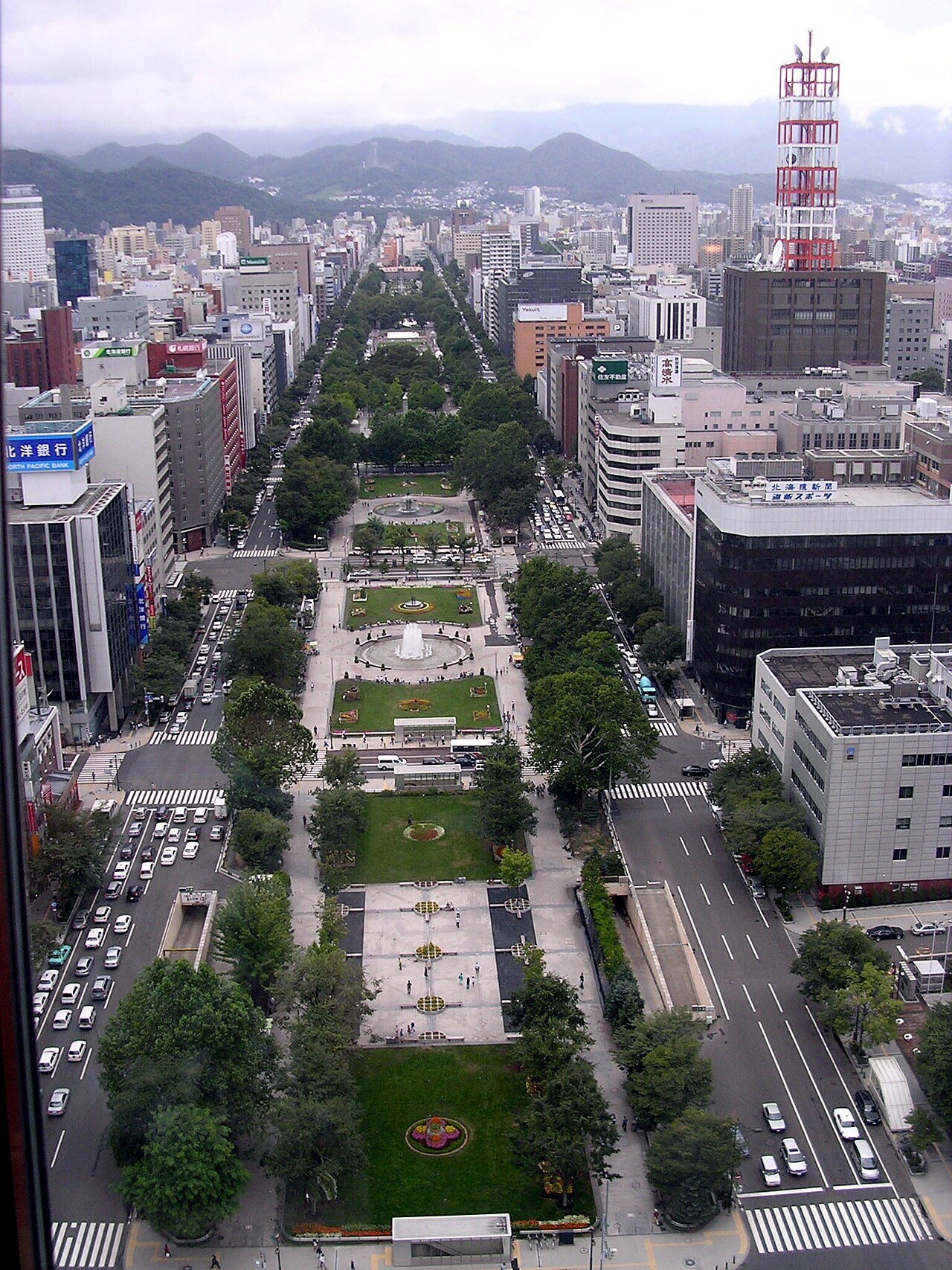
Start with the city’s easiest orientation walk. Odori Park stretches for about 1.5 kilometres across twelve blocks, with the TV Tower anchoring its eastern end. Walking a few sections shows you the relationship between the station district to the north and the shopping and dining streets to the south. You do not need to cover every block for the walk to feel worthwhile.
How to enjoy it: allow around an hour for an unhurried park wander, longer if you add the paid observation deck. Choose the tower when you want to understand the street grid from above; choose Mount Moiwa later for a broader mountain-edge night view. These are different experiences, not two obligatory ticket purchases.
🔗 Official Website → Google Maps
Observation deck details: Sapporo TV Tower official website.
🕰️ 2. Sapporo Clock Tower
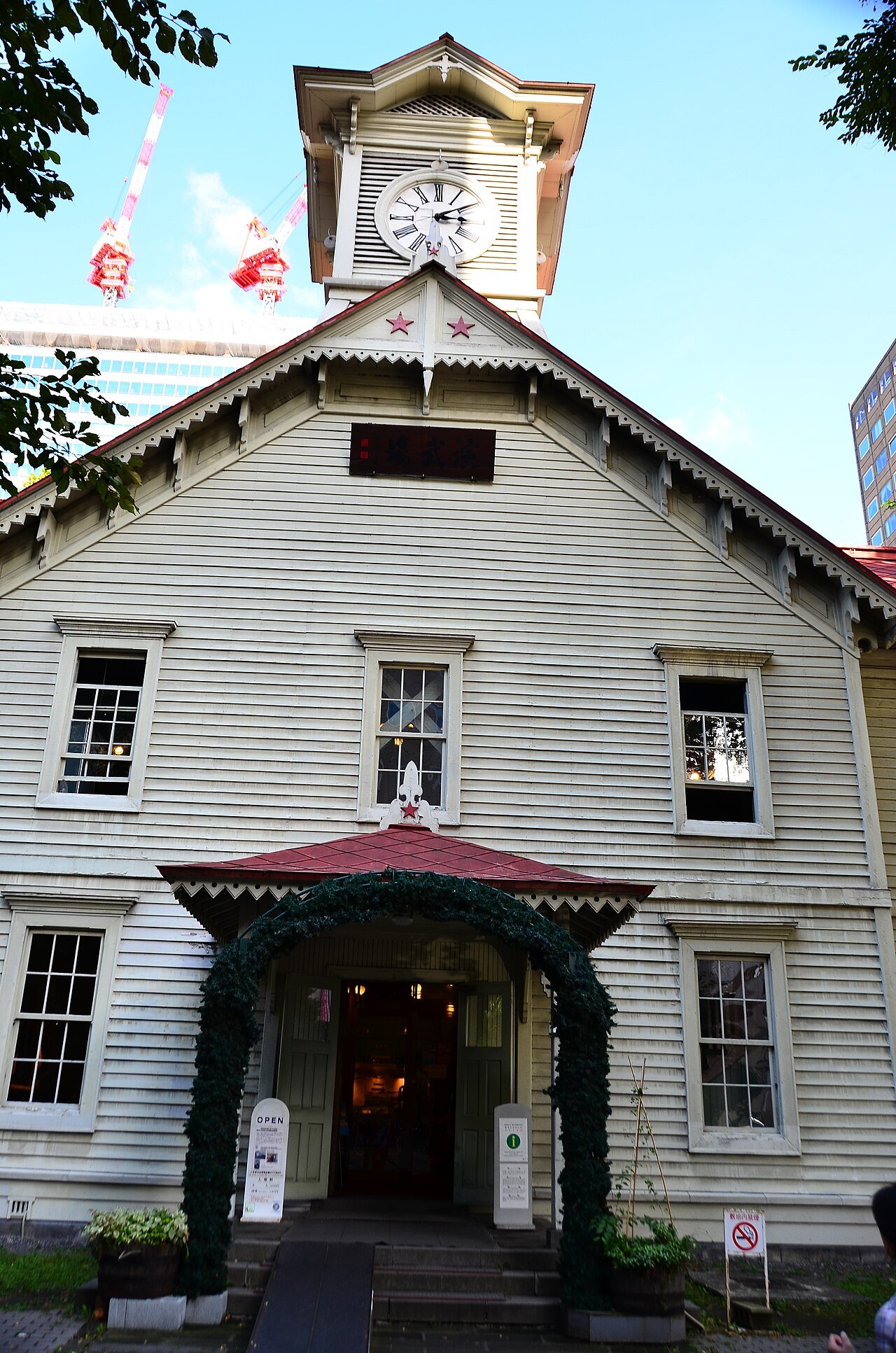
The Clock Tower is a compact historic stop, not a vast palace. Its timber building dates to 1878 and originally served as a drill hall for Sapporo Agricultural College. That contrast—a modest historic structure surrounded by a modern city—is the point. Combine it with Odori instead of making a separate cross-town journey.
Practical detail: the official site currently lists adult admission at ¥350 and opening from 8:45 a.m. to 5:10 p.m., with last entry at 5 p.m. Allow roughly 30–45 minutes if you go inside. Older guides may show a different price.
🔗 Official Website → Google Maps
🧱 3. Former Hokkaido Government Office — the Red Brick Building
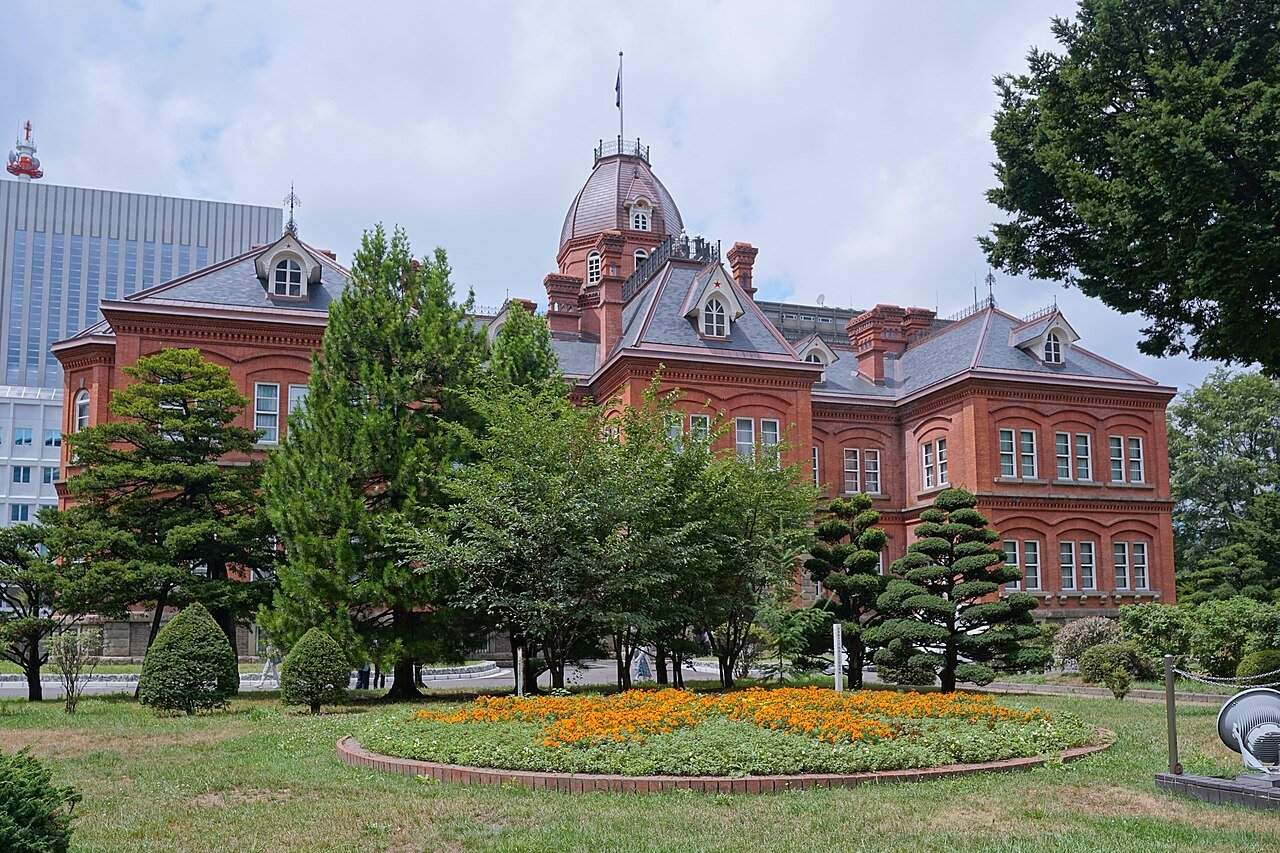
The red-brick facade and garden make an appealing contrast to Sapporo’s glass-and-steel station district. Go beyond a front-door photo if you’re interested in the building and Hokkaido’s history; the present operator offers indoor exhibitions and separate optional experiences. Keep time for the grounds, too, especially if you’re arriving on foot from the station.
Current 2026 details: standard adult admission is ¥300. The operator lists opening from 8:45 a.m. to 9 p.m., with last admission at 8:30 p.m. A newly posted notice confirms closure on November 15, 2026, and from December 29, 2026 to January 3, 2027. Don’t rely on older pages that still describe the renovation closure.
🔗 Official Website → Google Maps
Before a late-year visit, check the official closure notice.
⛩️ 4. Hokkaido Shrine & the Maruyama Area
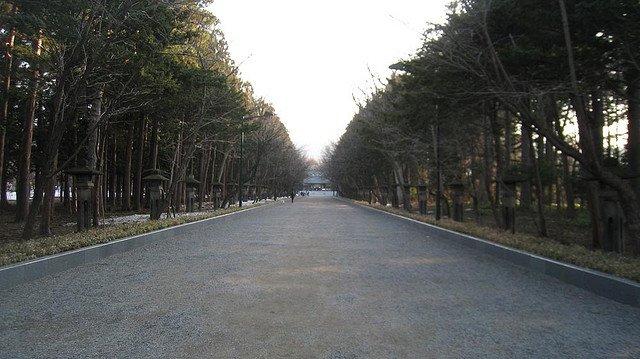
Hokkaido Shrine offers a change of pace among the trees of the Maruyama area. It pairs naturally with a slower morning rather than a dash between downtown attractions. Enjoy the approach, observe worshippers respectfully and follow posted photography restrictions near sacred areas.
Best for: travellers who want a wooded walk and a cultural stop in the same outing. Use Maruyama Koen Station as your starting area and allow extra time for the walk through the park. Spring flowers are seasonal; snow and ice can make a winter visit considerably slower.
🔗 Official Website → Google Maps
🍺 5. Sapporo Beer Museum
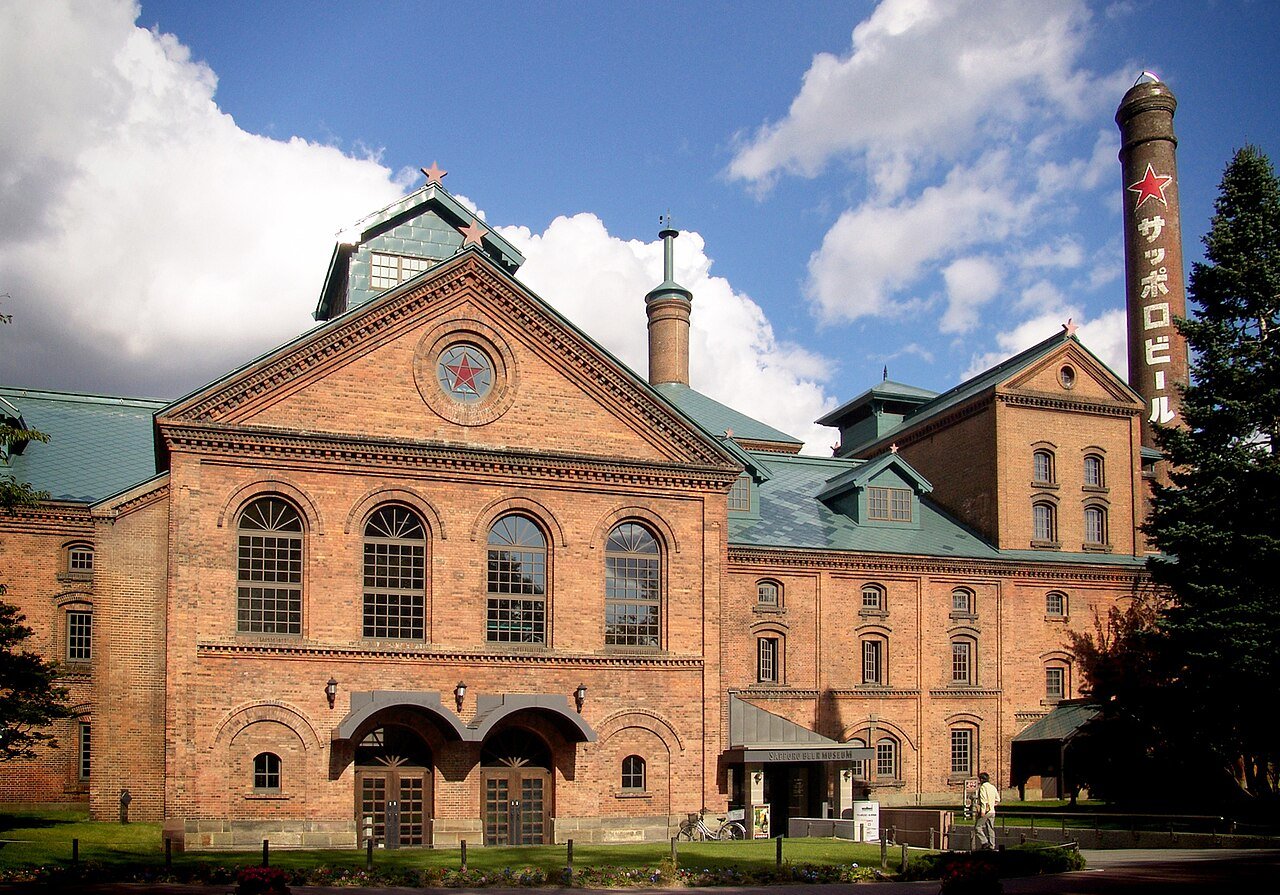
The museum’s brick architecture and brewing-history displays fit well into an afternoon followed by dinner at the neighbouring beer-garden complex. The museum is a heritage visit, not a promise of seeing a working production line. Read the differences between self-guided entry and a guided tour before choosing tickets.
Important update: the official English page now lists self-guided admission at ¥1,000 for adults; older “free museum” advice is no longer a reliable basis for planning. Current hours are 11 a.m.–6 p.m., with last entry at 5:30 p.m. Guided tours require advance reservations. Tasting options and restaurant meals should be checked separately, and beer is not required to appreciate the building.
🔗 Official Website → Google Maps
🌃 6. Mount Moiwa
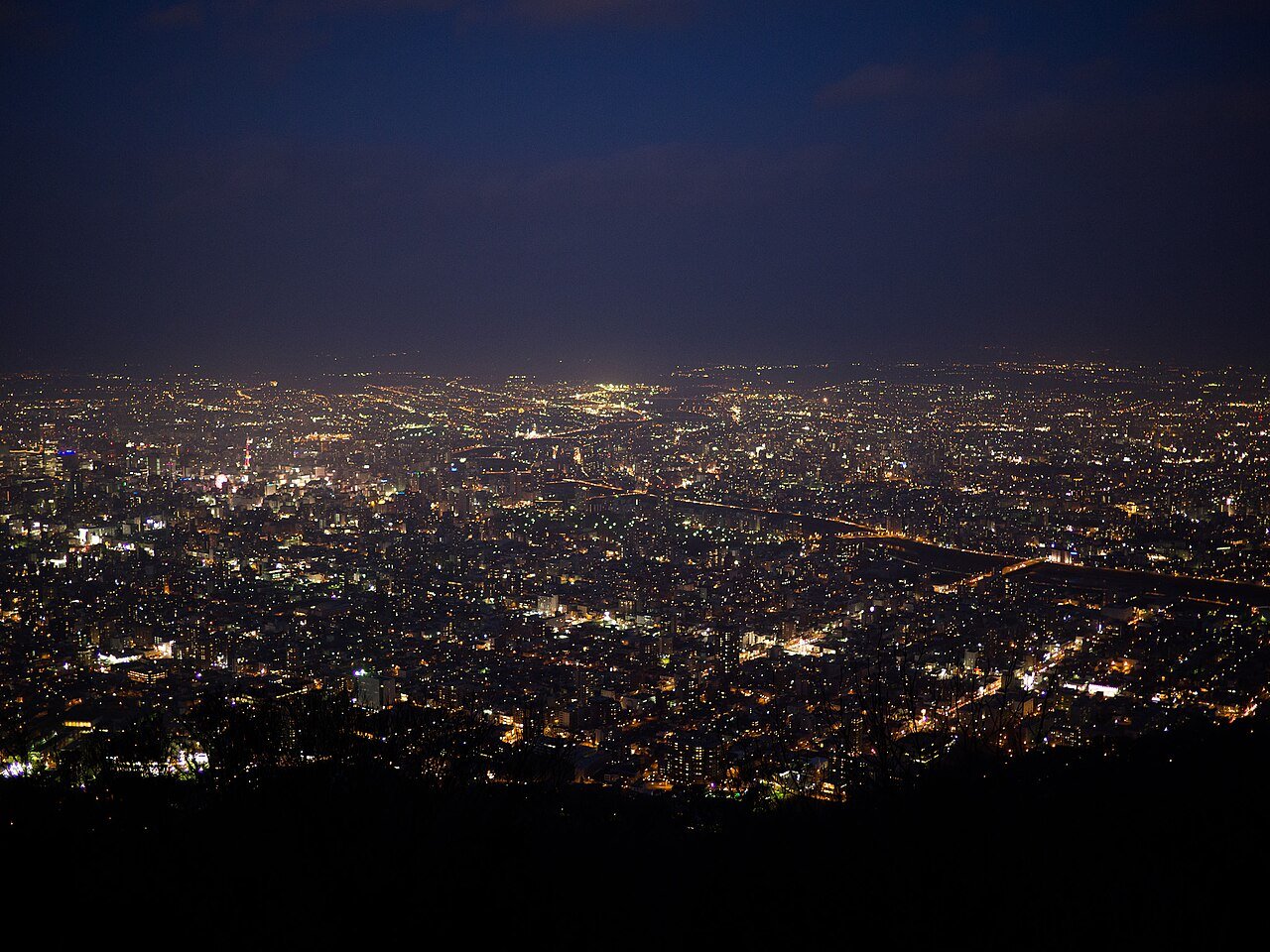
At 531 metres, Mount Moiwa looks over the city from its southwestern edge. The ropeway and connecting mini cable car make the summit accessible without a long hike, while the changing light turns the same view into a very different scene after sunset.
Make the weather your booking cue: a clear evening is more valuable than a rigid itinerary. If low cloud hides the summit, move the outing to another day. Bring an extra layer, leave a buffer for queues and check the operator’s last descent before settling in for photos. Allow a generous evening block, including transport from the centre.
🔗 Official Website → Google Maps
🔺 7. Moerenuma Park
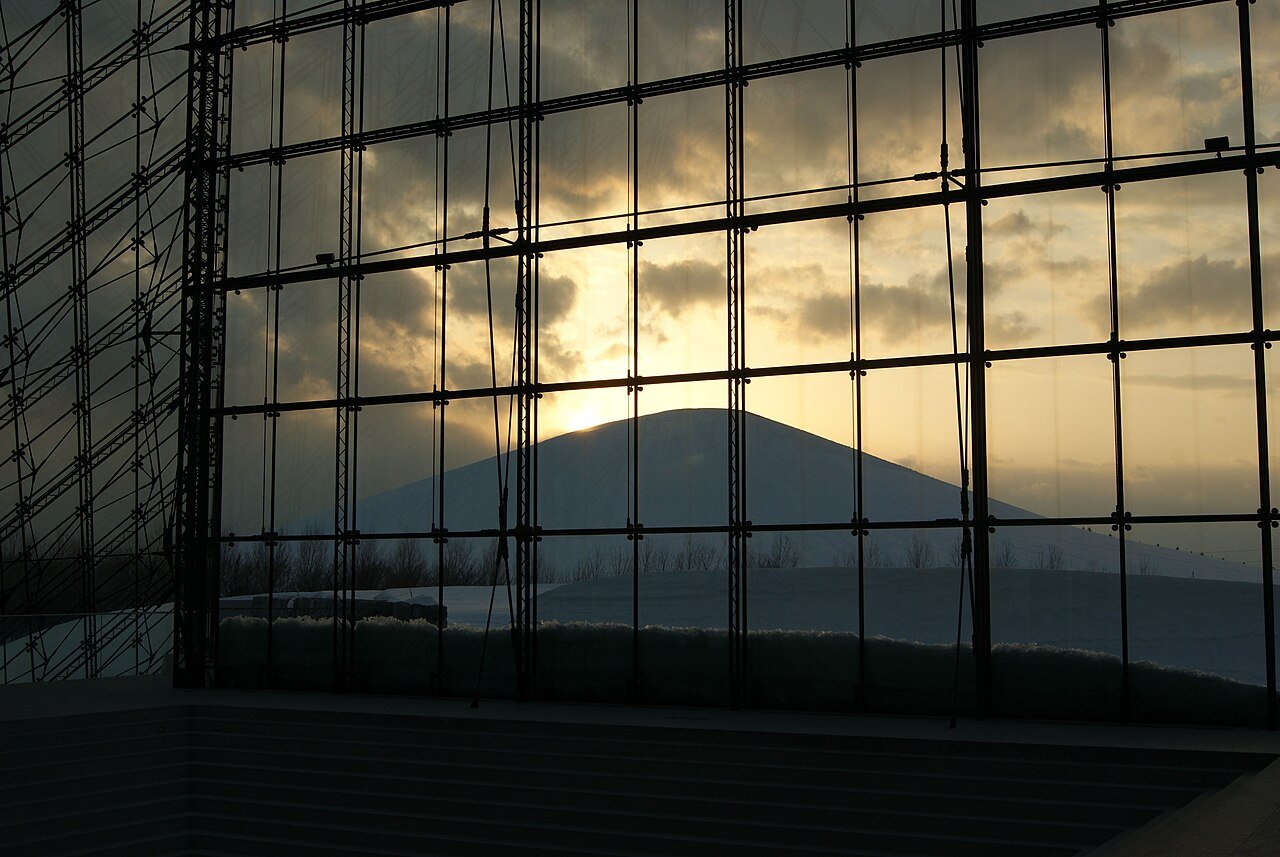
Designed around Isamu Noguchi’s idea of treating the whole park as one sculpture, Moerenuma rewards people who enjoy space, geometry and architecture. The Glass Pyramid, sculpted hills and broad lawns are the main attraction; this is not an indoor museum with a quick loop through galleries.
Plan realistically: give it a half-day with transport. Access involves a subway-and-bus combination rather than a short downtown stroll; check the park’s official bus directions and return options. General park admission is free, but rentals, individual facilities and seasonal water features have their own operating arrangements. Don’t promise children a fountain or wading pool without checking the date.
🔗 Official Website → Google Maps
🍂 8. Nakajima Park
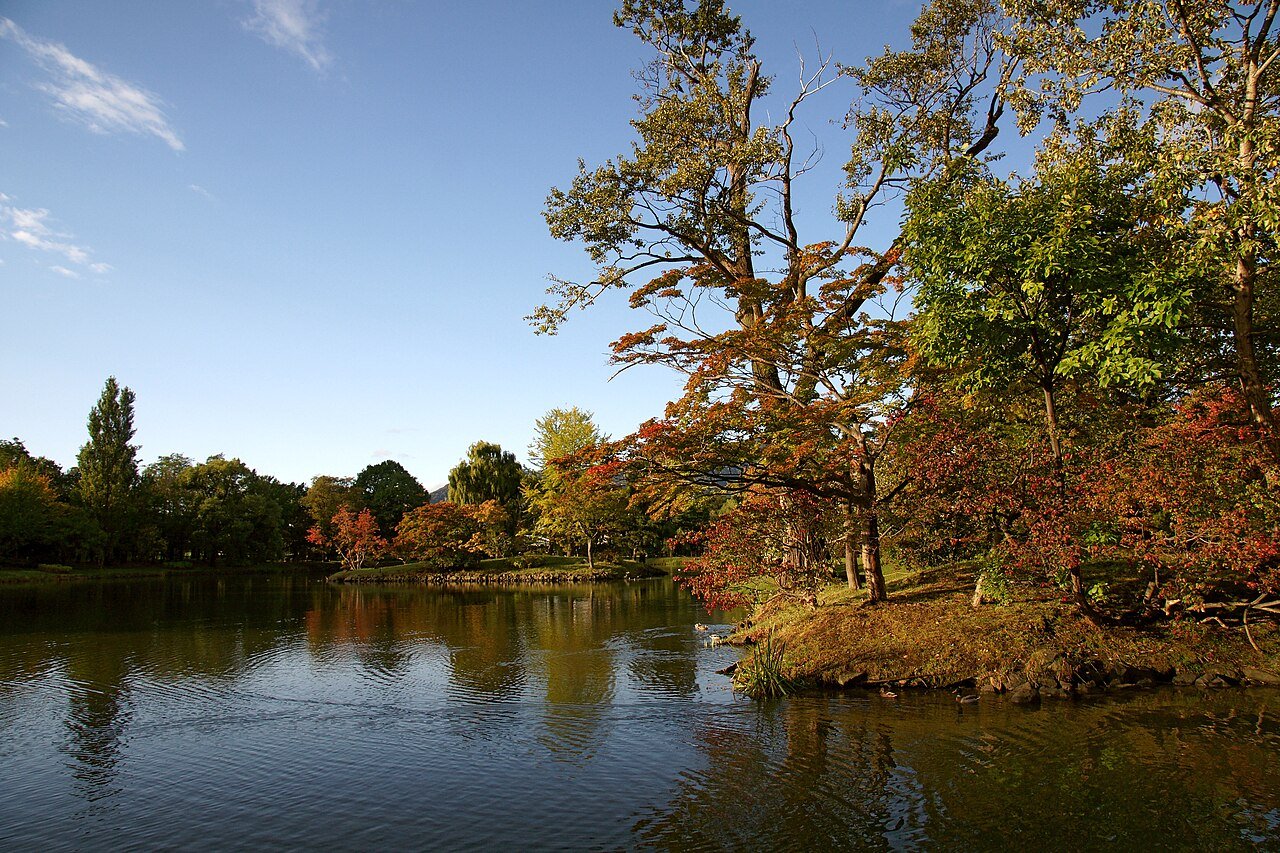
Nakajima Park is the easy restorative stop south of Susukino: a pond, mature trees and room to pause without leaving the city. It is especially convenient if you stay in the surrounding hotel district. A short loop before breakfast and a longer afternoon visit feel quite different, so fit it around your hotel rather than travelling back unnecessarily.
Best for: a low-pressure morning, couples wanting a gentle walk, and travellers who need a break between meals and museums. The autumn image here is archival; leaf colour, pond conditions and access vary by season. In winter, stay on maintained paths.
🔗 Official Website → Google Maps
🍫 9. Shiroi Koibito Park
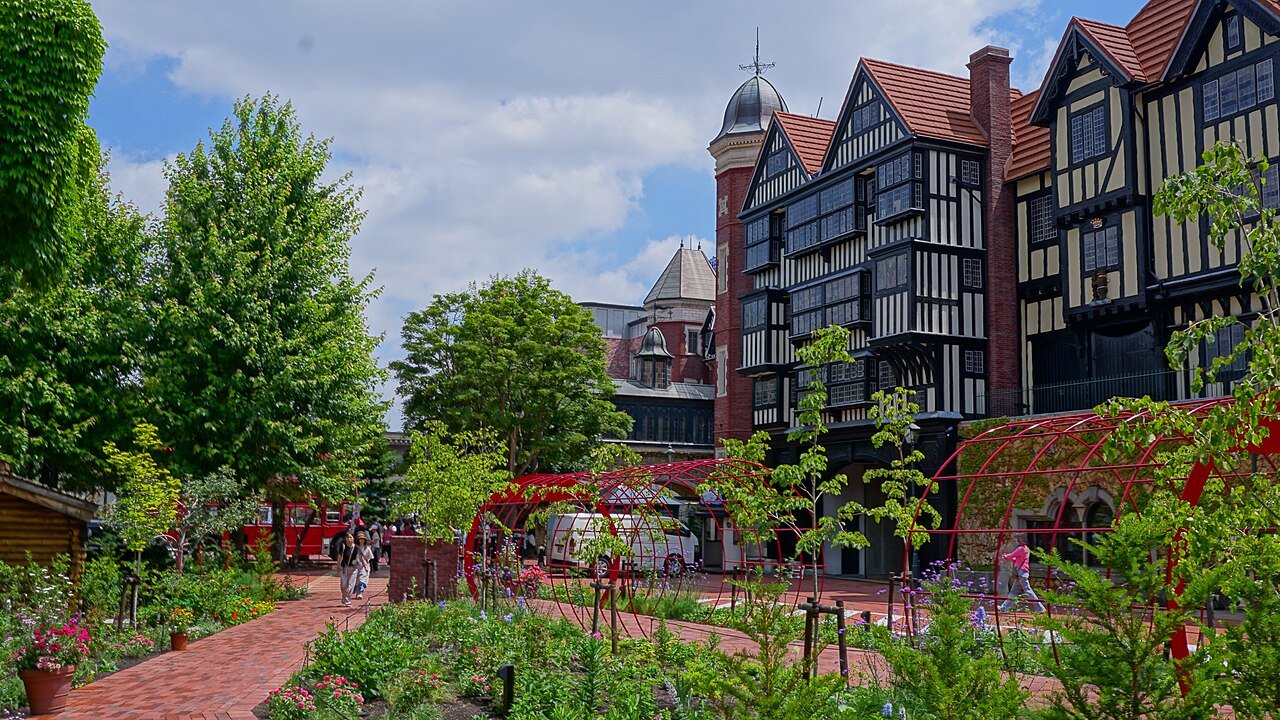
This confectionery-themed stop combines decorative gardens, shops and paid experiences connected with Hokkaido’s well-known Shiroi Koibito cookies. It suits a relaxed sweets-focused outing, particularly when the group wants something different from temples and viewpoints.
Before you go: use the official ticket and workshop pages to distinguish what is included in admission from optional experiences. Reserve a specific workshop if it is central to your plans. Pair the park with a west-side day, not with Moerenuma on the opposite side of the city; trying to do both consumes valuable time in transit.
🔗 Official Website → Google Maps
🛏️ PART 3 — Where to Stay, Eat & Recharge
🏨 Choosing a Sapporo hotel area
JR Sapporo Station makes airport arrivals and onward trains simplest. Odori balances major downtown sights. Susukino prioritises restaurants and nightlife, while Nakajima Park offers a calmer base just south of the busiest streets. The tiers below are editorial positioning, not fixed nightly prices or official star classifications. Compare actual dates, room size, breakfast, cancellation terms and taxes.
💎 Luxury — JR Tower Hotel Nikko Sapporo
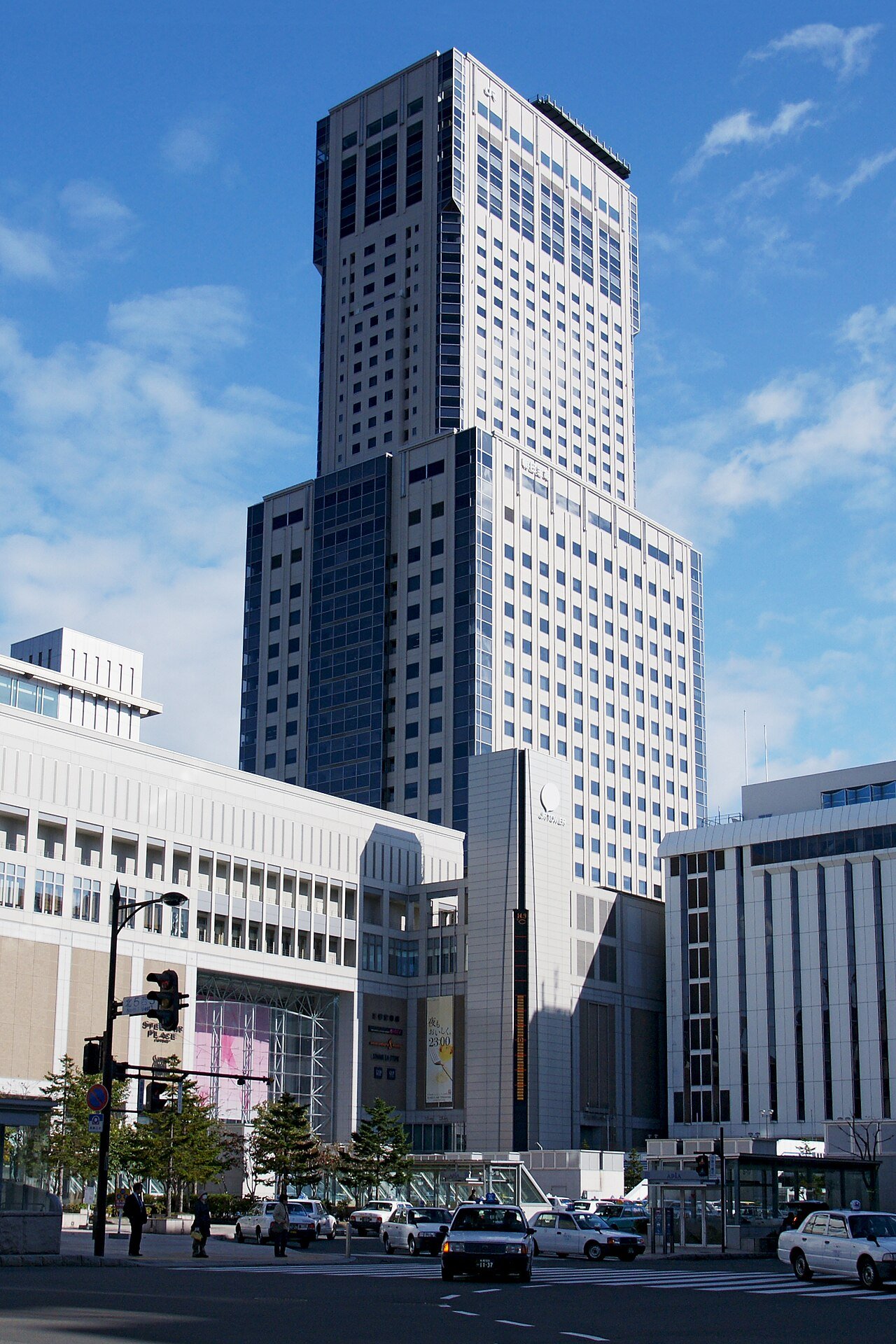
Location: directly connected to JR Sapporo Station, with guest rooms high in the JR Tower building. Why consider it: the combination of station convenience and upper-floor views makes arrival day feel straightforward, especially if you have luggage or a rail connection. Best for: couples, a special-occasion stay and travellers who value a simple airport transfer more than being beside late-night restaurants.
Watch-outs: the hotel’s spa is for guests aged 18 and over. The hotel also warns of possible noise or vibration from station-area redevelopment and changes to vehicle access. Check its current access notice before arranging a taxi or assuming the street layout matches an older hotel photo.
🔗 Official Website → Google Maps
⭐ Mid-range — Sapporo Park Hotel
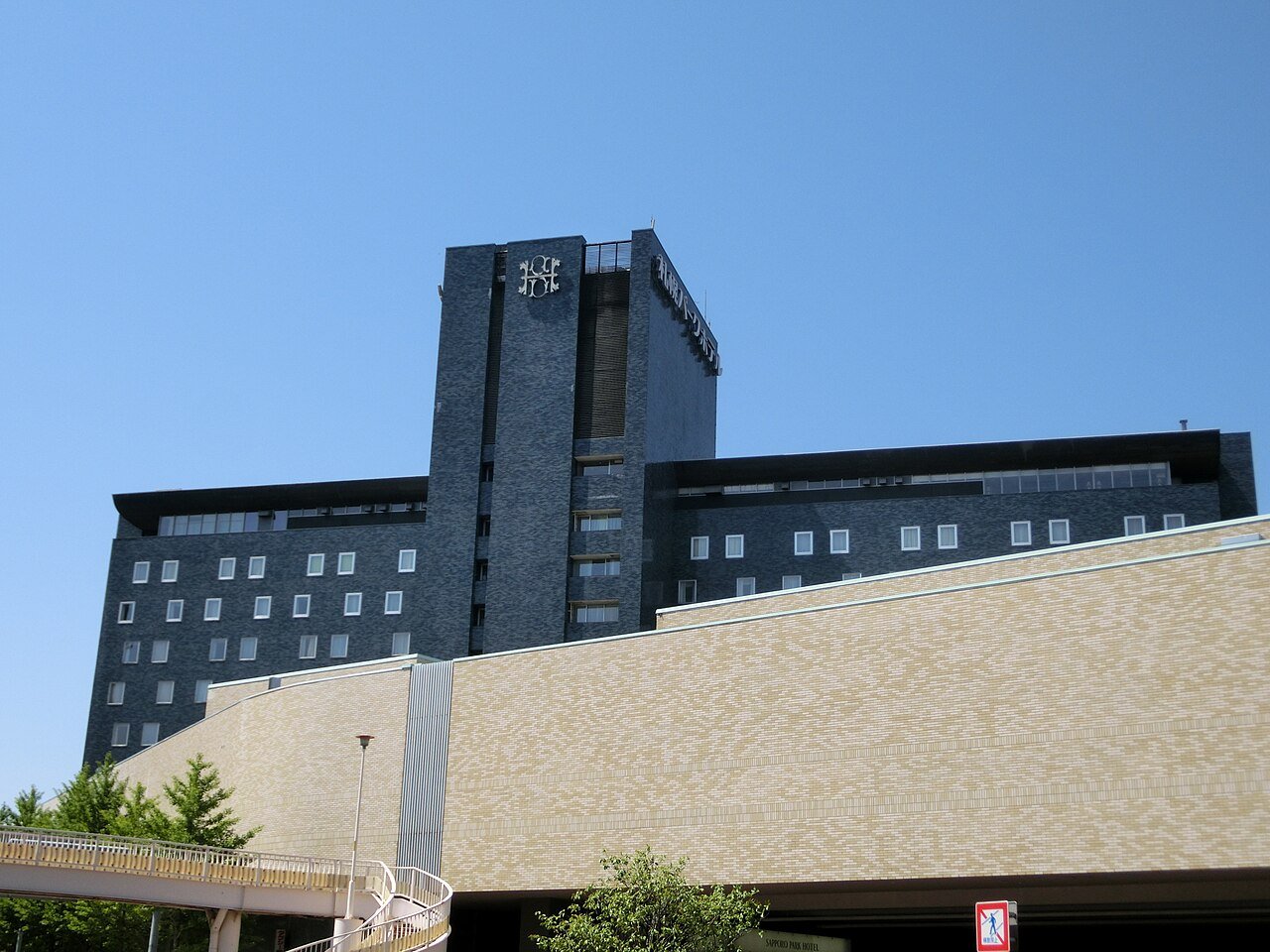
Location: beside Nakajima Park, at Minami 10-jo Nishi 3-1-1. Why consider it: it places a leafy walk beside your accommodation while keeping the central subway corridor accessible. This is an established full-service option to compare when station hotels feel too busy. Best for: travellers who prefer a park-side setting and a slower start to the day.
Check the exact room category and view when booking: “park-side hotel” does not mean every room looks over the park. The hotel’s current notice says accommodation tax is charged separately from the room fee, payable at check-in or check-out.
🔗 Official Website → Google Maps → Facebook
💰 Budget — Toyoko Inn Hokkaido Sapporo Susukino Kosaten
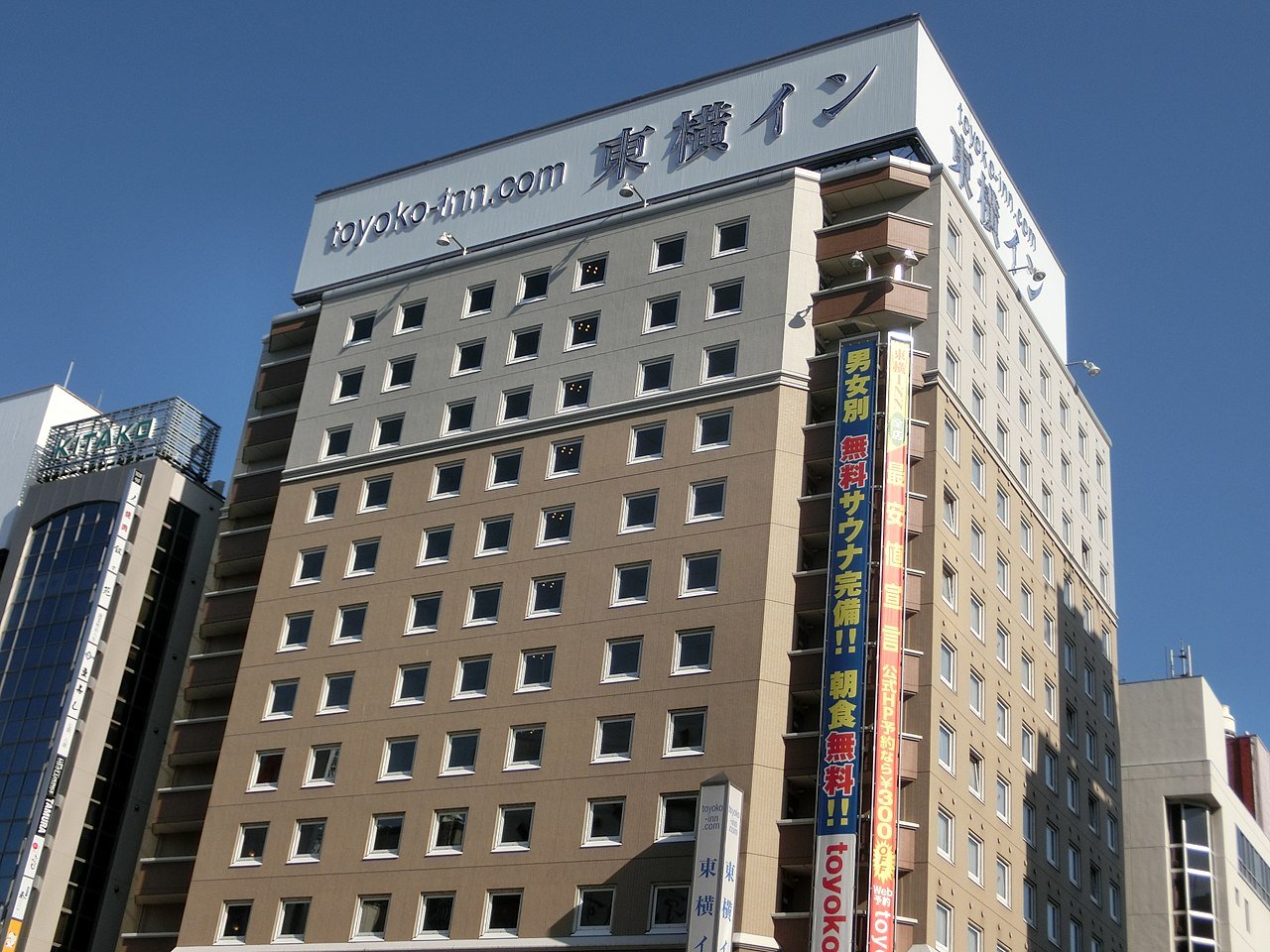
Location: near Susukino’s main intersection; the hotel lists a one-minute walk from Susukino Station. Why consider it: a practical business-hotel base puts evening food stops close at hand. Best for: solo travellers and couples who would rather spend their budget on meals and outings than on a resort-style room.
There are several Toyoko Inn properties in Sapporo, so copy the full “Susukino Kosaten” name when comparing bookings and maps. Review bed width, luggage space and smoking/non-smoking room options rather than judging only the headline rate.
🔗 Official Website → Google Maps
⭐ Mid-range Alternative — Hotel Monterey Edelhof Sapporo
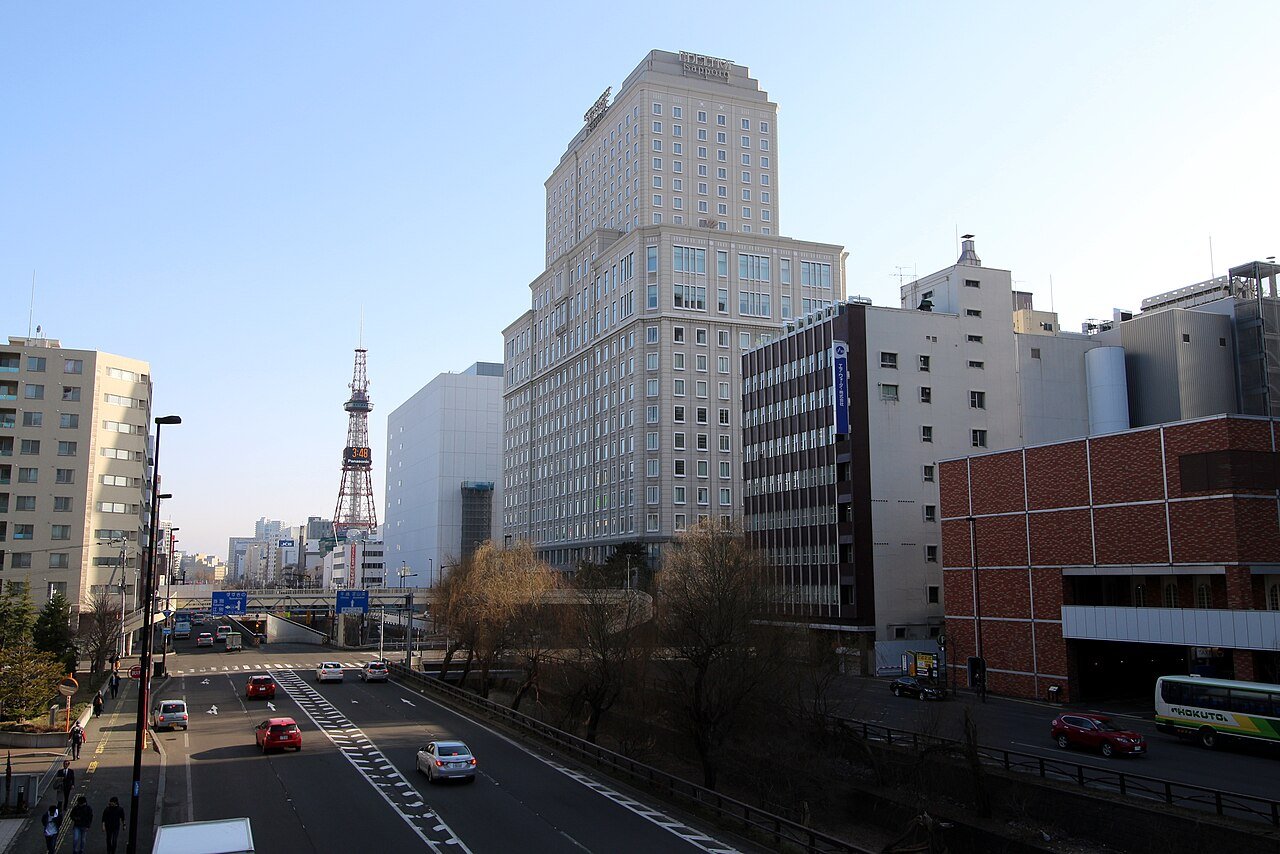
Location: Kita 2-jo Nishi 1-1, between the station district and Odori. Why consider it: Vienna-inspired interiors, non-smoking rooms and a natural hot-spring facility offer a different atmosphere from a basic business hotel. Best for: travellers who want a central base with a distinctive interior style; check the bath’s current conditions and your room plan.
New Year exception: the hotel has announced a full closure for electrical work from December 31, 2026 through January 3, 2027, with operations restarting January 4. Guest building access ends at noon on December 31; do not plan luggage storage across the closure.
🔗 Official Website → Google Maps → Facebook
Details: official temporary-closure notice.
🍜 Restaurants — three meals that make the trip
Sumire Nakanoshima Main Branch — miso ramen
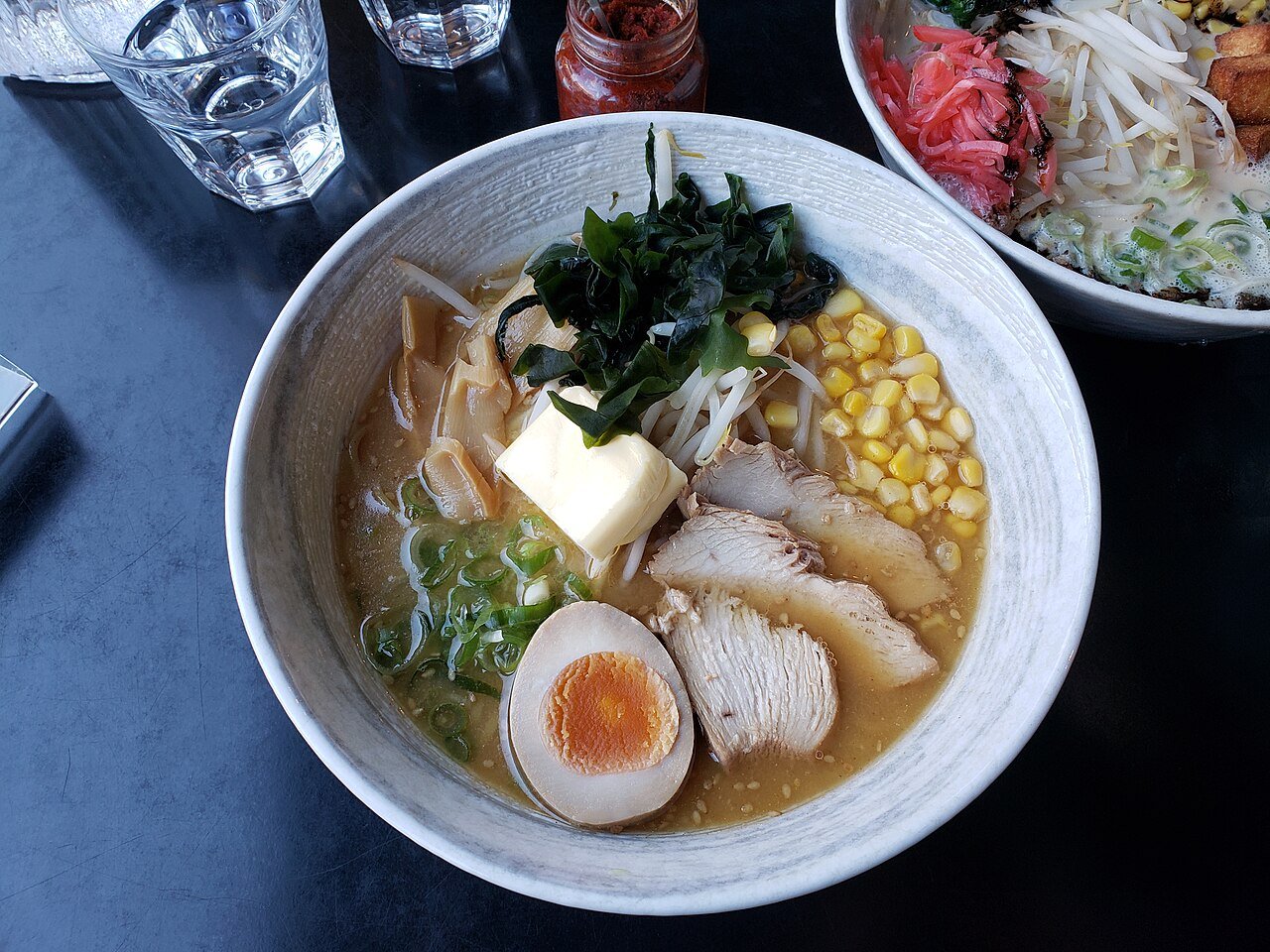
Signature choice: miso ramen, the rich, warming bowl associated with this Sapporo institution. The main branch is in Nakanoshima, south of the downtown core, and the official tourism listing places it within roughly a ten-minute walk of Nakanoshima Station. Make it a deliberate meal stop rather than assuming it is inside the station shopping complex.
Planning tip: keep the rest of that meal simple and leave time for a queue. Confirm current service hours with the restaurant before travelling; online listings can differ by branch and season. The image illustrates miso ramen generally and is not a photograph of Sumire’s food.
🔗 Official Website → Google Maps
Branch location reference: official Sapporo tourism listing.
Soup Curry GARAKU Sapporo Main Store — chicken and vegetable soup curry
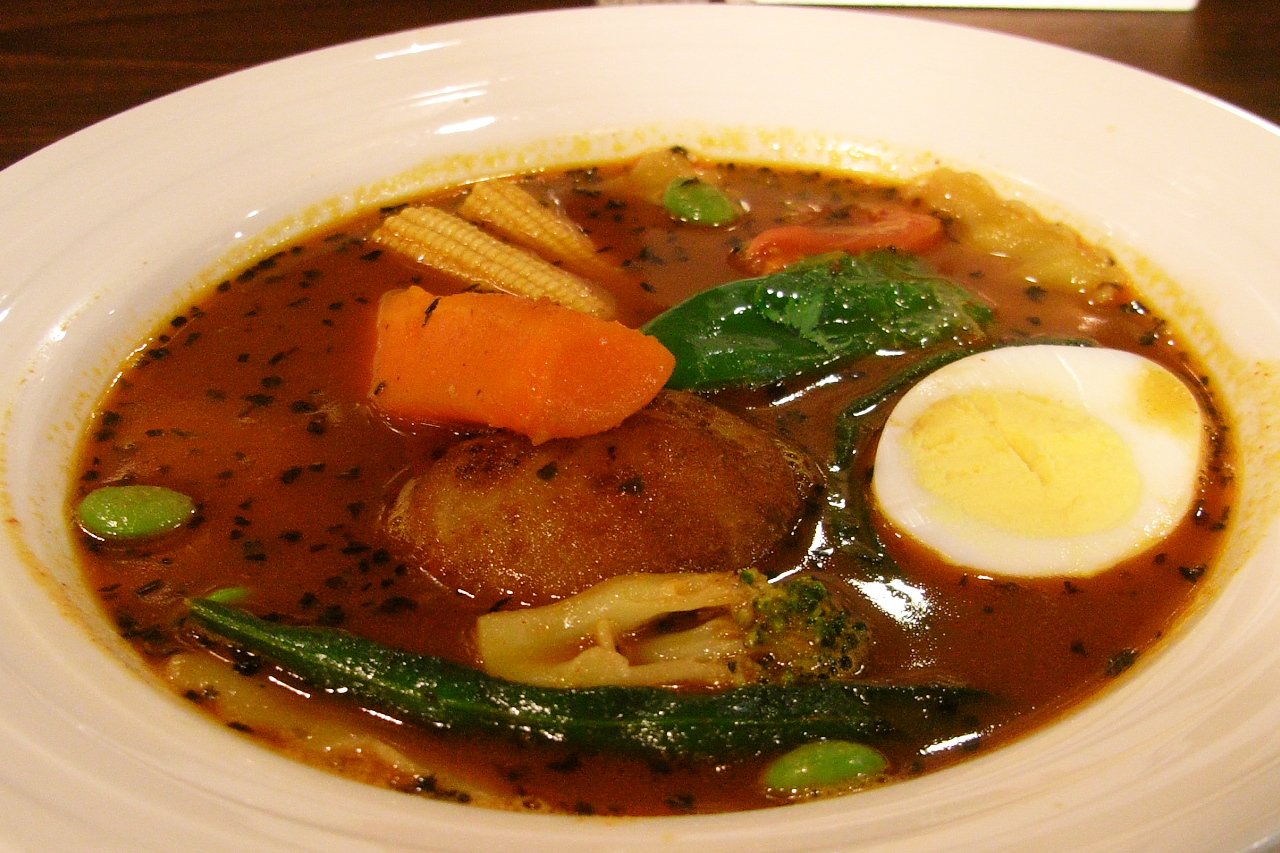
Signature choice: chicken soup curry with vegetables; the menu also offers pork and vegetable options. GARAKU emphasises Japanese dashi and spices, making this a different meal from thick curry rice. Choose your heat level cautiously if you are unfamiliar with the menu.
Location matters: the current main-store address is Minami 3-jo Higashi 2-chome 6-1, Pleasant Minami 3 Higashi 2, B1F. Use that address, not an old saved pin. A vegetable-labelled dish does not automatically guarantee a vegetarian broth; ask about ingredients and allergies directly.
🔗 Official Website → Google Maps
Sapporo Beer Garden — jingisukan grilled lamb
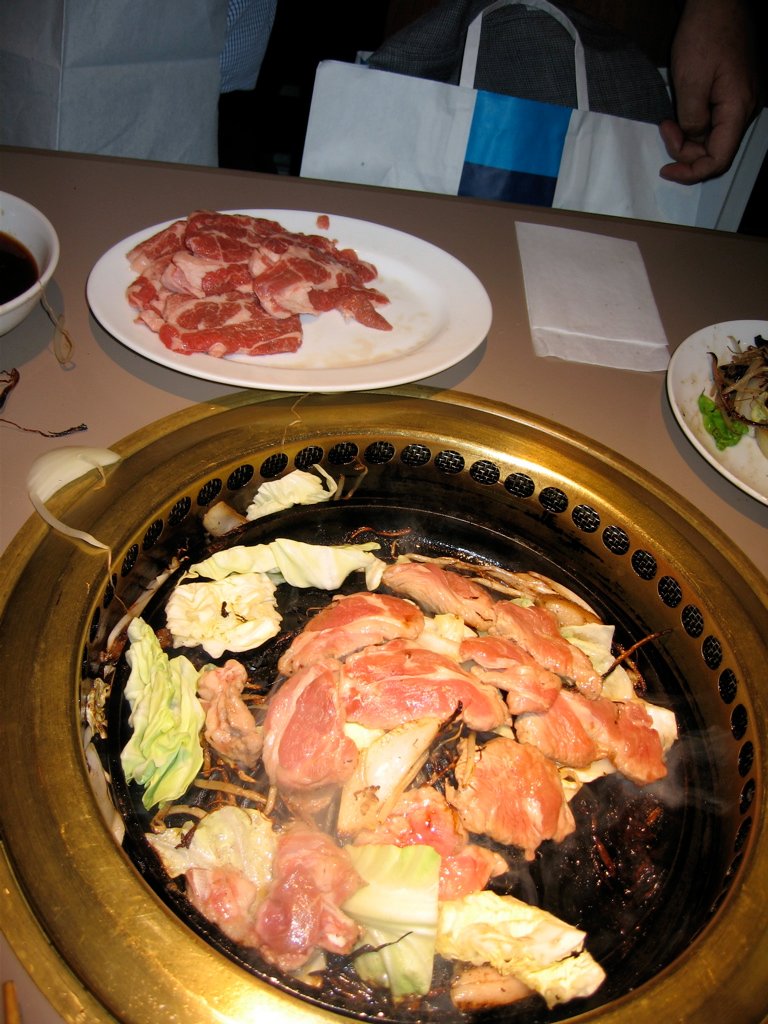
Signature choice: jingisukan, lamb grilled at the table with vegetables. The complex contains several restaurant spaces with different menus, so book the actual restaurant and plan you want rather than treating “Beer Garden” as a single identical dining room.
Best pairing: a museum visit followed by an early dinner. Reserve ahead for a group, confirm what a set menu includes, and keep coats or bags protected from grill aromas. Food and museum admission are separate planning items; an attractive museum ticket does not imply a restaurant reservation.
🔗 Official Website → Google Maps
☕ Cafés & Sweet Stops
Rokkatei Sapporo Main Store — a proper sweets break
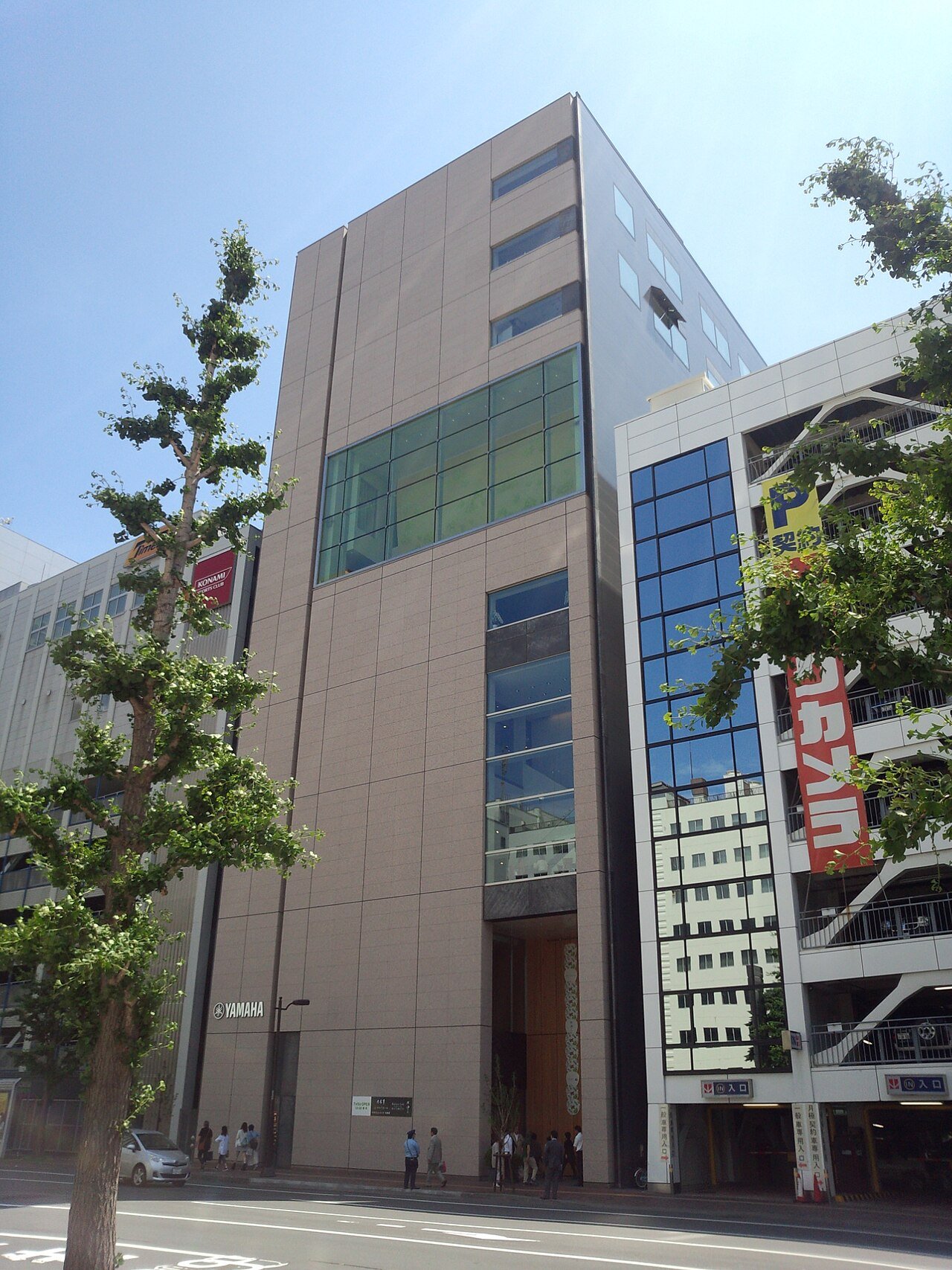
Where: Kita 4-jo Nishi 6-chome 3-3, about five minutes on foot from JR Sapporo Station’s south exit. The building combines a shop with a second-floor café, making it useful on a station-area sightseeing day.
What to try: look for the Marusei Ice Sand sold on the first floor—ice cream with white chocolate and raisins between biscuits. It is meant to be eaten promptly, not packed for a long journey. The café serves seasonal desserts and currently closes on Wednesdays, with specific exceptions listed by the shop; don’t assume the store and café share opening hours.
🔗 Official Website → Google Maps
Miyakoshiya Coffee THE CAFE — a wooded-edge coffee stop
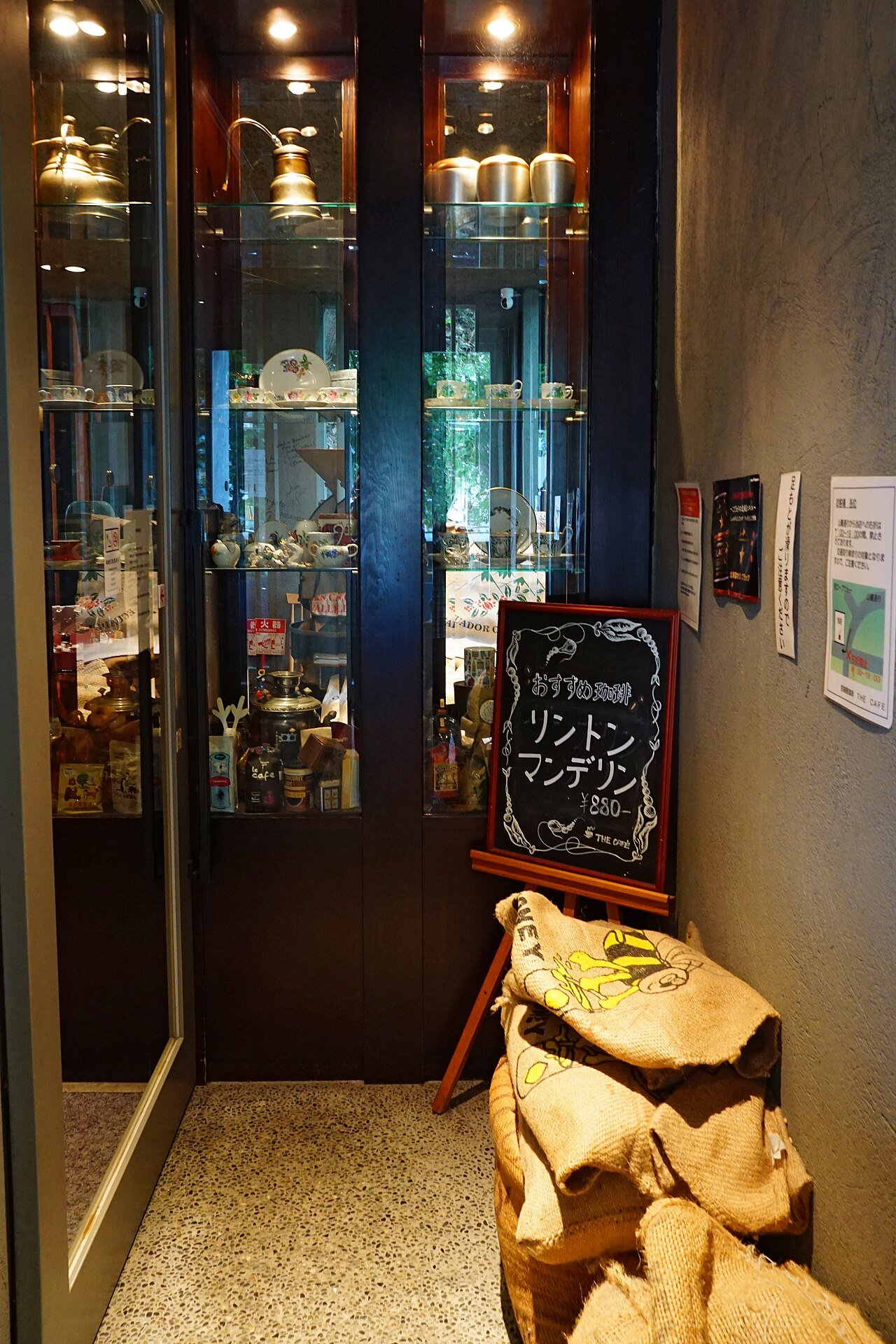
Where: Minami 19-jo Nishi 16-chome 6-8, on the Mount Moiwa side of town. The operator highlights windows facing the forest and coffee roasted on site. This is a more purposeful detour than a quick coffee beside Odori.
Best for: a relaxed coffee break before your Moiwa outing, if the day’s transport works. Choose coffee for its own sake rather than expecting a full restaurant meal. The operator lists separated smoking areas, so travellers sensitive to smoke should check seating arrangements before committing. No reservation is offered.
🔗 Official Website → Google Maps
🗺️ PART 4 — Sapporo Itinerary & Practical Travel Tips
🚇 Getting around without overcomplicating the trip
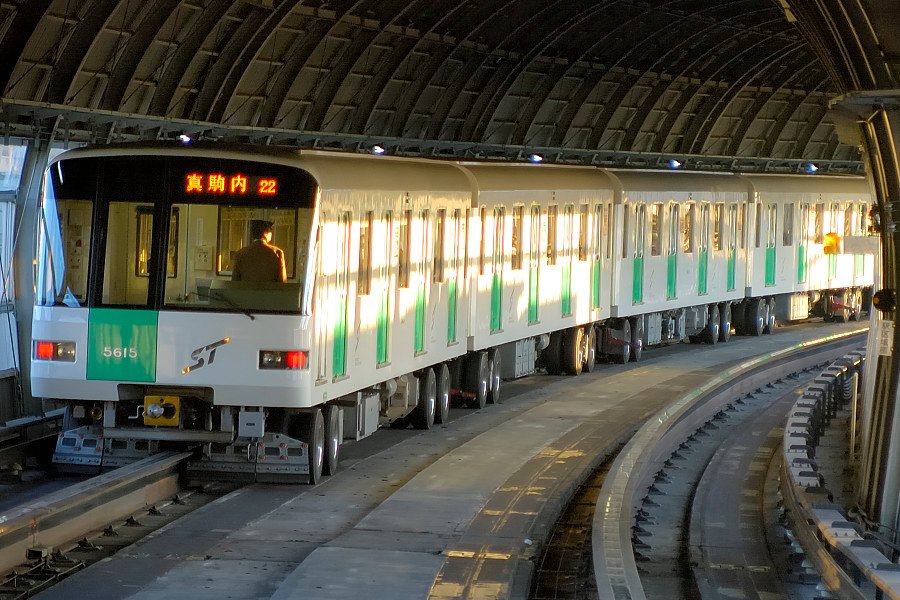
For this Sapporo travel guide, the subway is your main transport backbone, with walking filling the gaps downtown. The tram is useful on the southwestern side, while Moerenuma needs more careful bus planning. Choose routes by the exact entrance you need, not just the nearest-looking station on a map. An underground connection can still involve a substantial walk with suitcases.
Keep a small cash reserve and enough balance on your transport card. Before buying a day pass, compare its coverage with your actual journeys; a subway product does not automatically include JR, buses or every other operator. Check the last return service for an evening excursion and save your hotel’s full Japanese address offline.
🔗 Official Website → Google Maps
📅 A comfortable three-day Sapporo itinerary
| Day | Morning | Afternoon | Evening |
|---|---|---|---|
| Day 1 — City centre | Red Brick Building and a station-area walk | Rokkatei if the café is open, Clock Tower and Odori Park | GARAKU or another central dinner; optional TV Tower view |
| Day 2 — Trees & views | Hokkaido Shrine and Maruyama | Shiroi Koibito Park, or skip it for a slower café afternoon | Mount Moiwa if visibility is good; allow time for dinner separately |
| Day 3 — Choose your pace | Moerenuma half-day, or Nakajima Park and a Sumire lunch | Sapporo Beer Museum | Reserved jingisukan dinner at the Beer Garden |
This itinerary deliberately includes alternatives. Moerenuma and a Nakanoshima ramen lunch are not both compulsory on the same morning. Likewise, adding THE CAFE to Day 2 works best if you skip or shorten the chocolate-park outing. Keep the mountain visit flexible and move it to the clearest evening.
Only two days? keep the compact city-centre day, then combine Maruyama with one major afternoon choice and a clear-weather viewpoint. Save Otaru for a longer trip. Arriving after lunch? treat arrival day as a gentle half-day, not Day 1 of an already full three-day programme.
🚆 Optional Day 4 — Otaru, without rushing back
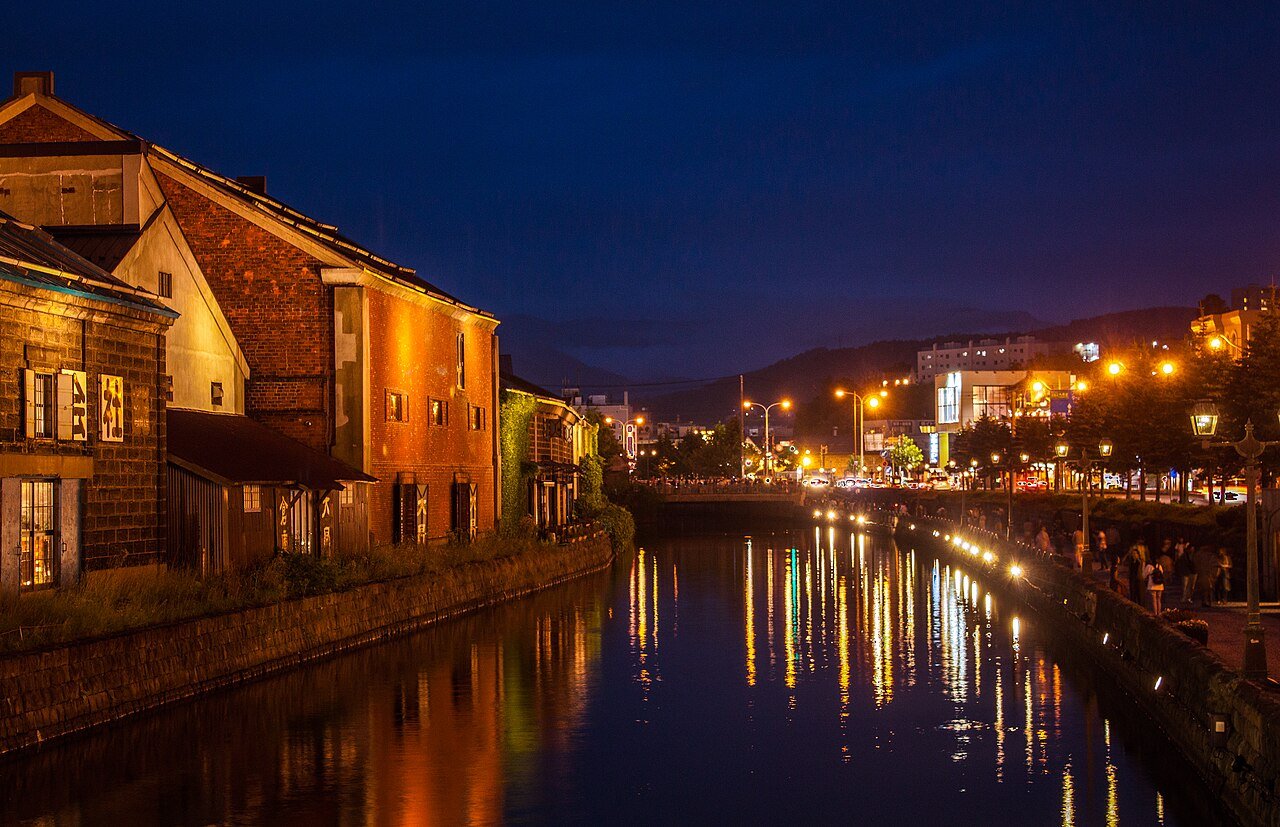
Otaru adds a different texture to the trip: canal-side warehouses and a smaller port-city setting rather than Sapporo’s broad grid. Give it its own day if you want time to wander, stop for food and enjoy the light changing along the water. The photo shows Otaru, not a canal in central Sapporo.
JR links Sapporo and Otaru, and some Airport services continue there. Check the specific train and your return connection. If you stay for dusk, make dinner and the journey back part of the plan instead of discovering the timetable after a long meal. On a short trip, choose either more time in Sapporo or Otaru; both are better than a rushed transfer-heavy day.
🔗 Official Website → Google Maps
💡 Practical advice that makes a difference
- Budget from real quotes: room prices vary substantially by dates and events. Compare the total for the same room occupancy and cancellation policy, then add any separately collected accommodation tax. Meals, attraction tickets and optional reservations belong in separate budget lines.
- Don’t use an old admission list: the museum, Clock Tower and Red Brick Building have current fee pages. This guide records checked prices, but the operator’s latest notice remains authoritative.
- Plan a rain alternative: exchange exposed park time for a museum, shopping or a longer meal. Do not spend a clear evening indoors if Mount Moiwa is a priority.
- Pack for the actual season: layers are useful for evenings and viewpoints; winter requires a different footwear and walking-time plan from a summer city break.
- Handle dietary needs directly: soup curry and ramen can contain meat or fish stock even when vegetables dominate the bowl. Show a translated ingredient list and ask the restaurant rather than relying on a dish name.
- Respect everyday spaces: keep paths, station doors and shrine approaches clear when taking photos. Photograph food and buildings without making strangers the subject.
- Leave a departure buffer: weather, queues and a hotel-to-platform walk can eat into airport time. The fastest train time is not your door-to-terminal journey time.
Accommodation-tax source: Sapporo Park Hotel’s official 2026 notice.
❓ Sapporo travel guide FAQ
Is Sapporo worth visiting outside winter?
Yes, especially if your priorities are food, parks, architecture and walking. This itinerary does not depend on snow. Pick winter because you want a winter trip, not because Sapporo is only interesting then.
Do you need a car for three days?
Not for the city route here. Subway, walking and selected bus or tram trips cover the plan. Reconsider transport separately if you add distant rural Hokkaido stops; they are a different itinerary.
Which hotel area is easiest for a first visit?
Choose the station for rail convenience, Odori for balance, Susukino for evening food, or Nakajima Park for a quieter setting. A well-located simpler room can be more useful than a larger room that repeatedly adds transfers.
✨ Final thought
Sapporo rewards a little breathing room. Build the trip around one neighbourhood at a time, make meals part of the experience, and save a clear evening for the city lights. You’ll leave with more than a list of photographed landmarks—and a much better reason to return to Hokkaido.
🔗 For More Japan Travel Guides
⦿ Fukuoka Travel Guide 2026 — Hakata food, parks and Kyushu exploring
⦿ Tokyo Travel Guide 2026 — neighbourhoods, hotels and city experiences
⦿ Hiroshima Travel Guide 2026 — history, food and Miyajima
⦿ Nara Travel Guide 2026 — beyond the deer park
⦿ Kanazawa Travel Guide 2026 — gardens and traditional streets
⦿ Kyoto Travel Guide 2026 — temples, neighbourhoods and practical planning
⦿ Osaka Travel Guide 2026 — food and urban adventures
📷 Image credits & editorial notes
The 20 numbered photographs are individually credited with source and reuse licence below each image. Archival hotel exteriors are for building identification, not evidence of current room condition or surrounding construction. Food images labelled illustrative were not commissioned by the recommended restaurants. Dates come from the source records; unknown dates are stated as such.
Featured artwork: background photograph of Sapporo TV Tower by Roméo A. / Unsplash, used under the Unsplash License. Original photograph. Changes: AI-assisted branded layout, reframing, dark graphic gradient, existing TravelNest365 logo and title overlay. The cover is a designed photo composite, not an unedited documentary image.