
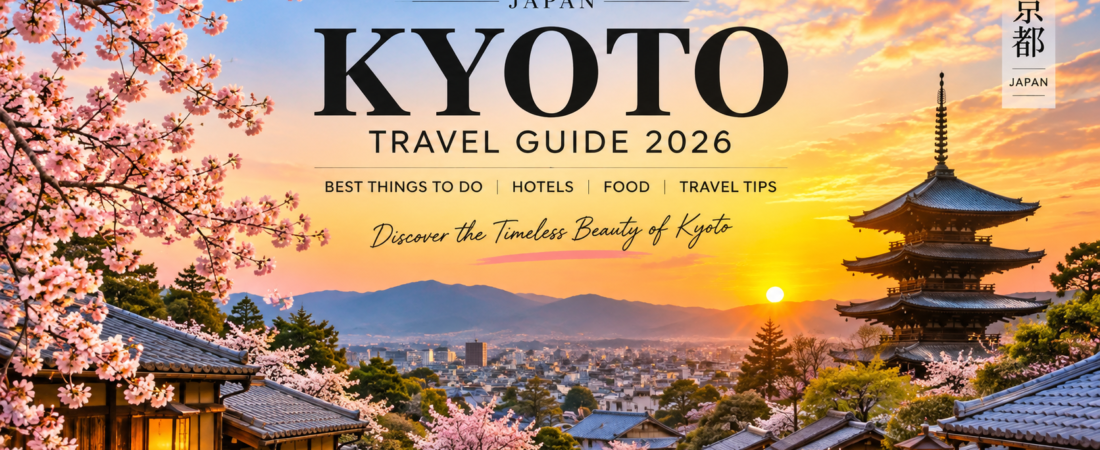
🇯🇵 Kyoto Travel Guide 2026: Best Things to Do, Where to Stay & Travel Tips
Kyoto is one of those rare destinations where Japan’s past still feels very much alive.
Once the imperial capital of Japan, Kyoto is filled with ancient temples, vermilion shrine gates, traditional wooden houses, peaceful gardens, bamboo forests, historic streets, and some of the country’s most distinctive food and culture.
For first-time visitors, Kyoto can feel completely different from nearby Osaka. Osaka is energetic, bright, and famous for nightlife and street food, while Kyoto offers a slower and more traditional side of Japan.
The best part? The two cities are close enough to combine in the same trip.
Whether you are planning a quick two-day visit or spending several days exploring the city, this Kyoto Travel Guide 2026 covers the essential attractions, transportation tips, neighborhoods, hotels, restaurants, cafés, and practical advice you need for your trip.
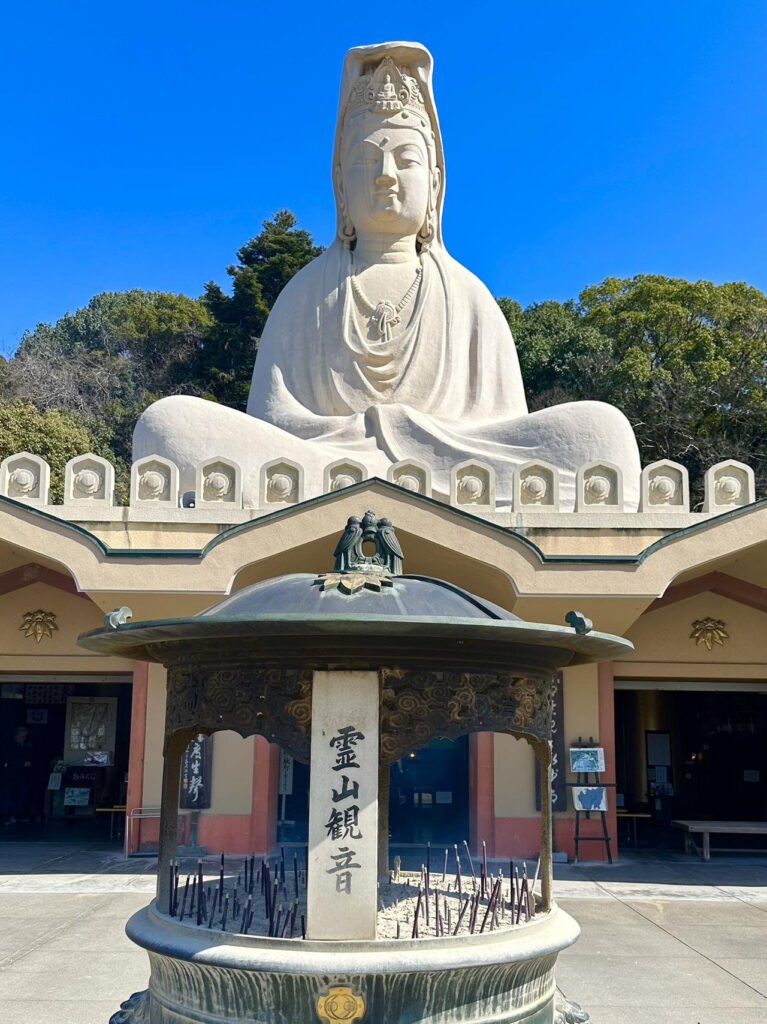
Suggested photo: Traditional Kyoto street with Yasaka Pagoda, preferably early morning with few or no identifiable people.
✈️ Quick Travel Information
| Travel Information | Details |
|---|---|
| 📍 Destination | Kyoto, Japan |
| 🗓️ Recommended Stay | 3–4 days |
| 🌸 Best Time to Visit | March–May and October–November |
| ☀️ Warmest Period | July–September |
| ❄️ Coldest Period | January–February |
| 🚆 From Osaka | Around 30 minutes by JR Special Rapid Service |
| ✈️ From Kansai Airport | Around 80 minutes by JR Haruka |
| 💴 Currency | Japanese Yen (JPY) |
| 🗣️ Language | Japanese |
| 💳 Payments | Cards and IC cards are widely accepted, but carrying some cash is recommended |
| 🚇 Getting Around | Train, subway, bus, and walking |
| 📱 Useful IC Cards | ICOCA / Suica / PASMO |
| ⏰ Time Zone | Japan Standard Time (UTC+9) |
Kyoto is surrounded by mountains on three sides, which gives the city noticeably different seasons. Summers can become extremely hot and humid, while winters are colder than many first-time visitors expect. Spring and autumn generally provide the most comfortable conditions for sightseeing.
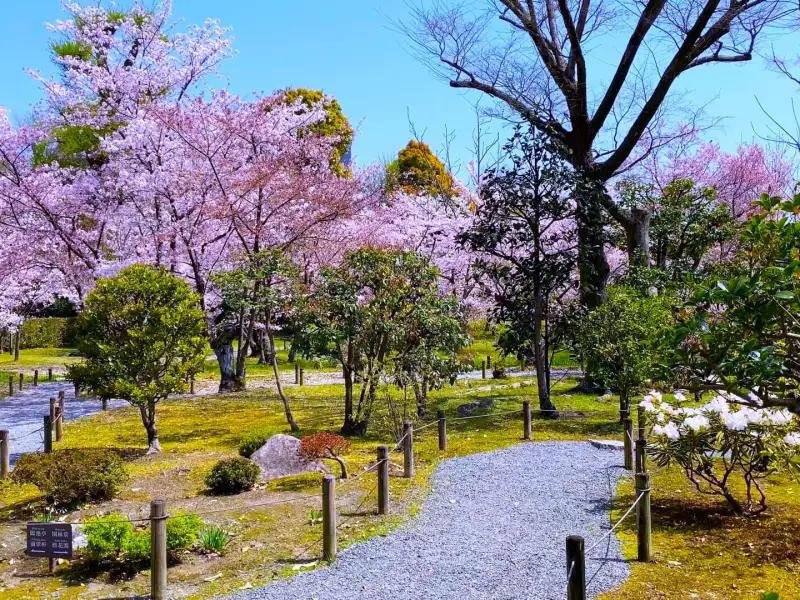
Suggested photo: Cherry blossoms beside a Kyoto temple OR autumn foliage surrounding a traditional temple.
⛩️ 1. Fushimi Inari Taisha
Few places represent Kyoto as instantly as Fushimi Inari Taisha.
The shrine is famous for the thousands of bright vermilion torii gates that climb the wooded slopes of Mount Inari, creating one of Japan’s most recognizable walking routes.
Fushimi Inari is dedicated to Inari, the Shinto deity traditionally associated with rice, agriculture, and prosperity. Fox statues can be seen throughout the shrine grounds because foxes are regarded as messengers of Inari.
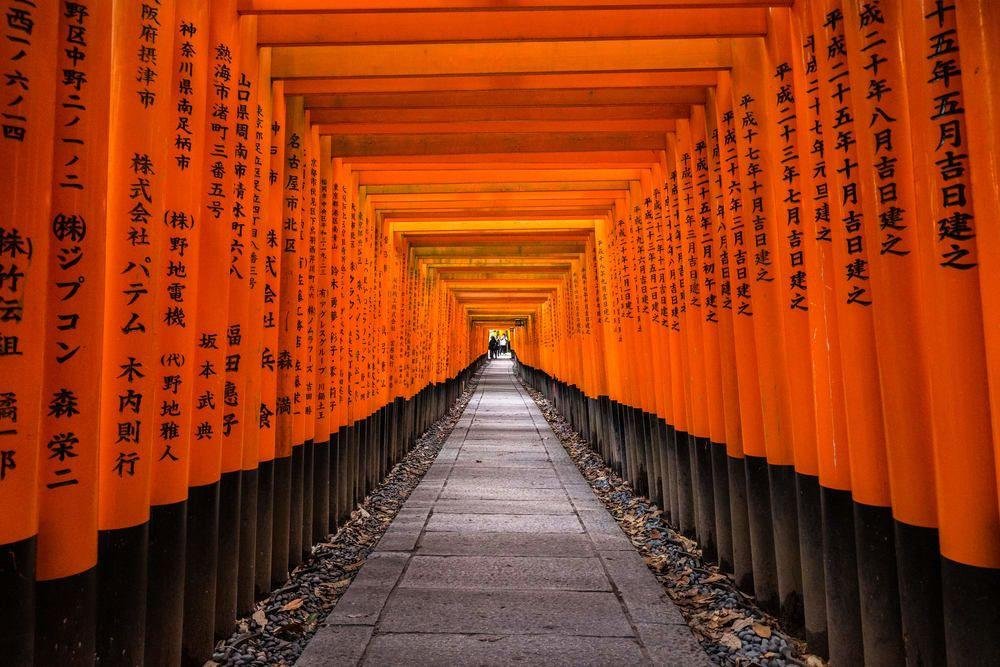
Suggested photo: Long tunnel of red torii gates without identifiable people.
The main shrine complex is located close to the station, but the real experience begins once you start walking through the torii-covered mountain paths.
Visitors who only want the famous photographs can explore the lower section, while those wanting the complete experience can continue farther up Mount Inari.
💡 TravelNest365 Tip
Visit as early as possible.
Fushimi Inari is one of Kyoto’s busiest attractions. Arriving early in the morning gives you a much better chance of enjoying the torii gates before the largest crowds arrive.
If the lower gates are crowded, keep walking uphill. Visitor numbers usually decrease as you move farther away from the main entrance.
The shrine sits in Kyoto’s historic Fushimi district, an area that is also known for canals and more than 20 sake breweries.
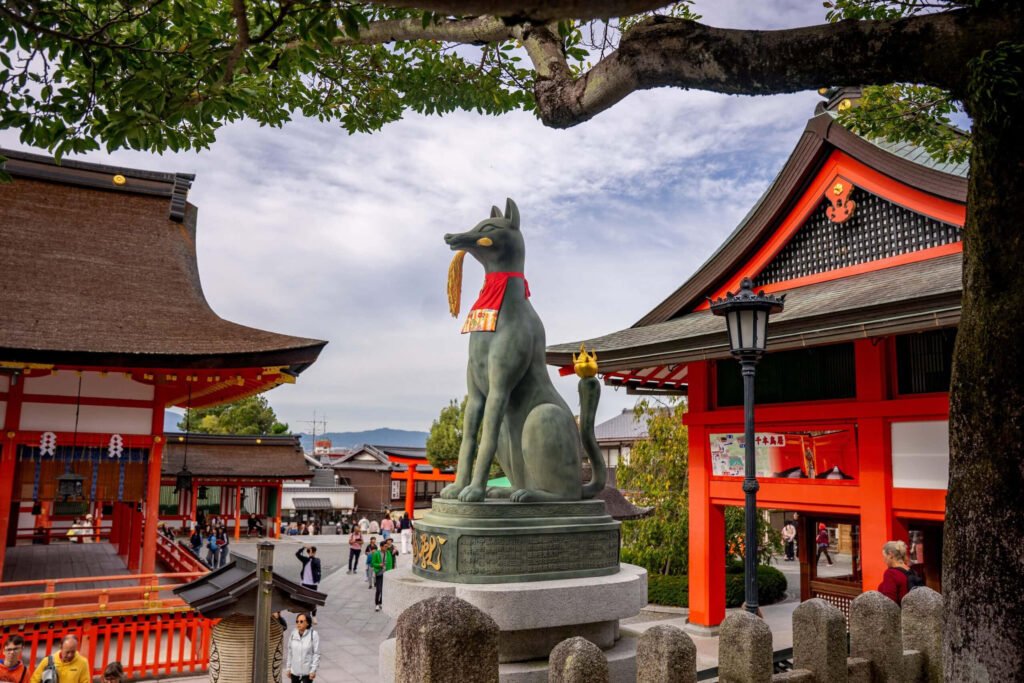
Suggested photo: Fox statue, shrine lanterns, or a quieter section of the torii trail.
🏯 2. Kiyomizu-dera Temple
Perched on the eastern hills of Kyoto, Kiyomizu-dera is one of the city’s most important historic temples and one of the best places to enjoy panoramic views over Kyoto.
The temple is especially beautiful during the cherry blossom season and autumn, when the surrounding trees transform the landscape with seasonal colors.
Its famous wooden stage extends outward from the hillside and overlooks the surrounding forest and city.
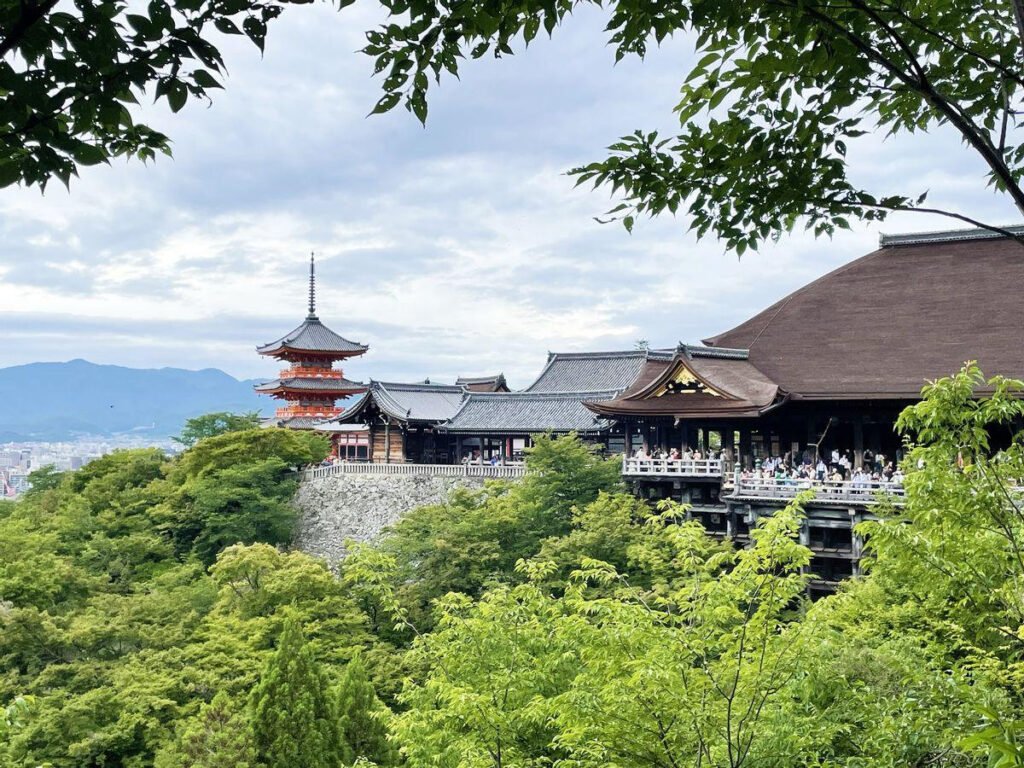
Suggested photo: Wide view of the main wooden terrace with Kyoto in the background.
But visiting Kiyomizu-dera is not just about the temple itself.
The surrounding Higashiyama district is one of the most atmospheric parts of Kyoto. Traditional streets such as Sannenzaka and Ninenzaka are lined with wooden buildings, souvenir shops, cafés, sweets shops, and small restaurants.
Walking through this neighborhood feels like stepping into an older version of Japan.
💡 TravelNest365 Tip
Give yourself enough time to walk rather than simply visit the temple and leave.
A great route is:
Kiyomizu-dera → Sannenzaka → Ninenzaka → Yasaka Pagoda → Gion
This turns several famous Kyoto sights into one continuous walking route.
Kyoto’s official tourism guide also identifies the Kiyomizu area as an important historic district containing Kiyomizu-dera, Yasaka Pagoda, traditional crafts, shops, and historic streets.
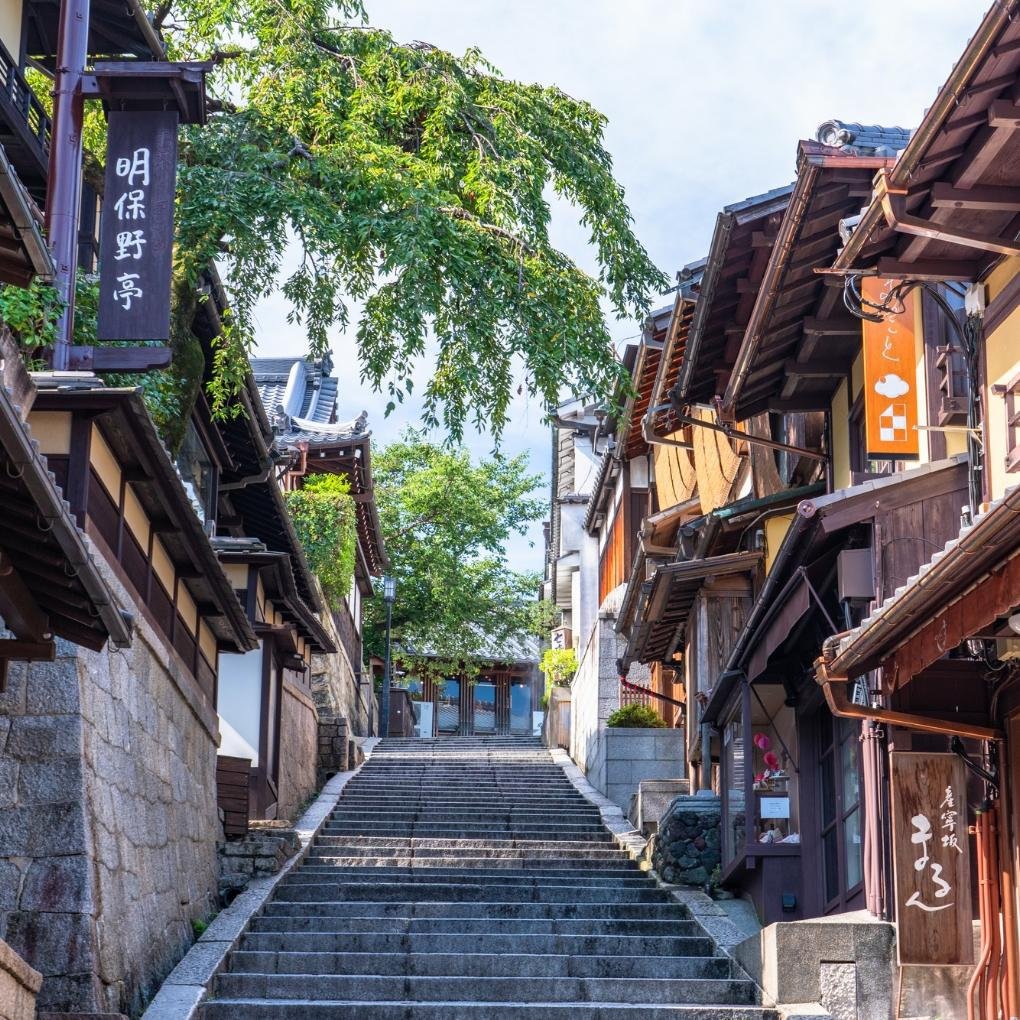
Suggested photo: Traditional preserved street with wooden machiya buildings and minimal crowds.
👘 3. Gion — Kyoto’s Historic Geisha District
Continue walking west from Higashiyama and you will eventually reach Gion, Kyoto’s most famous traditional entertainment district.
Historic wooden machiya townhouses, narrow lanes, tea houses, restaurants, small shrines, and traditional architecture give Gion a completely different atmosphere from modern Japanese city centers.
The area has long been associated with geiko and maiko, Kyoto’s traditional professional entertainers.
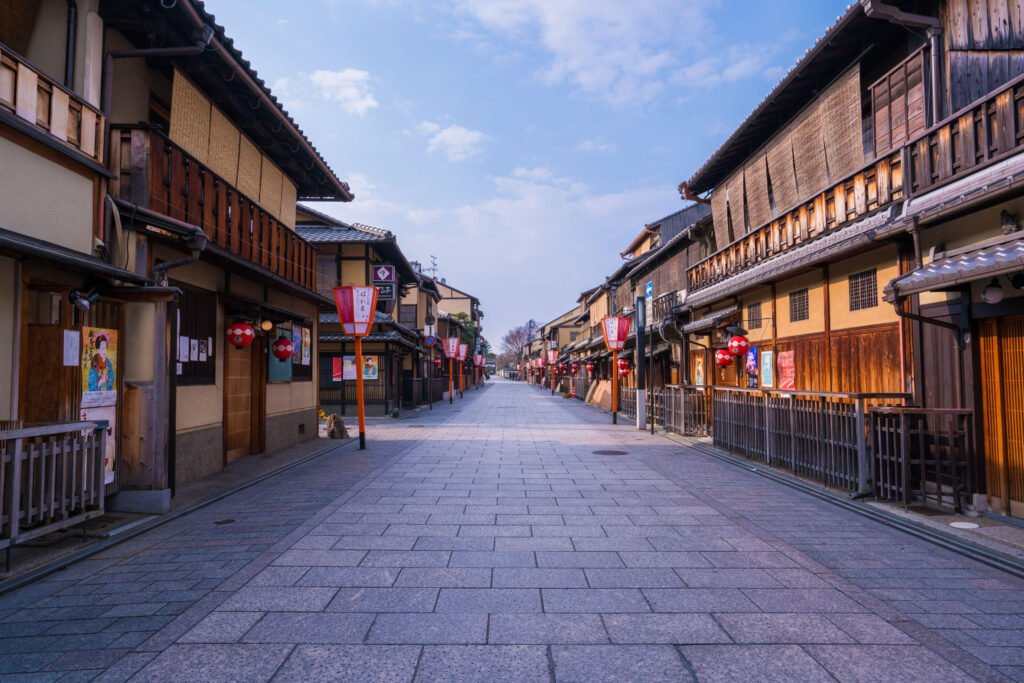
Suggested photo: Historic wooden buildings around Hanamikoji or a nearby public street without identifiable pedestrians.
One of the best ways to experience Gion is simply to explore slowly.
Walk through Hanamikoji Street, continue toward Yasaka Shrine, then spend some time around the Shirakawa area, where traditional buildings line a small canal.
⚠️ Respect Local Residents
Gion is not a theme park.
Many traditional buildings are private homes or working establishments, and some narrow lanes are private property. Visitors should respect signs, avoid entering restricted areas, and never chase or block geiko or maiko for photographs.
Kyoto’s official tourism guidance continues to emphasize respectful sightseeing in Gion and the surrounding historic neighborhoods.
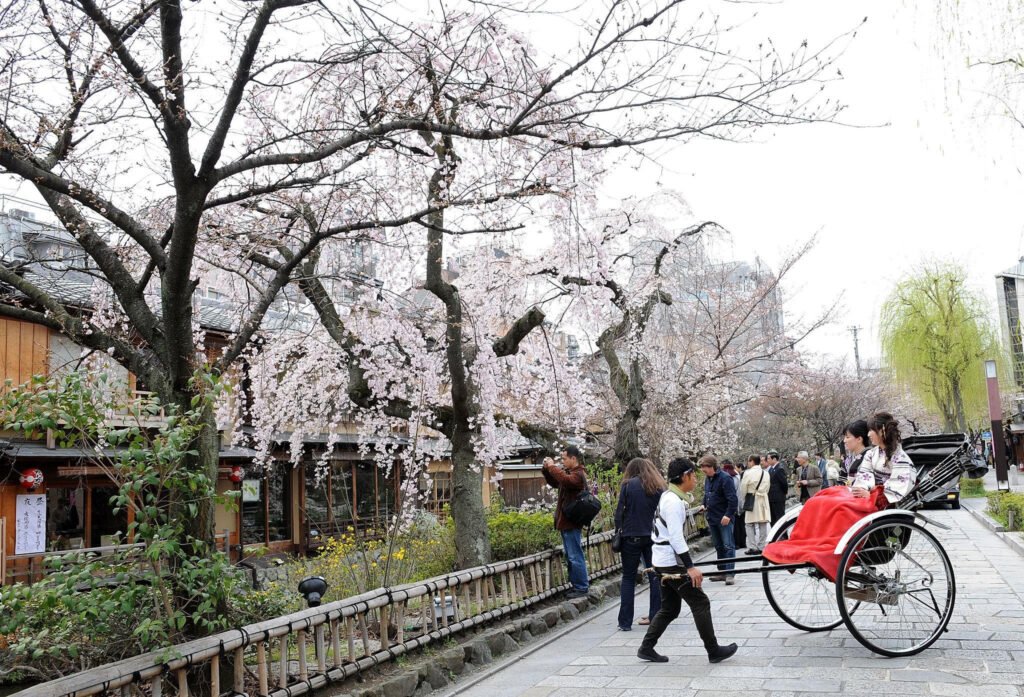
Suggested photo: Canal, willow trees, stone pathway, or traditional teahouses.
🚆 Getting to Kyoto from Osaka
If Osaka is already part of your Japan itinerary, adding Kyoto is extremely easy.
From JR Osaka Station, the JR Special Rapid Service reaches Kyoto Station in approximately 30 minutes.
Travelers staying around Osaka-Umeda can also use the Hankyu Railway, which takes approximately 45 minutes to reach Kyoto’s downtown Kawaramachi area.
Another useful option is the Keihan Main Line, particularly if you are heading toward Gion-Shijo or eastern Kyoto.
💡 TravelNest365 Tip:
If your destination is Gion or central Kyoto rather than Kyoto Station, Hankyu or Keihan can sometimes be more convenient than automatically taking JR.
👉 Already visiting Osaka?
Check out our Osaka Travel Guide 2026 and combine both cities into one Kansai itinerary.
🎋 4. Arashiyama — Bamboo Forests and Riverside Scenery
Located on the western side of Kyoto, Arashiyama combines some of the city’s most beautiful natural scenery with historic temples and traditional streets.
The neighborhood is best known for the Arashiyama Bamboo Grove, where towering bamboo stalks form a dramatic green corridor above the walking path.
It is one of Kyoto’s most photographed locations — and also one of its busiest.
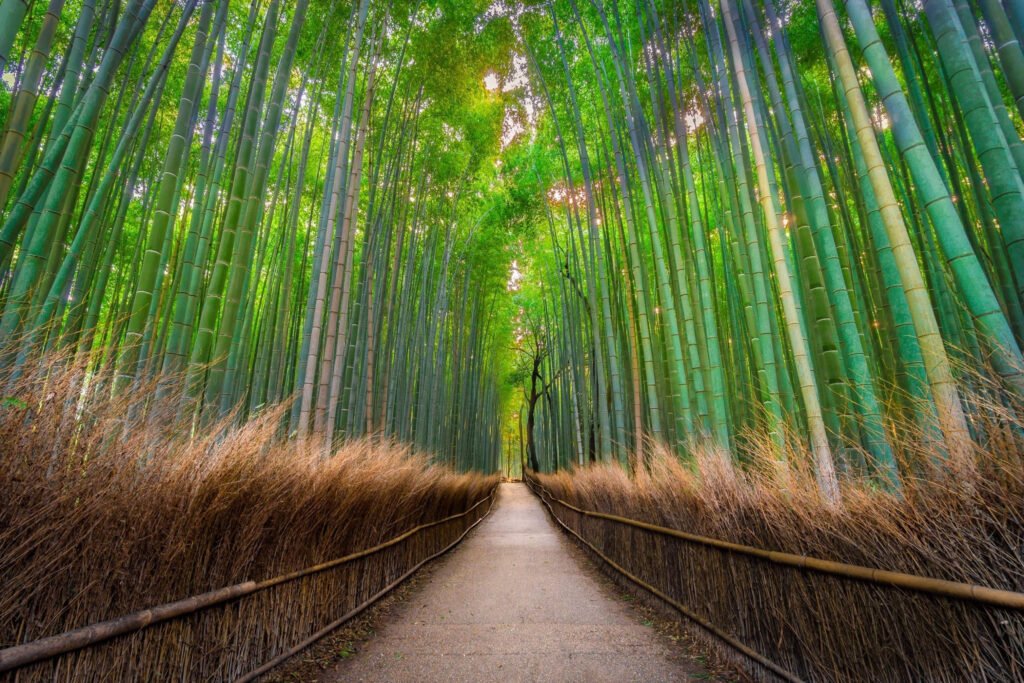
Suggested photo: Tall bamboo surrounding the pathway, preferably early morning with few or no identifiable people.
The bamboo grove itself does not take very long to walk through, so it is worth exploring the surrounding area rather than visiting only for the famous photograph.
Nearby attractions include Tenryu-ji Temple, the Katsura River, traditional streets, small cafés, and the iconic Togetsukyo Bridge.
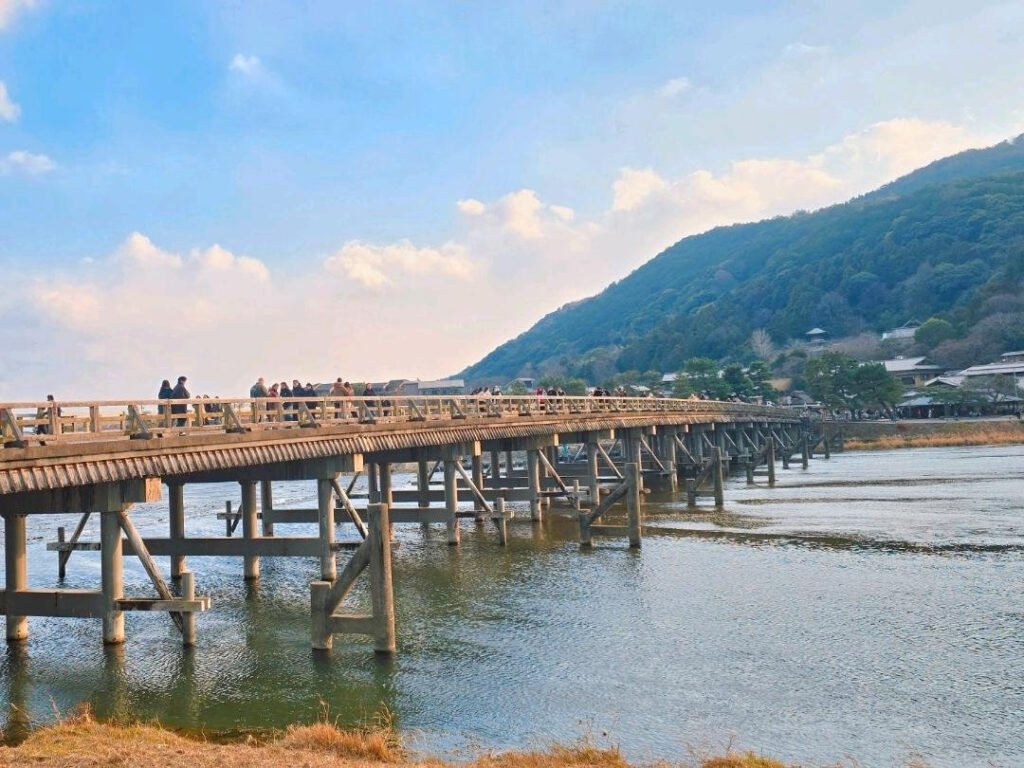
Suggested photo: Wide landscape view of Togetsukyo Bridge, Katsura River, and the surrounding mountains.
💡 TravelNest365 Tip
Try to arrive early in the morning, especially during cherry blossom and autumn foliage seasons.
After exploring the bamboo grove, walk toward Togetsukyo Bridge and the riverfront. The atmosphere here is much more relaxed than the busiest section around the bamboo forest.
If you have extra time, Arashiyama is also a great place to slow down for lunch or a traditional Japanese dessert before returning to central Kyoto.
✨ 5. Kinkaku-ji — Kyoto’s Golden Pavilion
Few temples in Japan are as visually striking as Kinkaku-ji, commonly known as the Golden Pavilion.
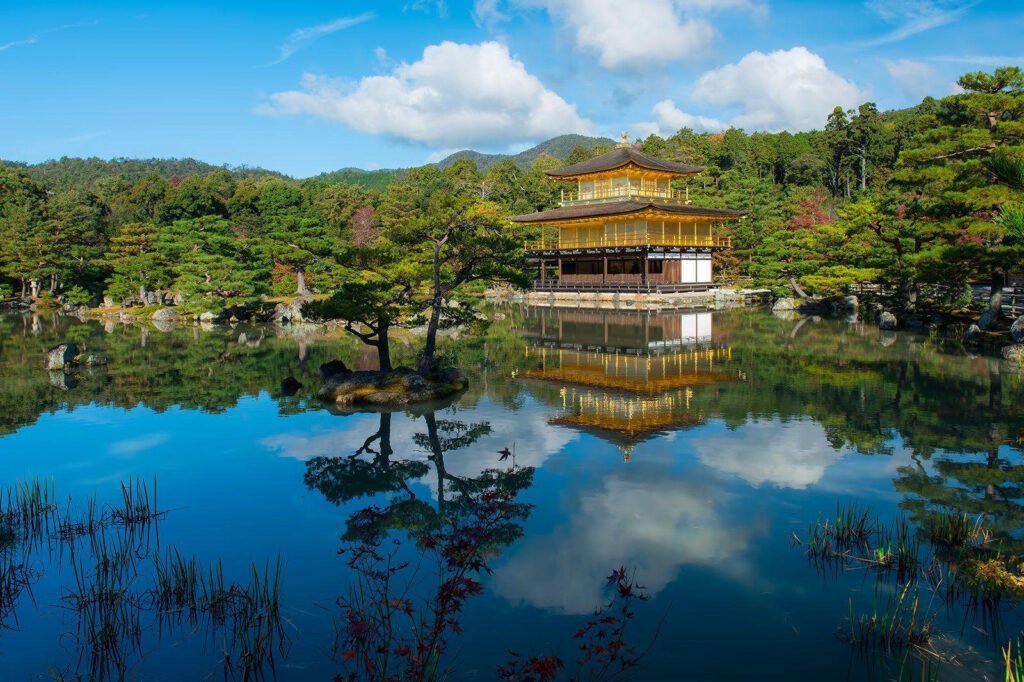
The upper floors of the pavilion are covered in gold leaf, creating a spectacular reflection on the pond directly in front of it.
On a calm, clear day, the combination of the golden building, water, trees, and surrounding gardens creates one of Kyoto’s most memorable views.
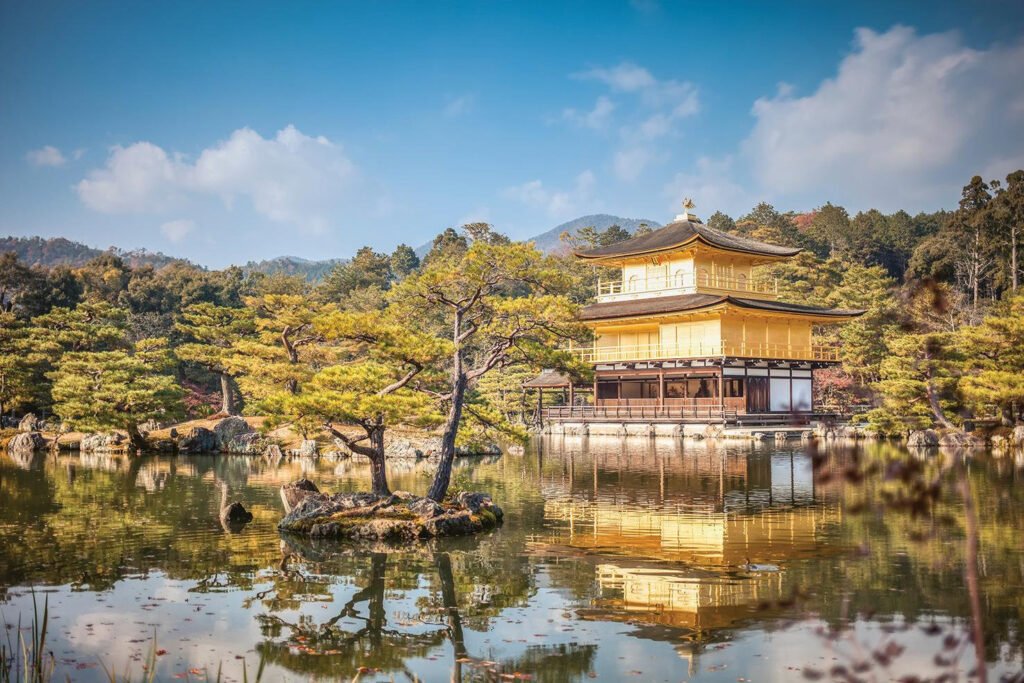
Suggested photo: Full Golden Pavilion reflected in the pond.
The site originally served as the retirement villa of shogun Ashikaga Yoshimitsu before becoming a Zen temple after his death.
The current pavilion was reconstructed in the 1950s following a fire, but its design preserves the distinctive architectural character for which Kinkaku-ji has long been famous.
Visitors follow a designated route through the grounds, beginning with the classic viewpoint across the pond before continuing through the gardens.
💡 TravelNest365 Tip
Kinkaku-ji is located away from several of Kyoto’s other major attractions, so avoid unnecessarily traveling back and forth across the city.
One practical option is to combine Kinkaku-ji with Arashiyama on the same day and keep Gion, Kiyomizu-dera, and eastern Kyoto together on another day.
Suggested photo: Traditional Japanese garden, pond, stone details, or surrounding temple grounds.
🍣 6. Nishiki Market — Taste Your Way Through Kyoto
After temples and shrines, it is time for food.
Known as “Kyoto’s Kitchen,” Nishiki Market is a narrow shopping street in central Kyoto packed with food vendors, specialty stores, traditional ingredients, sweets, seafood, pickles, tea, and local snacks.
The market has a history stretching back centuries and remains one of the easiest places for visitors to sample several Kyoto specialties in one area.
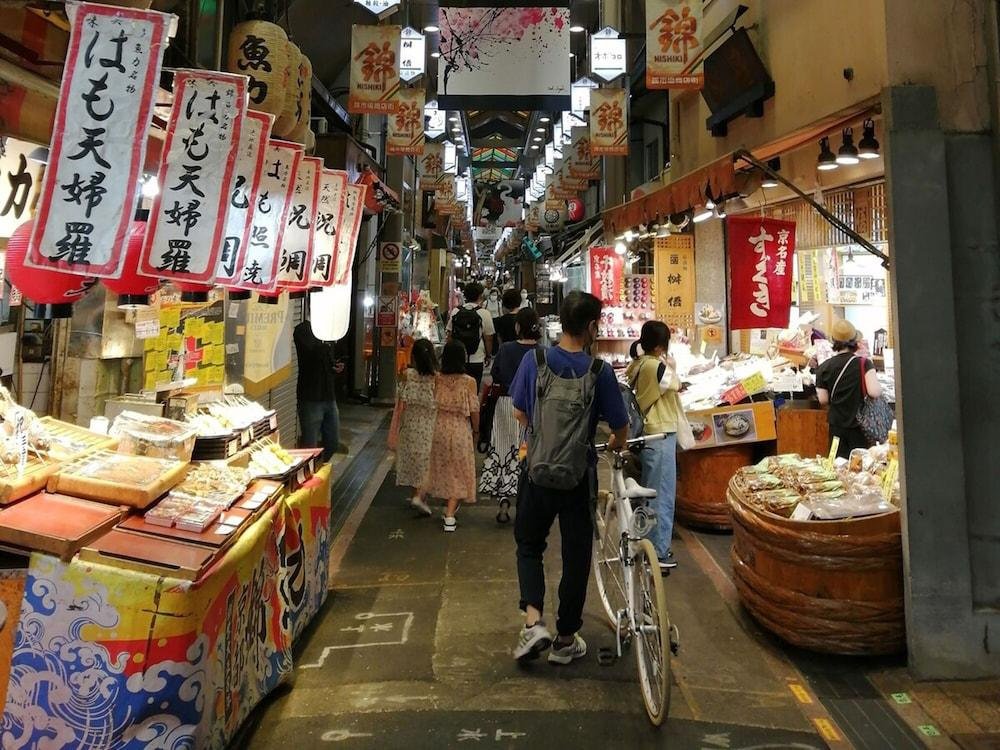
Suggested photo: Market entrance or colorful food stalls without focusing on identifiable faces.
Depending on the shops open during your visit, you may encounter foods such as:
- 🍡 Dango — chewy rice dumplings
- 🍵 Matcha sweets — cakes, ice cream, and traditional desserts
- 🥒 Tsukemono — Japanese pickled vegetables
- 🥚 Dashimaki tamago — Japanese rolled omelet flavored with dashi
- 🐟 Fresh seafood and grilled seafood snacks
- 🍘 Rice crackers and other traditional snacks
- 🍶 Kyoto sake
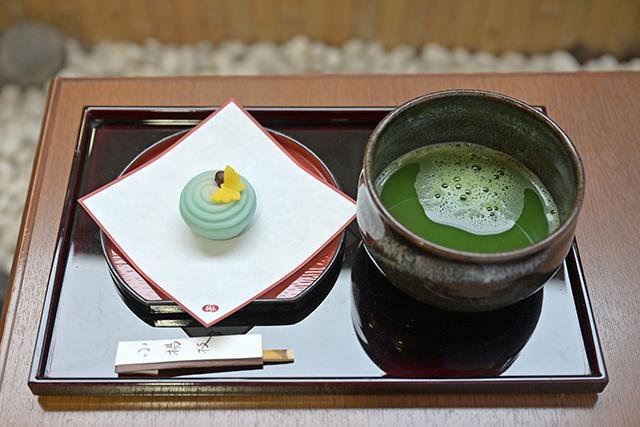
Suggested photo: Matcha dessert, dango, dashimaki tamago, seafood, or another distinctive Kyoto specialty.
💡 TravelNest365 Tip
Nishiki Market is best enjoyed by trying several small portions instead of one large meal.
However, remember that this is still a working shopping street used by local businesses. Avoid blocking storefronts and follow each vendor’s rules regarding where food should be eaten.
Many shops have their own designated eating areas, and eating while walking through crowded sections is discouraged.
🌿 7. Philosopher’s Path — A Quieter Side of Kyoto
Kyoto’s famous attractions can become extremely busy, so it is worth adding at least one slower experience to your itinerary.
The Philosopher’s Path is a peaceful walking route following a canal through northern Higashiyama.
The path takes its name from Japanese philosopher Nishida Kitaro, who is said to have used the route for contemplation.
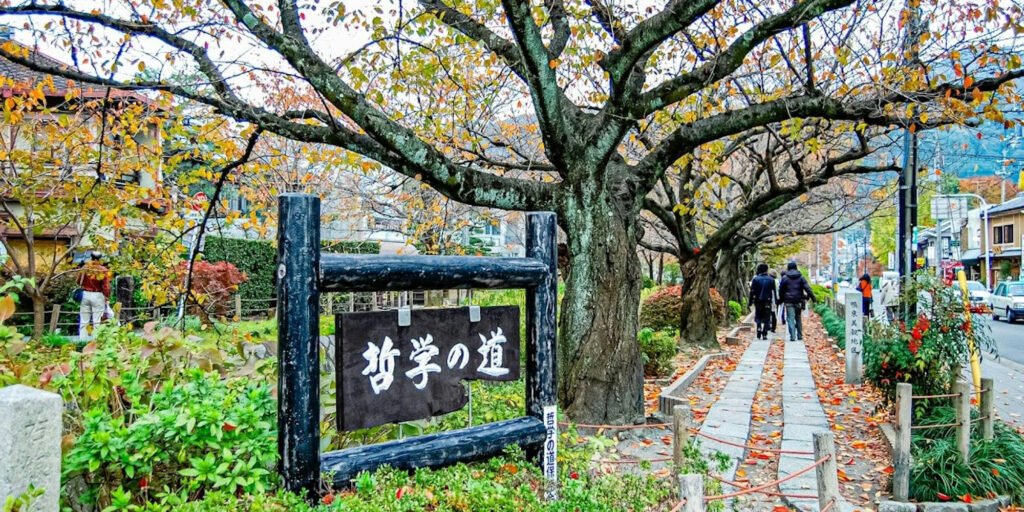
Suggested photo: Canal-side pathway surrounded by trees, ideally during cherry blossom or autumn season.
The route is particularly famous during spring, when cherry trees lining the canal bloom and create one of Kyoto’s most beautiful seasonal walks.
Even outside cherry blossom season, the neighborhood offers a pleasant break from Kyoto’s more crowded sightseeing areas.
Small cafés, temples, residential streets, and independent shops can be found around the route.
One of the easiest ways to incorporate the walk into a sightseeing day is to combine it with Ginkaku-ji (Silver Pavilion) and other temples in northern Higashiyama.
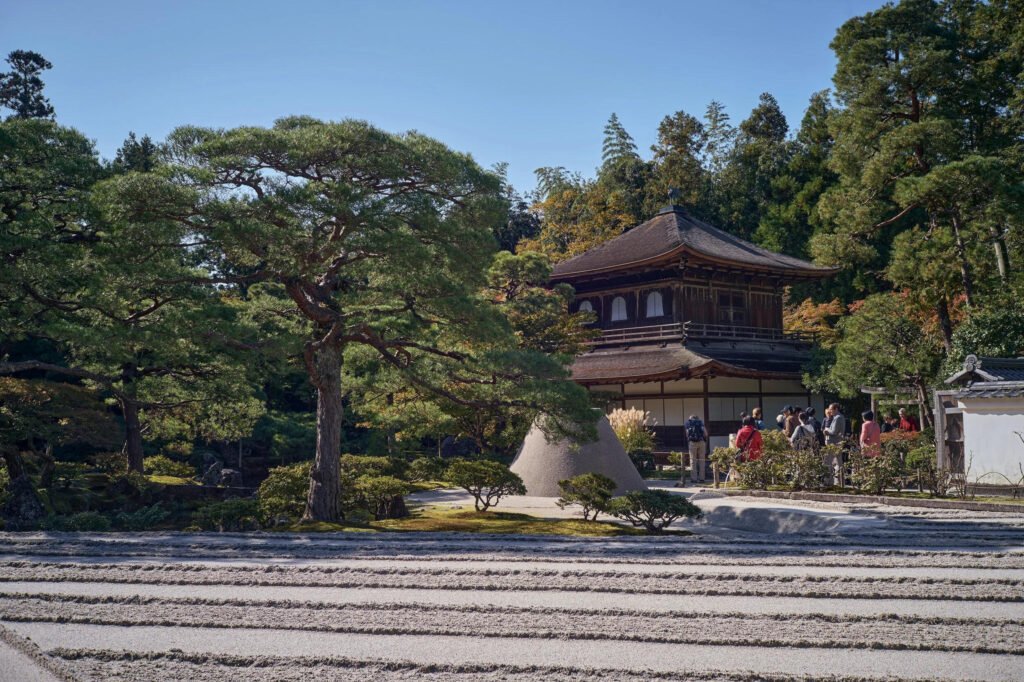
Suggested photo: Ginkaku-ji, traditional garden, moss garden, or scenic northern Higashiyama landscape.
🗓️ How Many Days Do You Need in Kyoto?
For most first-time visitors, three full days provides a good balance between seeing the major attractions and avoiding an exhausting schedule.
A simple itinerary could look like this:
🌅 Day 1 — Eastern Kyoto
Fushimi Inari → Kiyomizu-dera → Sannenzaka & Ninenzaka → Gion
Start early at Fushimi Inari before moving toward the historic streets surrounding Kiyomizu-dera. Finish the afternoon and evening around Gion.
🎋 Day 2 — Western Kyoto
Arashiyama Bamboo Grove → Tenryu-ji → Togetsukyo Bridge → Kinkaku-ji
Visit Arashiyama early before the largest crowds arrive, explore the riverfront, and continue toward Kinkaku-ji later in the day.
🍵 Day 3 — Central & Northern Kyoto
Nishiki Market → Philosopher’s Path → Ginkaku-ji → Downtown Kyoto
Spend the morning exploring Nishiki Market before enjoying a slower afternoon in northern Higashiyama.
💡 Have a Fourth Day?
Use it to explore beyond the essential attractions.
You could visit Fushimi’s sake district, explore additional temples, spend more time discovering Kyoto’s cafés and restaurants, or simply enjoy the city at a slower pace.
Kyoto rewards travelers who leave some room in their itinerary instead of rushing from landmark to landmark.
🚇 Getting Around Kyoto
Kyoto has an extensive transportation network, but sightseeing here works differently from cities such as Tokyo.
There is no single train or subway system that conveniently reaches every major attraction.
Instead, most visitors use a combination of:
🚆 Trains + 🚇 Subway + 🚌 Buses + 🚶 Walking
For destinations such as Fushimi Inari and Arashiyama, trains are often the easiest option.
Buses remain useful for several temple districts, but popular routes can become crowded during peak travel periods.
Whenever possible, consider using trains or the subway for the longest portion of your journey and walking the remaining distance.
💡 TravelNest365 Tip
Do not plan your Kyoto itinerary based only on how attractions look on a map.
Two places may appear relatively close but require inconvenient transfers, while attractions farther apart may be directly connected by train.
Group your sightseeing by area.
It saves transportation time and gives you much more time to actually enjoy Kyoto instead of spending your vacation moving between bus stops.
🏨 Where to Stay in Kyoto
Choosing the right area to stay in Kyoto can make a big difference to your trip.
Unlike cities where most attractions are concentrated in one district, Kyoto’s major sights are spread across different parts of the city. For first-time visitors, staying near Kyoto Station, Downtown Kyoto, Kawaramachi, or Gion usually provides the best combination of transportation, restaurants, shopping, and sightseeing access.
Here are some of our recommended places to stay in Kyoto for different travel styles and budgets.
💎 Luxury Hotels & Resorts
🏨 The Ritz-Carlton, Kyoto
Location: Kamogawa Nijo-Ohashi Hotori, Nakagyo Ward
Why We Recommend It:
Set beside the Kamogawa River, The Ritz-Carlton, Kyoto combines contemporary luxury with design elements inspired by traditional Japanese aesthetics. Its riverside location provides a peaceful atmosphere while keeping guests within easy reach of central Kyoto.
Best For:
Couples, luxury travelers, special occasions, and travelers looking for a refined stay in central Kyoto.
🏨 Four Seasons Hotel Kyoto
Location: Higashiyama Ward
Why We Recommend It:
Four Seasons Hotel Kyoto is particularly appealing for travelers who want a tranquil luxury experience close to Kyoto’s historic eastern districts. One of its standout features is an approximately 800-year-old pond garden, which creates a remarkably peaceful setting in the middle of the city.
Best For:
Luxury travelers, couples, relaxing stays, and visitors who want convenient access to Higashiyama.
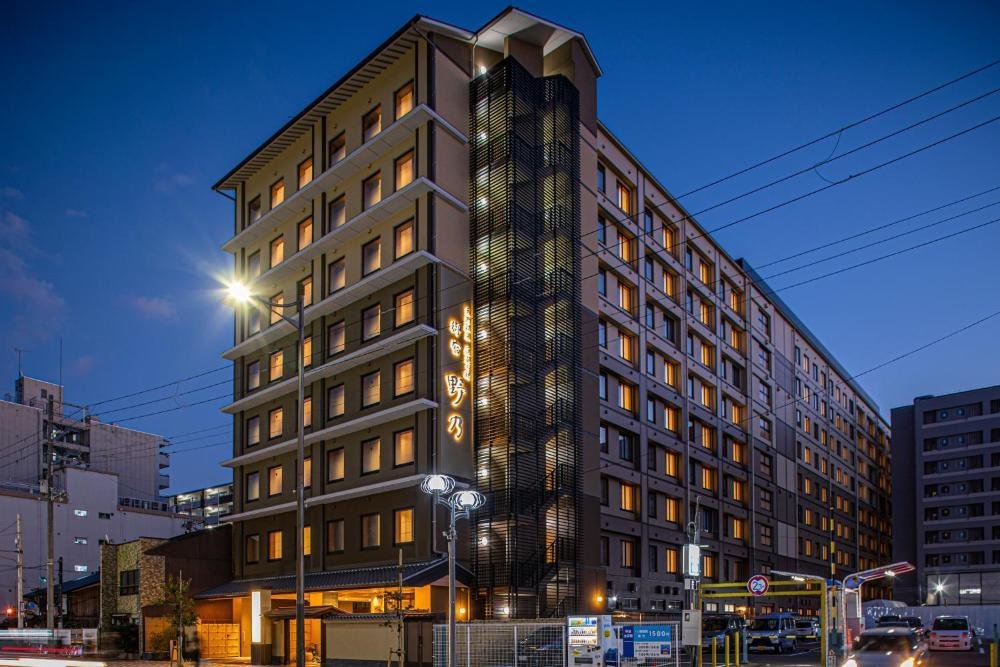
Suggested photo: Elegant Japanese-inspired hotel room, garden, lobby, or exterior from one of the recommended luxury properties.
⭐ Mid-Range Hotels
🏨 Hotel Granvia Kyoto
Location: Kyoto Station
Why We Recommend It:
Hotel Granvia Kyoto is directly connected to Kyoto Station, making it extremely convenient for travelers arriving from Osaka, Tokyo, or Kansai International Airport.
The location is especially useful if you plan to take day trips or want to minimize the amount of time spent carrying luggage through the city.
Best For:
First-time visitors, families, train travelers, and short stays.
🏨 Cross Hotel Kyoto
Location: Kawaramachi / Sanjo
Why We Recommend It:
Cross Hotel Kyoto offers a convenient central location close to restaurants, shopping streets, the Kamogawa River, and several popular sightseeing areas.
Gion is also within convenient reach, making this a practical base for travelers who want to explore Kyoto during the day and still have plenty of dining options nearby at night.
Best For:
Couples, first-time visitors, shoppers, and travelers who prefer staying in a lively central neighborhood.
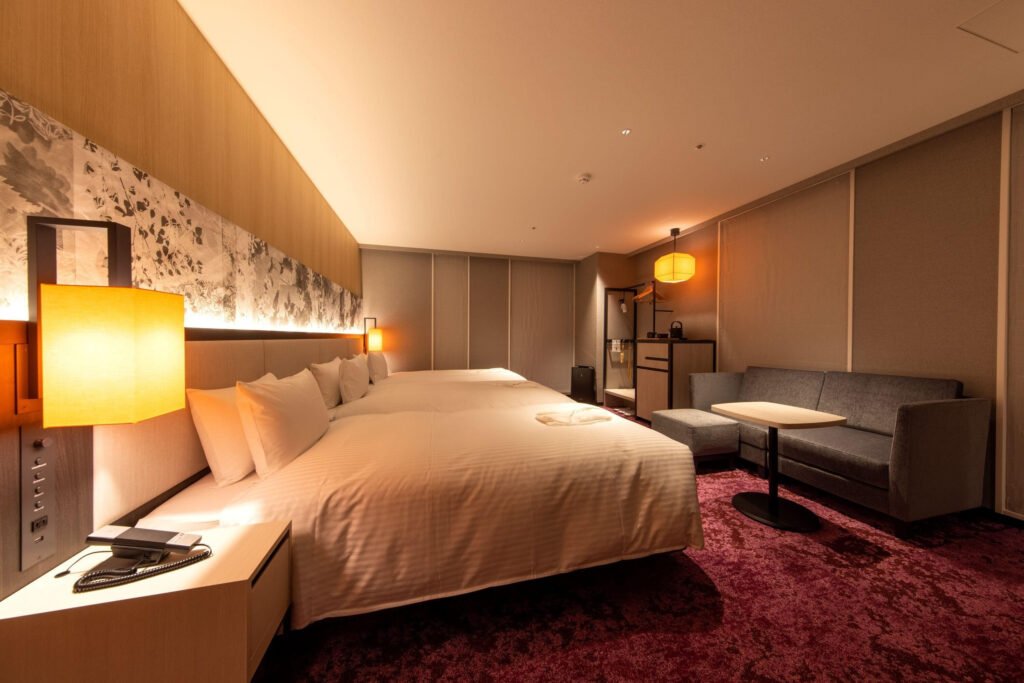
Suggested photo: Modern Japanese hotel room or attractive hotel exterior around Kyoto Station or Kawaramachi.
💰 Budget-Friendly Hotels
🏨 Piece Hostel Kyoto
Location: Near Kyoto Station
Why We Recommend It:
Piece Hostel Kyoto has long been popular with budget-conscious international travelers thanks to its convenient location and modern hostel-style accommodation.
Its proximity to Kyoto Station makes getting around the city relatively easy while keeping accommodation costs lower than many traditional hotels.
Best For:
Solo travelers, backpackers, younger travelers, and budget trips.
🏨 The Millennials Kyoto
Location: Kawaramachi
Why We Recommend It:
The Millennials Kyoto offers a modern capsule-style accommodation concept in one of Kyoto’s most convenient central areas.
The location provides easy access to restaurants, shopping, nightlife, and public transportation.
Best For:
Solo travelers, short stays, digital travelers, and visitors looking for something different from a conventional hotel.
💡 TravelNest365 Tip
If this is your first trip to Kyoto, prioritize location over saving a small amount on accommodation.
Staying far outside central Kyoto may look cheaper, but additional transportation and longer daily travel times can quickly become inconvenient.
For transportation convenience, Kyoto Station is hard to beat.
For restaurants, shopping, evening walks, and easy access to Gion, consider Kawaramachi or Downtown Kyoto.
For traditional atmosphere, Gion and Higashiyama are excellent choices.
🍜 What to Eat in Kyoto
Kyoto’s food culture is much more than sushi and ramen.
Centuries as Japan’s imperial capital helped create distinctive culinary traditions ranging from elegant multi-course cuisine to tofu dishes, seasonal sweets, matcha desserts, noodles, and simple market snacks.
Here are several foods worth trying during your visit.
🍱 Kaiseki — Traditional Kyoto Fine Dining
Kaiseki is one of Japan’s most refined dining traditions.
Rather than one large dish, a kaiseki meal consists of several carefully prepared courses emphasizing seasonal ingredients, presentation, texture, and balance.
Kyoto is one of the best places in Japan to experience it.
For travelers wanting a memorable traditional dinner, consider reserving one kaiseki experience during your stay.
🍲 Yudofu — Kyoto-Style Tofu
One of Kyoto’s classic dishes is yudofu, or tofu gently simmered in hot water.
The dish is particularly associated with Kyoto’s temple cuisine and is famous around areas such as Nanzen-ji and Arashiyama.
It may look simple, but the delicate flavor and texture are part of its appeal.
🍵 Matcha & Traditional Japanese Sweets
Kyoto and nearby Uji are famous for high-quality green tea.
Throughout the city you will find cafés and dessert shops serving:
Matcha parfaits, matcha ice cream, matcha cakes, wagashi, mochi, and traditional tea sets.
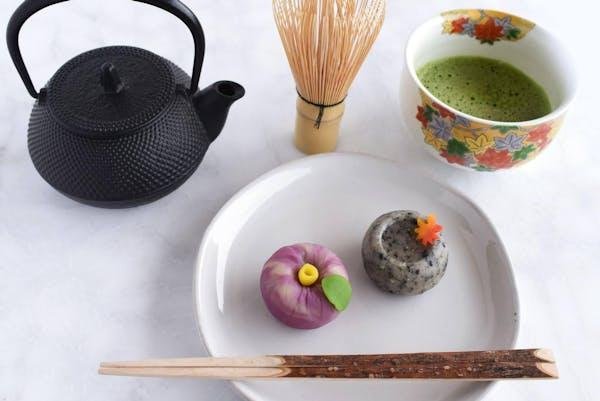
Suggested photo: Beautifully presented matcha parfait or traditional matcha tea with wagashi.
🍽️ Recommended Restaurants in Kyoto
🍱 Kikunoi
Area: Higashiyama
One of Kyoto’s celebrated traditional restaurants, Kikunoi is known for sophisticated kaiseki cuisine built around seasonal Japanese ingredients.
This is not an everyday budget meal — it is better suited to travelers who want a special culinary experience while visiting Kyoto.
Try: Seasonal kaiseki course
Best For: Special occasions and traditional Japanese fine dining
🍜 Honke Daiichi-Asahi
Area: Near Kyoto Station
For something much more casual, Honke Daiichi-Asahi is a famous Kyoto ramen shop known for bowls of soy sauce-based ramen topped with sliced pork and green onions.
It is particularly convenient for travelers staying around Kyoto Station.
Try: Kyoto-style ramen
Best For: Casual meals and ramen lovers
🍲 Okutan Kiyomizu
Area: Higashiyama / Kiyomizu
Okutan is known for traditional tofu cuisine and provides a very different experience from Kyoto’s ramen shops or modern cafés.
Its location also makes it easy to combine with sightseeing around Kiyomizu-dera and Higashiyama.
Try: Yudofu tofu cuisine
Best For: Traditional Kyoto food and a lighter Japanese meal
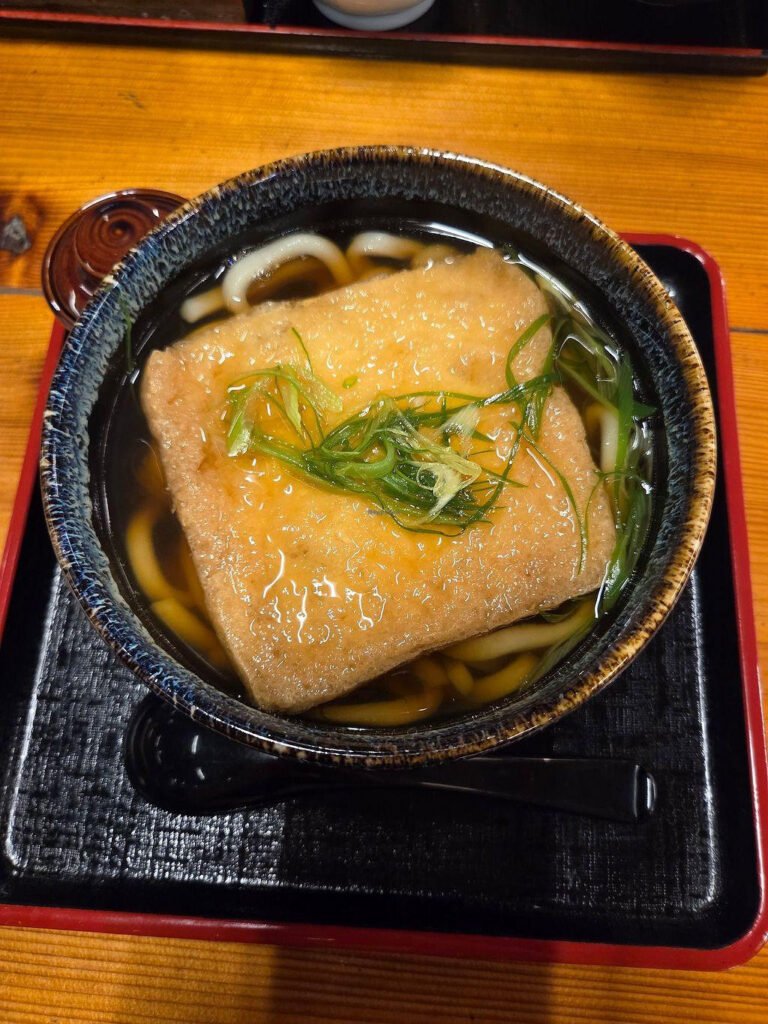
Suggested photo: Kyoto ramen, yudofu, or a beautifully presented seasonal Japanese meal.
☕ Recommended Cafés & Tea Experiences
🍵 % Arabica Kyoto Arashiyama
Area: Arashiyama
Located near the Katsura River and Togetsukyo Bridge, this café has become one of Arashiyama’s recognizable coffee stops.
The scenic location makes it convenient after exploring the bamboo grove and riverside.
Try: Espresso-based coffee
Best For: Coffee lovers and an Arashiyama sightseeing break
🍵 Ippodo Tea Kyoto Main Store
Area: Central Kyoto
For travelers who want something more traditionally connected to Kyoto, Ippodo Tea is an excellent place to explore Japanese tea culture.
The company has a history in Kyoto stretching back centuries and specializes in Japanese teas including matcha, gyokuro, sencha, and bancha.
Try: Matcha or gyokuro
Best For: Japanese tea lovers and travelers wanting a traditional Kyoto experience
🍨 Tsujiri
Area: Gion
Kyoto is a perfect place to indulge in matcha desserts, and Tsujiri is one of the recognizable names associated with Japanese green tea.
A matcha dessert stop fits particularly well into a day exploring Gion and Higashiyama.
Try: Matcha parfait or matcha dessert
Best For: Dessert lovers and first-time visitors to Kyoto
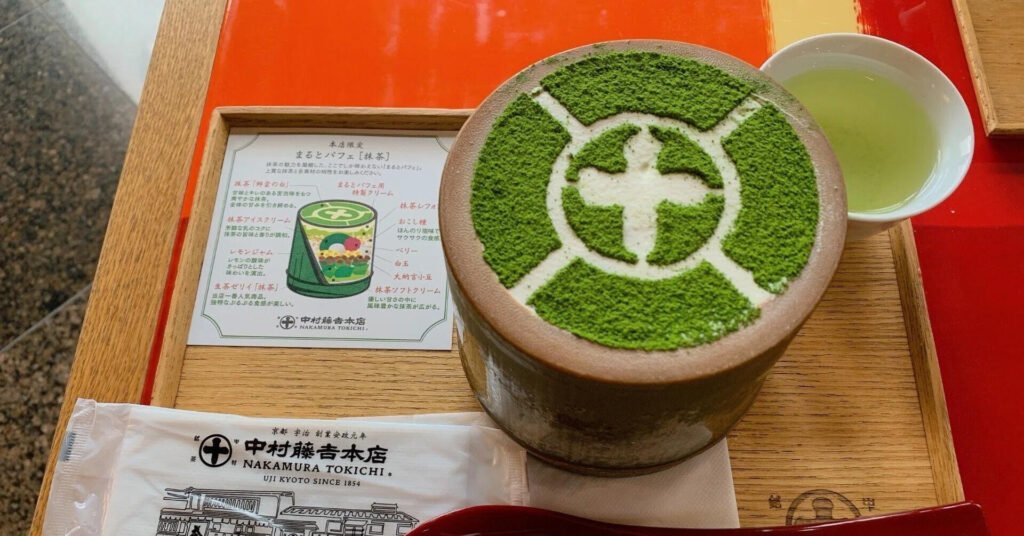
Suggested photo: Traditional matcha tea set, Kyoto café interior, or coffee overlooking the Arashiyama area.
💴 How Much Does a Trip to Kyoto Cost?
Kyoto can work for several different travel budgets.
Accommodation will usually be one of the biggest expenses, especially during cherry blossom season and peak autumn foliage periods.
A budget-conscious traveler can reduce costs by staying in hostels or simple business hotels, using trains and public transportation, and mixing inexpensive meals with convenience-store food and local restaurants.
Mid-range travelers have a large selection of comfortable hotels and restaurants, while Kyoto also offers exceptional luxury hotels, ryokan, and fine dining for travelers looking for a premium experience.
💡 Money-Saving Tips
Book accommodation early if you are visiting during spring or autumn.
Use an IC card for convenient transportation rather than buying individual tickets whenever possible.
Eat a mixture of market food, ramen, casual restaurants, and convenience-store meals instead of dining at tourist restaurants for every meal.
Most importantly, organize attractions by neighborhood. Reducing unnecessary trips across Kyoto saves both time and transportation costs.
🌙 Kyoto After Sunset
Do not assume sightseeing ends when Kyoto’s temples begin closing.
Evenings are one of the best times to experience the atmosphere of the city.
Walk beside the Kamogawa River, explore the illuminated streets around Gion, wander through Pontocho Alley, or enjoy dinner around Kawaramachi.
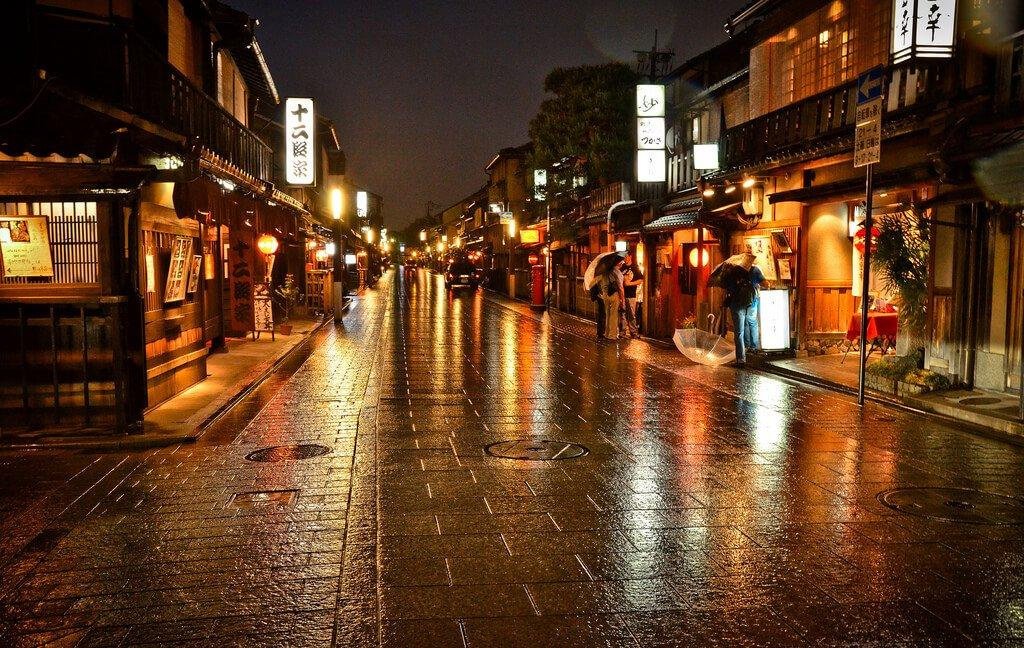
Suggested photo: Atmospheric lantern-lit Kyoto street, Pontocho Alley, Kamogawa River, or Gion after sunset without identifiable people.
Kyoto at night feels noticeably different from Kyoto during the daytime.
Once many day-trip visitors leave, certain areas become quieter, the lanterns come on, and the traditional wooden architecture creates exactly the kind of atmosphere many travelers imagine when they first think about visiting Kyoto.
💡 Essential Kyoto Travel Tips for 2026
Kyoto is relatively easy to explore, but a little planning can make your trip much more enjoyable.
The city welcomes huge numbers of visitors, and popular locations such as Fushimi Inari, Kiyomizu-dera, Arashiyama, and Gion can become extremely crowded during peak periods.
Here are a few practical tips to help you make the most of your visit.
🌅 1. Start Your Day Early
This is probably the single most useful piece of advice for visiting Kyoto.
Popular attractions become much busier as the morning progresses, particularly during cherry blossom season, Golden Week, and autumn foliage season.
Try visiting outdoor attractions such as Fushimi Inari and Arashiyama early in the morning, then save restaurants, markets, museums, shopping streets, and less crowded areas for later in the day.
An early start also gives photographers a much better chance of enjoying Kyoto’s historic streets without large crowds.
🗺️ 2. Explore Kyoto by Area
One of the biggest mistakes first-time visitors make is jumping between attractions located on opposite sides of Kyoto.
Instead, organize your itinerary geographically.
Eastern Kyoto
Kiyomizu-dera → Sannenzaka → Ninenzaka → Yasaka Pagoda → Gion
Southern Kyoto
Fushimi Inari → Fushimi Sake District
Western Kyoto
Arashiyama → Tenryu-ji → Togetsukyo Bridge
Northern Kyoto
Kinkaku-ji → Ginkaku-ji → Philosopher’s Path
Central Kyoto
Nishiki Market → Kawaramachi → Pontocho → Kamogawa River
Grouping attractions together reduces unnecessary transportation and leaves more time for actually experiencing the city.
🚌 3. Do Not Depend Only on Kyoto Buses
Kyoto’s buses are useful, but popular routes can become crowded.
Whenever possible, use trains and subways for the main portion of your journey, then walk or use a bus for the final section.
Kyoto has also introduced sightseeing-oriented transport measures designed to reduce congestion on heavily used routes, so checking current transportation information before your trip is worthwhile.
Using trains is especially convenient for destinations such as Fushimi Inari and Arashiyama.
👟 4. Prepare to Walk — A Lot
Comfortable shoes are essential in Kyoto.
Many of the city’s best experiences happen between the famous attractions: walking through preserved streets, discovering small shrines, exploring local neighborhoods, or finding an unexpected café.
Temple grounds can also involve stairs, slopes, stone paths, and long walking routes.
A typical sightseeing day can easily involve many kilometers on foot.
💴 5. Carry Some Japanese Yen
Japan has become increasingly convenient for card and contactless payments, especially in hotels, department stores, major restaurants, and convenience stores.
However, carrying some cash is still useful in Kyoto.
Smaller restaurants, traditional shops, temple admission counters, vending machines, market vendors, and older establishments may not always offer the payment method you expect.
An IC card such as ICOCA, Suica, or PASMO is also extremely useful for transportation and many everyday purchases.
🙏 Kyoto Etiquette — Respect the City
Kyoto is not simply a collection of tourist attractions.
Many famous neighborhoods contain private residences, functioning temples, religious sites, traditional businesses, and communities where people live and work every day.
Respectful tourism has therefore become increasingly important.
📷 Photography
Do not enter private streets or properties simply to take photographs.
Pay attention to “No Photography” signs, particularly around Gion and private establishments.
Never block traffic or entrances while trying to capture a photograph.
And if you encounter a maiko or geiko, do not follow, surround, touch, or obstruct them for photographs.
⛩️ Temples & Shrines
Keep noise levels reasonable.
Follow posted photography restrictions.
Do not enter restricted areas.
Treat religious structures and objects respectfully rather than using them purely as photo props.
🗑️ Keep Kyoto Clean
Public trash bins can be less common than some international travelers expect.
Keep a small bag with you and carry your rubbish until you find an appropriate place to dispose of it.
🌸 When Is the Best Time to Visit Kyoto?
Every season gives Kyoto a different personality.
🌸 Spring — March to May
Spring is one of Kyoto’s most popular travel seasons.
Cherry blossoms usually make late March and early April particularly desirable, although exact blooming dates vary every year.
The downside is predictable: larger crowds and higher accommodation demand.
Reserve hotels well in advance if cherry blossoms are an important part of your trip.
☀️ Summer — June to August
Kyoto summers are hot and humid.
June also brings Japan’s rainy season, while July is famous for Gion Matsuri, one of Japan’s best-known traditional festivals.
Summer travelers should prepare for heat, drink plenty of water, and schedule outdoor sightseeing earlier in the morning when possible.
🍁 Autumn — October to November
Autumn is another spectacular season.
Temples and mountain areas become surrounded by shades of red, orange, and gold as the leaves change.
Late November is often particularly popular for autumn foliage, although peak timing varies according to location and weather conditions.
Like spring, this is a period when early hotel reservations are strongly recommended.
❄️ Winter — December to February
Winter receives fewer visitors than Kyoto’s major spring and autumn periods.
Temperatures can become cold, but the trade-off is a quieter atmosphere at many attractions.
If you are fortunate enough to experience snowfall, temples such as Kinkaku-ji surrounded by snow can create some of Kyoto’s most beautiful winter scenery.
🧳 Suggested 3-Day Kyoto Itinerary
If you only have three days, this itinerary covers many of the essential experiences without unnecessarily crossing the city throughout the day.
🌅 DAY 1 — Fushimi Inari & Historic Kyoto
Early Morning: Fushimi Inari Taisha
↓
Late Morning: Kiyomizu-dera
↓
Afternoon: Sannenzaka & Ninenzaka
↓
Late Afternoon: Yasaka Pagoda
↓
Evening: Gion & Pontocho
🎋 DAY 2 — Arashiyama & Kinkaku-ji
Early Morning: Arashiyama Bamboo Grove
↓
Morning: Tenryu-ji
↓
Lunch: Arashiyama
↓
Afternoon: Togetsukyo Bridge
↓
Late Afternoon: Kinkaku-ji
↓
Evening: Downtown Kyoto
🍵 DAY 3 — Food, Tea & Northern Kyoto
Morning: Nishiki Market
↓
Lunch: Downtown Kyoto
↓
Afternoon: Ginkaku-ji
↓
Afternoon Walk: Philosopher’s Path
↓
Evening: Kamogawa River & Kawaramachi
🚄 Kyoto or Osaka — Why Not Visit Both?
Kyoto and Osaka offer two completely different sides of Japan.
Osaka is energetic, modern, food-focused, and famous for entertainment and nightlife.
Kyoto is slower, more traditional, and filled with temples, historic neighborhoods, gardens, and cultural experiences.
Because traveling between the two cities can take roughly 30 minutes on convenient JR services, visitors do not necessarily have to choose between them.
Combining Osaka + Kyoto creates one of the easiest and most rewarding multi-city itineraries for first-time visitors to Japan.
❤️ Is Kyoto Worth Visiting?
Absolutely.
Kyoto is one of the best destinations for travelers who want to experience the traditional side of Japan.
Yes, the city can become crowded.
But walk away from the busiest intersection, visit a temple early in the morning, follow a quiet canal, sit beside the Kamogawa River, or explore a small street away from the major attractions, and Kyoto quickly reveals why travelers continue returning.
From the endless vermilion gates of Fushimi Inari and the bamboo forests of Arashiyama to the historic streets of Gion, the Golden Pavilion, matcha desserts, traditional cuisine, and peaceful gardens, Kyoto offers an extraordinary variety of experiences within one city.
For most first-time visitors, three to four days is an excellent starting point.
Take your time.
Kyoto is a city that is better experienced slowly than rushed through with a checklist.
✈️ Plan Your Japan Adventure
Kyoto works perfectly as part of a larger Japan itinerary.
Combine the historic atmosphere of Kyoto with the food, shopping, nightlife, and entertainment of nearby Osaka for two very different experiences in one trip.
More Japan destinations are coming soon to TravelNest365, along with practical itineraries, hotel recommendations, food guides, and travel tips to help you plan your next adventure.
Safe travels, and enjoy Kyoto! 🇯🇵✈️
🔗 For More Japan Travel Guides
🔗 External Links
⦿ Kyoto City Official Travel Guide
Official Kyoto sightseeing information, attractions, transportation, seasonal information, and travel tips.
⦿ Kyoto — Japan National Tourism Organization (JNTO)
Official Japan tourism information for Kyoto, including attractions, access, culture, and trip planning.