
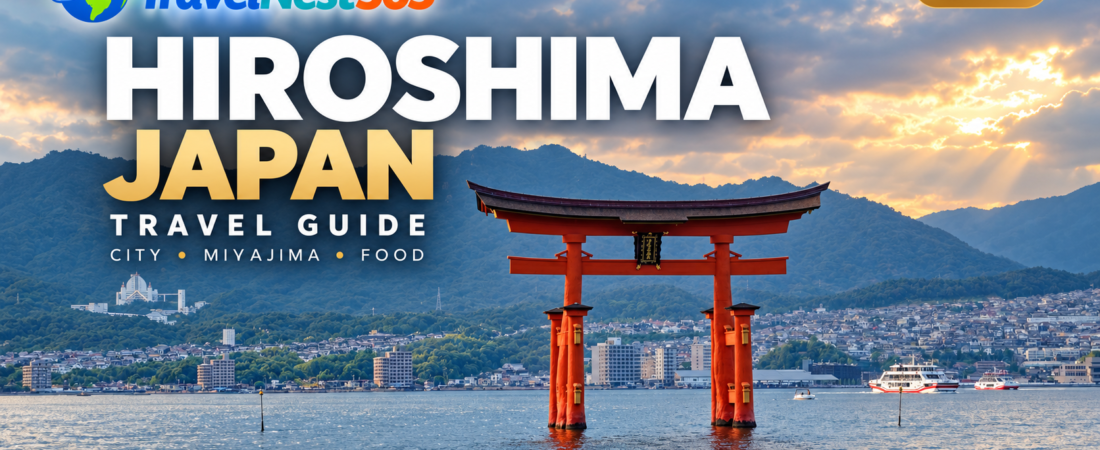
🇯🇵 Hiroshima Travel Guide 2026
Peaceful Gardens, Meaningful History, Miyajima & Local Food
This Hiroshima Travel Guide 2026 connects the city’s essential sights with a full day on Miyajima, thoughtful hotel choices and the meals worth making time for. Hiroshima deserves more than a quick photograph of the A-Bomb Dome. Give its history your attention, then discover the gardens, river walks and everyday food culture that make a longer stay rewarding.
The most useful way to plan is to separate Hiroshima City from Miyajima island. They belong in the same trip, but they are not the same walkable sightseeing district. Two full sightseeing days cover the main experiences; three days and two nights give you a more comfortable arrival, room for changing weather and less pressure around the ferry.
Our pick: three days / two nights, with one day reserved for Miyajima. If you have only one day, prioritize the Peace Memorial area and central Hiroshima instead of forcing both destinations into a rushed checklist.
🎬 Watch Our Hiroshima & Miyajima Short
See the highlights of our two-day Hiroshima and Miyajima route in this quick TravelNest365 video, then use the detailed guide below to plan your trip.
▶ Watch this Short on YouTube · Explore more TravelNest365 travel Shorts
✈️ Quick Travel Information
| Travel Info | Details |
| 📍 Location | Hiroshima City and Miyajima, Hiroshima Prefecture, western Honshu, Japan |
| 🗓️ Recommended Stay | 2 full sightseeing days; ideally 3 days / 2 nights |
| 🚄 Arrival Hub | JR Hiroshima Station for rail arrivals; Hiroshima Airport requires a separate ground transfer |
| 🚶 Getting Around | Walking and Hiroden streetcars in the city; rail or streetcar plus ferry for Miyajima |
| 🌸 Best Time | Spring and autumn for walking; exact blossom and foliage dates vary |
| 🏨 Best Hotel Areas | Hiroshima Station for train connections; Hatchobori/Hondori for dining; Otemachi for the Peace Park |
| 🍱 Local Food | Hiroshima-style okonomiyaki, anago-meshi, oysters and momiji manju |
| 💴 Currency | Japanese yen (JPY); carry some cash alongside cards |
| 🕘 Local Time | Japan Standard Time (UTC+9), one hour ahead of the Philippines |
| ⚠️ Important 2026 Update | Hiroshima Castle’s main keep is closed inside; its exterior remains viewable |
| ⛴️ Miyajima Reminder | Ferry fare and the ¥100 visitor tax are separate costs; check pass inclusions |
Travel facts and linked official notices were checked on 12 September 2026. Venue hours, fares and access can change. Photographs include clearly labelled archival views; they do not establish current room furnishings, menus, weather or construction conditions.
🧭 In This Hiroshima Travel Guide 2026
🕊️ PART 1 — Hiroshima City’s Essential Sights
🕊️ 1. Peace Memorial Park & the A-Bomb Dome
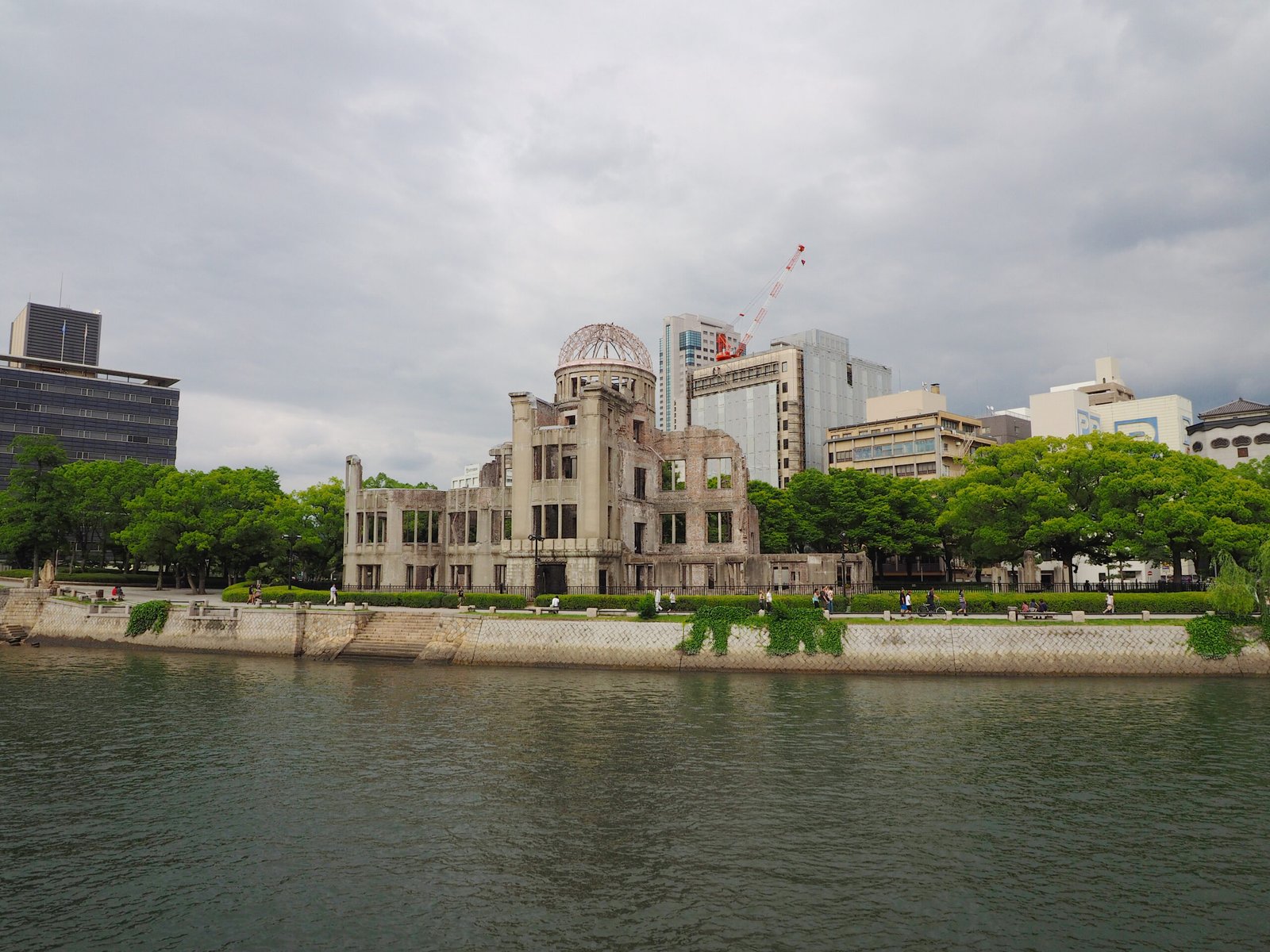
Start with the Peace Memorial area while you have the time and concentration to understand it. The preserved A-Bomb Dome and the monuments in the park are places of remembrance, not just a scenic backdrop. Read the explanations, leave space for other visitors and keep conversation quiet around people paying their respects.
Visit the museum and the park as related experiences, allowing roughly half a day as a planning allowance rather than a fixed tour duration. The museum’s accounts and belongings can be emotionally demanding. A short riverside break afterwards is often more appropriate than immediately moving into another packed activity.
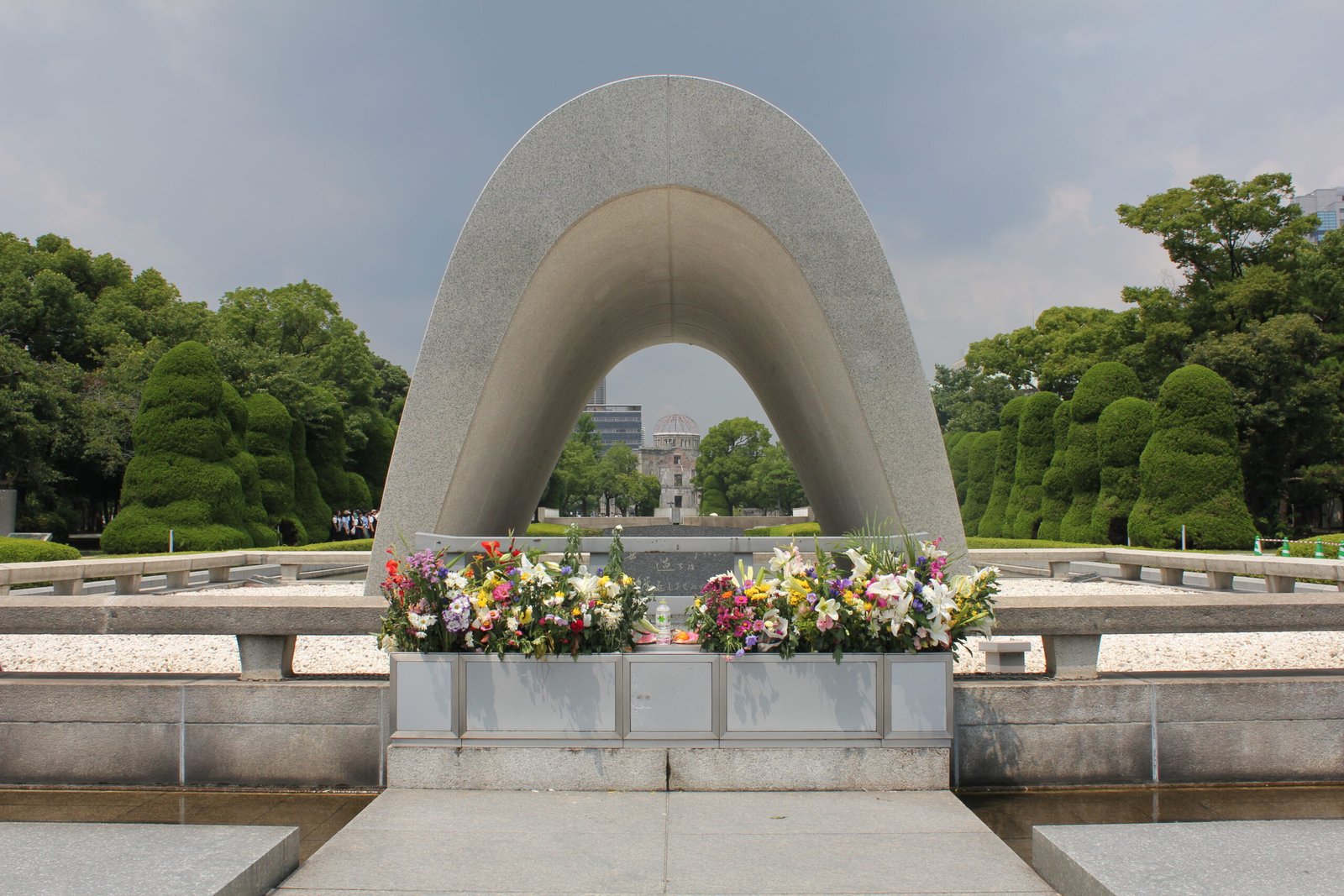
The official 2026 museum notice confirms a regular ¥200 admission ticket and explains the reservation-only arrangements used during 8–16 August 2026. Those August rules are not a blanket year-round rule: check the museum’s current calendar and booking information for your date. Book ahead when required rather than relying on a walk-up queue.
💡 TravelNest365 Tip
With children, decide in advance how much of the museum is appropriate and allow a family member to step outside if needed. Do not block memorial paths for photographs, photograph strangers in mourning or treat the park as a place for staged celebratory content.
🌐 Official Website
📍 Google Maps
🌿 2. Shukkeien Garden — Slow Down Around the Pond
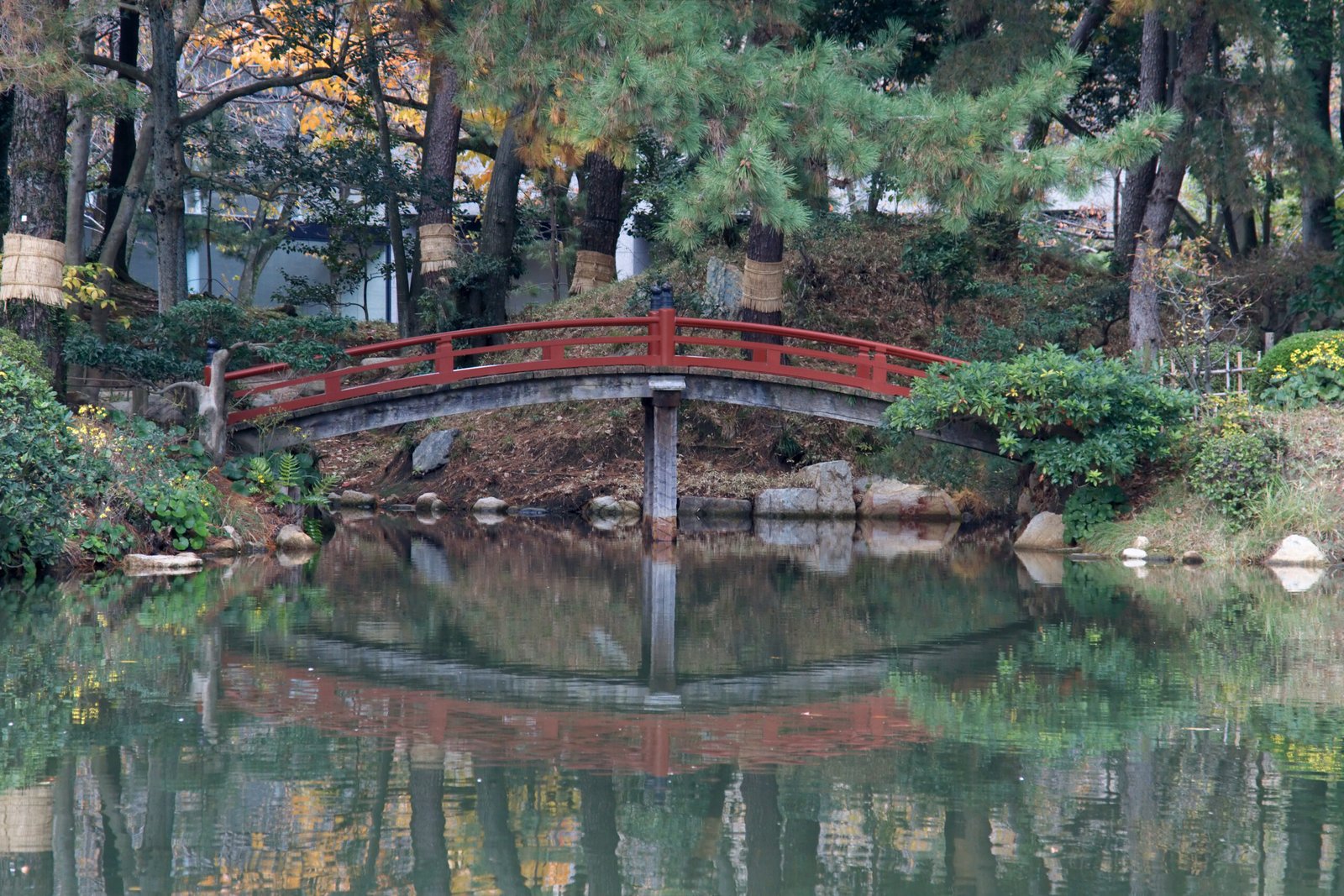
Shukkeien is a good counterpoint to the larger historical sites. Its pond, small bridges and changing viewpoints reward a slow circuit rather than a single photograph from the entrance. Give yourself about 45–75 minutes, longer if you enjoy stopping to sketch or study garden details.
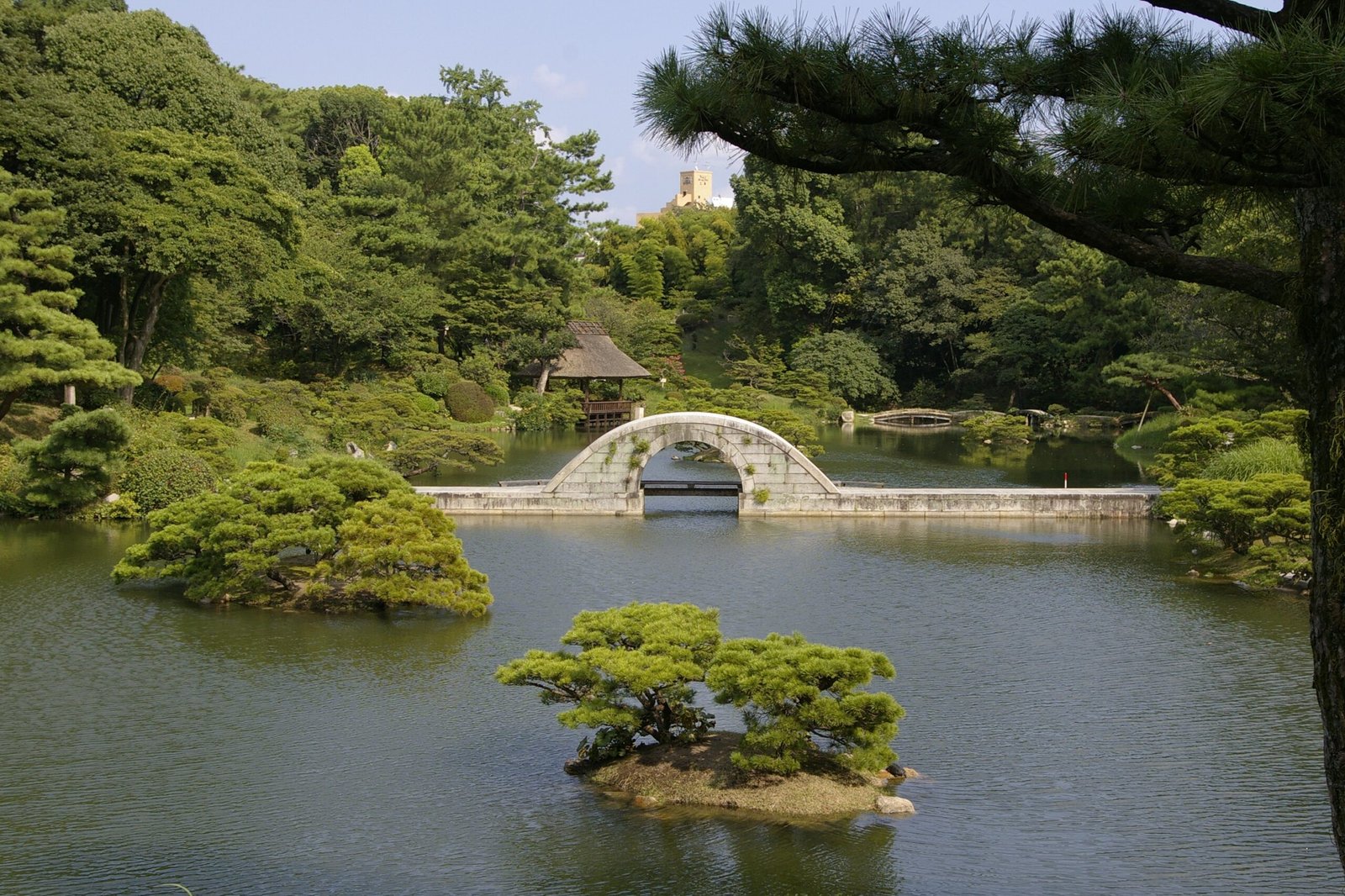
The garden’s current official visitor guide lists ¥350 for adults, ¥150 for university students and free entry for high-school age and younger. Visitors aged 65 or above qualify for free entry with accepted proof of age. Opening hours are 9:00–18:00 from 16 March to 15 September, then 9:00–17:00 from 16 September to 15 March; last admission is 30 minutes before closing. The published year-end closure is 29–31 December.
Do not plan an unrestricted picnic inside the garden. Eating is limited to designated places, and open cups or other containers that cannot close fully are prohibited. Finish your takeaway coffee before entering and check the rules for any special photography arrangement.
🌐 Official Website
📍 Google Maps
📘 Facebook
🏯 3. Hiroshima Castle — Visit the Grounds, Not the Keep Interior
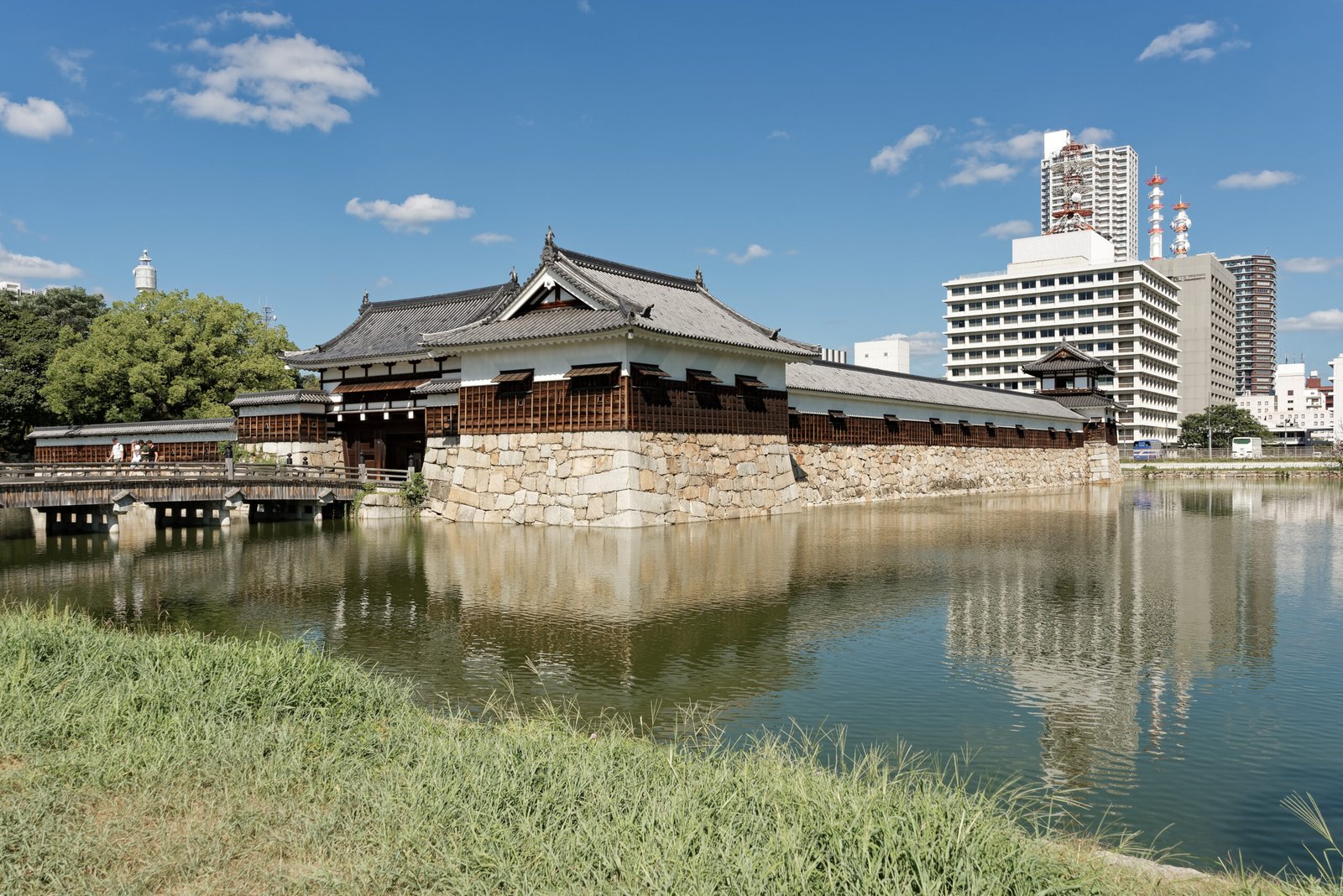
Important: Hiroshima Castle’s main keep ended public interior access on 22 March 2026. The castle’s official closure notice says the building remains and its exterior can still be appreciated. The reconstructed Ninomaru buildings and Sannomaru facilities continue to provide reasons to visit.
Treat this as a walk around the moat and reconstructed defensive buildings, not a tower climb. About 45–60 minutes is a sensible allowance if you are already near Shukkeien or central Hiroshima. Check the individual facilities’ hours, especially late in the afternoon; an open outdoor route does not mean every building is open.
This is one of the most important corrections in our Hiroshima Travel Guide 2026: an attractive castle photograph does not mean the old interior museum or observation floor is operating.
🌐 Official Website
📍 Google Maps
🛍️ 4. Hondori & Central Hiroshima — Leave Time for Everyday Life
Hondori is useful as a practical city stop: browse the covered shopping street, find a meal and connect with the surrounding central neighborhoods. Use it as a flexible afternoon or evening section of your day, particularly when rain changes your outdoor plans. Individual shops keep their own hours, so a covered arcade is not a promise of late-night shopping.
Rather than crossing town for every restaurant on a list, choose a hotel area that puts several good options within an easy walk. Hatchobori, Hondori and nearby streets work well for this. Keep a map saved offline and mark your hotel entrance, not merely the nearest big station.
🌐 Official Website
📍 Google Maps
⛩️ PART 2 — A Full Day on Miyajima
⛴️ 5. The Ferry Crossing — Build It Into Your Day
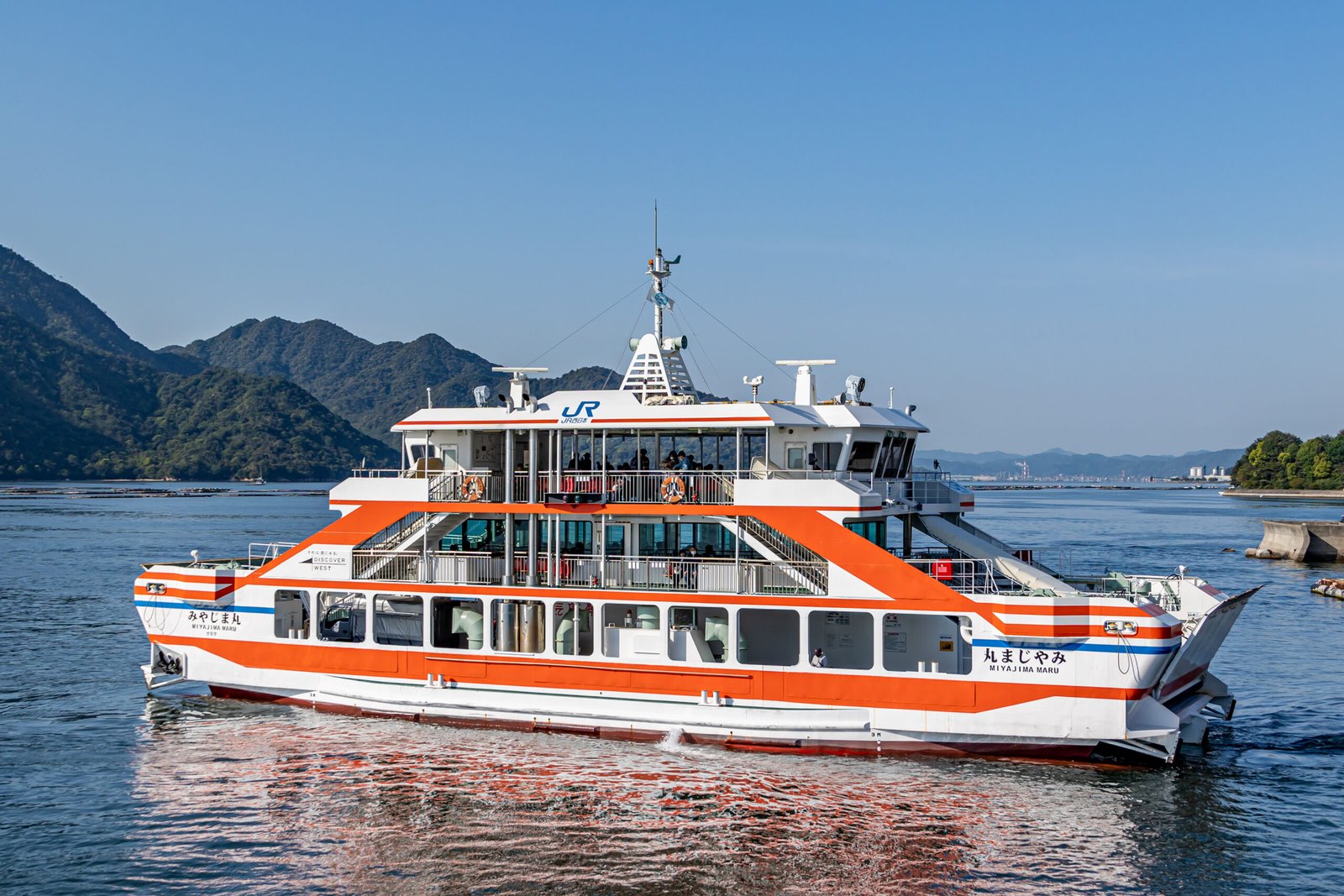
For a straightforward visit, travel to Miyajimaguchi on the mainland, walk to the ferry terminal and cross to Miyajima. Allow for the whole chain: getting from your hotel to the station, the train or streetcar, the terminal walk, waiting and the crossing. Do not measure the journey only by the time on the boat.
The two principal ferry operators have their own tickets and pass arrangements. For a clearly priced example, Miyajima Matsudai Kisen lists adult fares of ¥200 one way or ¥400 return, with the ¥100 Miyajima visitor tax additional when entering the island. Check the terms of your particular rail pass before choosing an operator.
The official visitor-tax guidance explains payment and exemptions. A transport pass is not automatically proof that the tax is included. Keep your return plan simple and check the final boat on your actual day; seasonal evening events are not a reason to guess the last departure.
🌐 Official Website
📍 Google Maps
⛩️ 6. Itsukushima Shrine & the Great Torii
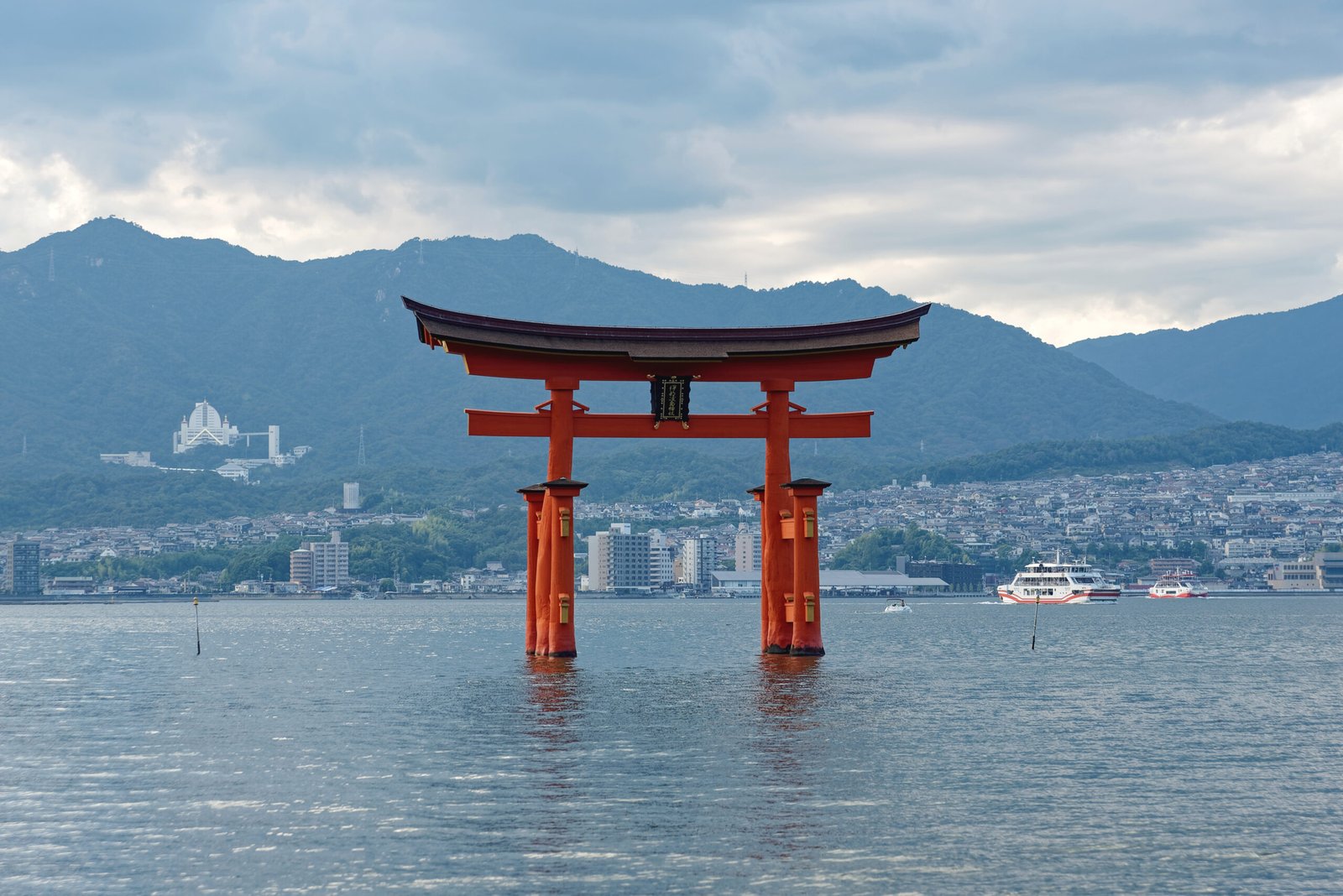
The torii looks different as the tide changes. At higher water it appears surrounded by the sea; at lower water the exposed shoreline changes the setting. Choose the view that interests you, then use the local tide information to shape the order of your day. There is no single permanent ‘floating gate’ appearance.
The shrine itself deserves attention beyond the gate: covered corridors, the relationship between the buildings and water, and views across the bay are the heart of the visit. Follow the entry route and any local restrictions. Keep clear of worshippers and never climb or damage the torii or other structures.
The tourist association’s practical information is a useful starting point for admission and seasonal hours. Its 2026 event listings specify ¥300 shrine admission; special facilities or combined visits may have separate charges. Check what your ticket covers before adding extra stops.
🌐 Official Website
📍 Google Maps
💡 TravelNest365 Tip
Do not schedule both the shrine and the ropeway against tight onward train reservations. In this Hiroshima Travel Guide 2026, the island day deliberately has breathing room: tides, weather, walking speed and queues can all change the sensible order.
🏮 7. Daishoin Temple — A Quieter Change of Pace
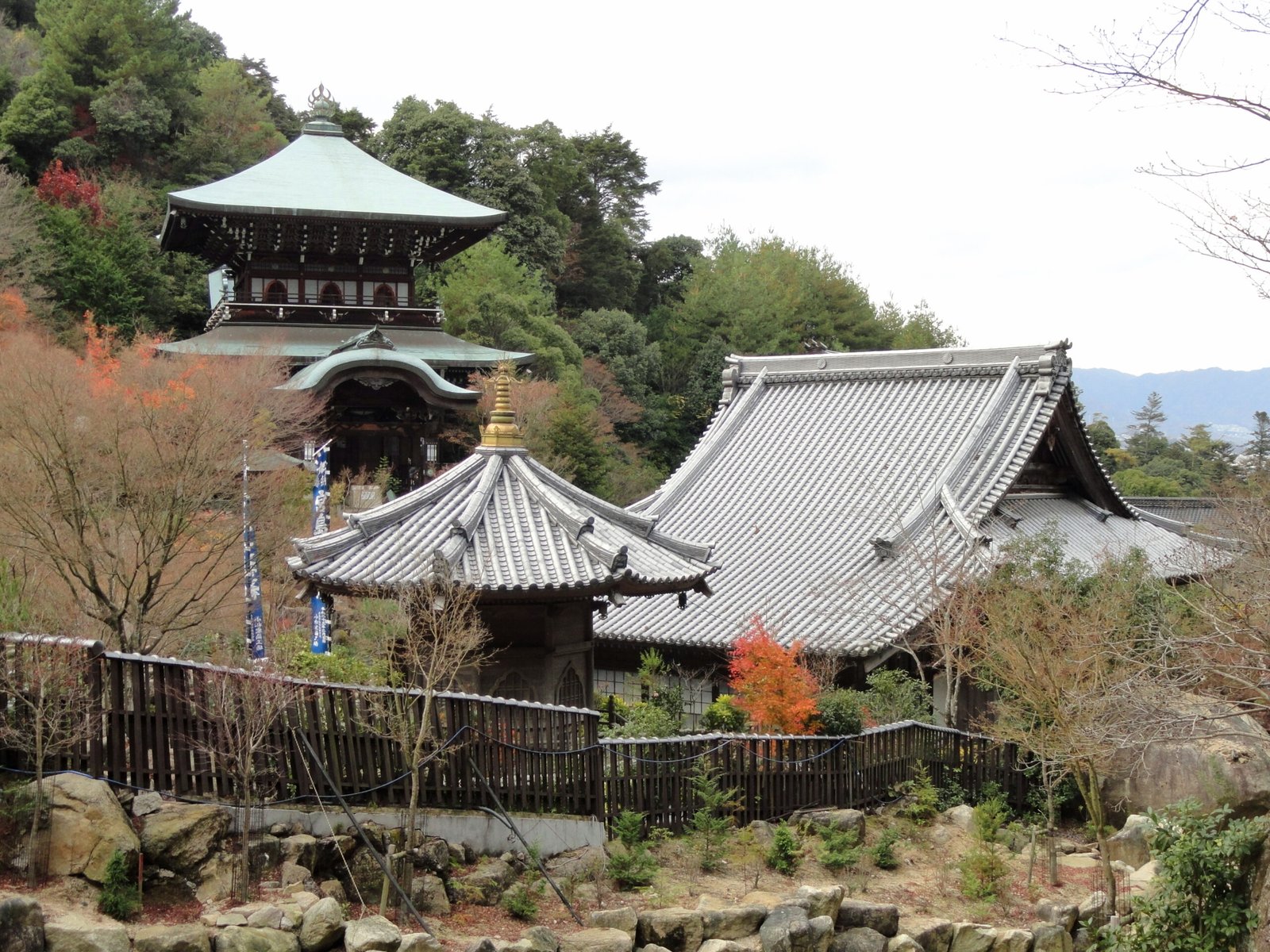
Daishoin offers a different experience from the waterfront. Its hillside setting, temple buildings and paths invite a slower visit. Set aside around 45–60 minutes as a starting allowance and be prepared for stairs. If your group has limited mobility, assess the access route before committing everyone to the climb.
This remains a working religious site. Let ceremonies and worship determine where you can go, and follow signs about photography inside buildings. A good visit is not about collecting every image: take time to notice the atmosphere without getting in the way.
🌐 Official Website
📍 Google Maps
🥾 8. Mount Misen — Add It Only When Conditions Suit
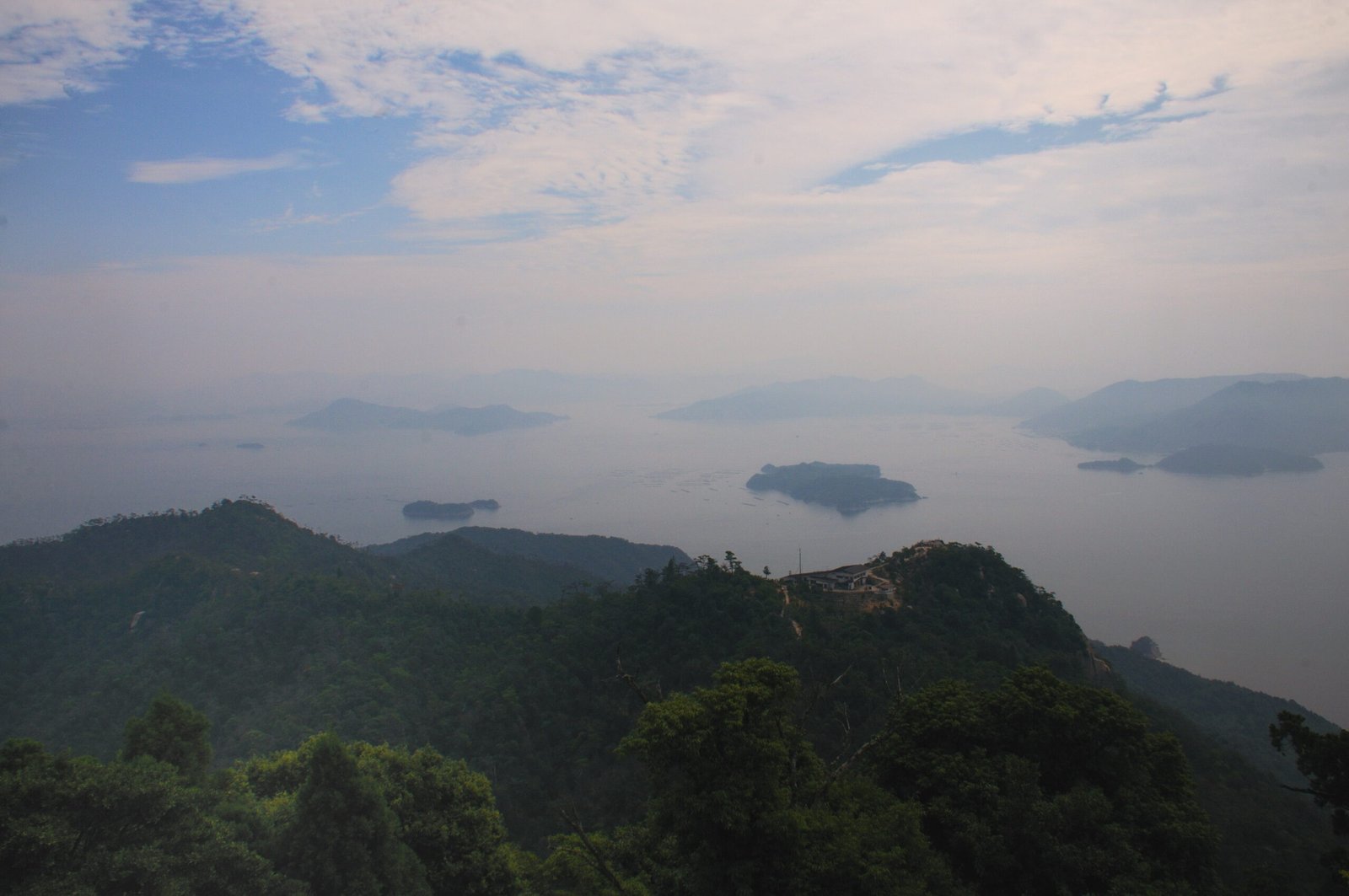
Mount Misen is the optional, more demanding part of the island day. Choose it when the weather is suitable and your group has enough energy. A ropeway ride does not remove all the walking needed to reach the summit. Wear shoes with grip, carry water and allow time to return without rushing.
The ropeway operator currently lists 9:00–16:00 operation, with the final downhill service at 16:30, and an adult return fare of ¥2,000. It advises that a summit visit adds about an hour of return walking beyond the ropeway sightseeing trip. Check the operating notices before setting out: maintenance, weather and other restrictions can suspend service.
For a relaxed first visit, choose either an extended temple-and-waterfront day or a mountain-focused day. Trying to fit every option around long lunch queues is where an enjoyable itinerary becomes unnecessarily tiring.
🌐 Official Website
📍 Google Maps
🏨 PART 3 — Where to Stay, Restaurants & Cafés
🏨 9. Where to Stay in Hiroshima
Choose an area before choosing a room. Hiroshima Station is convenient for early departures and rail-based day trips. Hatchobori and Hondori favor dining and shopping. Otemachi suits travelers who want easy access to the Peace Memorial area. Hotel tiers below describe positioning, not guaranteed nightly rates; compare your exact dates, room size and cancellation terms.
💎 Luxury Hotels & Resorts
Sheraton Grand Hiroshima Hotel
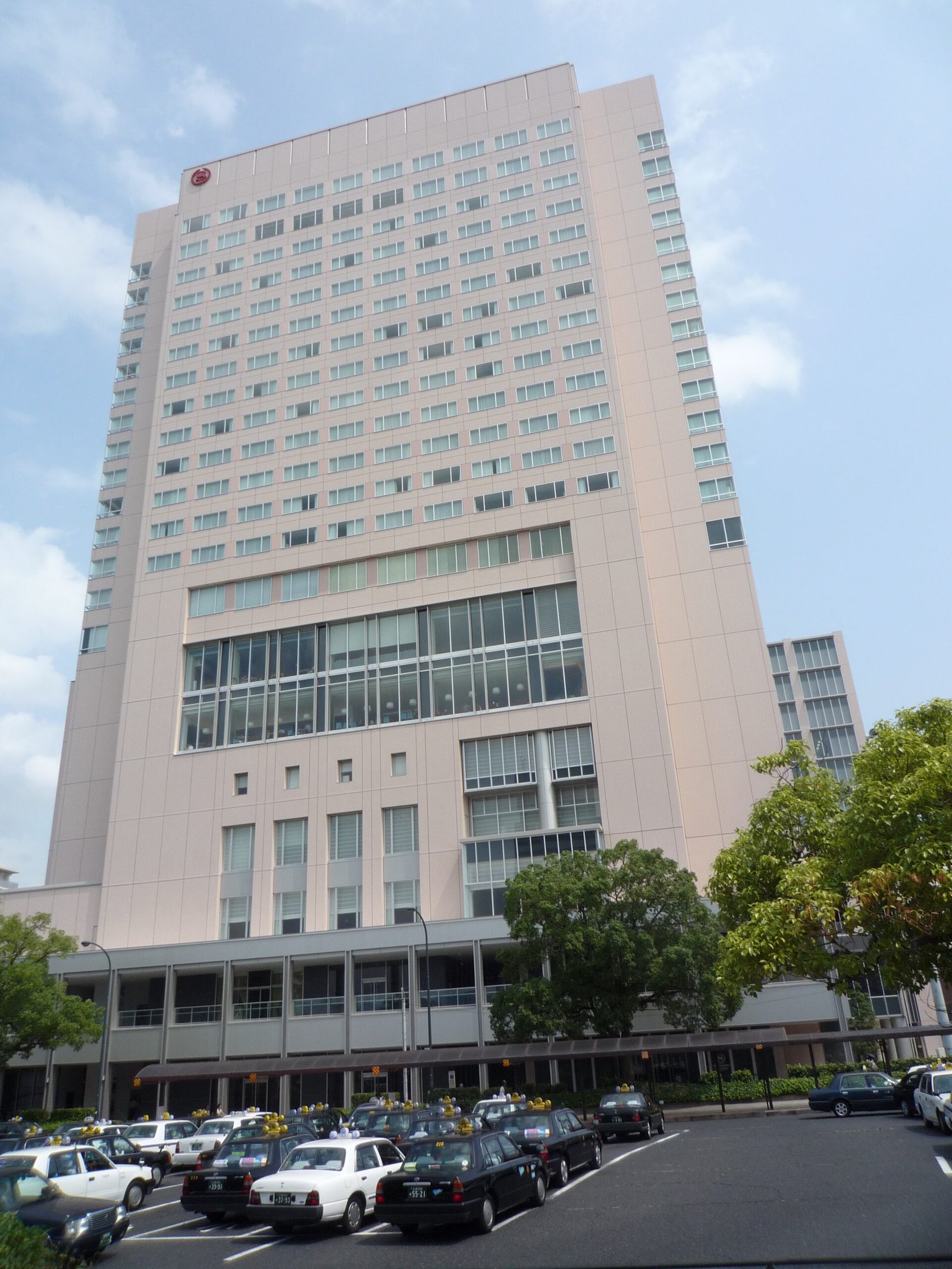
Location: beside JR Hiroshima Station. Why consider it: the hotel’s official page describes a one-minute walk from the station, making it a useful full-service choice when you arrive with luggage or have a morning train. Best for: couples, families and travelers who value a straightforward rail connection.
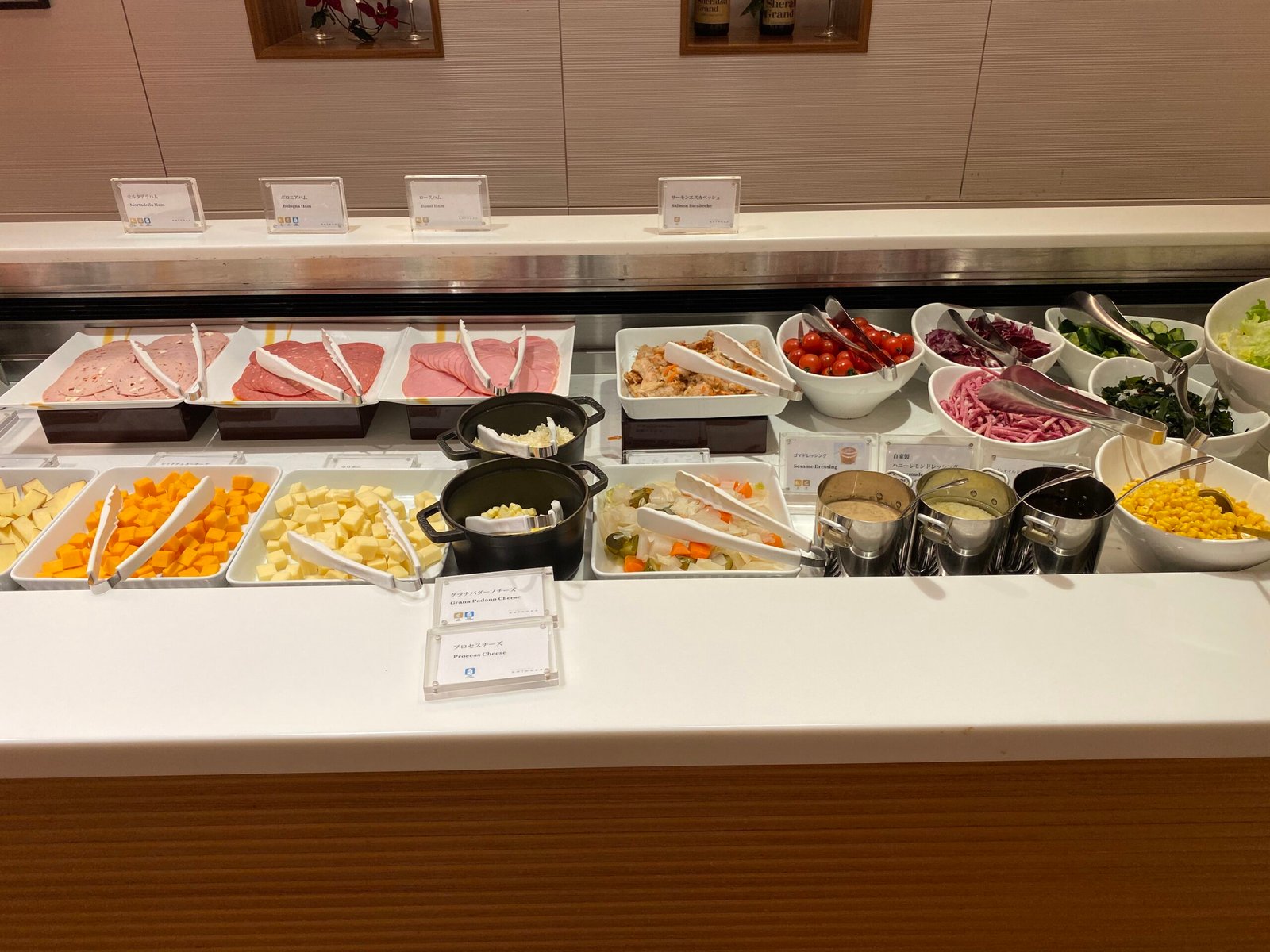
Compare the room category and package carefully. Breakfast, lounge entry, pool use and other facilities should be checked against the rate you are actually booking, not assumed from photographs or the hotel’s brand.
🌐 Official Website
📍 Google Maps
RIHGA Royal Hotel Hiroshima
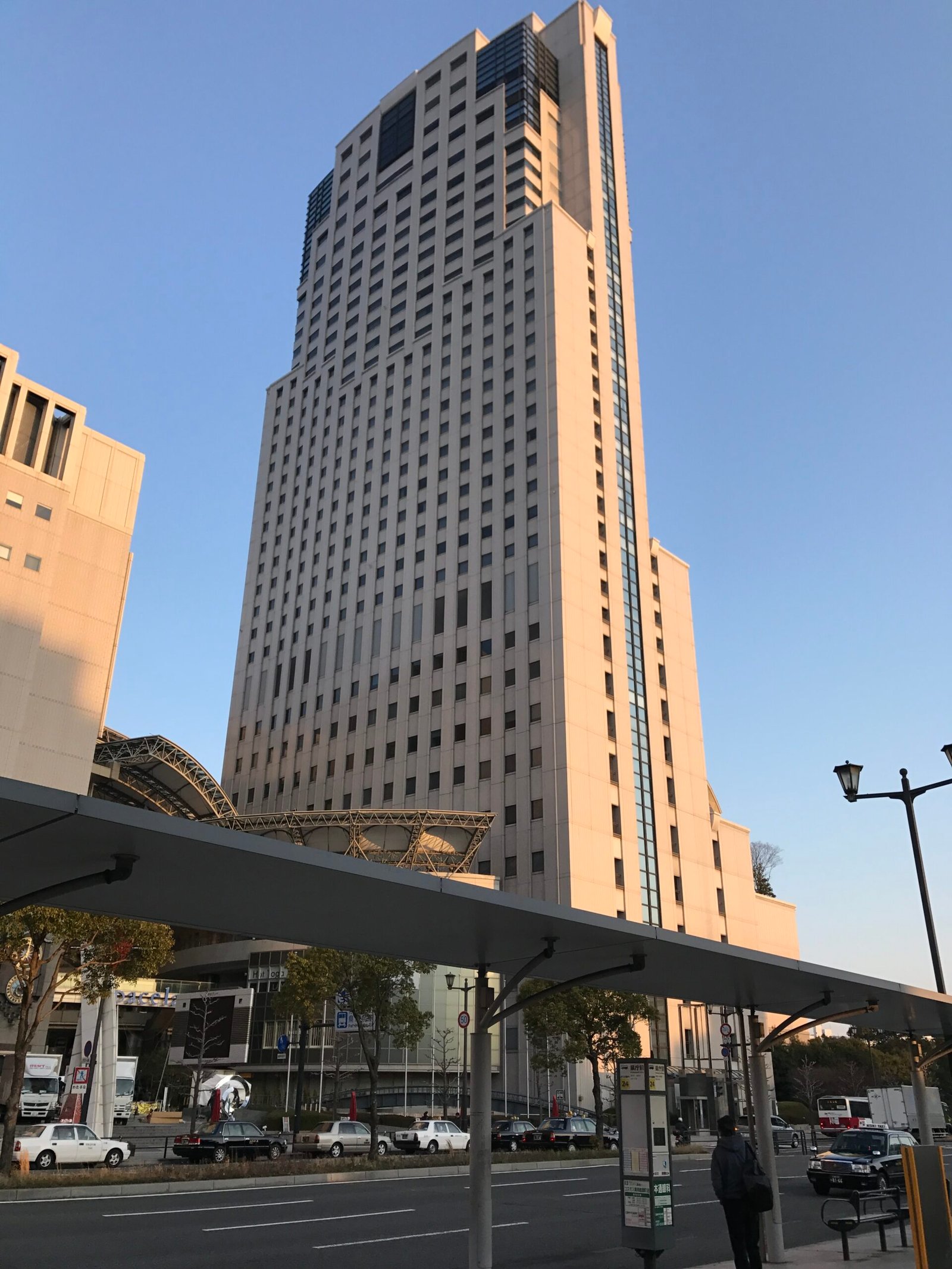
Location: Motomachi, in the central city. Why consider it: a large established hotel that suits a city-focused stay around the castle, shopping and the Peace Memorial area. Best for: travelers who prefer a central sightseeing base over staying immediately beside the Shinkansen.
Choose your room on the basis of the confirmed view and category. A high-rise hotel does not mean every room faces the same landmark. Allow extra time for the transfer back to Hiroshima Station on departure day.
🌐 Official Website
📍 Google Maps
⭐ Mid-Range Hotels
Hiroshima Washington Hotel
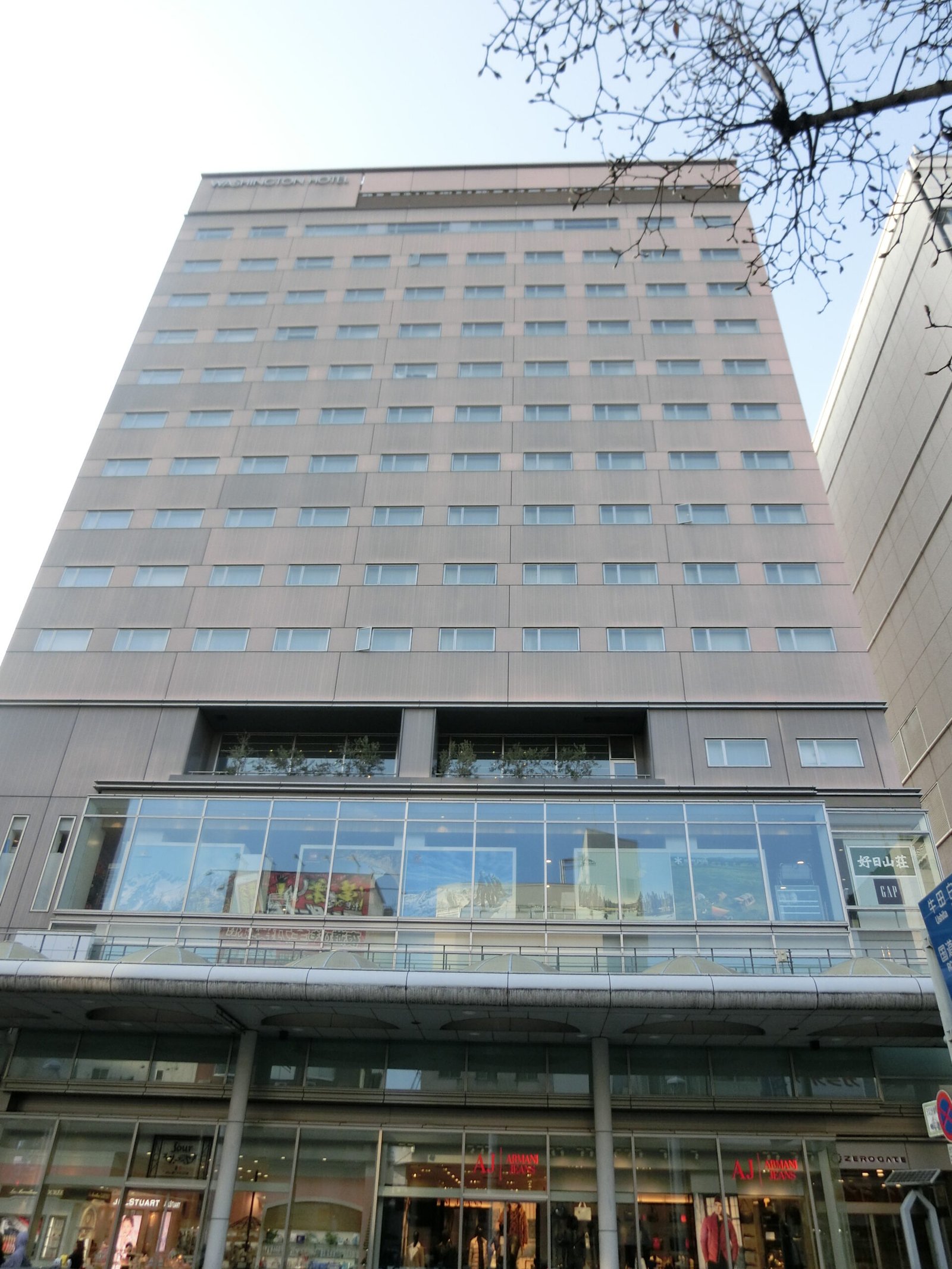
Location: Shintenchi, near Hatchobori and central shopping streets. Why consider it: a practical base for travelers who want dinner and shops nearby after sightseeing. Best for: couples and independent travelers who prefer a conventional hotel room without making the station their main reference point.
Check bed width, room size and whether breakfast is included. If you are sensitive to city noise, ask the hotel about a suitable room rather than assuming every central property offers the same sleeping environment.
🌐 Official Website
📍 Google Maps
💰 Budget-Friendly Hotels
Comfort Hotel Hiroshima Otemachi
Location: Otemachi, close to the Peace Memorial area and streetcar access. Why consider it: the official property page advertises complimentary breakfast, non-smoking rooms and Wi-Fi. Best for: budget-conscious visitors who prioritize location and a simple morning routine.
A compact room can work well when most of the day is spent outside. Still, compare the space needed for your luggage and check the child-sharing-bed policy directly if travelling as a family. ‘Budget-friendly’ is a relative category, not a promise of a low price on busy dates.
🌐 Official Website
📍 Google Maps
💡 TravelNest365 Hotel Tip
For the itinerary in this Hiroshima Travel Guide 2026, stay in one Hiroshima hotel for both nights unless sleeping on Miyajima is a specific priority. Avoiding a hotel change makes the island day easier and keeps luggage away from crowded ferries and narrow walking routes.
🍱 10. Restaurants & Local Food
🥢 Nagata-ya — Hiroshima-Style Okonomiyaki
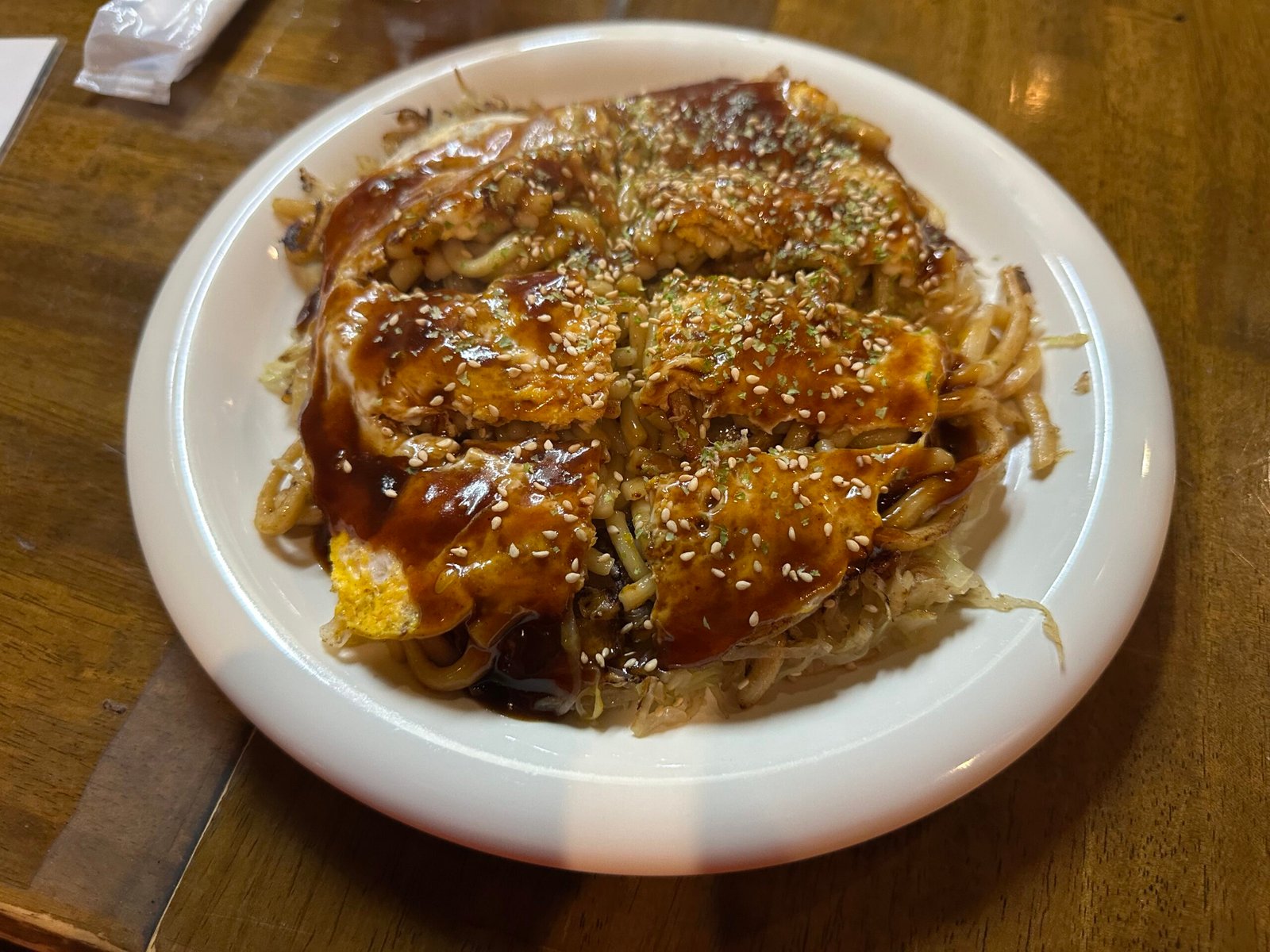
Hiroshima-style okonomiyaki is a layered meal, commonly combining cabbage, noodles, egg and other ingredients on a hot griddle. Nagata-ya is a useful restaurant to consider around the Peace Park and Hondori side of the city. Its English menu lists standard okonomiyaki and vegetarian options.
Signature choice: a noodle-filled Hiroshima-style okonomiyaki suited to your preferences. Best for: a substantial lunch or dinner during a central-city day. Vegetarian listings do not automatically resolve every allergy or dietary restriction: confirm stock, sauce, toppings and shared cooking surfaces with staff.
🌐 Official Website
📍 Google Maps
🍚 Anagomeshi Ueno — Conger Eel Rice at Miyajimaguchi
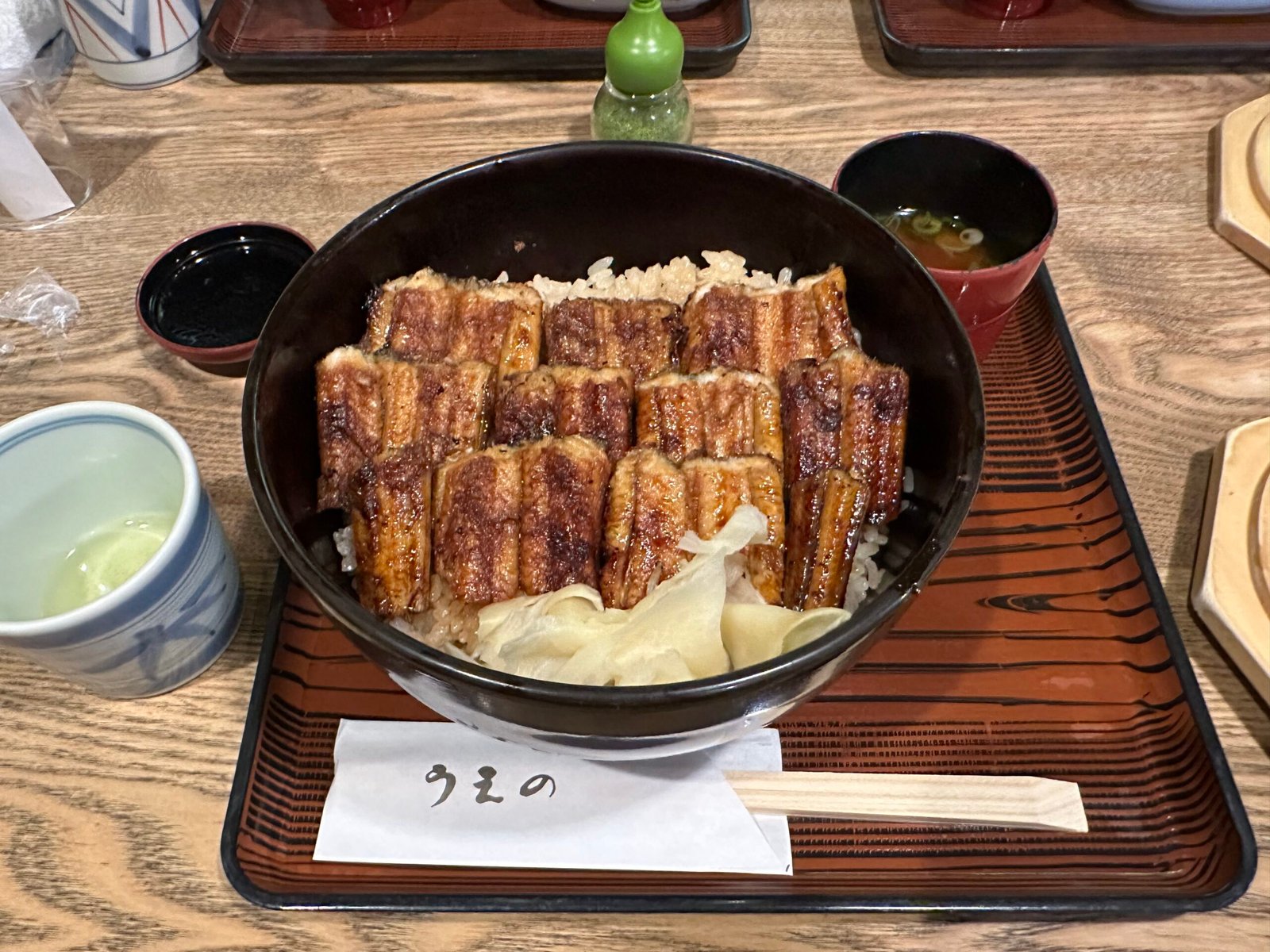
Ueno’s Miyajimaguchi main location fits naturally before or after your ferry crossing. Its specialty is anago-meshi: conger eel arranged over seasoned rice. Anago is not the same fish as unagi, so this is a good chance to try a distinct local specialty.
The official site lists the dining room from 10:00 and boxed lunches from 9:00, normally until 19:00, with an 18:00 Wednesday finish and earlier closure if sold out. The first-floor dining room does not accept meal reservations; bento reservations are a separate arrangement and do not guarantee immediate collection during busy periods.
🌐 Official Website
📍 Google Maps
🦪 Oysters & Momiji Manju — Keep Room for Island Snacks
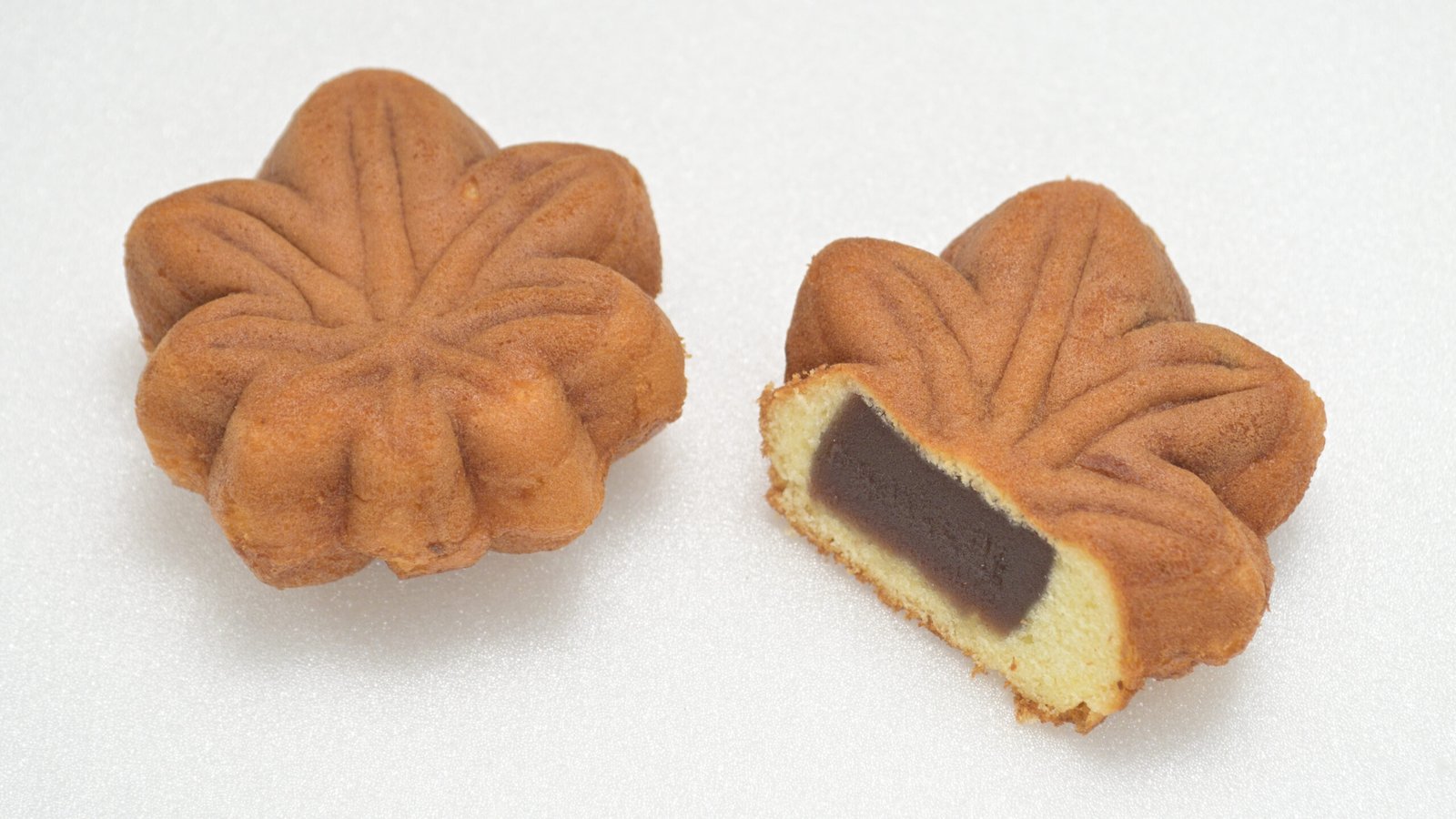
Miyajima’s food stops give you another reason not to hurry back immediately after the shrine. Look for oyster dishes where available and try momiji manju, small maple-leaf-shaped cakes with a variety of fillings. Check what is freshly available and buy modest portions if you also want a full lunch.
Use the tourist association’s food listings to identify actual island venues. Do not assume every stall opens into the evening or that a photograph shows the current portion. Follow the shop’s guidance about where to eat, and keep wrappers and bags away from deer.
🌐 Official Website
📍 Google Maps
☕ 11. Cafés & a Proper Break
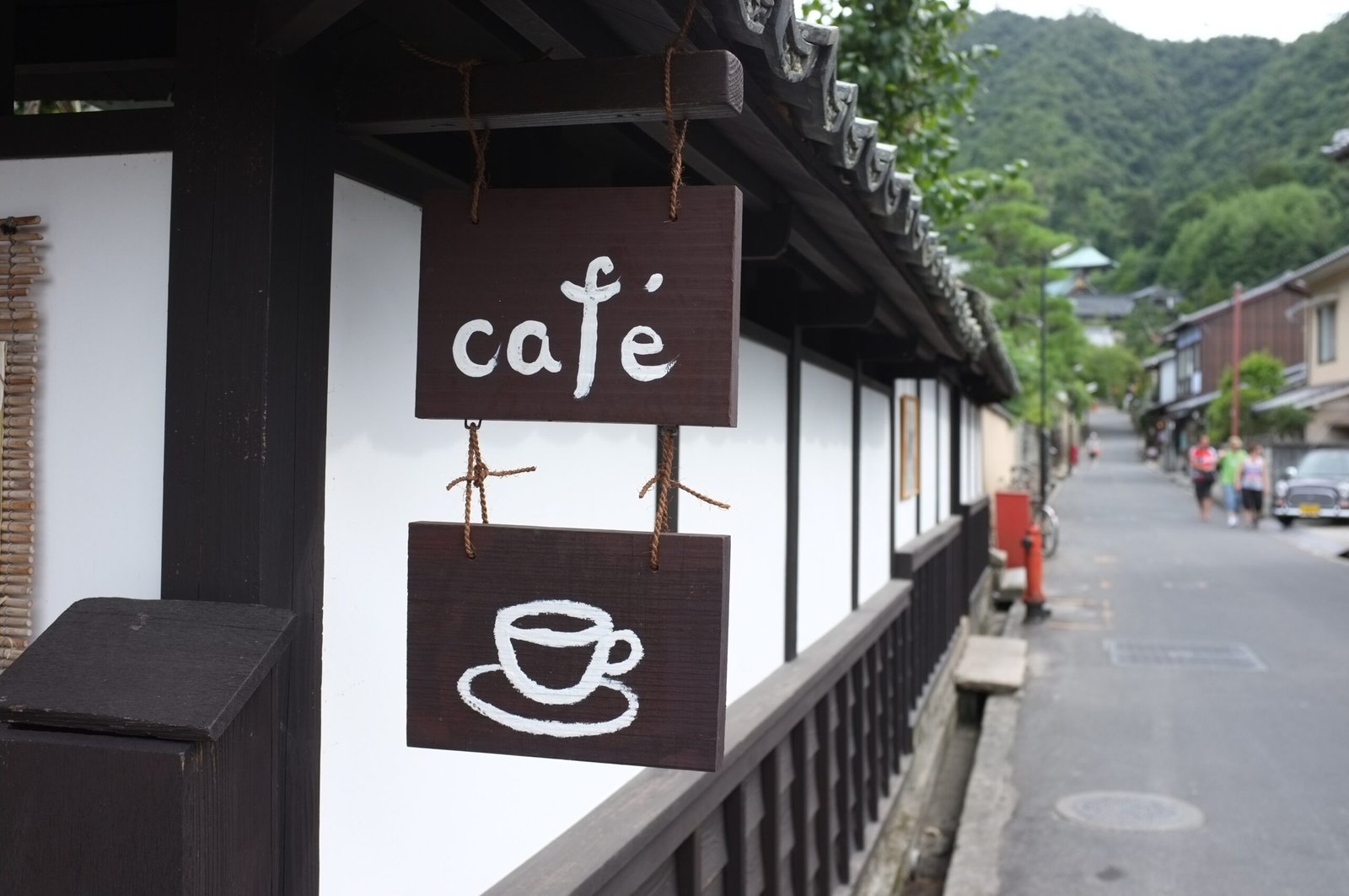
OBSCURA COFFEE ROASTERS — A Central-City Coffee Stop
OBSCURA’s official shop directory lists Hiroshima branches including Fukuromachi and Hondori. Choose the branch that fits your walking route, rather than crossing the city just to tick off a café. Ask about the day’s coffee selection and the style you prefer.
Try: a coffee selected by roast or flavor preference. Best for: a planned break between shopping and sightseeing, or a bag of beans to take home. Check each branch’s current hours and seating arrangements; the different shop formats are not interchangeable.
🌐 Official Website
📍 Google Maps
Akushu Cafe — Convenient to the Peace Memorial Area
Akushu Cafe is associated with Hiroshima Orizuru Tower and is a practical option to check when you want a break near the Peace Memorial area. Verify whether you are choosing the ground-floor café or a rooftop experience, since access and operating arrangements differ.
Best for: resting without a long detour. Choose from the current drinks and light-food menu rather than treating an old social-media photo as a guaranteed order. A café stop is separate from booking the observation deck.
🌐 Official Website
📍 Google Maps
🗺️ PART 4 — Itineraries & Practical Travel Tips
🚆 12. Arriving & Getting Around
Use Hiroshima Station as your rail reference point and check a current journey planner for your actual starting station and train. Travelers arriving from Osaka or Kyoto should compare individual tickets with any pass they are considering; the right answer depends on the whole itinerary, service restrictions and seat reservations.
For flights, check Hiroshima Airport’s current ground-transport information and allow a buffer for the road transfer. The airport is not a walkable extension of Hiroshima Station. Leave more margin when connecting to an international departure or travelling during busy holiday periods.
Hiroden’s official streetcar fare page lists a flat fare of ¥240 for adults and ¥120 for children. Its examples include Hiroshima Station to Genbaku Dome-mae and Genbaku Dome-mae to Hiroden-miyajima-guchi. Check the current route map rather than relying on an older station-platform photograph.
For each day, group nearby sights and limit backtracking. A small amount of route planning often saves more effort than buying a pass for journeys you never take. Check which transport card or ticket your chosen service accepts and keep enough cash for small purchases.
🗓️ A One-Day Hiroshima Itinerary
Morning: visit the Peace Memorial Museum and park with enough time to read and reflect. Lunch: choose an okonomiyaki restaurant around the central city. Afternoon: select Shukkeien or the castle grounds according to your energy and the weather. Evening: dinner and a short walk around Hondori before returning to your hotel or train.
This city-only route is the better choice if you arrive late, travel with young children or have a fixed evening departure. Skip the urge to add Miyajima simply because a map makes the region look compact.
🌙 A Two-Day Hiroshima & Miyajima Itinerary
Day 1 — Hiroshima City: Peace Memorial area, lunch, Shukkeien and a short central-city evening. Add the castle grounds only if opening hours and energy permit.
Day 2 — Miyajima: travel to Miyajimaguchi, cross by ferry and arrange the shrine visit around the tide. After lunch, choose Daishoin and the waterfront, or a longer Mount Misen outing if conditions are suitable. Return with a comfortable margin before the last ferry and your onward train.
⭐ Our Three-Day / Two-Night Pick
Day 1 — Arrive and settle: leave luggage at your hotel according to its policy, visit Shukkeien or the castle grounds, then enjoy a central-city dinner. Keep this day light if you have travelled far.
Day 2 — Give Miyajima its own day: take an early, unhurried start, visit the shrine and your chosen temple or mountain route, then return to the same Hiroshima hotel. If rough weather is forecast, swap the island day with Day 3 where your departure time allows.
Day 3 — History and departure: reserve the main morning for the Peace Memorial Museum and park, allow a quiet break afterwards, then collect luggage and leave. If the museum is your highest priority, move it to Day 1 or Day 2 so it is not constrained by your final train.
💴 13. Budget Planning Without Guesswork
| Item | Verified planning reference |
| Hiroden streetcar | ¥240 adult / ¥120 child flat fare |
| Shukkeien garden | ¥350 general adult admission; eligibility-based concessions apply |
| Matsudai ferry | ¥400 adult return, plus ¥100 visitor tax on entry |
| Miyajima Ropeway | ¥2,000 adult return if you choose the mountain option |
| Hotels and meals | Check live quotes and menus for your dates; no guaranteed nightly rate is assumed |
Build your own total from the experiences you will actually use. Add intercity trains, airport transfers, museum and shrine tickets, meals and accommodation separately. An optional ropeway ride and several sit-down meals change the budget far more than a small difference in one local tram fare.
For hotels, compare the final amount after taxes and extras, not only the first headline rate. A slightly higher room price with breakfast or a useful location may be better value for your trip, but only if you would otherwise pay for those benefits.
🎒 14. Practical Tips & Etiquette
Keep the island flexible: check weather, tides and the last ferry; choose an easier route if mountain conditions are unsuitable. Do not feed or touch Miyajima’s deer, and protect your food, paper tickets and bags.
Pack for walking: comfortable shoes, a refillable bottle, sun or rain protection and a charged phone are more useful than an overloaded day bag. Keep luggage out of the island excursion when possible.
Check access needs directly: garden paths, temple stairs and the walk beyond the ropeway have different demands. A destination described as easy to reach is not necessarily step-free throughout.
Respect the setting: keep memorial visits quiet, follow religious-site rules, queue patiently and ask before photographing people or shop interiors. English menus help, but a saved translation of a dietary requirement is also useful.
🌸 15. Best Time to Visit Hiroshima
Spring and autumn are practical starting points for a walking-focused trip, but neither guarantees clear skies or an exact seasonal display. Check the weather close to departure and avoid promising yourself a particular blossom or foliage date.
Summer can mean hot, humid walking conditions, so reduce the midday load and add indoor breaks. Winter brings shorter sightseeing days and can suit a slower city-and-food visit. Across all seasons, align your plans with the published venue calendar rather than general seasonal assumptions.
✨ Hiroshima Travel Guide 2026 — Final Thoughts
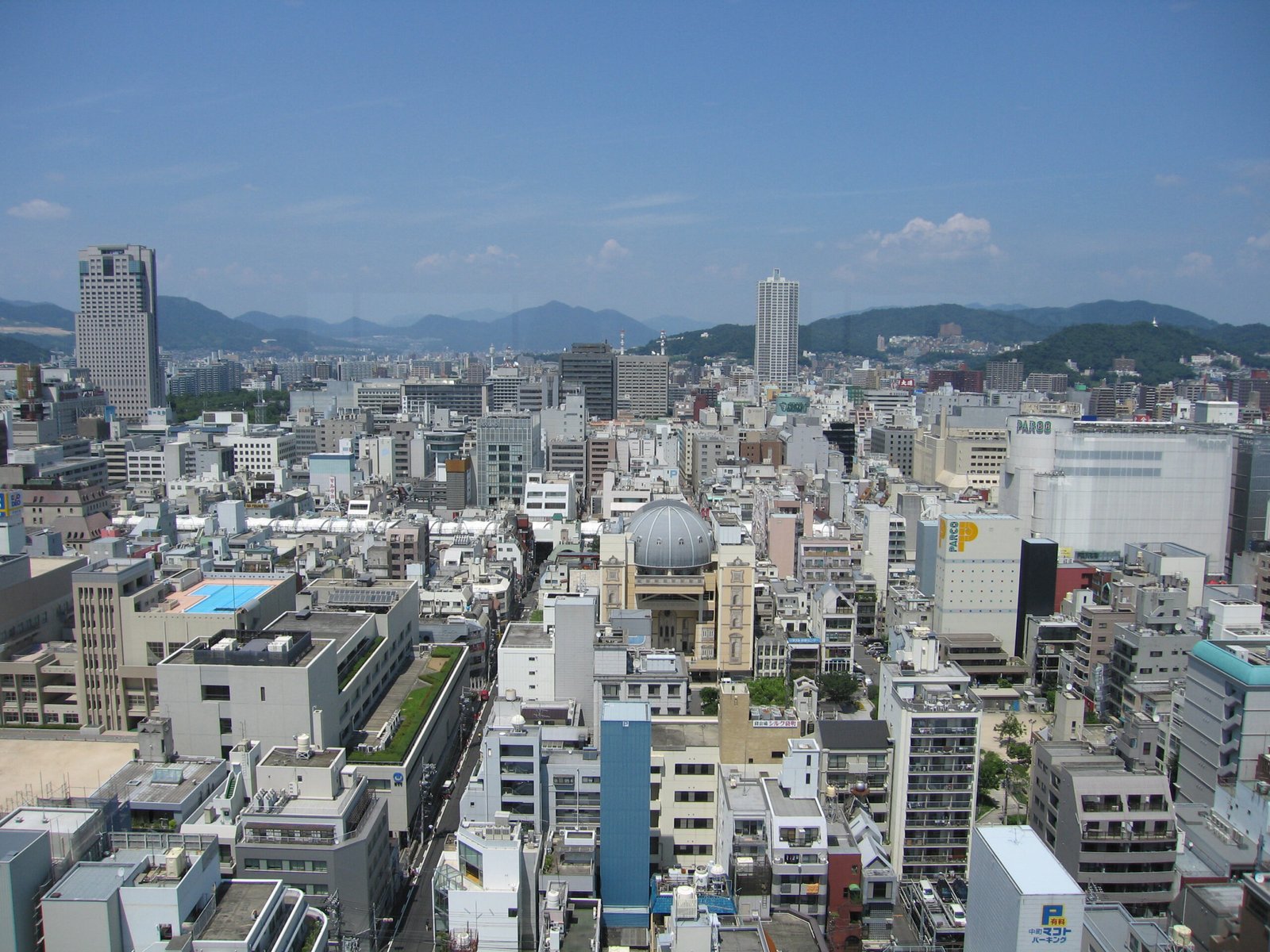
The strongest Hiroshima itinerary leaves room for both remembrance and ordinary life: a careful museum visit, a quiet garden circuit, a good meal and a day beside the sea. You do not need to complete every attraction to have a meaningful trip.
Use this Hiroshima Travel Guide 2026 to build a route around your time and interests, then recheck the official links before travelling. For most first visits, one comfortable hotel base and a separate Miyajima day offer the clearest starting point.
🌐 External Links
Hiroshima official tourism guide
Hiroshima Peace Memorial Museum
Official museum 2026 booking notice
Hiroshima Castle: keep closure notice
Shukkeien: current fees and hours
Hiroden transport information
Miyajima Tourist Association
Matsudai ferry fares
Miyajima visitor tax
Miyajima Ropeway fares and hours
🔗 For More Japan Travel Guides
⦿ Nara Travel Guide 2026 — Deer, Temples & Local Food
⦿ Kanazawa Travel Guide 2026 — Gardens, Samurai Streets & Food
⦿ Kyoto Travel Guide 2026 — Temples, Hotels & Travel Tips
⦿ Osaka Travel Guide 2026 — City Sights & Food
📸 Photo Credits
Each numbered photograph links to its Wikimedia Commons source and license. CC BY and CC BY-SA photographs are reused under their stated commercial-use-compatible terms; public-domain and CC0 images are identified individually. Photos are resized for display without deliberate cropping. Archival hotel and food images do not promise current facilities, inclusions or servings. The original photographers do not endorse this guide.
Featured-image background: Jakub Hałun, Itsukushima-jinja torii, 16 August 2024, CC BY 4.0. TravelNest365 cover adaptation adds branding and typography and uses AI-assisted reframing, color and sky adjustments; it is an edited cover illustration based on a real destination photograph, not an unaltered documentary image.