
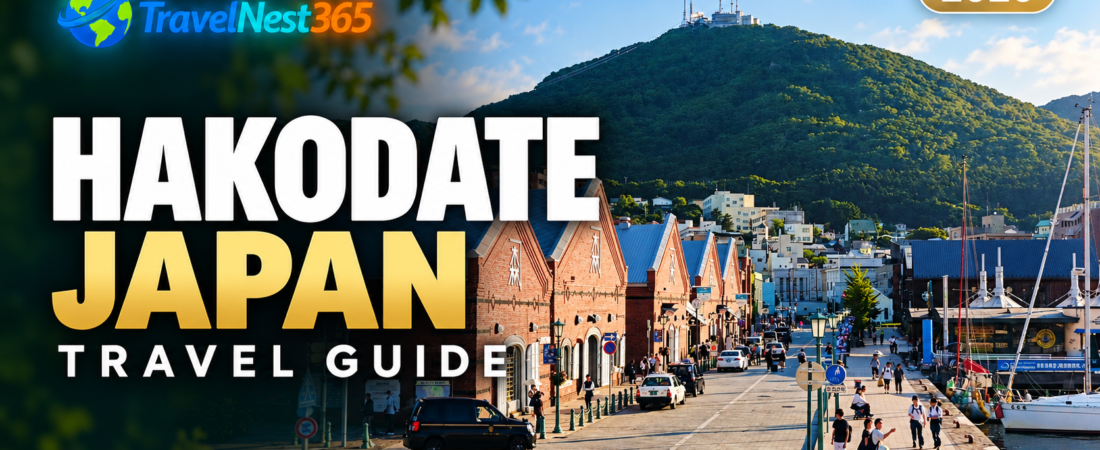
🇯🇵 HAKODATE · HOKKAIDO, JAPAN
🌊 Night views, red-brick history and Hokkaido comfort food
This Hakodate travel guide is built for travellers who want a beautiful Japanese city without the pace of Tokyo or Osaka. Southern Hokkaido’s port city combines a famous mountain panorama, a star-shaped fort, walkable historic streets, a lively morning market and one of Japan’s easiest urban hot-spring districts.
Three full days give Hakodate room to breathe. This guide groups the major sights by area, compares hotels across three practical budget tiers, recommends specific dishes and cafés, and adds an optional Onuma day trip. It is independently researched and does not claim personal visits.
Travel details were checked against official sources on September 16, 2026; ropeway notices, Goryokaku information and the Starbucks branch link were rechecked on September 25, 2026. Admission, operating hours, transport and menus can change, so confirm the linked operator before booking. Archival and illustrative photographs are labelled individually.
🌏 PART 1 — Hakodate Travel Guide: Getting Oriented
📋 Quick Travel Information
| Destination | Hakodate, southern Hokkaido, Japan |
|---|---|
| Recommended stay | 3 full days; add a fourth for Onuma if nature and slower travel are priorities |
| Air gateway | Hakodate Airport (HKD), with buses and taxis to the station and Yunokawa areas |
| Rail gateway | Hokkaido Shinkansen to Shin-Hakodate-Hokuto, then a connecting local train to Hakodate Station |
| Best bases | Hakodate Station for transport and the market; Bay Area for atmosphere; Yunokawa for onsen time |
| Getting around | City tram plus walking; buses or taxis fill the gaps. A rental car is unnecessary for this core itinerary. |
| Time zone | Japan Standard Time, UTC+9 — one hour ahead of the Philippines |
| Currency | Japanese yen (JPY). Carry some cash for market stalls and smaller businesses. |
| Food shortlist | Shio ramen, squid and seafood, Lucky Pierrot’s Chinese Chicken Burger, and yakitori bento |
| Weather note | Coastal wind can make viewpoints cooler than central streets; pack a layer even on a mild day |
Jump to sights · Hotels, restaurants & cafés · Itinerary & practical tips
✈️ Arriving by air or rail
Hakodate Airport is unusually close to the city. Airport buses serve Hakodate Station and Yunokawa, but the exact timetable changes, so compare the next departure with a taxi rather than relying on an old screenshot. Yunokawa is the simplest first stop if your accommodation is in the onsen district; Hakodate Station is the most useful hub for the morning market, trams and onward rail.
The Hokkaido Shinkansen does not terminate at central Hakodate Station. It reaches Shin-Hakodate-Hokuto, where passengers transfer to a connecting train. Build transfer time into the plan, especially with luggage. JR’s official timetable is the source to use for a dated journey; a generic “Tokyo to Hakodate” estimate can hide the transfer.
🔗 Official Website → Google Maps
Rail planning: JR Hokkaido official English website.
🗓️ When to visit
Late spring through autumn makes this itinerary easiest: slopes are comfortable to walk, trams keep the city simple, and the bay area works well into the evening. Cherry blossoms often draw attention to Goryokaku, but seasonal timing varies each year. Treat blossom photographs as inspiration, not a guarantee for a fixed travel week.
Winter adds snow, clearer-looking night scenes on some days and the famous macaques using hot-spring water at the Tropical Botanical Garden. It also means ice, wind and shorter comfortable walking blocks. Wear footwear with traction and leave more time between the Motomachi slopes. The monkeys’ bathing behaviour and outdoor conditions are seasonal, so confirm current information rather than planning around a photograph alone.
🔗 Official Website → Google Maps
📍 PART 2 — 9 Essential Places in Hakodate
🌃 1. Mount Hakodate Night View
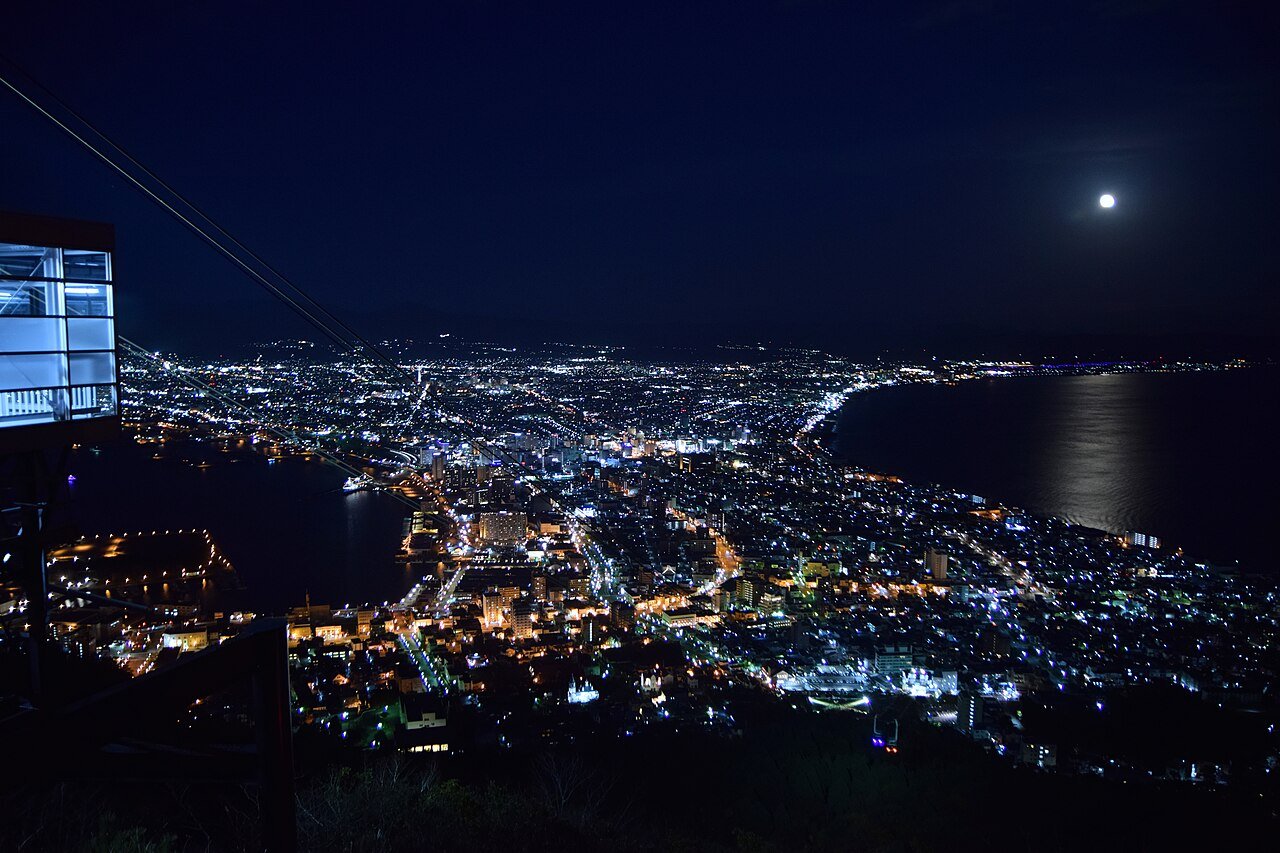
Mount Hakodate gives the city its signature shape: lights narrowing between two dark stretches of water. The ropeway is the classic route, but visibility matters more than a rigid timetable. Check the summit camera and weather, then move this outing to the clearest evening of your stay.
How to plan it: arrive before full darkness if you want to see the city change from daylight to blue hour. Leave extra time for queues and confirm the final descent. The summit is colder and windier than the bay below. If the ropeway is suspended, use the operator’s current access notice rather than improvising with restricted roads.
Autumn 2026 closure: the ropeway is scheduled to suspend service from October 20 through November 8 for statutory maintenance. Do not plan a ropeway ride during these dates; consult the official maintenance notice for summit facilities and alternative access planning.
🔗 Official Website → Google Maps
⭐ 2. Goryokaku Park & Tower
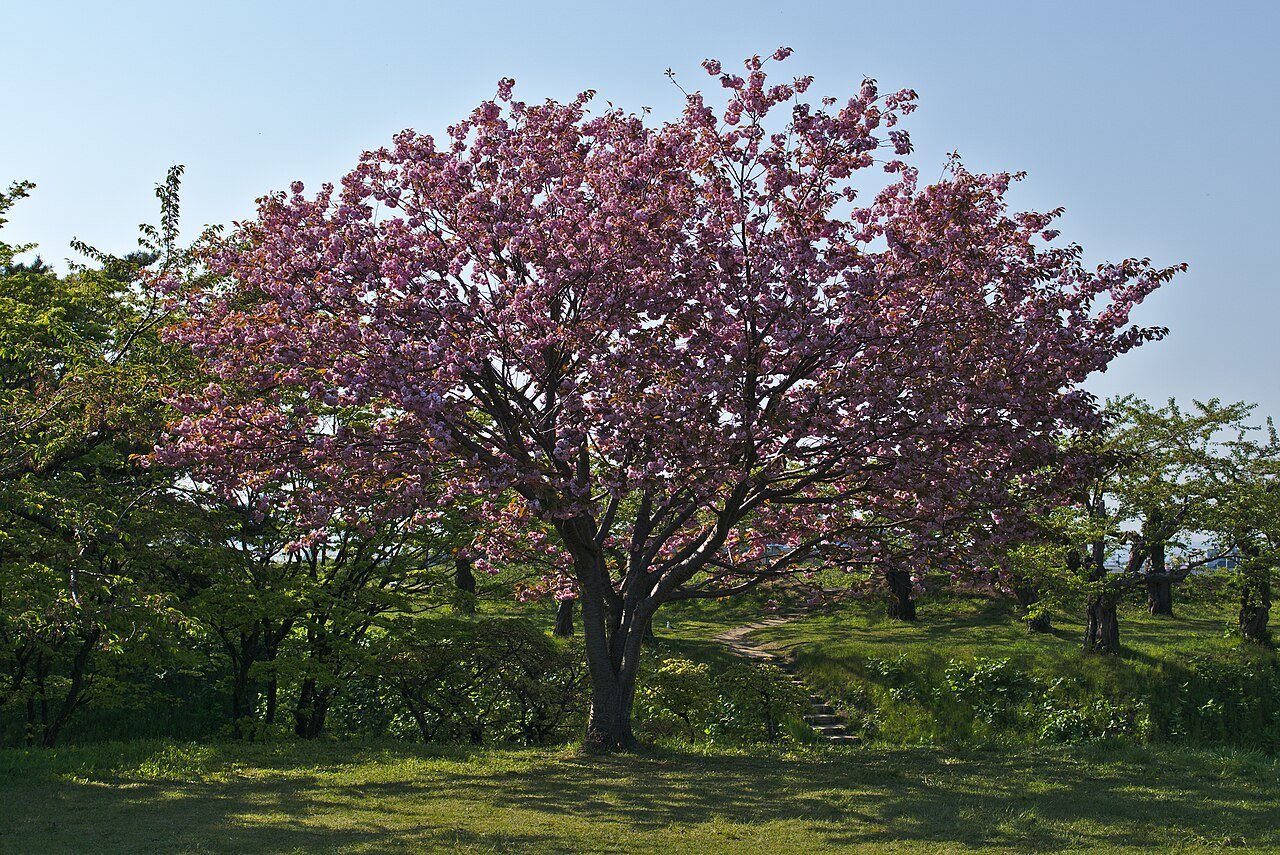
Goryokaku’s five-pointed fort is difficult to understand from ground level; the tower’s observation deck reveals the full star. The park itself is free to walk, while the tower is a paid attraction. The site is historically important as the final major battlefield of the Boshin War, so allow time for displays instead of treating it only as a geometric photo stop.
Timing: a relaxed visit takes two to three hours with the tower, park and nearby lunch. The upper observation deck is 90 metres above the ground. Blossom and autumn images are seasonal; the fort’s shape remains the reason to visit year-round.
2026 works notice: exterior repainting and repairs beneath the observatory are scheduled from May 19 to November 15, 2026. The operator says the tower remains open as usual; check its official construction notice before visiting.
🔗 Official Website → Google Maps
🧱 3. Kanemori Red Brick Warehouses & Bay Area
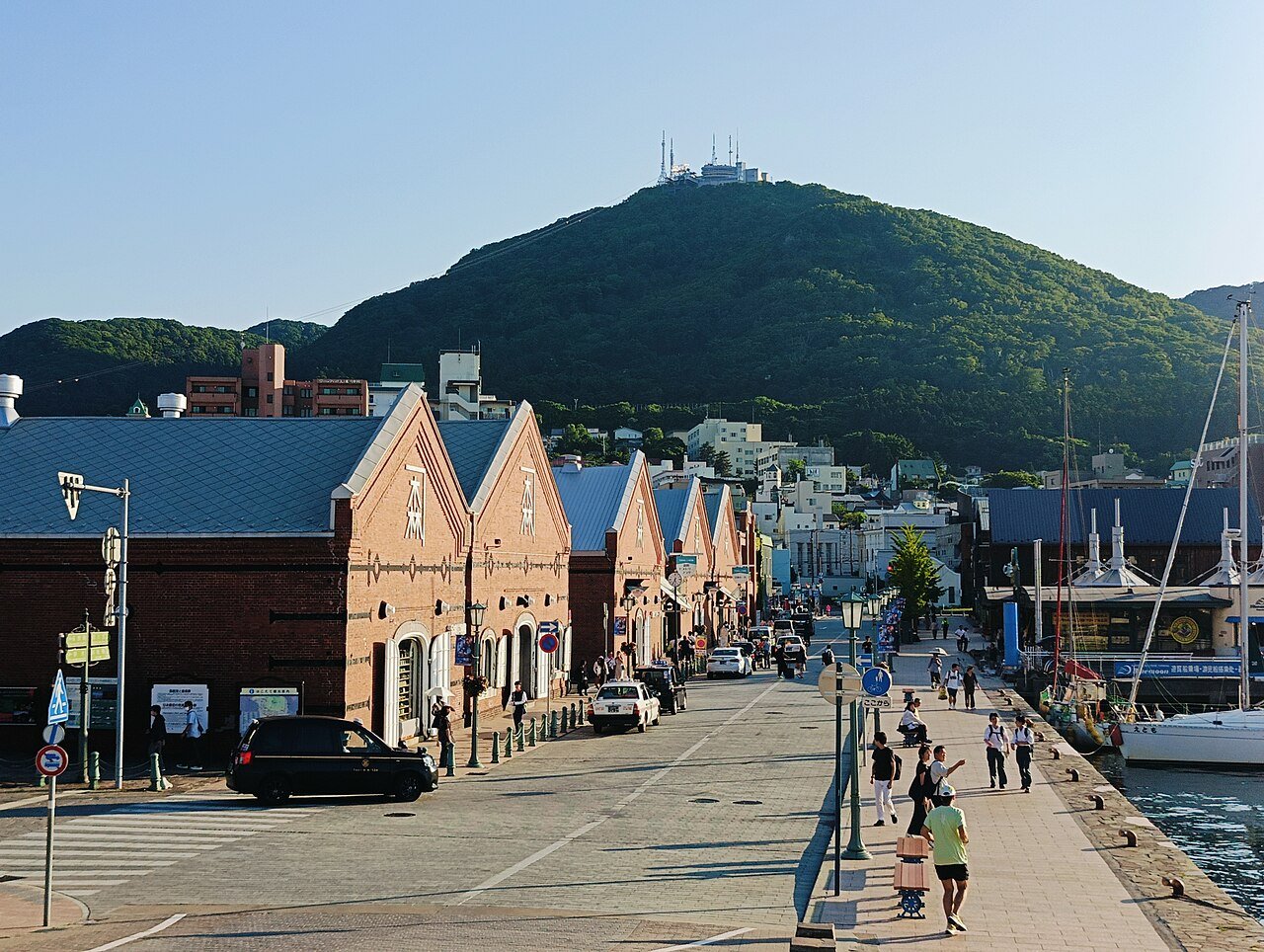
Former commercial warehouses now hold shops, restaurants and event spaces beside the water. The real pleasure is the setting: brick, harbour, Mount Hakodate and a compact network of streets that becomes atmospheric after sunset. Browse selectively and keep time for the waterfront rather than turning the visit into an indoor shopping marathon.
Best pairing: walk here after the Morning Market or continue toward Motomachi and the ropeway. Individual buildings and shops keep different hours, so “the warehouses are open” does not mean every tenant is operating. Evening illumination is attractive, but make dinner reservations separately.
🔗 Official Website → Google Maps
⛪ 4. Hachimanzaka & Motomachi
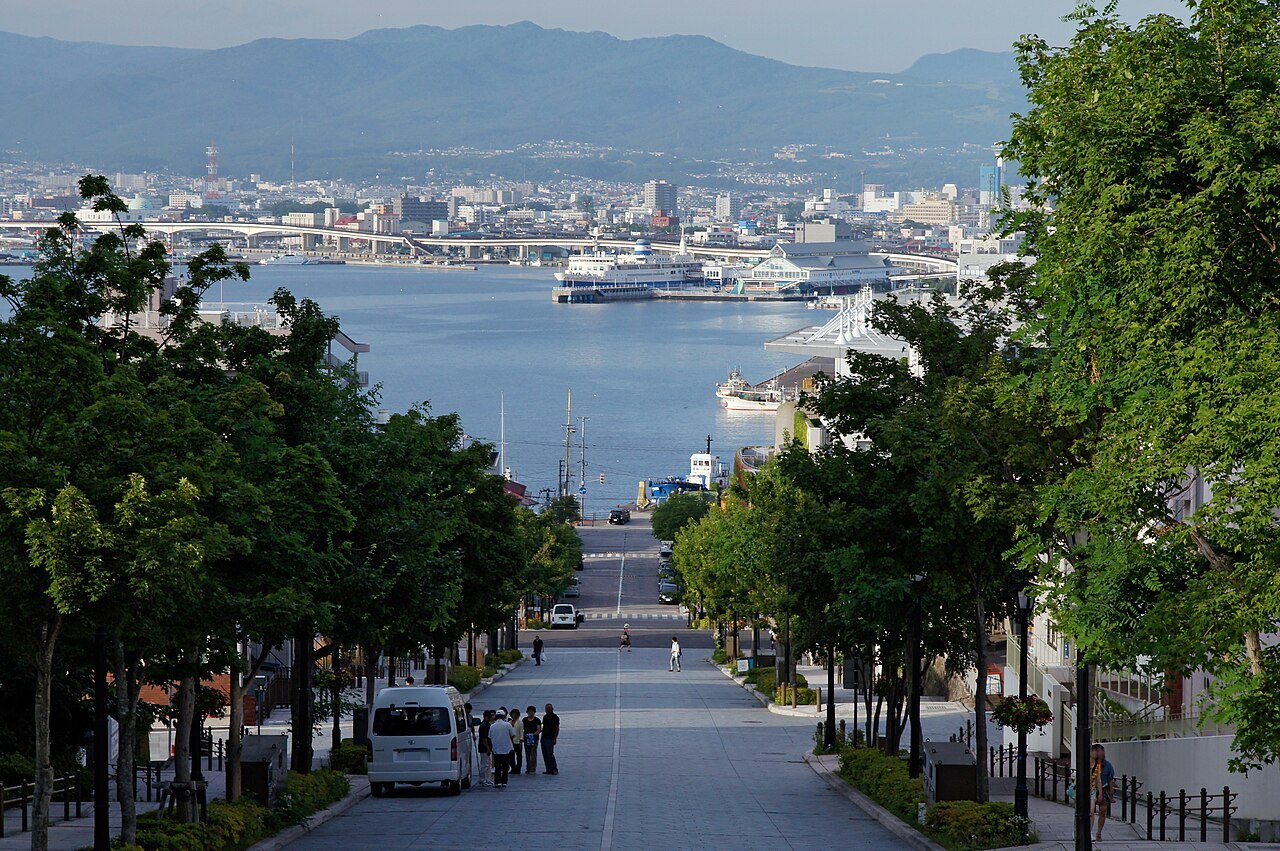
Hachimanzaka is the steep, straight street that frames Hakodate Bay at its lower end. It belongs to a larger Motomachi walk of consulates, churches and sloping lanes created by the city’s nineteenth-century international port history. The view is public space, not a private photo set: stay on the pavement and keep the roadway clear.
Walking route: start near Jujigai tram stop, climb gradually, connect the churches and Motomachi Park, then descend toward the bay or ropeway. The hills are manageable in dry weather but require care in winter. Photograph architecture without making residents or visitors the subject.
🔗 Official Website → Google Maps
🕊️ 5. Hakodate Orthodox Church
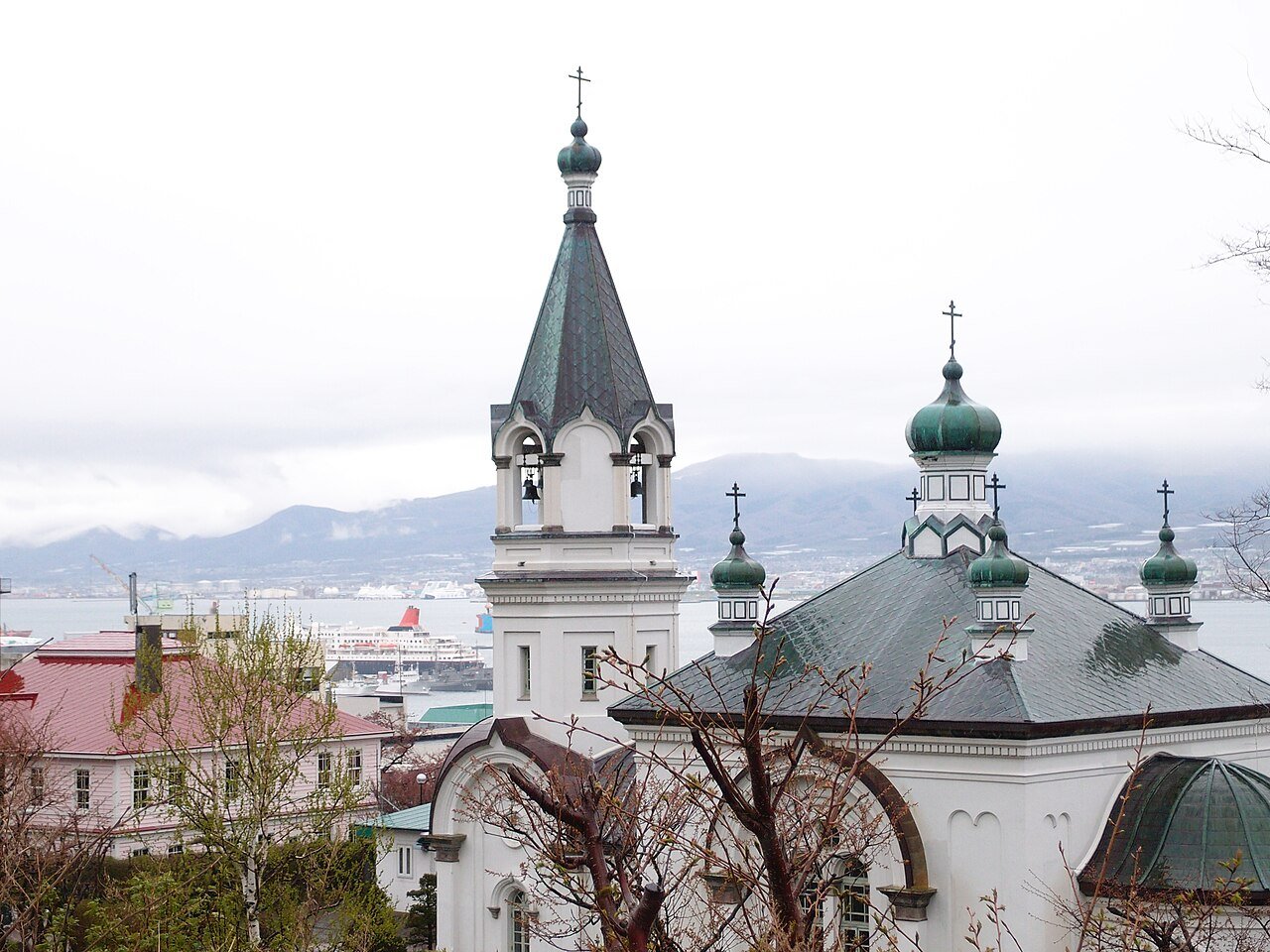
The green-roofed Orthodox church is one of Motomachi’s defining landmarks. Its bells and Russian-influenced architecture reflect Hakodate’s international connections after the port opened to foreign trade. Visit quietly, follow posted rules and separate exterior sightseeing from any religious service.
Respectful visit: modest behaviour matters more than collecting interior photographs. Opening arrangements can change for worship, maintenance or events. The official tourism listing is useful for current access, but notices at the entrance take priority.
🔗 Official Website → Google Maps
🐟 6. Hakodate Morning Market
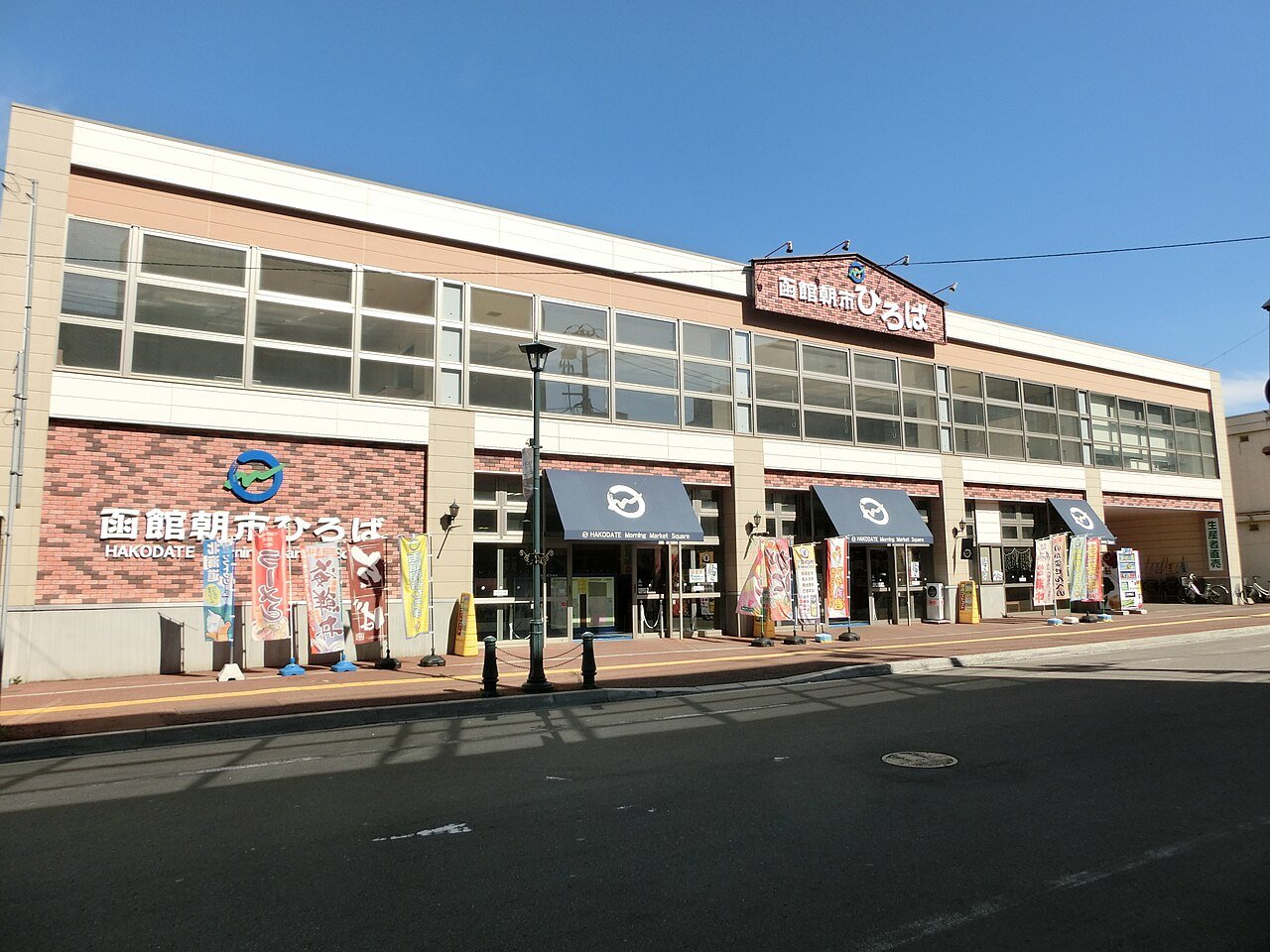
The market district beside Hakodate Station concentrates seafood stalls, produce shops and small restaurants into an easy morning stop. Come early for breakfast and atmosphere, but do not assume every stall offers the same value or English menu. Browse first, compare clearly displayed prices and order only what suits your appetite.
What to try: a seafood rice bowl, grilled shellfish or squid when available. Seasonal catch and weather affect supply. Live seafood experiences are optional, not essential to understanding the market. Ask before photographing vendors, and avoid blocking narrow aisles with luggage.
🔗 Official Website → Google Maps
♨️ 7. Yunokawa Onsen
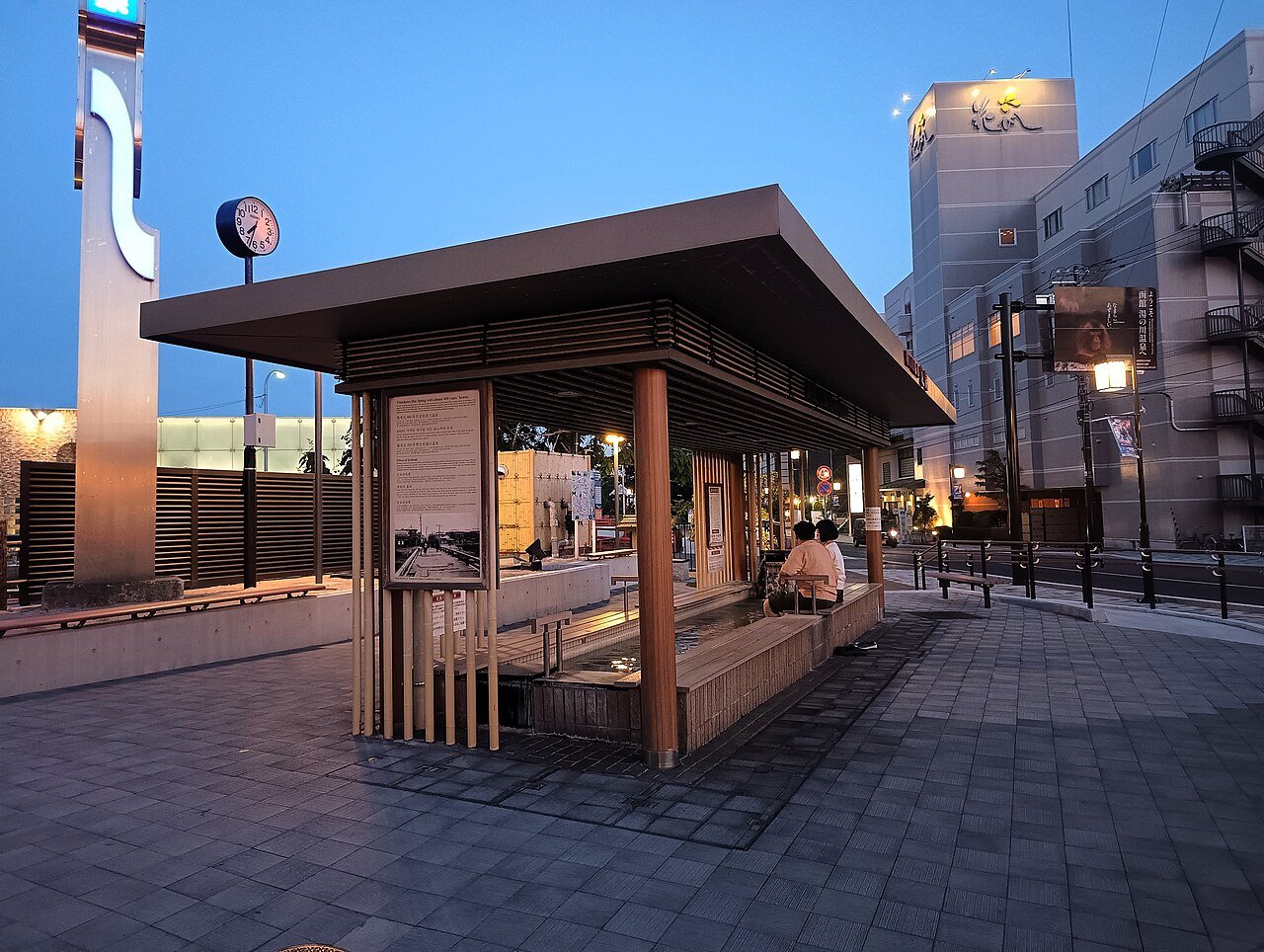
Yunokawa is an established hot-spring district close to Hakodate Airport and connected to the centre by tram. It can be a quiet final-night base or a half-day escape from sightseeing. Choose between a full ryokan stay, a hotel bath available to non-guests where offered, and the public footbath shown here.
Onsen etiquette: wash before entering, keep towels out of the bath and check tattoo policies directly with each property. A public footbath is not a substitute for a private bath when privacy or mobility matters. Opening hours and day-use access can change without affecting overnight guests.
🔗 Official Website → Google Maps
🐒 8. Hakodate Tropical Botanical Garden
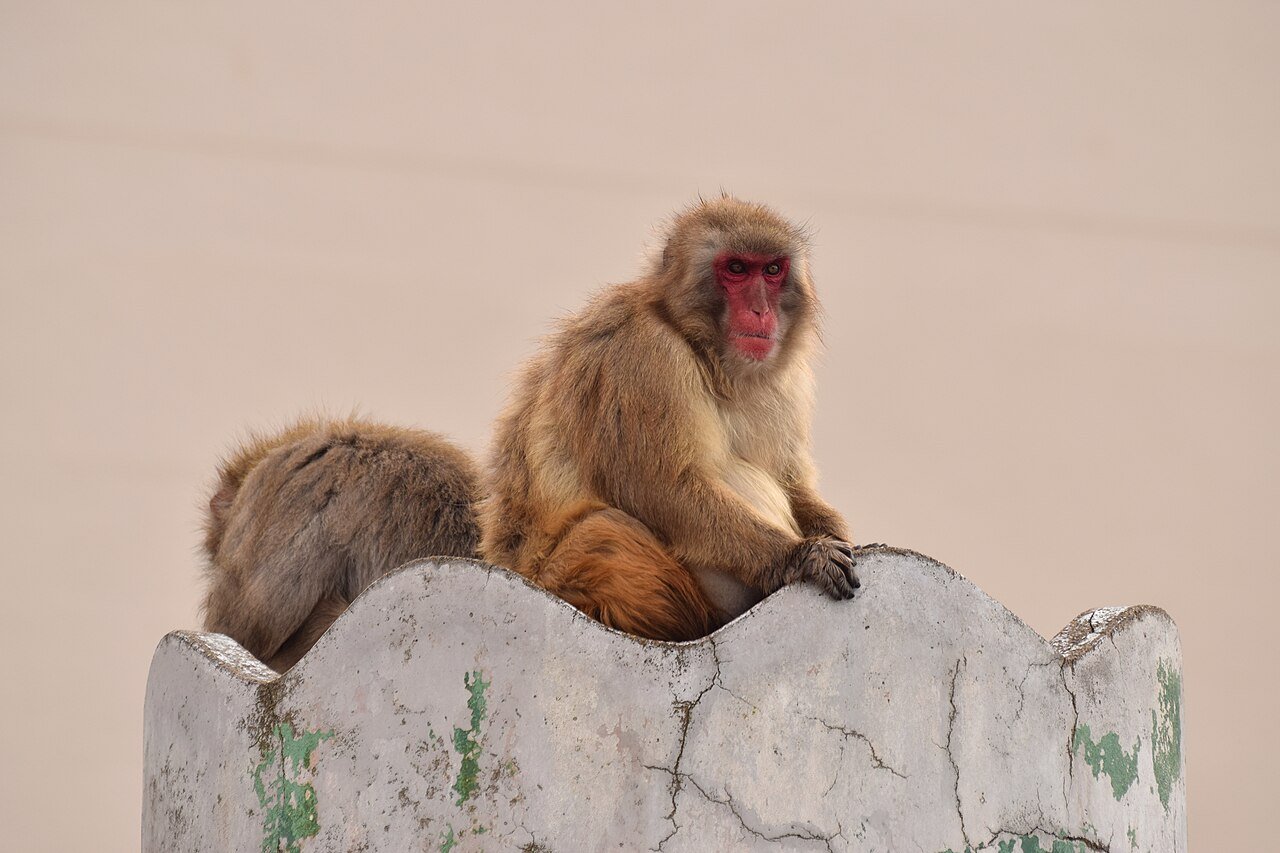
The garden is best known for Japanese macaques that use a hot-spring pool in the colder months. It also has greenhouse plants and a seaside Yunokawa location. Treat the monkeys as wildlife under managed care: observe from designated areas, do not tease them for a reaction and follow feeding rules.
Season matters: the iconic bathing scene is not a guaranteed year-round spectacle. Confirm the current season, opening hours and maintenance notices before crossing the city specifically for it. Combine the garden with Yunokawa rather than making two separate tram journeys.
🔗 Official Website → Google Maps
🏛️ 9. Motomachi Church Skyline & Historic Streets
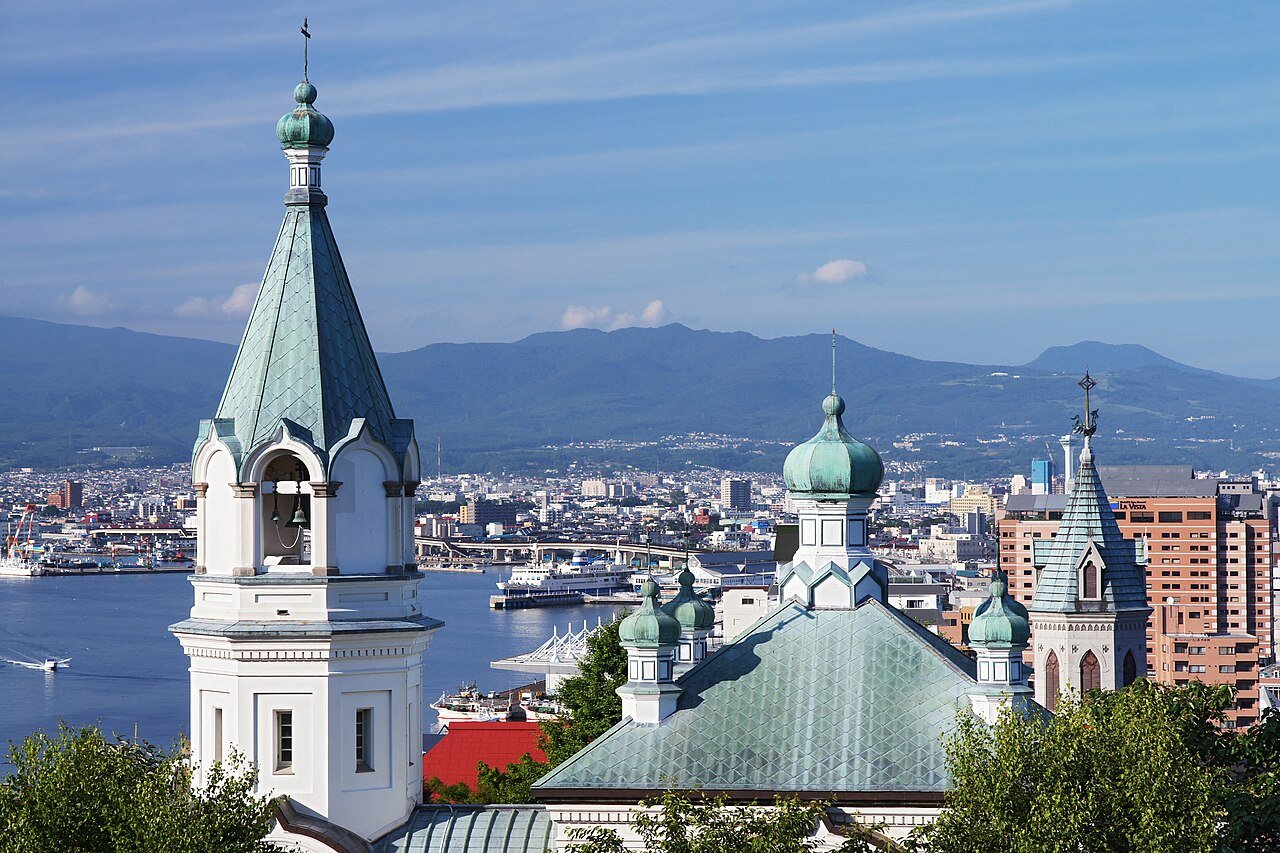
One building does not explain Motomachi. The skyline layers the Orthodox church, Catholic church, harbour and mountains, while nearby historic residences and consulates show how international contact reshaped Hakodate. Give the neighbourhood at least ninety minutes and let the route follow the hills rather than hopping between map pins.
Best for: architecture, quiet morning photography and travellers who enjoy context more than ticketed attractions. The Old Public Hall of Hakodate Ward and Motomachi Park make natural additions. Check individual admission pages before assuming every interior is open on the same day.
🔗 Official Website → Google Maps
🛏️ PART 3 — Where to Stay, Eat & Recharge
🏨 Choosing the right area
Hakodate Station is best for short stays, rail connections and early market breakfasts. The Bay Area trades a slightly longer station walk for evening atmosphere. Yunokawa prioritises hot-spring time and airport convenience but adds tram time to Motomachi and the bay. The tiers below are editorial positioning, not official star ratings or guaranteed nightly prices. Compare the same dates, room type, meals, cancellation terms and taxes.
💎 Luxury — Yunokawa Prince Hotel Nagisatei
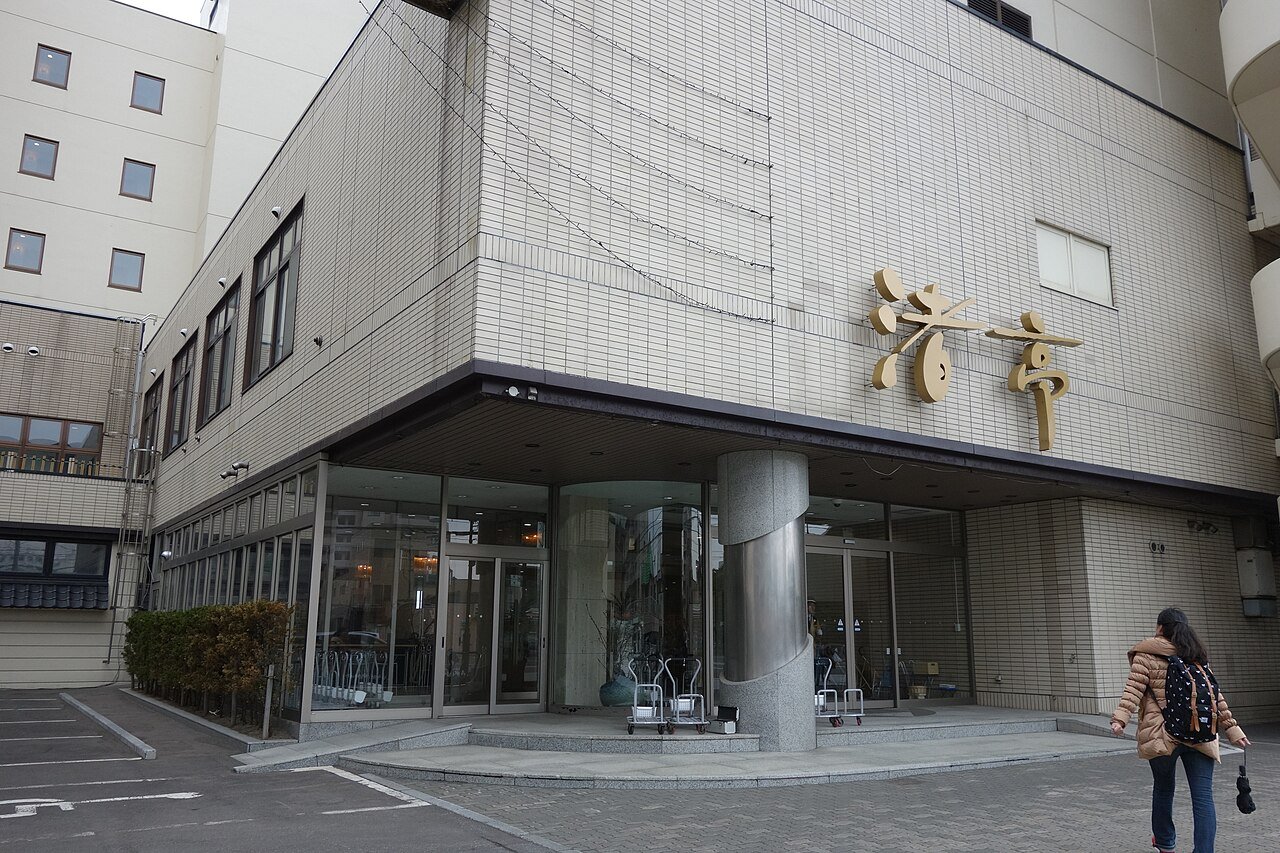
Location: Yunokawa Onsen, facing the Tsugaru Strait. Why consider it: this is the special-stay choice when baths and sea air are part of the trip rather than an evening add-on. Some room categories have private open-air baths, while public bath facilities serve the wider property. Best for: couples, celebrations and travellers who want a ryokan-style rhythm with time at the hotel.
Watch-outs: room plans differ greatly. Confirm whether dinner, breakfast and a private bath are included, and review bed style and smoking designation. Do not book the lowest headline rate assuming it contains the same experience as a premium ocean-facing room.
🔗 Official Website → Google Maps
⭐ Mid-range — La Vista Hakodate Bay
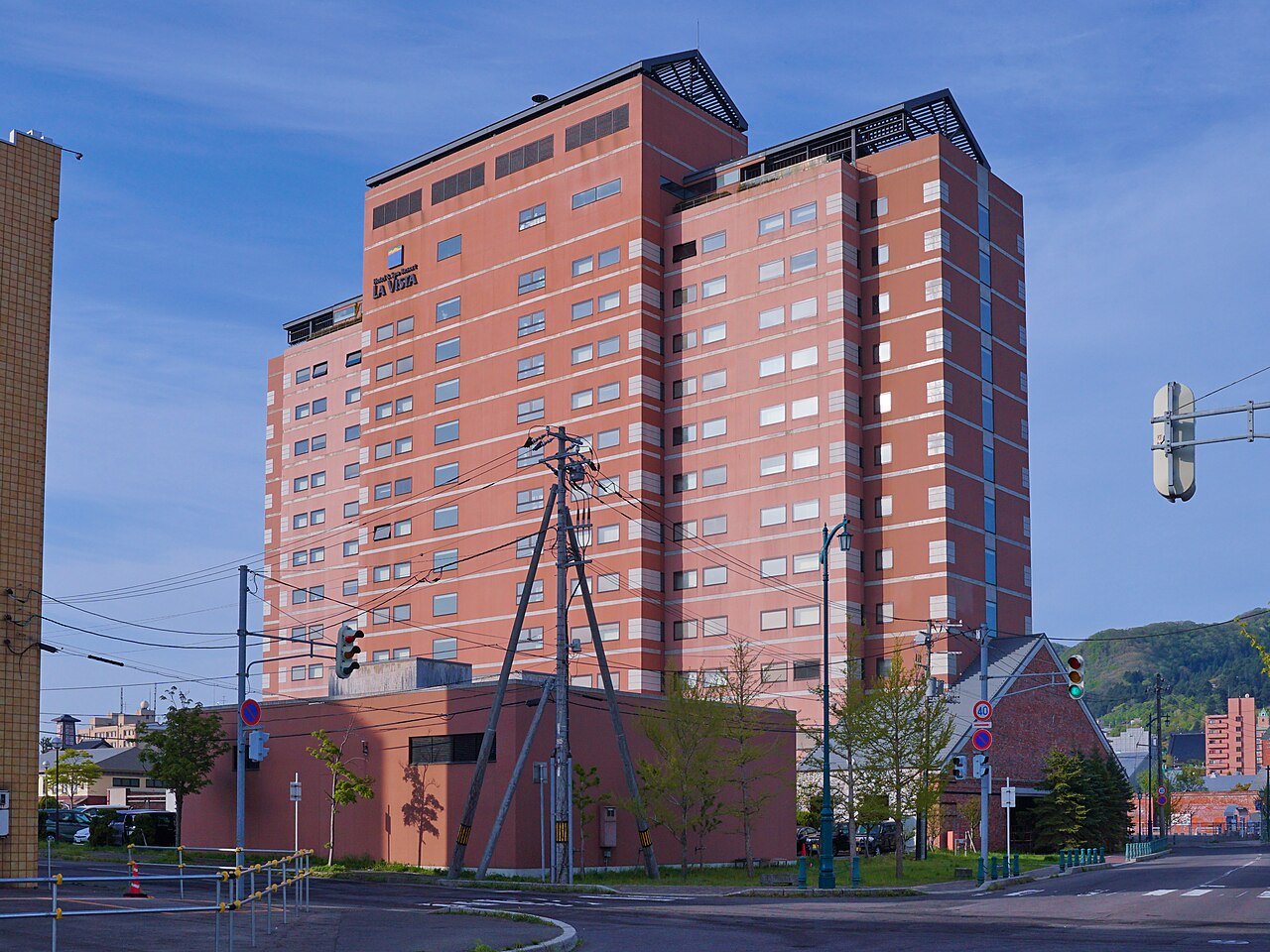
Location: beside the Kanemori warehouses in the Bay Area. Why consider it: the position makes evening waterfront walks and Motomachi access easy, while the hotel’s baths and breakfast appeal to travellers who want more facilities than a basic city room. Best for: first-time visitors, couples and photographers who value atmosphere.
Check the exact building, view and meal plan when booking; nearby sister or annex naming can cause confusion. An attractive bay location does not mean every room has an unobstructed harbour view. Compare the full total with a station hotel before paying a location premium.
🔗 Official Website → Google Maps
💰 Budget-minded value — JR Inn Hakodate
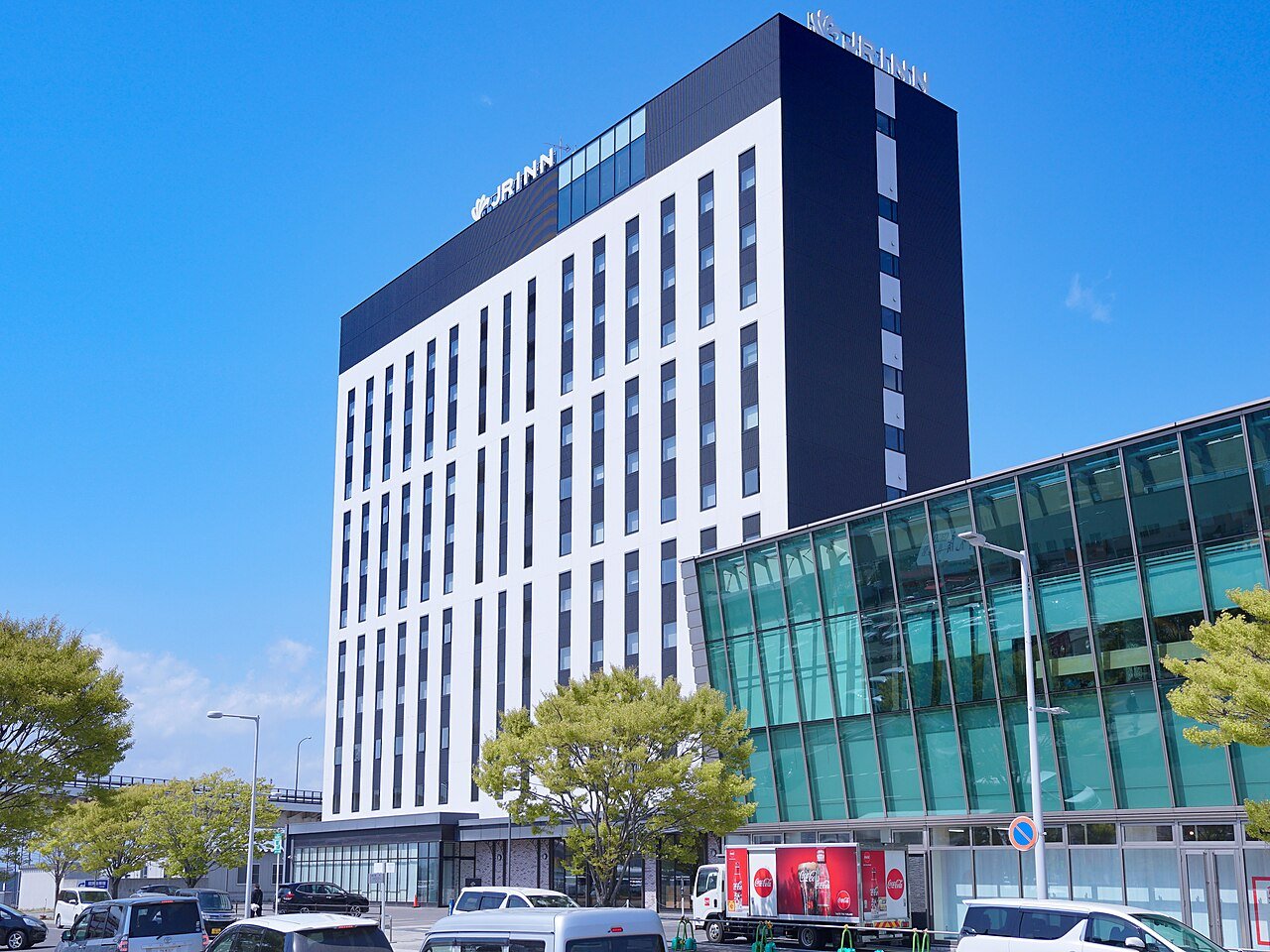
Location: connected to JR Hakodate Station, with the Morning Market immediately outside. Why consider it: direct rail access reduces transfers and protects valuable time on a short trip. The top-floor bath and lounge add comfort without requiring a resort itinerary. Best for: rail travellers, solo visitors and couples prioritising convenience.
This is a value recommendation rather than a promise that it will always be the city’s cheapest room. Event dates can push station prices upward. Compare breakfast and cancellation terms, and review room dimensions if travelling with large suitcases.
🔗 Official Website → Google Maps
⭐ Central alternative — Hakodate Kokusai Hotel
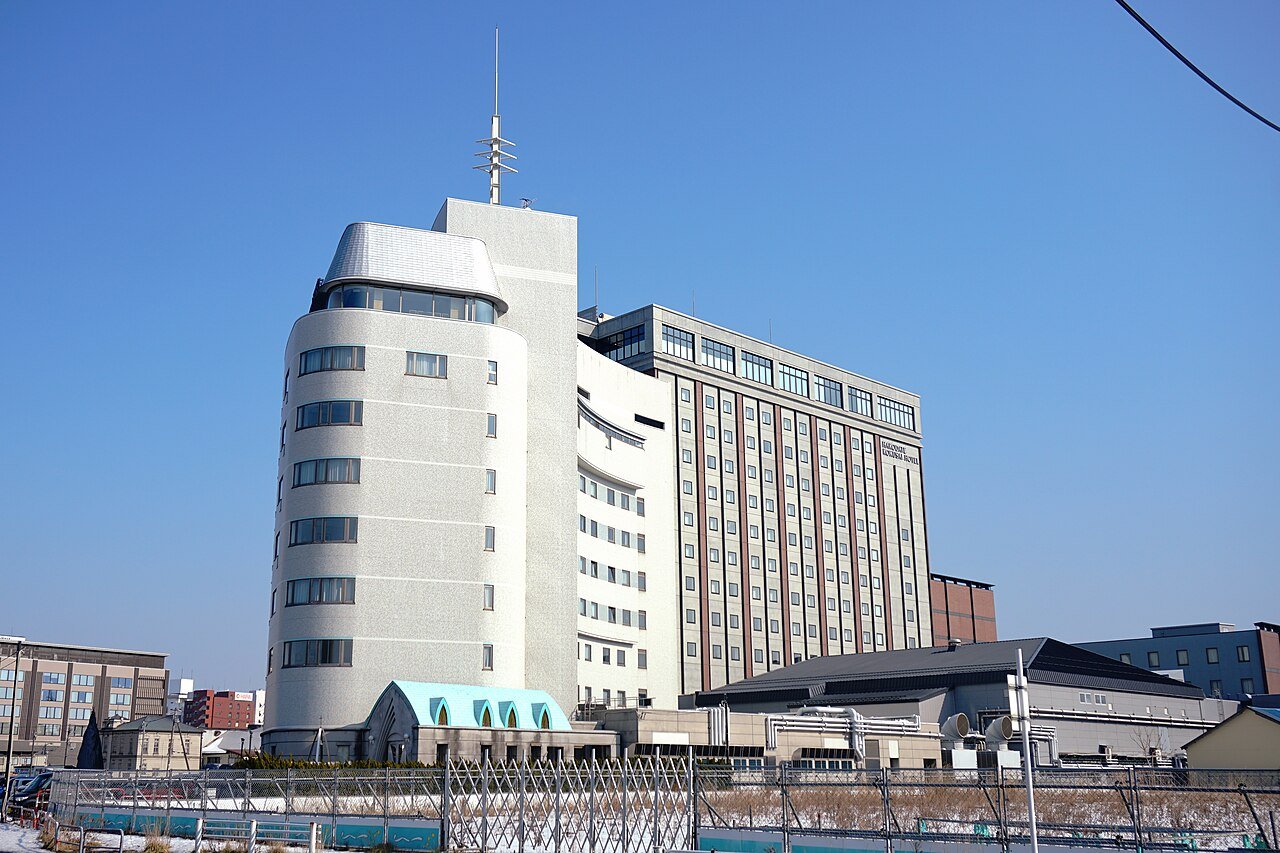
Location: the waterfront between Hakodate Station and the Bay Area. Why consider it: it balances station access, the market and warehouse district, with hot-spring and restaurant facilities in a long-established city hotel. Best for: families, mixed-age groups and travellers who want a central full-service option.
The official site places the hotel about an eight-minute walk from JR Hakodate Station. Building wings and room categories vary, so study the actual floor plan and bed arrangement. Breakfast reputation should not replace checking whether it is included in your rate.
🔗 Official Website → Google Maps
🍜 Restaurants — three distinctly Hakodate meals
Hakodate Menchubo Ajisai — shio ramen
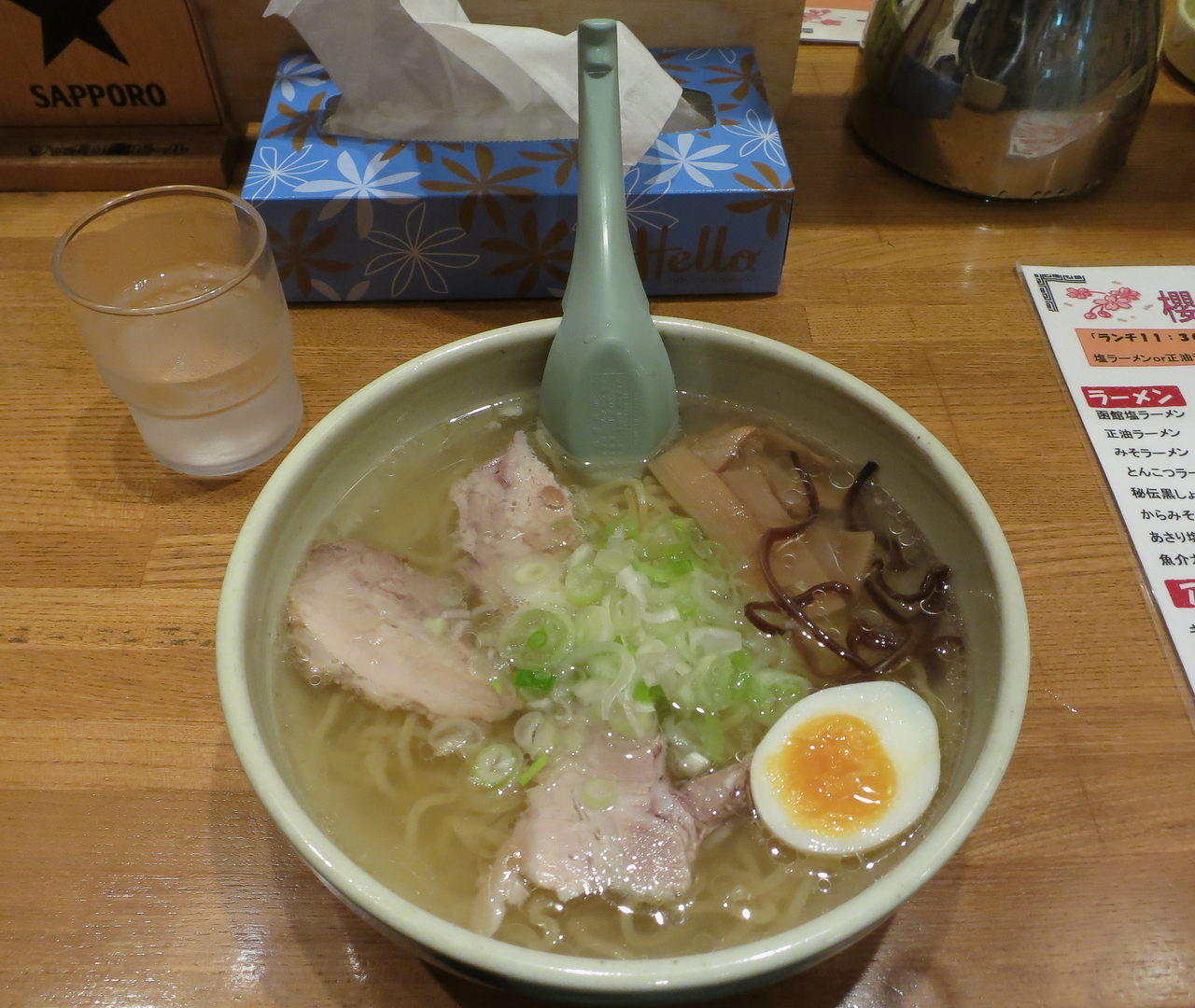
Signature choice: clear, salt-based Hakodate ramen. Ajisai is one of the city’s best-known names for the style, with a Goryokaku-area main shop that fits naturally after the fort. The illustrated bowl shows Hakodate shio ramen generally and is not a commissioned photograph of Ajisai’s current dish.
Planning tip: branch hours and queue patterns differ. Check the official site, choose the exact branch and keep the map pin consistent with that choice. Broth can contain meat or seafood even when it looks light; travellers with dietary restrictions should ask directly.
🔗 Official Website → Google Maps
Lucky Pierrot Bay Area Main Store — Chinese Chicken Burger
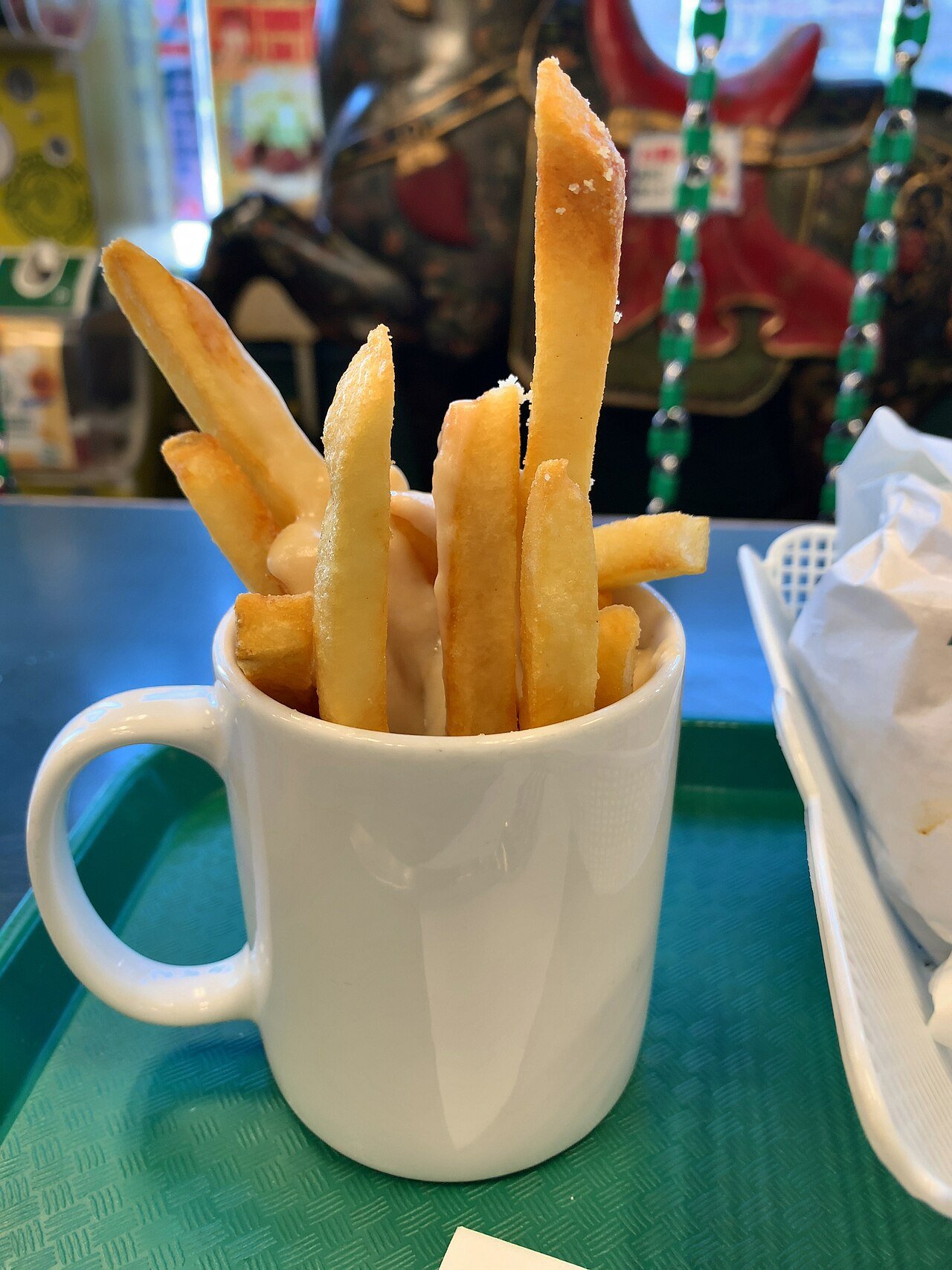
Signature choice: the Chinese Chicken Burger, pairing fried chicken with a sweet-savoury sauce. Lucky Pierrot is a local chain with playfully decorated branches, and the Bay Area main store fits a warehouse walk. The photo is illustrative of an order at Lucky Pierrot; presentation and sides can change.
Order sensibly: portions and combinations are filling. Pick a branch based on the day’s route rather than crossing the city for the same menu. Busy periods can mean a wait, and payment options vary, so carry a backup method.
🔗 Official Website → Google Maps
Hasegawa Store — yakitori bento
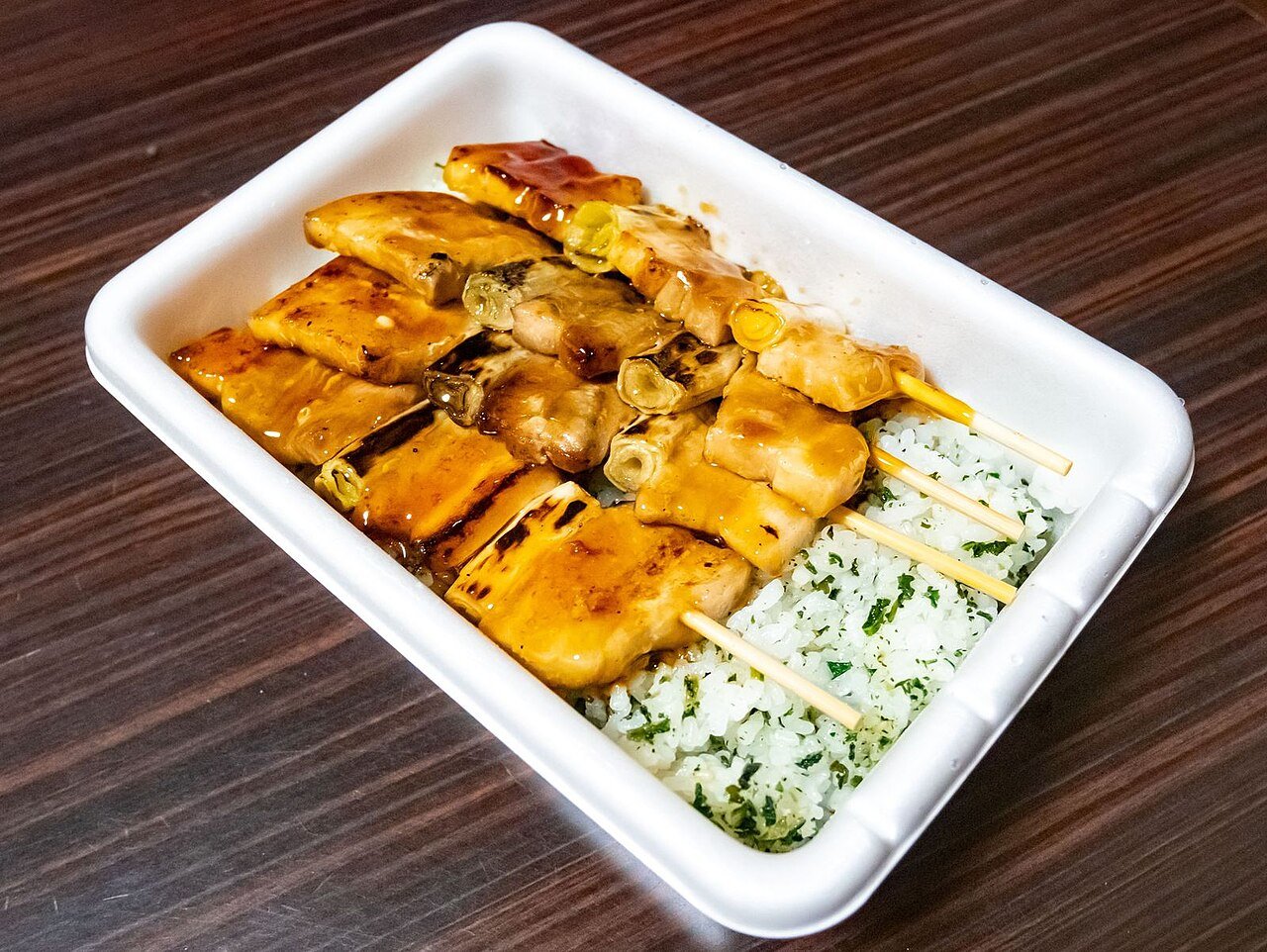
Signature choice: yakitori bento, a local convenience-food favourite of grilled pork skewers over rice despite the “yakitori” name. It is cooked to order at participating Hasegawa Store branches and makes a practical lunch or train meal when handled promptly.
Important detail: not every convenience store outside the region sells it, and branch facilities differ. Confirm the store, ordering process and wait time. Eat hot food while fresh and follow railway etiquette rather than opening a smoky grilled meal on a crowded local tram.
🔗 Official Website → Google Maps
☕ Cafés & Sweet Stops
Starbucks Coffee Hakodate Bayside — familiar coffee, exceptional setting
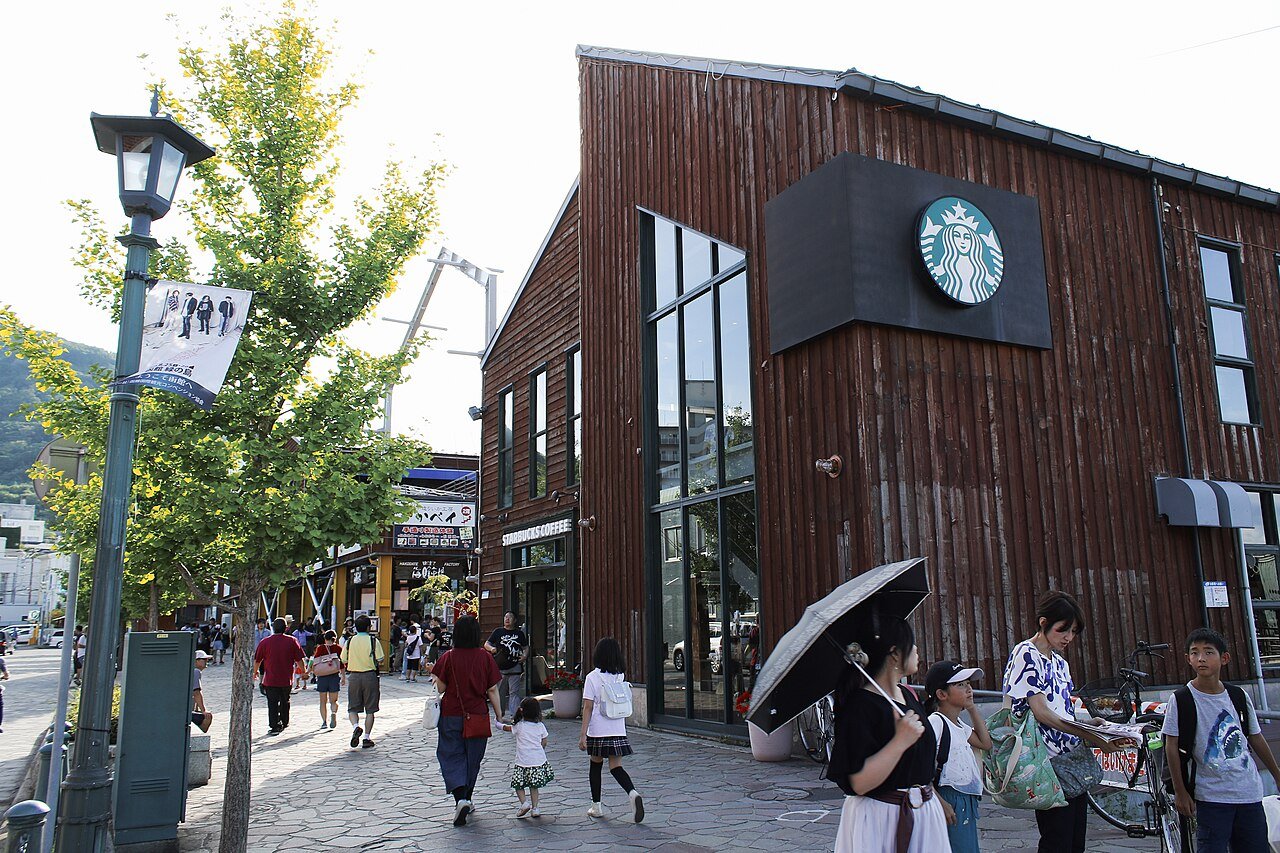
Where: a timber-clad waterfront building close to the Kanemori warehouses. The appeal is the bay-area setting and an easy rest between Motomachi’s slopes and the shops. Best for: travellers who want predictable drinks, Wi-Fi and a scenic pause rather than a destination pastry menu.
Seats with a view are limited and never guaranteed. Keep belongings compact, avoid holding a table through peak periods and verify current hours on the official store page. The archival exterior photograph includes incidental passers-by and is used to identify the building.
🔗 Official Website → Google Maps
Petite Merveille at the Red Brick Warehouse — local sweets
What to try: Hakodate-style pudding or a small cheesecake from this local confectionery brand. The warehouse branch is convenient when you want a short dessert stop without adding transport. Products and café seating can vary, so confirm the shop’s current format rather than expecting a full restaurant.
Best for: a shareable sweet break and edible gifts that can be stored according to the packaging. Chilled products may not suit a long travel day; ask staff about transport and refrigeration before buying for the train or flight.
🔗 Official Website → Google Maps
🗺️ PART 4 — Hakodate Itinerary & Practical Travel Tips
🚋 Getting around by tram
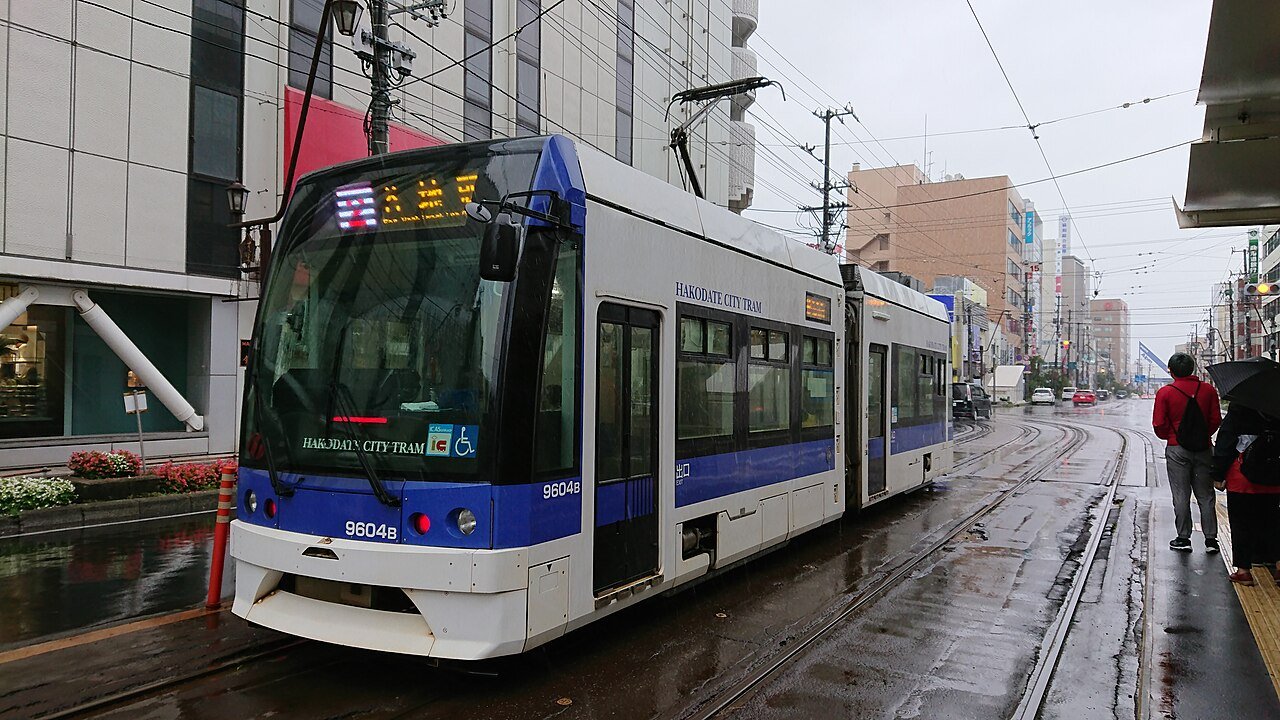
Hakodate’s tram is the backbone of this itinerary. It links the station, Bay Area access points, Jujigai for Motomachi, Goryokaku and Yunokawa. Board and payment procedures are straightforward once observed, but keep your fare or transport card ready and move away from the doors.
A day pass can be useful when the route includes several separated areas, but it is not automatically cheaper for a mostly walkable bay-and-Motomachi day. Compare current fares with your actual plan. JR trains, airport buses and every private bus are not necessarily included in a city-tram product.
🔗 Official Website → Google Maps
📅 A relaxed three-day Hakodate itinerary
| Day | Morning | Afternoon | Evening |
|---|---|---|---|
| Day 1 — Bay & mountain | Morning Market breakfast and station area | Kanemori warehouses, Hachimanzaka and Motomachi churches | Mount Hakodate if visibility is good; dinner in the Bay Area |
| Day 2 — Goryokaku | Goryokaku Tower and park | Ajisai ramen, then a slower museum, café or bay return | Waterfront walk and an early night, or move the mountain here if clearer |
| Day 3 — Yunokawa | Tropical Botanical Garden when seasonally worthwhile | Onsen time, footbath or a hotel check-in | Ryokan dinner or return to the centre for Lucky Pierrot and night streets |
This plan deliberately keeps Mount Hakodate flexible. A clear Day 2 evening is better than a foggy Day 1 reservation. Motomachi and the Bay Area belong together; Goryokaku and Yunokawa each deserve separate tram blocks. If you stay in Yunokawa, reverse Day 3 so the hotel becomes part of the experience rather than a late transfer.
Only two days? keep the compact bay–Motomachi–mountain day, then choose Goryokaku plus either Yunokawa or a long food-focused afternoon. Arriving after lunch? treat the bay area as a gentle half-day and do not force the market into late afternoon.
🌲 Optional Day 4 — Onuma Quasi-National Park
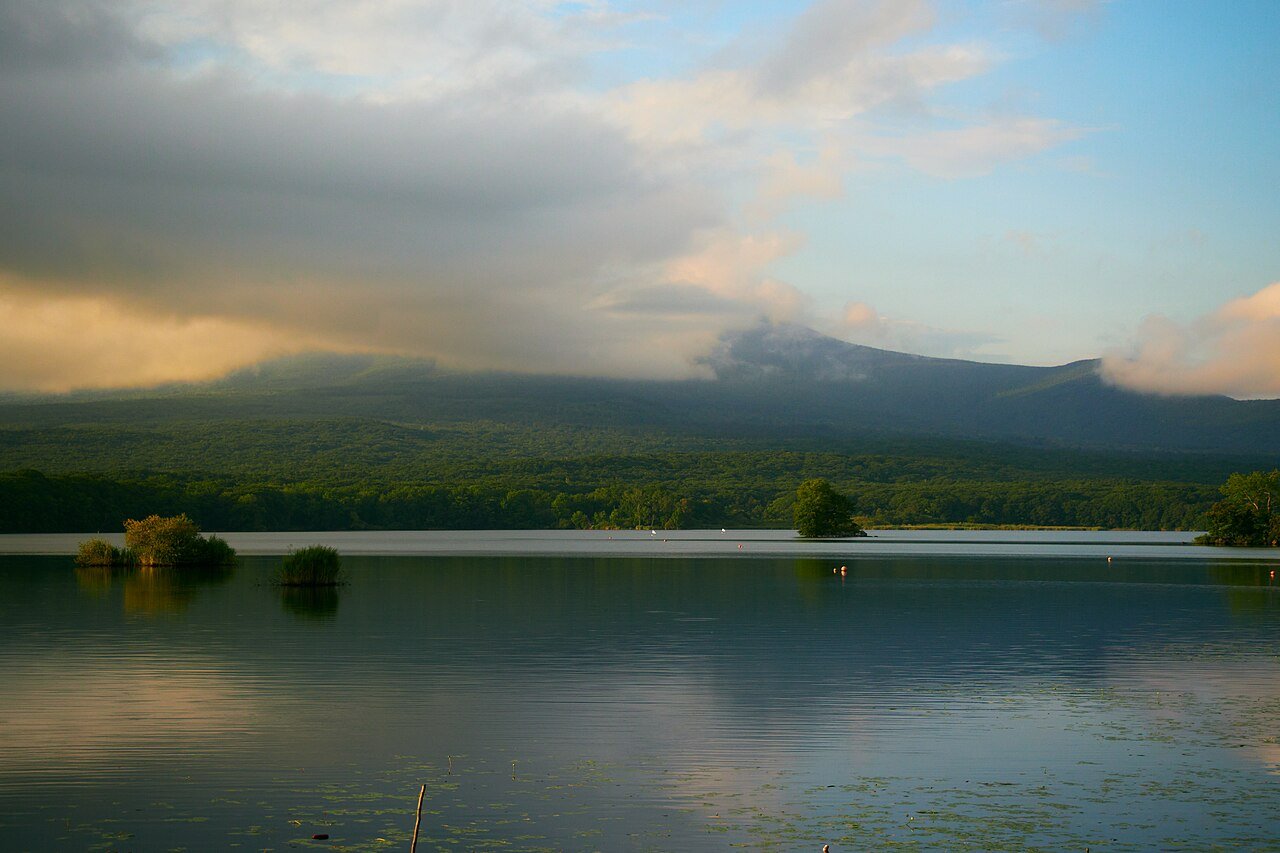
Onuma adds lakes, small islands and views toward Mount Komagatake. It is a genuine nature day, not another Hakodate neighbourhood. JR trains connect the city with Onuma Koen Station, but frequency and stopping patterns vary, so plan the return before setting out.
Choose a short lakeside loop, bicycle outing or seasonal boat activity according to weather and mobility. Not every trail or rental operates year-round. Bring water, protect against sun or cold and leave enough time to return before an evening booking in Hakodate.
🔗 Official Website → Google Maps
🌇 Finish where brick, mountain and water meet
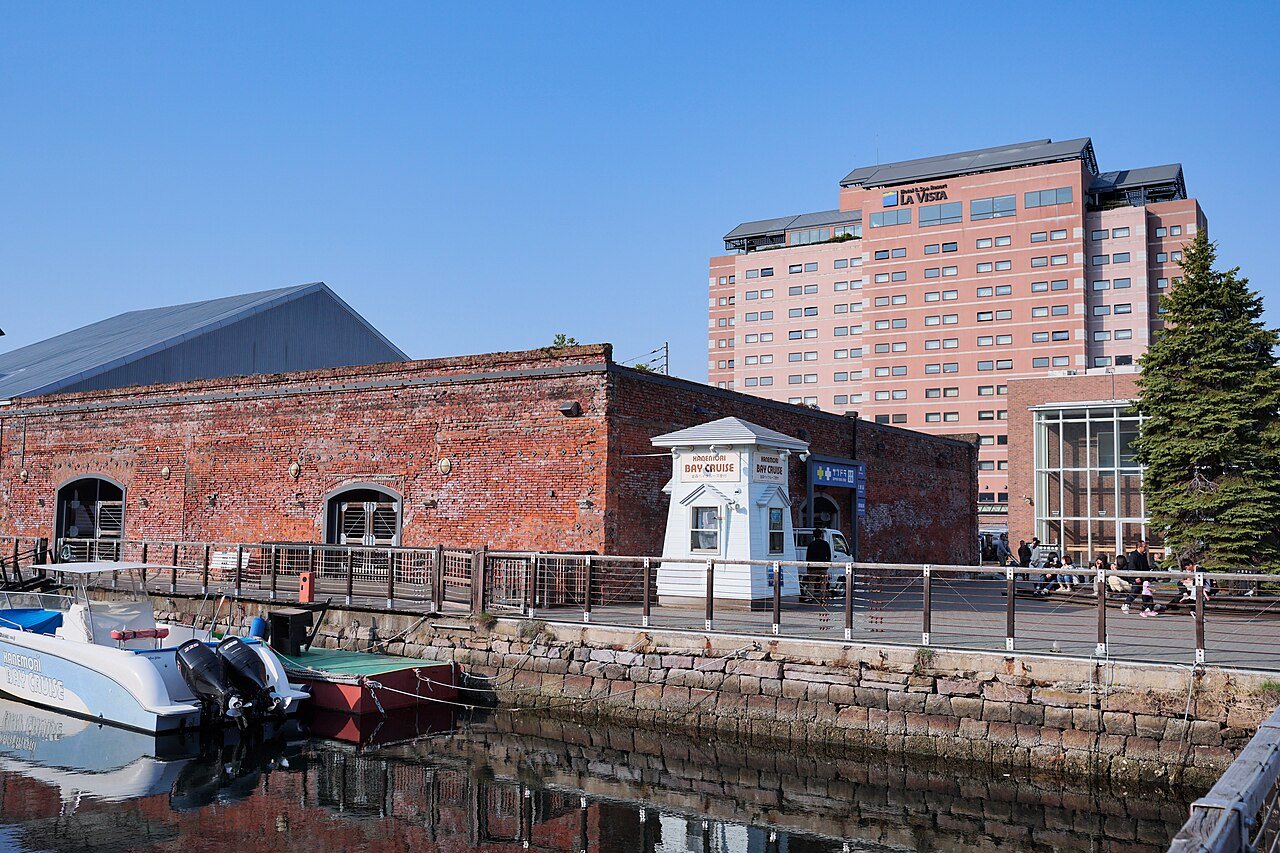
The Bay Area deserves a second look after the day-trippers thin out. Warehouses, canal water and the mountain create a compact evening scene without another ticket. Use this time for dinner, a quiet photograph or a final walk rather than squeezing in one more distant attraction.
If your accommodation is at the station, the return is walkable for many travellers; otherwise use the nearest tram stop instead of following a vehicle route. Waterfront surfaces can be wet or icy, and harbour wind makes the evening feel cooler than the temperature suggests.
🔗 Official Website → Google Maps
💡 Practical advice that improves the trip
- Let visibility decide the mountain night: check the official camera and weather. A flexible clear evening is worth more than a fixed foggy slot.
- Group the hills: Motomachi, Hachimanzaka, churches and the ropeway are one district. Repeated station transfers waste time and energy.
- Use real hotel totals: compare the same occupancy, meal plan, room category, cancellation terms and taxes. “Luxury” and “budget” are not fixed prices.
- Check seasonal attractions: blossoms, bathing macaques, boats and outdoor baths depend on timing and conditions.
- Carry a layer: the summit, harbour and Tsugaru Strait can feel much colder than sheltered streets.
- Handle allergies directly: clear ramen broth can still contain pork, chicken, fish or shellfish. Show a translated ingredient card and ask the business.
- Respect markets and worship spaces: ask before photographing vendors, keep aisles clear and follow church notices.
- Leave departure time: Shin-Hakodate-Hokuto and Hakodate Station are different stations, and airport-bus time is not your door-to-gate time.
❓ Hakodate travel guide FAQ
How many days do you need in Hakodate?
Three full days work well for the Bay Area and Motomachi, Goryokaku, Mount Hakodate and Yunokawa. Add a fourth for Onuma or a genuinely slow hot-spring stay.
Is Hakodate easy without a car?
Yes for the itinerary here. Trams and walking cover the main urban areas, with buses, JR or taxis for the airport, Onuma and selected gaps. A car becomes more useful only for a wider rural southern-Hokkaido route.
Should you stay near the station or in Yunokawa?
Choose the station for a short, transport-heavy visit and Yunokawa when onsen time is a central reason for travelling. The Bay Area is the atmospheric compromise between sights and evening walks.
✨ Final thought
A strong Hakodate travel guide should leave space for weather, appetite and the city’s slower rhythm. Build around one compact area at a time, keep the mountain evening flexible, and let seafood, warm baths and harbour light do the rest.
🔗 For More Japan Travel Guides
⦿ Sapporo Travel Guide 2026 — parks, city views and Hokkaido comfort food
⦿ Fukuoka Travel Guide 2026 — Hakata food, parks and Kyushu exploring
⦿ Tokyo Travel Guide 2026 — neighbourhoods, hotels and city experiences
⦿ Hiroshima Travel Guide 2026 — history, food and Miyajima
⦿ Nara Travel Guide 2026 — beyond the deer park
⦿ Kanazawa Travel Guide 2026 — gardens and traditional streets
⦿ Kyoto Travel Guide 2026 — temples, neighbourhoods and practical planning
⦿ Osaka Travel Guide 2026 — food and urban adventures
📷 Image credits & editorial notes
The 20 numbered photographs are individually credited with their source and reuse licence below each image. Hotel exteriors are for building identification, not evidence of current room condition. Food photographs labelled illustrative were not commissioned by the recommended restaurants. Incidental distant people in archival street images are not the editorial subject.
Featured artwork: background photograph “Kanemori Red Brick Warehouse” by OraMAAG from Wikimedia Commons, used under CC BY 4.0. Changes: AI-assisted branded layout, reframing, colour adjustment, dark graphic gradient, existing TravelNest365 logo and title overlay. The cover is a designed photo composite, not an unedited documentary image.