
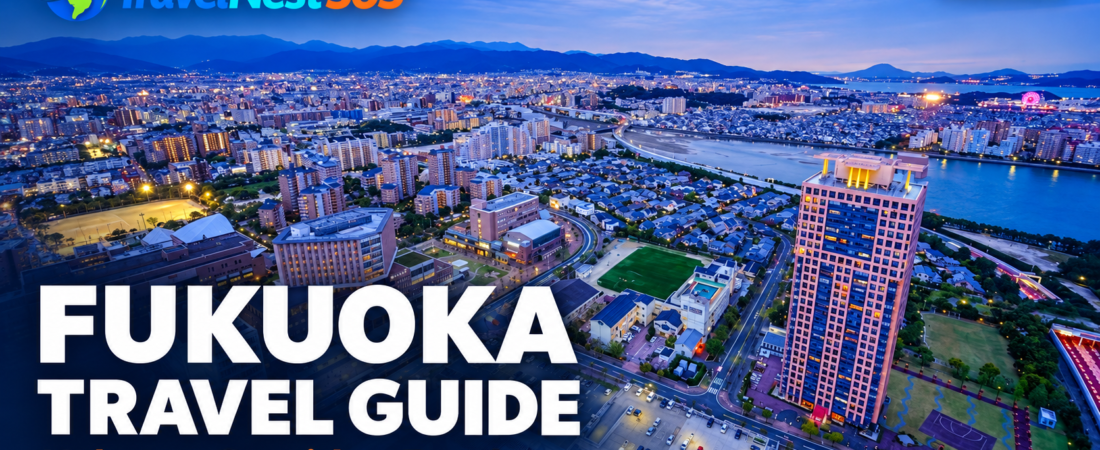
🇯🇵 Fukuoka Travel Guide 2026
Hakata Heritage, Seaside Views, Yatai Nights & Kyushu Flavors
This Fukuoka Travel Guide 2026 is for travelers who want an easy-to-navigate Japanese city with historic neighborhoods, waterfront space and one of the country’s most approachable food scenes. Fukuoka combines the old merchant district of Hakata, the modern energy of Tenjin, broad Ohori Park and the urban beachscape of Momochi without the long cross-city transfers common in larger capitals.
Three days is enough for a satisfying first visit: devote one day to Hakata and the riverside, another to parks and the coast, and a third to Dazaifu or a slower neighborhood day. The plan below separates confirmed destination facts from practical recommendations, uses official sources where possible, and never assumes that opening hours or prices stay fixed.
Last fact-check: September 14, 2026. Recheck official websites before travel because transport, admission and business hours can change.
✈️ Quick Travel Information
| Destination | Fukuoka City, Fukuoka Prefecture, Kyushu, Japan |
|---|---|
| Best for | Food, compact city breaks, history, parks, waterfront sunsets and easy day trips |
| Suggested stay | 3 days; add a fourth day for Dazaifu, Nokonoshima or a slower café-and-shopping day |
| Arrival | Fukuoka Airport (FUK); the subway connects the airport area with Hakata and Tenjin |
| Best bases | Hakata for rail and airport access; Tenjin/Daimyo for dining, shopping and nightlife |
| Getting around | Subway, city buses and walking; major Japanese IC cards are accepted on the city subway |
| Comfortable seasons | Spring and autumn; summers are hot and humid, while winter is generally cool rather than severe |
| Language | Japanese; simple English support is common at major transport hubs and hotels |
| Currency | Japanese yen (JPY); carry some cash for small stalls and older businesses |
| Planning note | Check official opening calendars, especially for museums, gardens and holiday periods |
🧭 Fukuoka Travel Guide 2026 at a Glance
Part 1 — Historic Hakata & Essential Sights
Part 2 — Parks, Coast & Night Fukuoka
Part 3 — Hotels, Restaurants & Cafés
Part 4 — Itinerary & Practical Advice
PART 1 — Historic Hakata & Essential Sights
1. Begin in Hakata Old Town and Kushida Shrine
Hakata developed as a port and merchant district, and its compact historic core is a sensible first stop. Begin around Kushida Shrine, then walk through lanes linking temples, small shops and traditional craft businesses. The shrine is closely associated with the Hakata Gion Yamakasa festival, but even outside festival season the precinct offers a calm introduction to local history.
Arrive early for softer light and fewer tour groups. Dress respectfully, avoid blocking worshippers and follow posted photography rules. From here, continue on foot toward Tochoji and Shofukuji or toward the covered Kawabata shopping arcade. The official Fukuoka visitor guide’s Hakata Old Town pages are the safest place to confirm current events and access details.
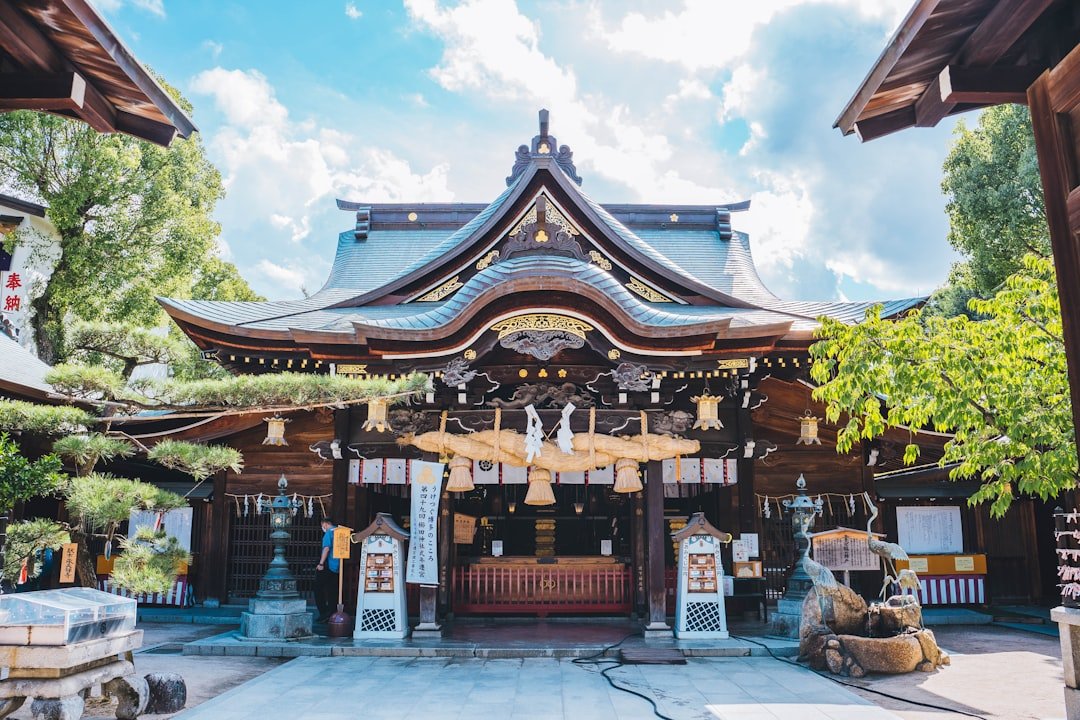
2. Take a half-day trip to Dazaifu Tenmangu
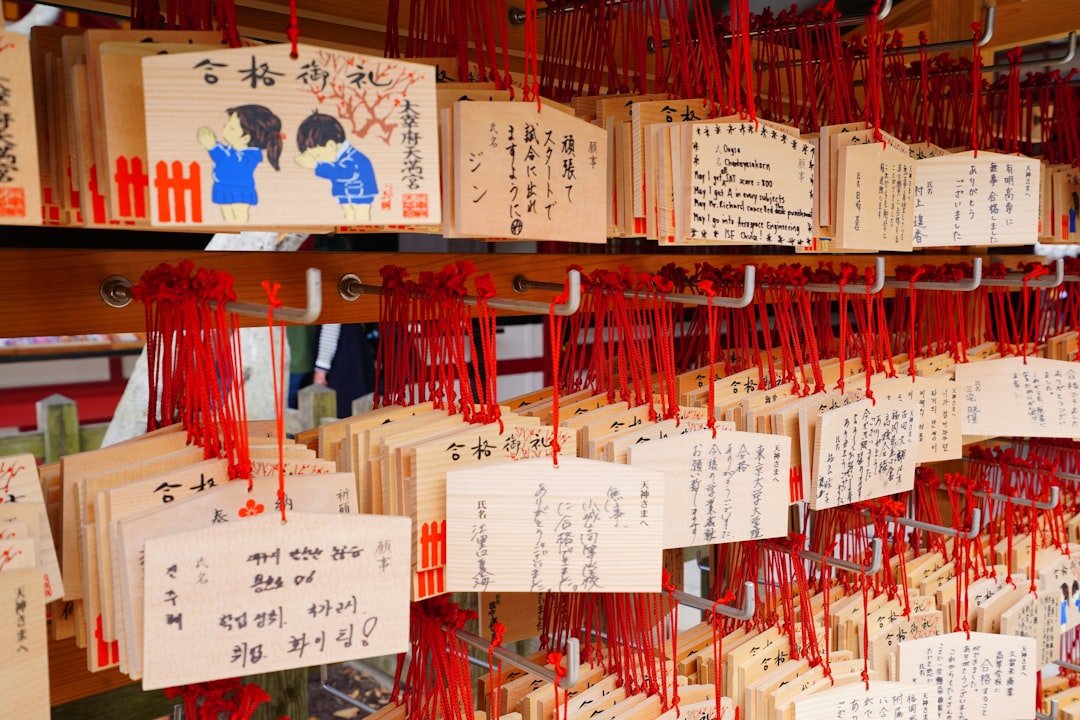
Dazaifu Tenmangu is dedicated to Sugawara no Michizane, revered as a deity of learning. The Fukuoka Prefecture tourism organization describes a history of roughly 1,100 years, and the shrine is about a five-minute walk from Dazaifu Station. Students and families often visit to pray for academic success, while travelers come for the approach street, seasonal gardens and the wider historic setting.
Allow half a day from central Fukuoka. The city’s official itinerary estimates roughly 35 minutes by Nishitetsu train from Tenjin. Pair the shrine with the Kyushu National Museum; add Komyozenji only after checking its current access. The shrine approach can become crowded, so go early, keep the central path clear and never photograph private prayers at close range.
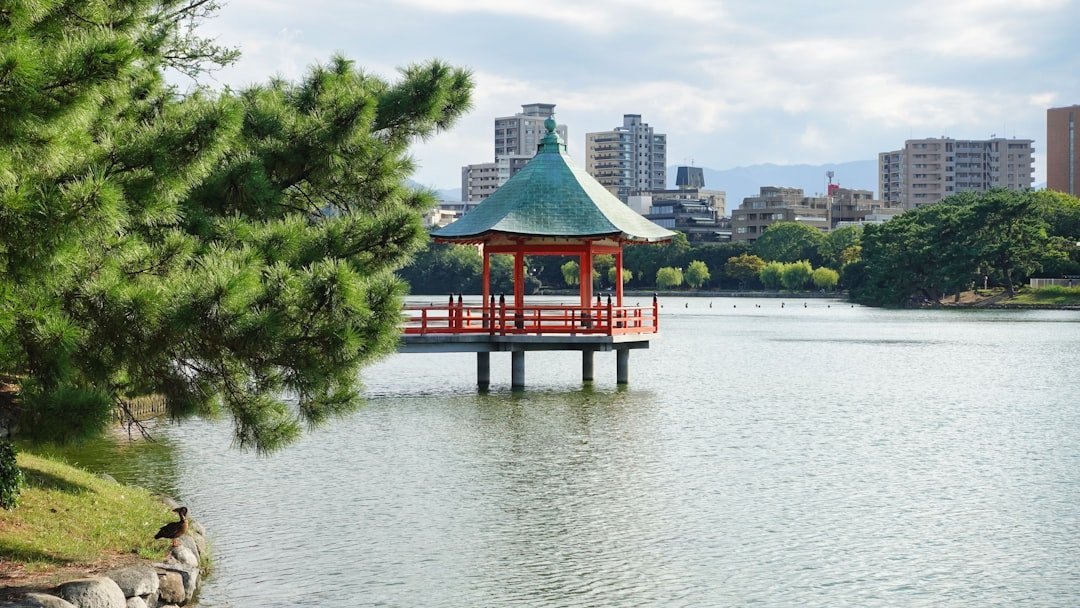
3. Slow down at Ohori Park
Ohori Park spreads around a broad pond adapted from the former moat system of Fukuoka Castle. It works equally well for a morning walk, a gentle run or a late-afternoon break. Bridges and islands create varied viewpoints, while the nearby Fukuoka Art Museum and Japanese Garden make the area more than a simple photo stop.
The official city guide notes that the park is only two subway stations—about four minutes—from Tenjin. Combine it with adjacent Maizuru Park rather than making a separate cross-city journey. Keep to shared-path etiquette, watch for bicycles and do not feed wildlife unless local signs explicitly permit it.
4. Read the city from Fukuoka Castle Ruins and Maizuru Park
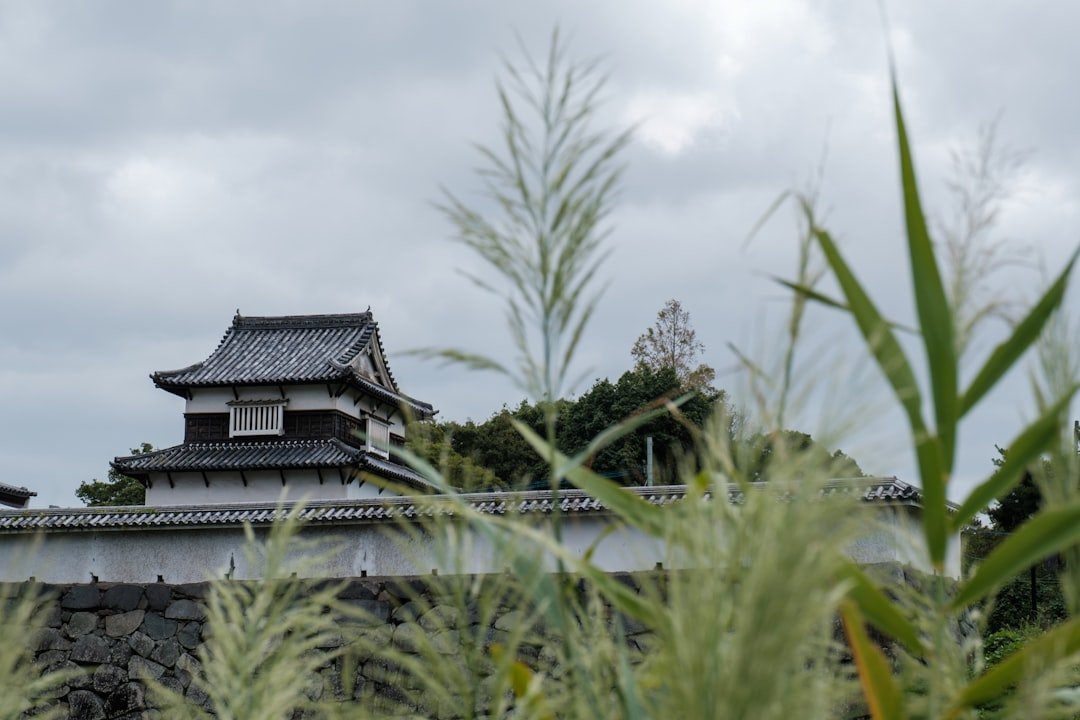
Fukuoka Castle Ruins occupy the hill and stonework west of central Tenjin. The surviving walls, gates and elevated viewpoints are the attraction; this is not a reconstructed castle keep. Maizuru Park around the ruins is especially popular during blossom season, but the paths and city views are worthwhile year-round.
Wear shoes with grip because some approaches include uneven stone and slopes. Allow 60–90 minutes, longer if you combine the ruins with Ohori Park. Treat the photograph below as a general Fukuoka-area park-architecture image rather than documentation of a specific surviving castle structure.
5. Explore Canal City, Kawabata and Hakata Station
For a modern counterpoint, link the Kawabata arcade with Canal City Hakata and the upper floors of Hakata Station. This route is useful during rain and gives travelers an easy introduction to local snacks, department-store food halls and regional souvenirs. Canal City is a shopping and entertainment complex, not a heritage sight, so prioritize it according to your interests.
Hakata Station is also the practical hub for Shinkansen and regional rail day trips. Before leaving the station, locate your platform, coin lockers and ticket office; this small preparation saves time on departure morning. When carrying luggage, use station elevators and avoid peak commuter flows if your schedule is flexible.
PART 2 — Parks, Coast & Night Fukuoka
6. See the skyline from Fukuoka Tower
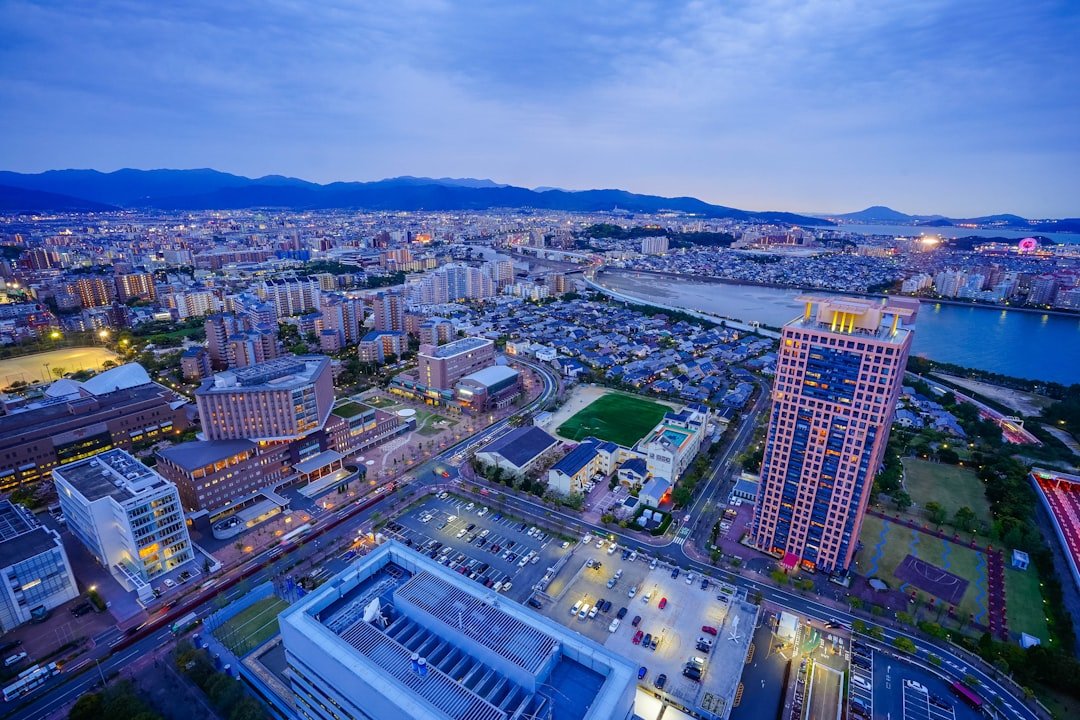
Fukuoka Tower is the city’s most recognizable modern landmark. The official city itinerary gives a total height of 234 meters and an observation level at 123 meters, with a façade covered in thousands of half-mirrors. Go in late afternoon if you want daylight, sunset and night views in one visit, but reserve extra time on weekends and clear-weather evenings.
Visibility changes quickly, so check the official operating notice and weather before paying for an observation visit. The tower is in Momochi rather than beside Hakata Station; the official guide estimates about 15 minutes by bus from Tenjin under typical conditions, but traffic can add time.
7. Walk Momochi Seaside Park
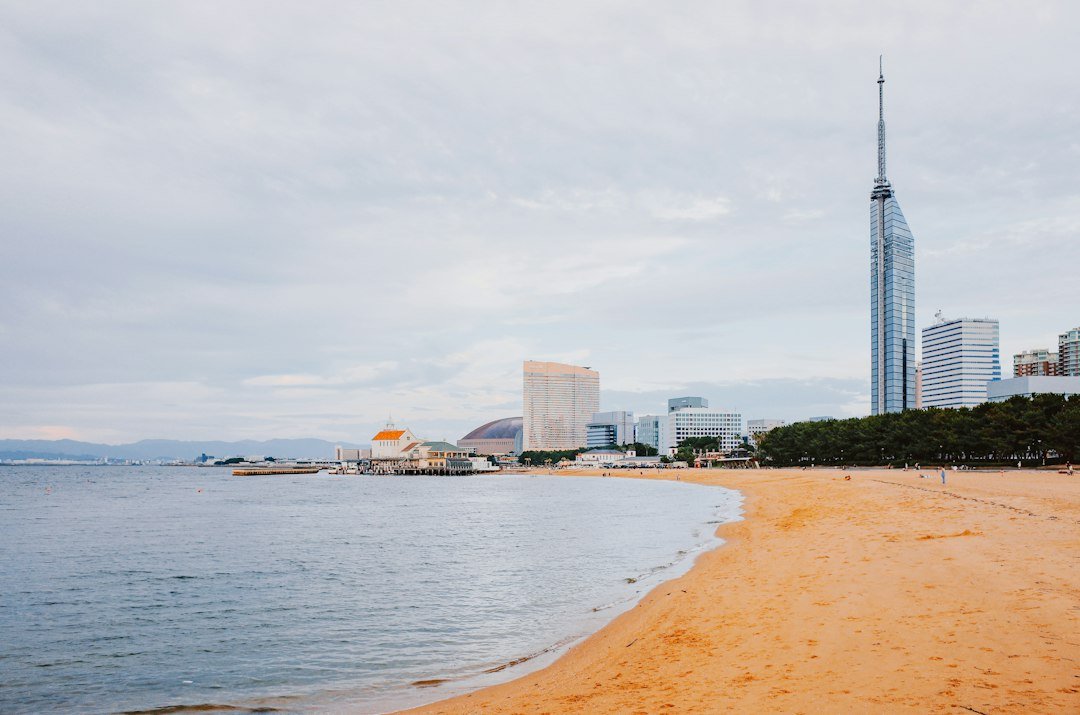
Momochi’s waterfront gives central Fukuoka a spacious, resort-like edge. Combine the beach promenade with Fukuoka Tower and nearby museum stops. This is best treated as a relaxed two- to three-hour district visit rather than a quick photo dash, especially around sunset.
Swimming conditions, beach facilities and event access are seasonal, so follow local notices. Strong sun and coastal wind can occur on the same day; carry water and a light layer. The promenade is public space, so compose photographs without using strangers as the main subject.
8. Add an island or bay outing only when the weather cooperates
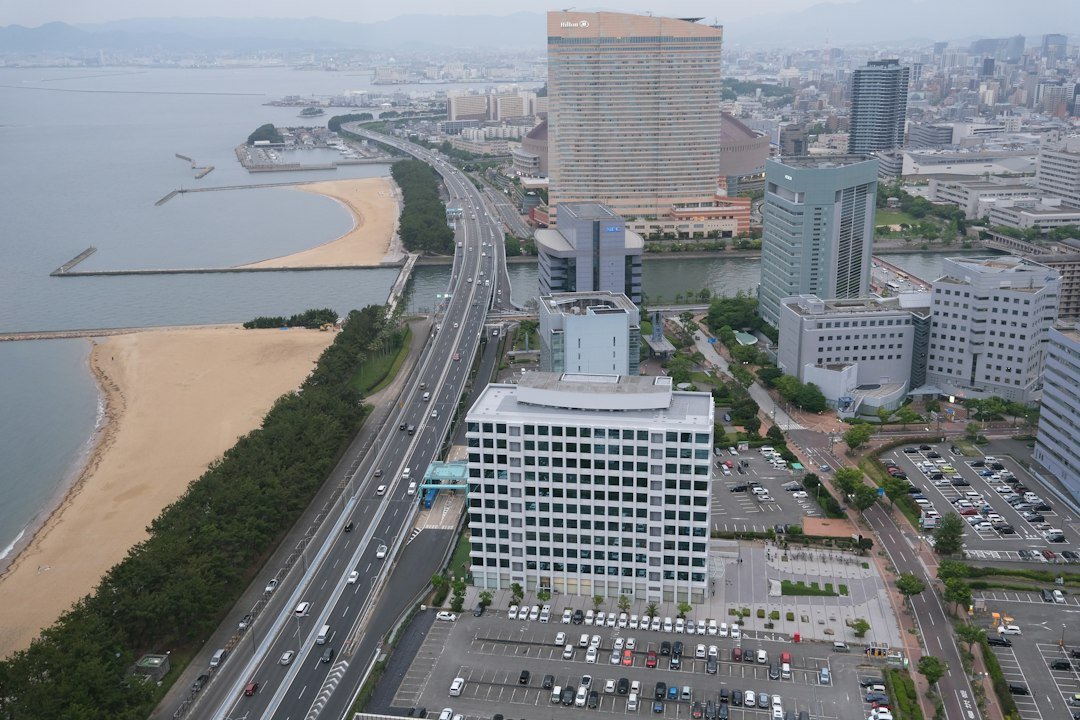
Fukuoka’s coastal setting opens several optional excursions. Nokonoshima is the best-known nearby island for seasonal flowers and open views, while Uminonakamichi offers a larger recreational day across the bay. Ferry and attraction schedules are more weather-sensitive than subway sightseeing, so treat these as optional day-four ideas.
The image below is a general aerial interpretation of Fukuoka’s coastal urban landscape. It is not presented as a precise view of Nokonoshima or a substitute for a current route map.
9. Follow the Naka River into evening
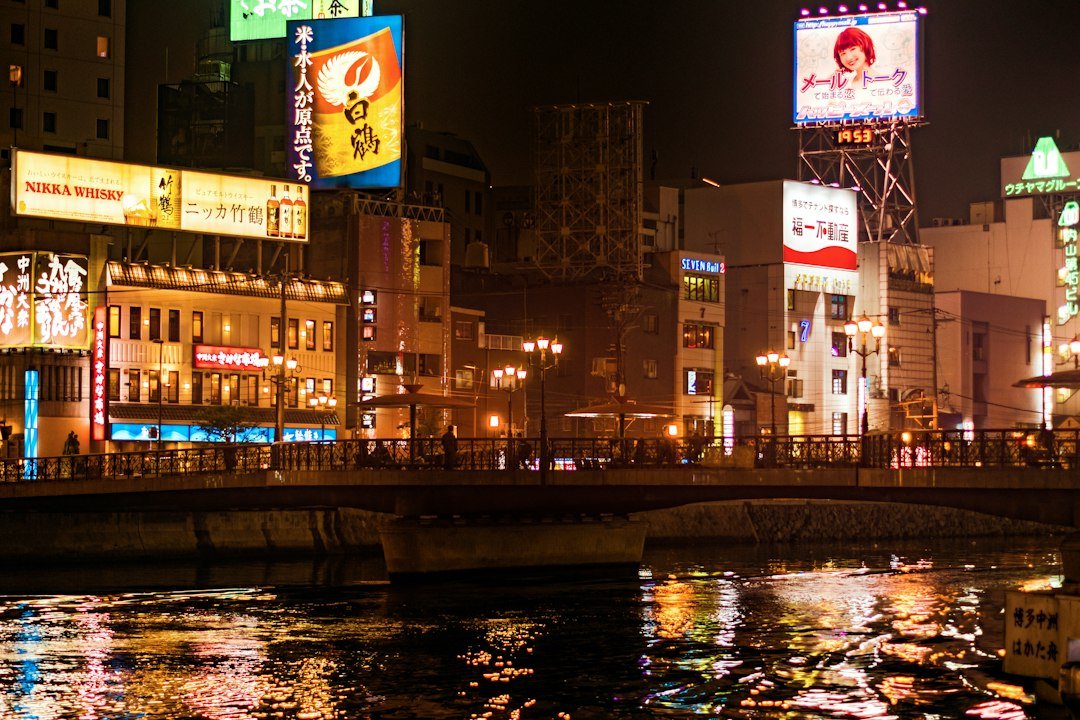
Nakasu sits between Hakata and Tenjin, with river reflections, restaurants and nightlife packed into a small area. A twilight walk is atmospheric, but the district is also one of the city’s busiest entertainment zones. Keep valuables secure, check prices before entering unfamiliar venues and use well-lit main streets late at night.
For a calmer experience, photograph the river from public bridges, have an early dinner and continue toward Tenjin. Travelers who prefer quiet evenings may enjoy the view without making Nakasu their accommodation base.
10. Understand yatai before you sit down
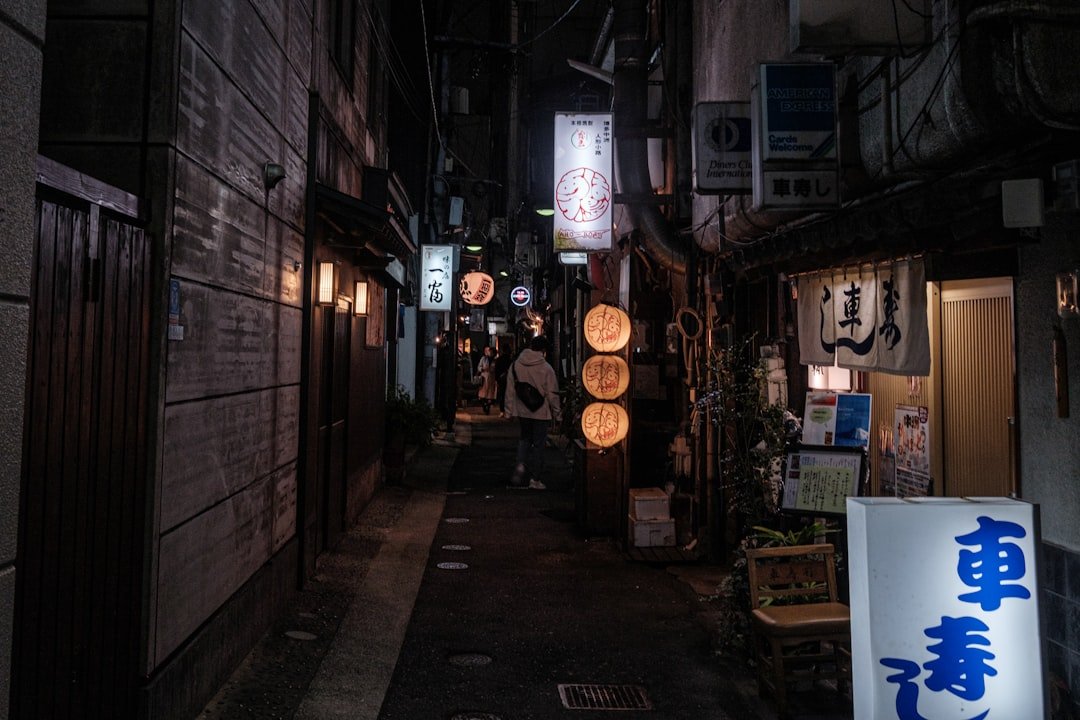
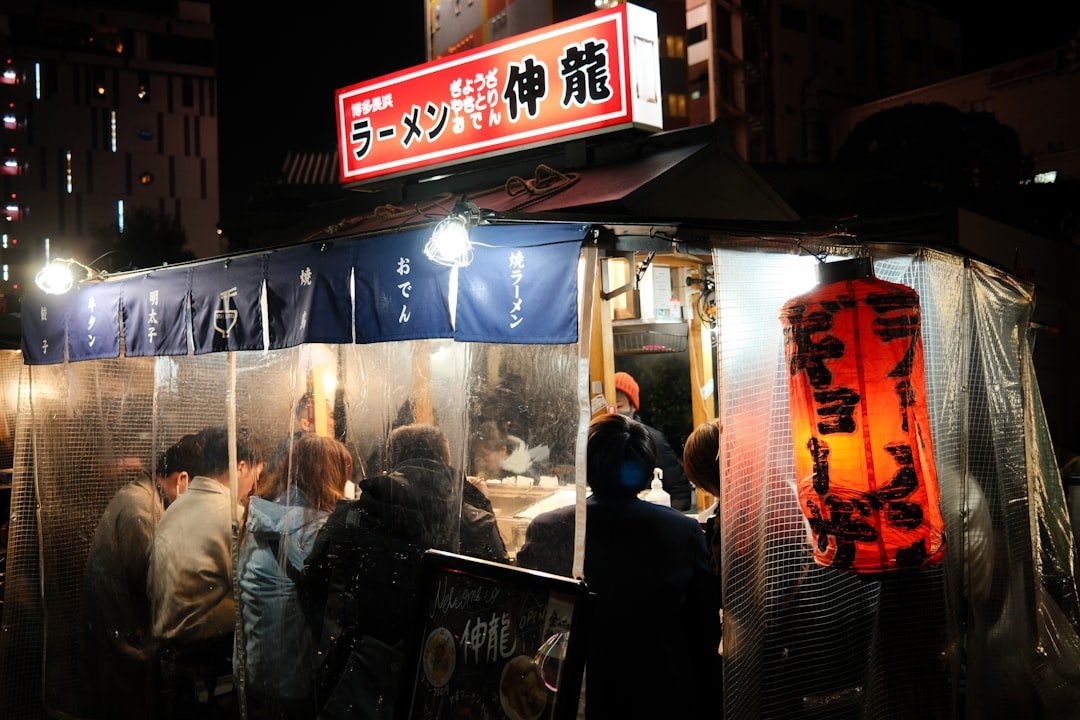
Fukuoka’s open-air yatai stalls are a signature evening experience. The official city guide says more than 100 operate around the city at dusk, serving dishes such as ramen, oden, gyoza, yakitori and tempura. The exact stalls and operating nights change, particularly in bad weather, so use the current official yatai map rather than relying on an old social-media list.
Stalls are small. Join the queue, keep bags compact, order a drink or several dishes, and do not occupy seats after finishing when others are waiting. Ask before photographing the cook or neighboring customers. Prices should be visible; confirm any unclear charge before ordering.
PART 3 — Where to Stay, Eat & Drink Coffee
🏨 Where to Stay in Fukuoka
Choose your base by transport pattern rather than hotel category alone. Hakata is ideal for airport, Shinkansen and day-trip connections. Tenjin, Daimyo and Nakasu are better for nightlife, independent dining and shopping. Rates vary sharply by weekend, festival and holiday, so compare flexible dates on the hotel’s own website.
💎 Luxury
The Ritz-Carlton, Fukuoka — Location: Daimyo Garden City, close to Tenjin. Why choose it: polished high-rise rooms, city and bay perspectives, and immediate access to Daimyo dining. Best for: celebrations, premium service and travelers who want nightlife nearby. Official website → Google Maps.
Grand Hyatt Fukuoka — Location: Canal City Hakata, between Hakata and Nakasu. Why choose it: full-service comfort and a sheltered shopping-and-dining complex below. Best for: first-time visitors who want a central, convenient base. Official website → Google Maps.
⭐ Mid-range
THE BASICS FUKUOKA — Location: east of Hakata Station. Why choose it: design-forward common spaces and straightforward access to the main rail hub. Best for: couples and design-minded travelers who still prioritize transport. Official website → Google Maps.
Hotel Forza Hakataeki Chikushi-Guchi I — Location: approximately one minute from Hakata Station’s Chikushi side according to the hotel. Why choose it: exceptionally simple arrival and departure. Best for: rail-heavy itineraries and short stays. Official website → Google Maps.
💰 Budget
WeBase Hakata — Location: near Gofukumachi and Hakata Old Town. Why choose it: hostel-style social spaces and useful access to temples and local lanes. Best for: solo travelers and visitors comfortable with compact rooms or shared facilities. Official website → Google Maps.
Hotel Wing International Select Hakata Ekimae — Location: about four minutes on foot from Hakata Station according to the hotel. Why choose it: private rooms and station convenience at a typically simpler service level. Best for: value-focused couples and early departures. Official website → Google Maps.
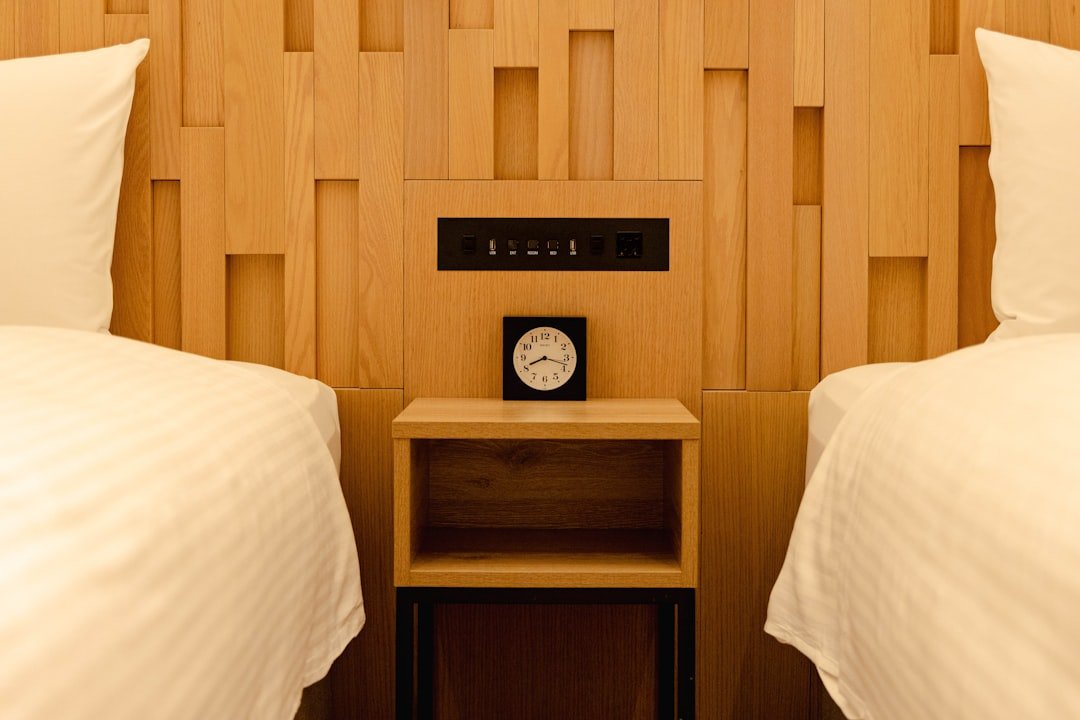
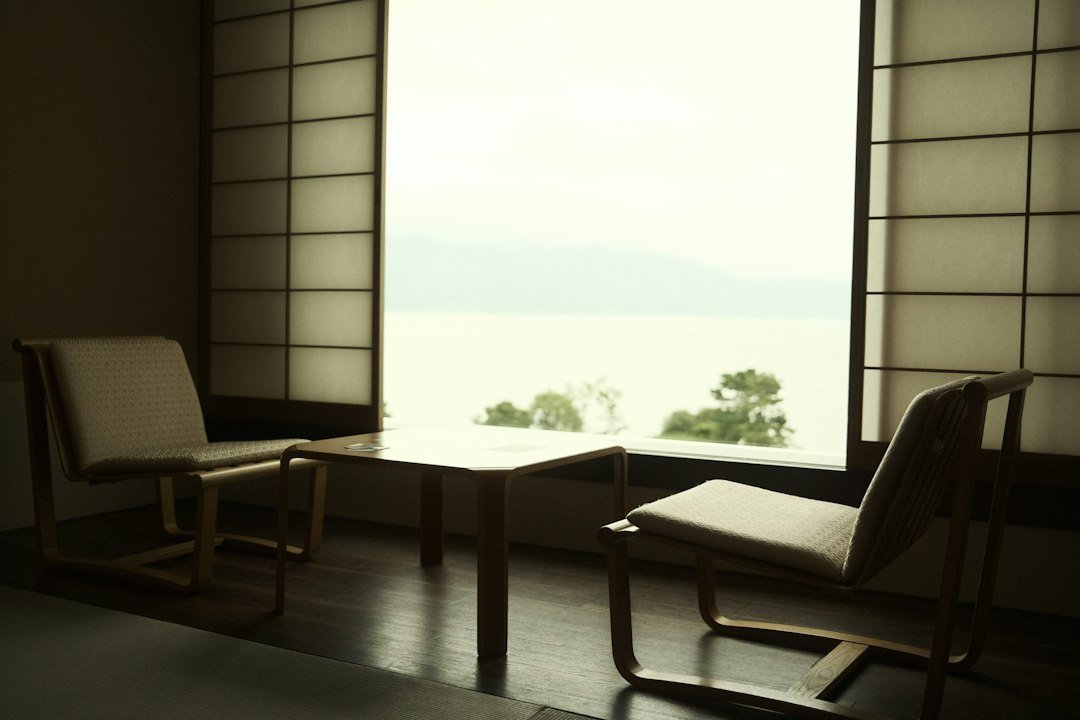
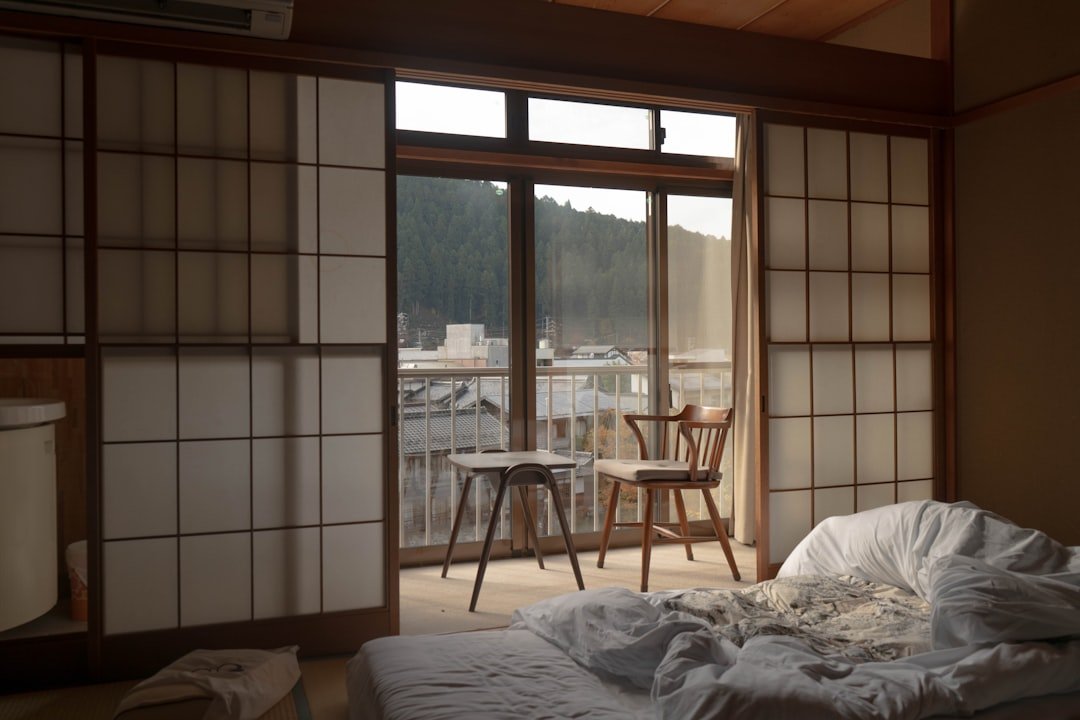
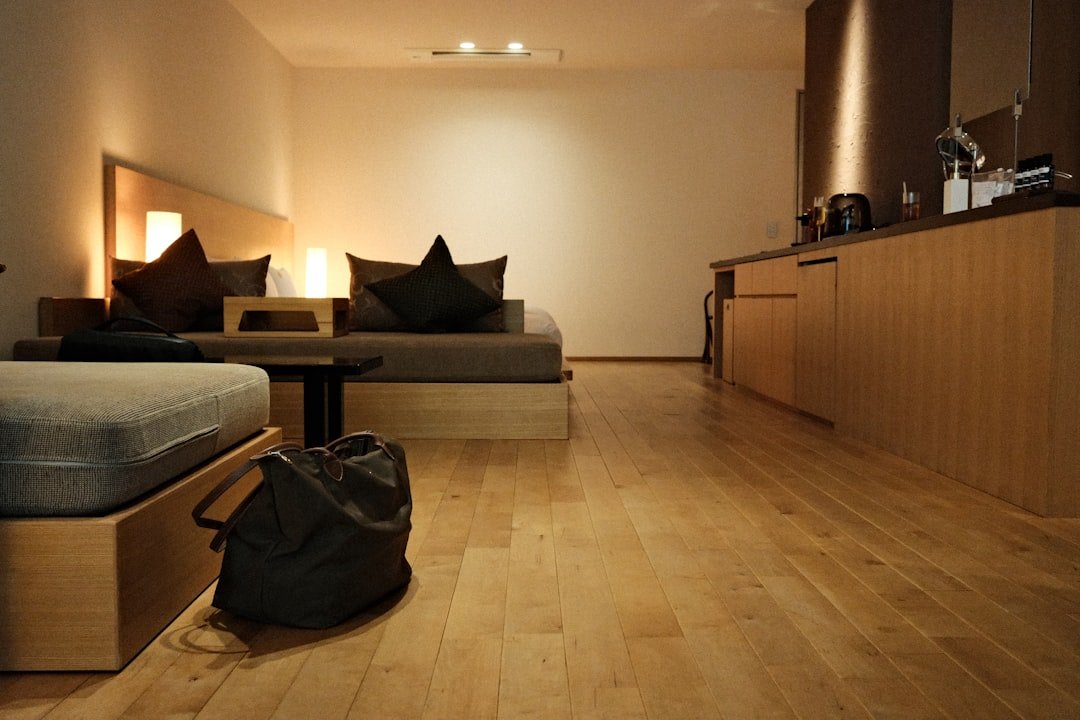
Hotel images in PHOTO 11–14 are clearly labeled illustrations and do not depict the named properties. Verify room type, bed size, accessibility, taxes and cancellation terms directly before booking.
🍜 Restaurants and Signature Dishes
Motsunabe Ooyama — Order its signature motsunabe, a rich hot pot built around beef offal, cabbage, chives and seasoned broth. The company lists branches convenient to travelers, including Hakata Station areas. Finish with noodles if offered. Official website → Google Maps.
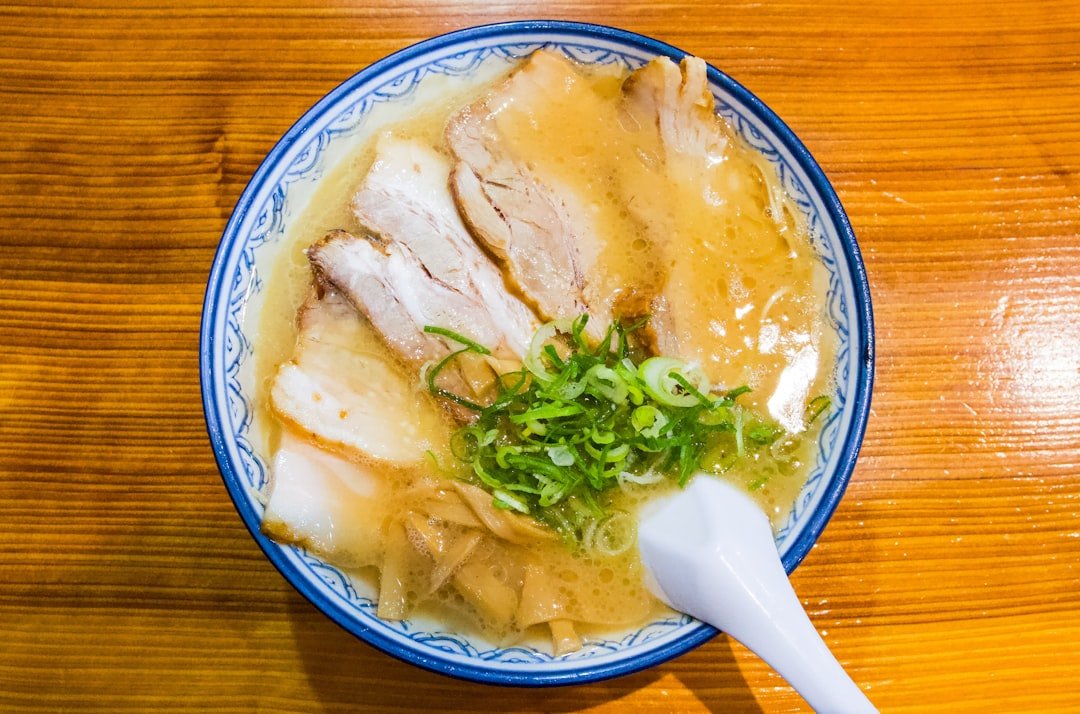
Hakata Ikkousha — A practical introduction to Hakata-style tonkotsu ramen: concentrated pork-bone broth, thin noodles and optional extra toppings. Choose your preferred noodle firmness, then add only enough spicy seasoning to keep the broth balanced. Official website → Google Maps.
Ganso Hakata Mentaiju — Known for mentaiko served with rice and seaweed in a presentation designed around Fukuoka’s famous seasoned pollock roe. Queues can be long; visit outside peak meal times and confirm current ordering rules. Official website → Google Maps.
What else to taste: goma-saba when reputable restaurants confirm fresh availability, Hakata udon with soft noodles, yakitori and bite-size tetsunabe gyoza. Travelers with allergies should carry a Japanese allergy card; pork, fish, sesame, soy and wheat appear widely in local specialties.
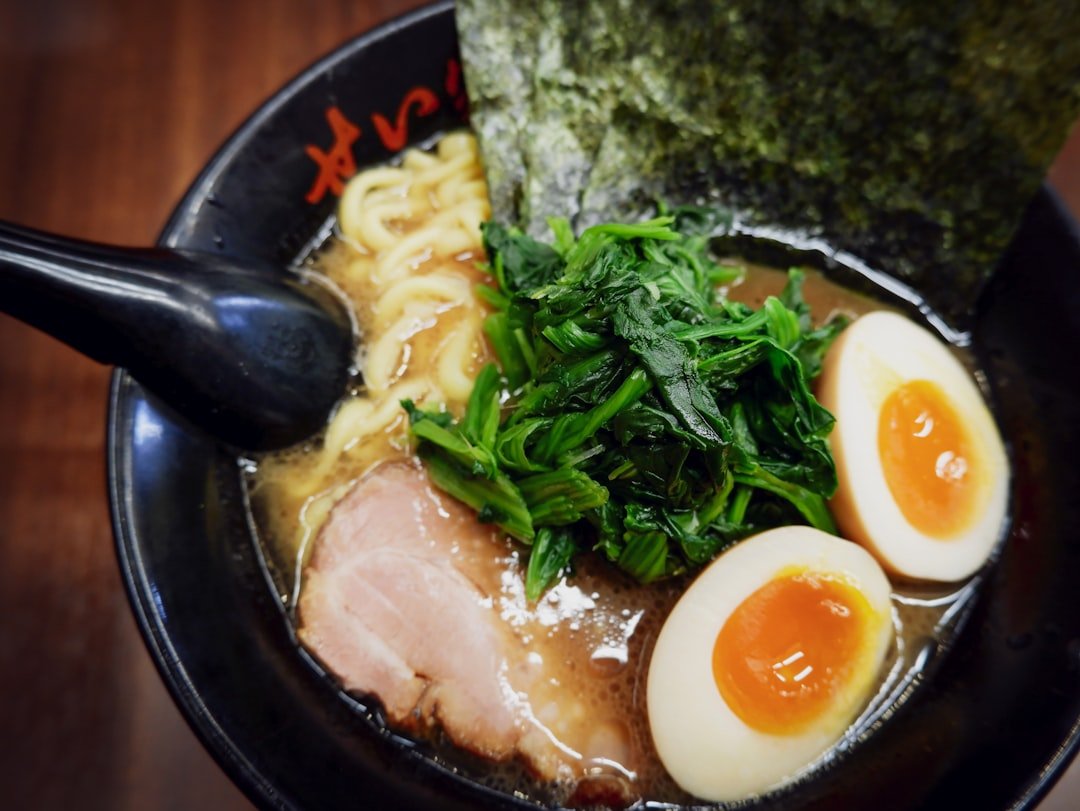
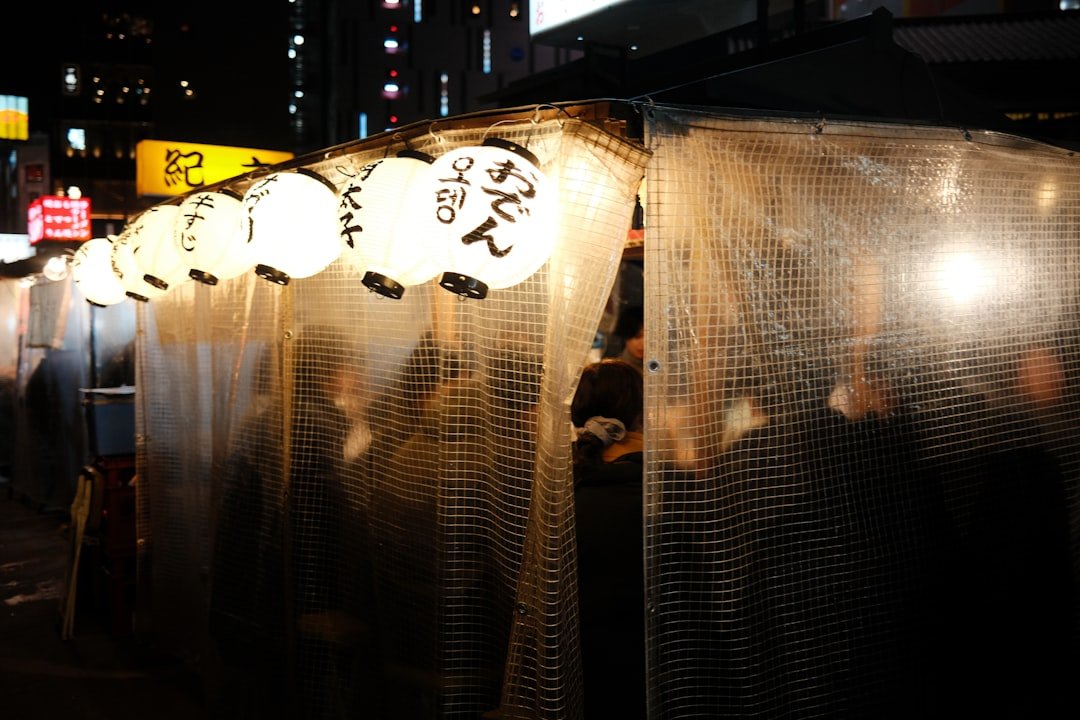
☕ Cafés
REC COFFEE Hakata Marui — A convenient specialty-coffee stop near Hakata Station; the company’s current store page places it on the sixth floor of Hakata Marui. It suits an arrival-day espresso or pour-over without a detour. Official website → Google Maps.
manucoffee — A local roaster with a recognizable place in Fukuoka’s independent coffee culture. Check its official channels for the current branch list and hours because individual shops can change. Pair a visit with Tenjin, Yakuin or Daimyo rather than making a separate cross-city journey. Official website → Google Maps.
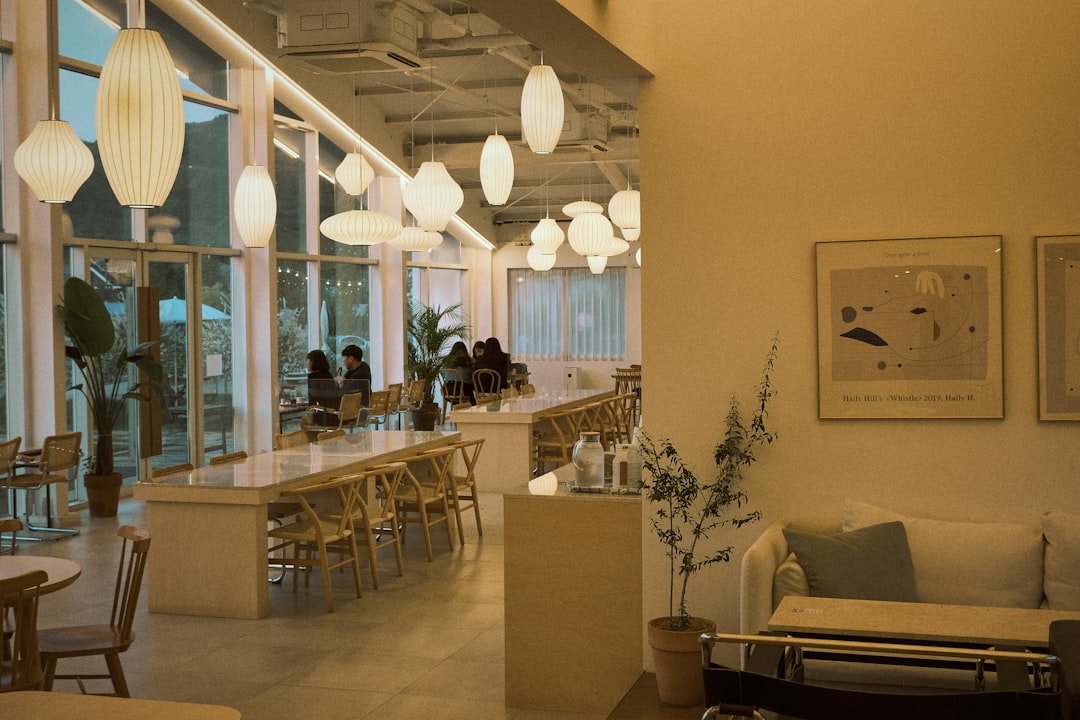
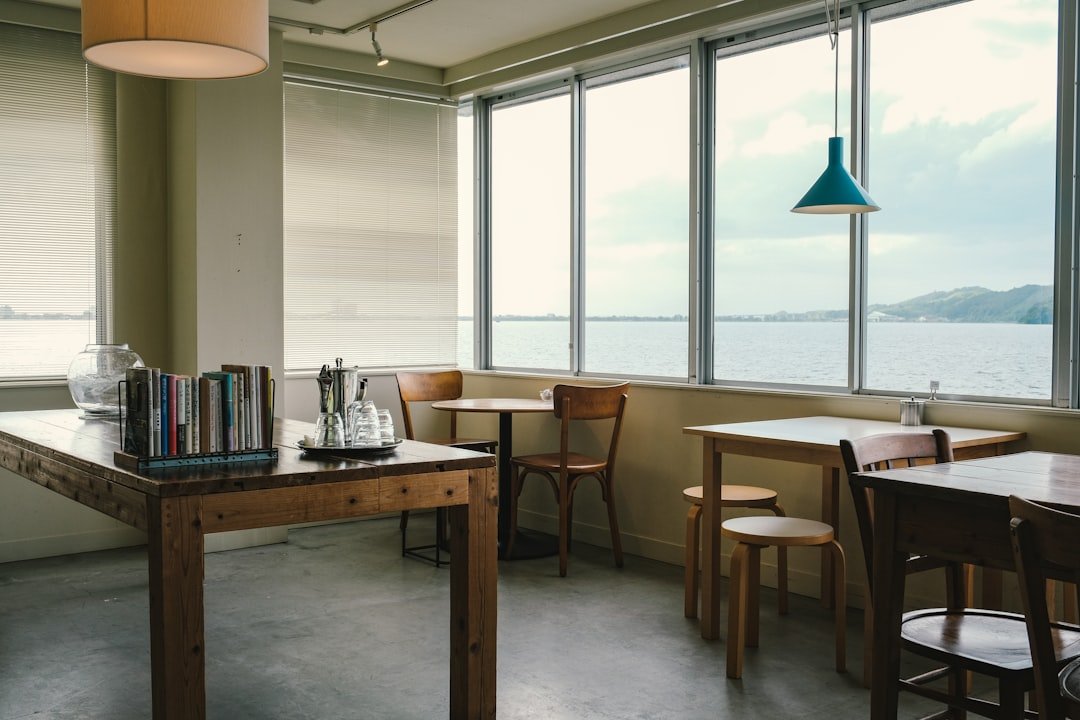
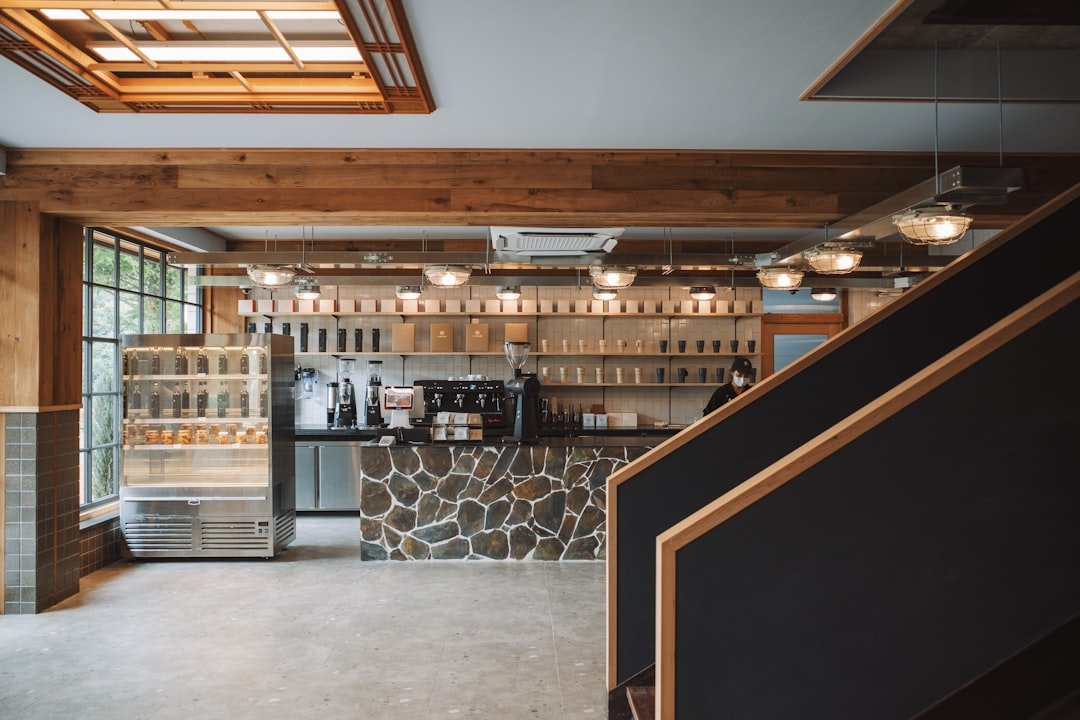
PHOTO 18–20 are illustrative Japanese café interiors, not photographs of REC COFFEE or manucoffee.
PART 4 — Fukuoka Itinerary & Practical Advice
🗓️ A Practical 3-Day Fukuoka Itinerary
Day 1 — Hakata heritage and yatai
- Morning: Kushida Shrine, Hakata Old Town, Tochoji and nearby lanes.
- Lunch: Hakata udon, ramen or a set meal near Gion.
- Afternoon: Kawabata arcade, Canal City and a coffee stop.
- Evening: Naka River walk; choose one yatai area using the official current map.
Day 2 — Ohori, Maizuru and Momochi
- Morning: Ohori Park loop and either the Japanese Garden or Fukuoka Art Museum.
- Midday: Fukuoka Castle Ruins and Maizuru Park.
- Afternoon: Bus or subway-plus-walk to Momochi; beach promenade and museum if desired.
- Sunset: Fukuoka Tower, weather and visibility permitting.
Day 3 — Dazaifu and Tenjin
- Morning: Early train to Dazaifu Tenmangu and the approach street.
- Afternoon: Kyushu National Museum, then return to Tenjin.
- Evening: Daimyo dining, motsunabe or a second ramen style.
Optional Day 4: Choose one weather-dependent coastal outing, a rail day trip to another Kyushu city, or an unhurried neighborhood day in Yakuin and Daimyo. Avoid stacking two long excursions into the same day.
🚇 Airport and City Transport
Fukuoka Airport’s proximity to the urban center is a major advantage. Use the official city subway website for current timetables, fares, maintenance and pass information. Major Japanese IC cards can be used on the subway, but regional passes and tourist offers have their own conditions. Do not buy a day pass automatically: compare its current price with the journeys you will actually take.
Hakata–Tenjin trips are quick, yet buses can slow in traffic. For time-critical reservations, favor the subway and allow a walking buffer. On escalators and platforms, follow local signs, keep luggage beside you and let passengers exit before boarding.
💴 Budget and Booking Strategy
- Accommodation: book early for Japanese holiday periods, major concerts, festivals and blossom weekends.
- Food: ramen and udon make affordable meals; premium sushi, wagyu and hotel dining raise the daily budget quickly.
- Cash: cards are widely useful, but small yatai, vending areas and older shops may be easier with yen.
- Reservations: reserve only the must-have restaurant; leave flexibility for weather and queues.
- Connectivity: an eSIM, local SIM or pocket Wi-Fi helps with live transport changes and map navigation.
🌦️ Seasonal Planning
Spring brings flowers and high demand. Early summer’s rainy period can affect outdoor plans; midsummer is hot and humid, so schedule parks early and use museums or shopping complexes at midday. Autumn is often comfortable for walking. Winter is cooler and can be windy at the coast, but it suits food-focused city breaks.
For a September visit, the official Fukuoka guide currently lists the Hojoya festival at Hakozaki Shrine for September 12–18, 2026. Expect extra crowds and confirm the day’s program directly; event dates should never be assumed for a future year.
♿ Accessibility and Responsible Travel
Major stations and modern attractions generally provide elevators, but temple grounds, castle ruins and older lanes may include steps or uneven surfaces. Check each attraction’s accessibility page and contact your hotel about room dimensions and bathroom configuration. Keep voices low at shrines, take litter with you and avoid photographing identifiable people without permission.
🔗 Official Websites
- Fukuoka City Official Tourist Guide
- Fukuoka City Subway
- Dazaifu Tenmangu
- Fukuoka Prefecture Tourism — Dazaifu Tenmangu
- Official Ohori Park Area Plan
- Official Momochi Area Plan
📍 Google Maps
🔗 For More Japan Travel Guides
⦿ Tokyo Travel Guide 2026
⦿ Hiroshima Travel Guide 2026
⦿ Nara Travel Guide 2026
⦿ Kanazawa Travel Guide 2026
⦿ Kyoto Travel Guide 2026
⦿ Osaka Travel Guide 2026
📸 Photo Licensing & Editorial Note
All 20 article photographs were sourced through Unsplash and are used under the Unsplash License, which permits commercial use. Each caption identifies the photographer, source, license and applied changes. Hotel, ramen and café photographs labeled “illustrative” communicate category or atmosphere only; they are not presented as images of named businesses. No personal visit is claimed in this guide.
Final Thoughts
Fukuoka rewards a simple rhythm: historic Hakata in the morning, parks or the coast in the afternoon, then a focused dinner after dark. Base yourself near the transport you will use most, keep Dazaifu or the bay flexible, and verify same-day information through the official links above. With that approach, this Fukuoka Travel Guide 2026 becomes a practical framework rather than an overpacked checklist.