
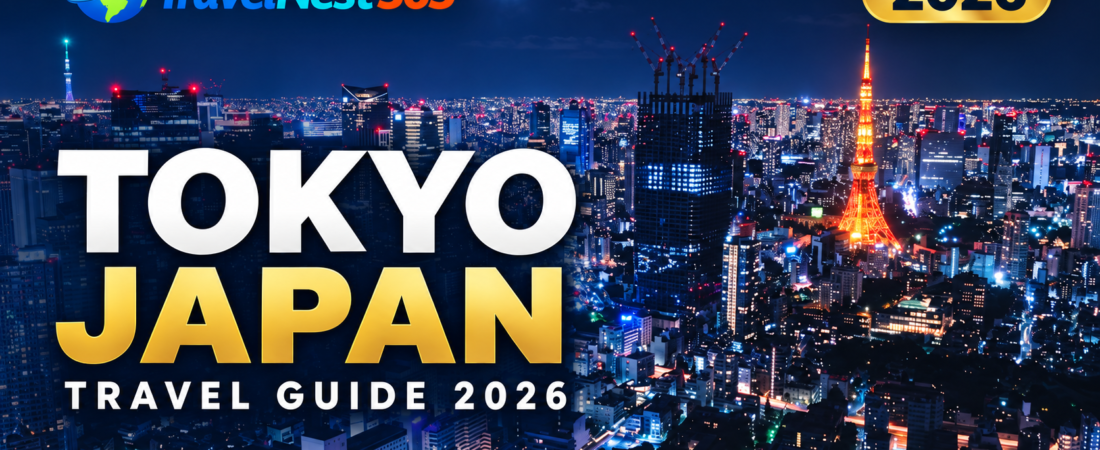
🇯🇵 Tokyo Travel Guide 2026
Ancient Temples, Neon Neighborhoods, Skyline Views & Essential Local Food
This Tokyo Travel Guide 2026 turns one of the world’s largest cities into a practical neighborhood-by-neighborhood plan. Tokyo is not a single sightseeing center: Asakusa, Marunouchi, Shibuya and Shinjuku each feel like a different city, and crossing between them takes real time. A good itinerary groups nearby places instead of racing between landmarks.
Four full days cover the essential contrasts: historic eastern Tokyo, the Imperial Palace and Tokyo Station, the fashionable west side, and one flexible day for museums, food or digital art. Five days is more comfortable if you want a slower pace, shopping, café time or a day trip. This guide uses official information checked on September 13, 2026; timed-entry attractions, seasonal opening hours and hotel rates should still be confirmed before travel.
✈️ Quick Travel Information
| Destination | Tokyo, Japan |
|---|---|
| Best for | First-time Japan trips, food, design, shopping, temples, museums and city photography |
| Recommended stay | 4 full days; 5–6 days for a slower visit or day trip |
| Main airports | Haneda Airport (HND) and Narita International Airport (NRT) |
| Useful transport | JR lines, Tokyo Metro, Toei Subway and rechargeable IC cards |
| Best base areas | Tokyo Station/Marunouchi, Shinjuku, Shibuya, Ueno or Asakusa |
| Best seasons | March–May and October–November; expect peak crowds during cherry blossom season |
| Language | Japanese; major stations and attractions have useful English signage |
| Currency | Japanese yen (JPY) |
| Cash or card? | Cards and IC payments are common, but carry some cash for smaller shops and ticket machines |
| 2026 planning note | Reserve major observation decks and teamLab in advance; check current attraction calendars before travel |
Information and linked official pages were checked on September 13, 2026. Prices and opening hours can change.
🧭 In This Tokyo Travel Guide 2026
🏮 PART 1 — Historic & Central Tokyo
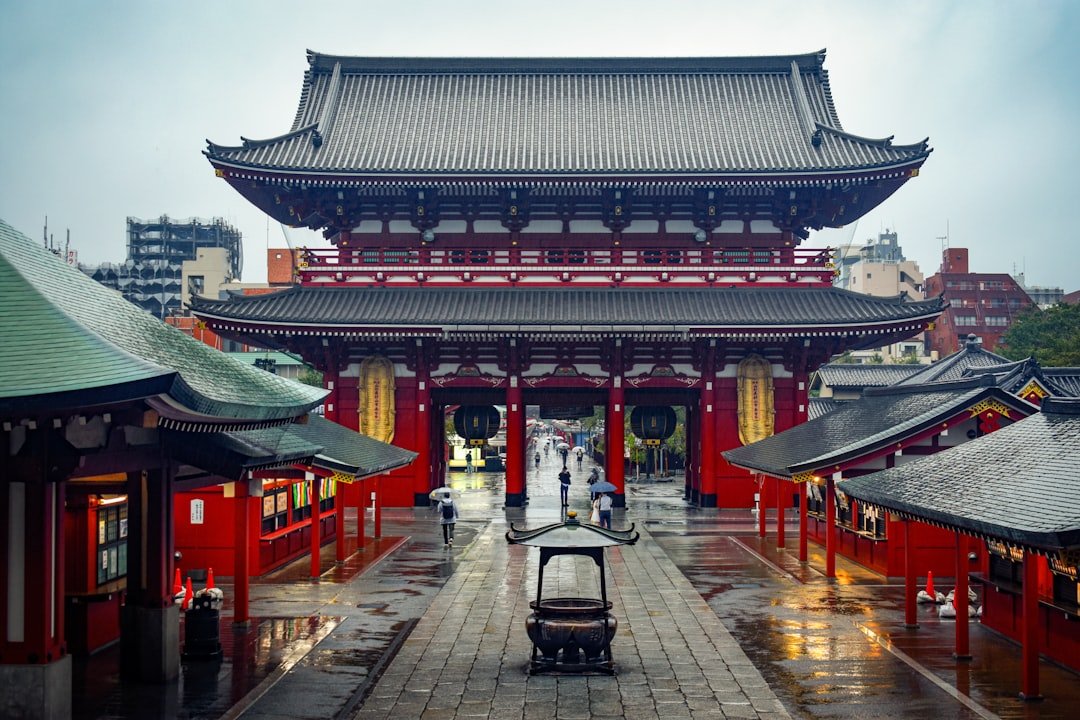
🏯 1. Sensoji Temple & Asakusa — Start with Old Tokyo
Sensoji is Tokyo’s oldest temple and the natural starting point for a first visit. Walk through Kaminarimon, continue along Nakamise shopping street and slow down before entering the main hall. The temple grounds are free to enter, while individual shops and seasonal events follow their own hours.
Arrive early if you want a quieter look at the gates and architecture. Later in the morning, Asakusa becomes lively with snack shops, souvenir stalls and visitors moving between the temple and Sumida River. The free observation terrace at the Asakusa Culture Tourist Information Center gives useful orientation over Nakamise.
🗼 2. Tokyo Skytree & the Sumida River
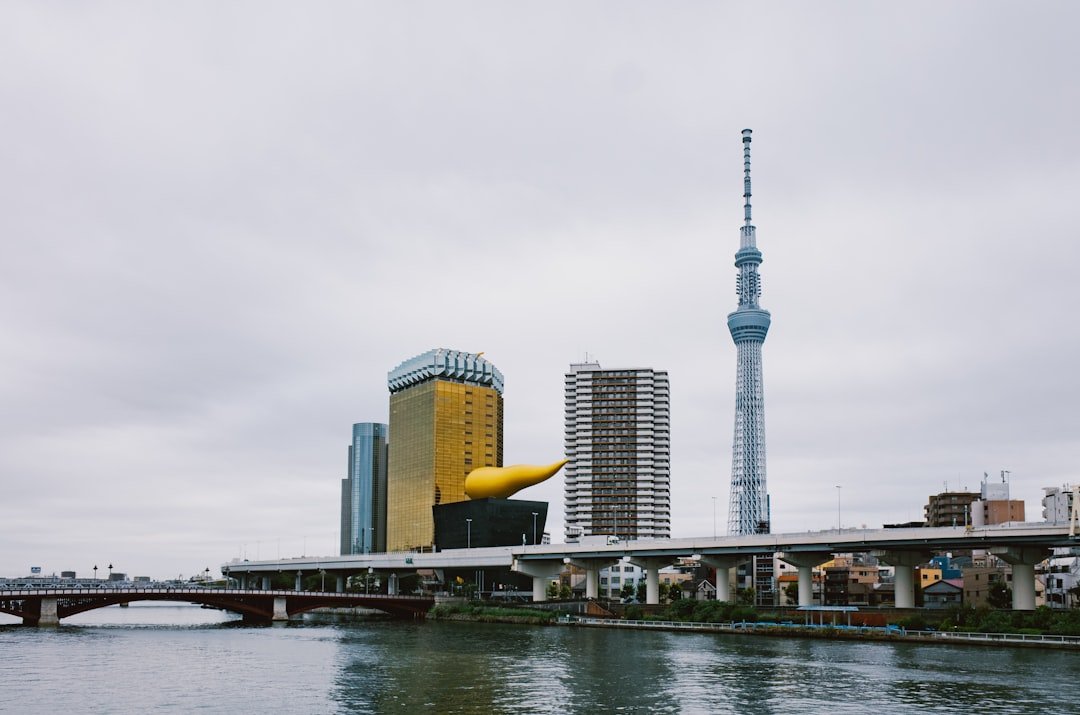
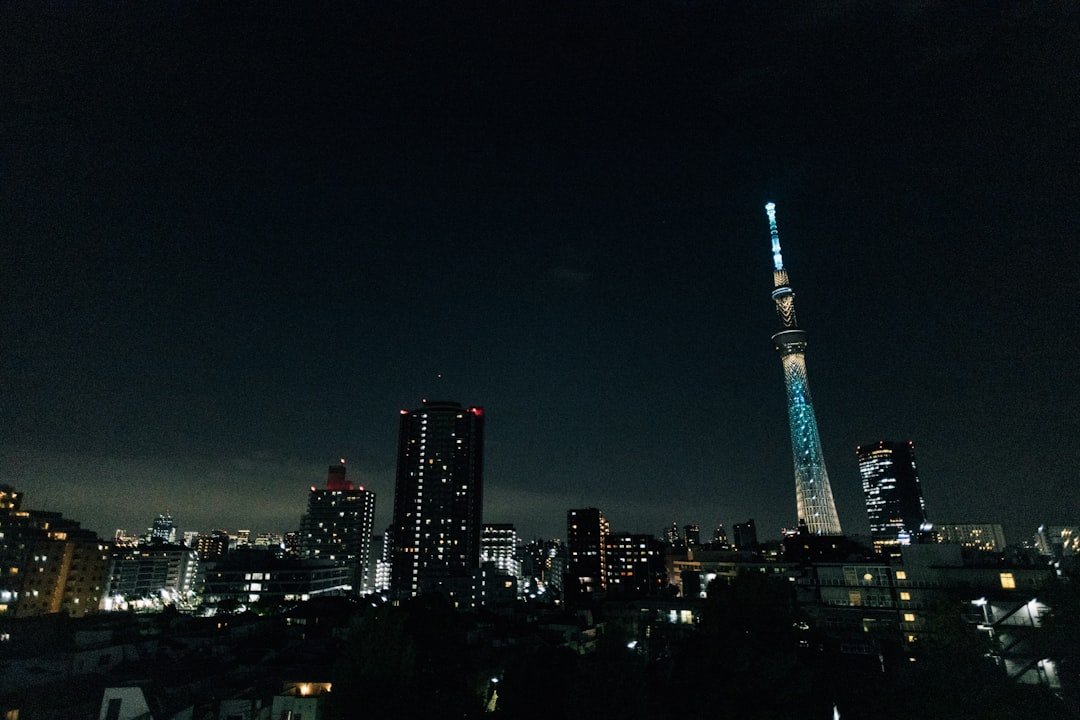
From Asakusa, walk toward the Sumida River for open views of Tokyo Skytree. The riverfront is valuable even if you skip the paid observation decks: it creates breathing room after Nakamise and shows how older eastern neighborhoods sit beside modern Tokyo.
Tokyo Skytree has two main observation levels and timed tickets can sell out at popular sunset periods. Book through the official site, then allow extra time for the shopping and dining complex below. Photographing the tower from the river is often easier than trying to frame it from directly underneath.
🎨 3. Ueno Park & Tokyo National Museum
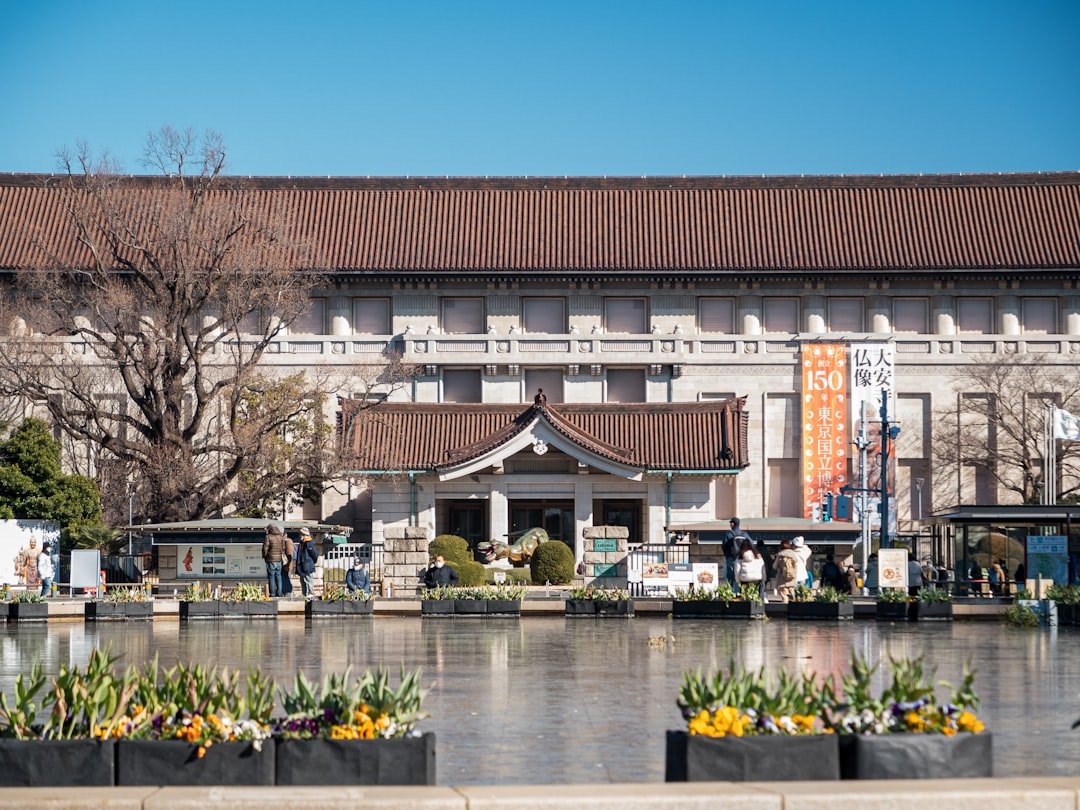
Ueno Park works best as a flexible half-day rather than a quick checkpoint. Choose one major museum, then leave time for the park, Shinobazu Pond or nearby Ameyoko. The Tokyo National Museum is the strongest first choice for Japanese art, Buddhist sculpture, ceramics, armor and archaeology.
Museum galleries and special exhibitions have separate calendars, so check the official page before building the rest of your day. Ueno is also a practical base for travelers using the Keisei Skyliner to or from Narita Airport.
🌉 4. Imperial Palace Area & East Gardens
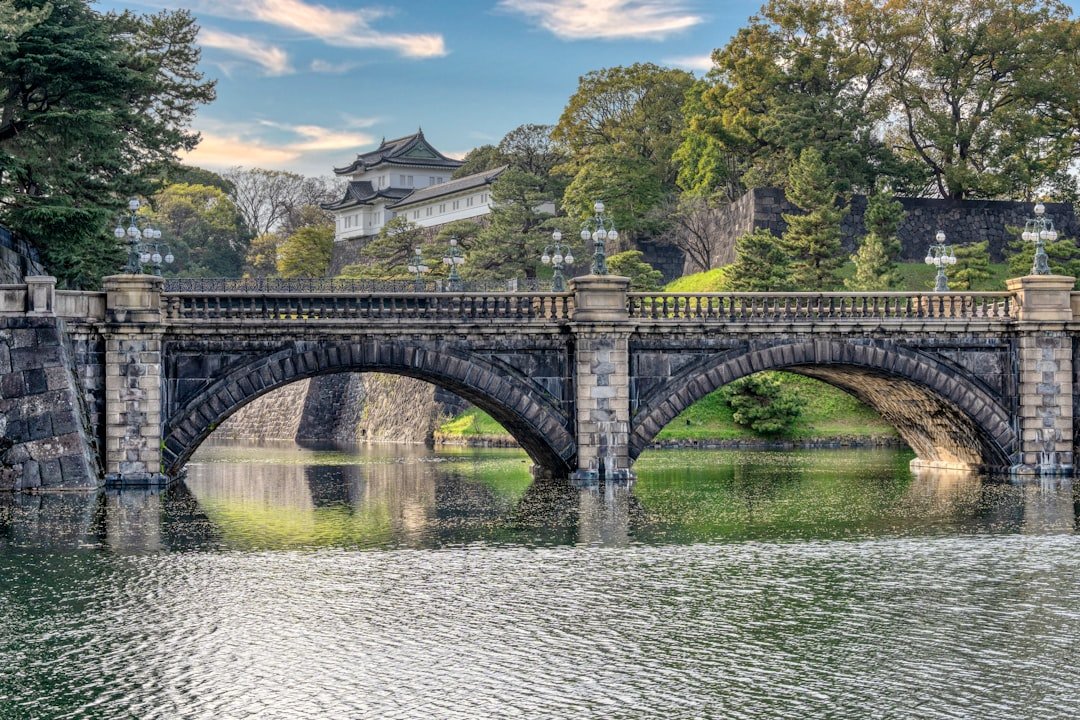
The Imperial Palace occupies the former Edo Castle site in the center of Tokyo. The Nijubashi viewpoint and broad Kokyo Gaien plaza are easy to combine with Marunouchi. The East Gardens are open to the public on scheduled days, while guided palace tours use a separate application and same-day ticket system.
Important 2026 detail: the Imperial Household Agency lists no palace tours on Sundays, Mondays and specified holidays. Afternoon tours are also suspended from July 1 through September 30. Bring original photo identification for an official tour and check the calendar for court-event closures.
🚉 5. Tokyo Station, Marunouchi & Ginza
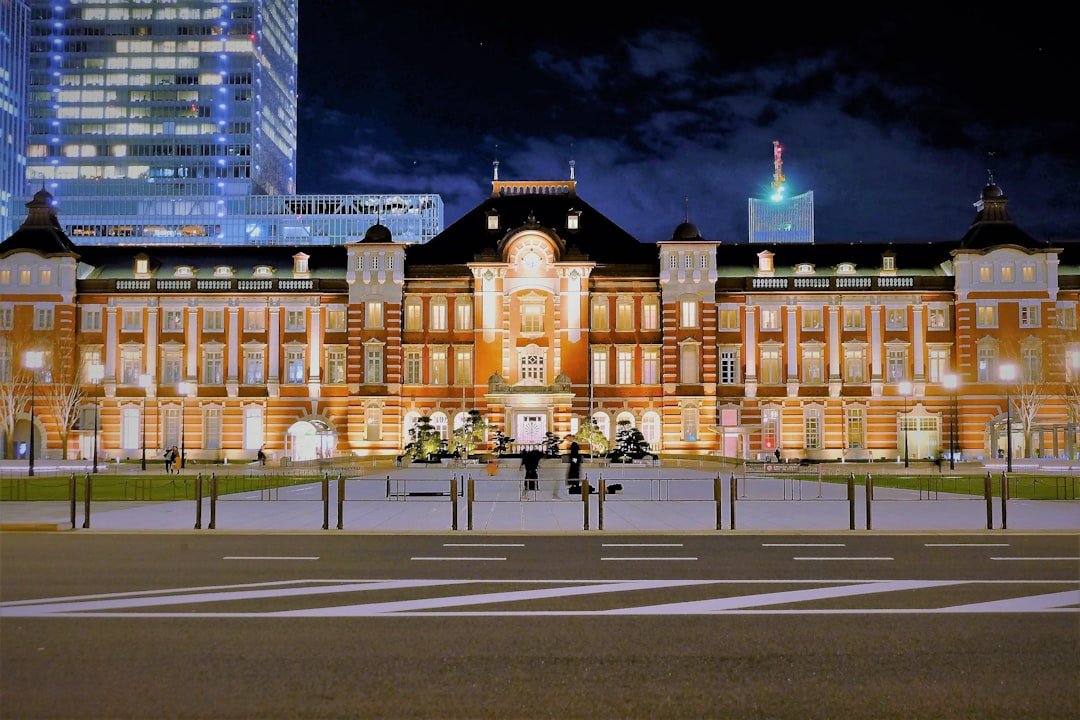
Tokyo Station is both a transport hub and a destination. View the restored red-brick Marunouchi facade, then walk through the polished business district toward the palace. Inside the station, underground passages connect dining areas, department stores and multiple rail lines; allow extra time because platforms can be far apart.
Continue south to Ginza for architecture, department-store food halls and evening lights. Ginza is more rewarding when treated as an urban walk than a shopping obligation. If seafood is the priority, Tsukiji Outer Market sits nearby: the wholesale market moved to Toyosu, but Tsukiji’s independent food shops and eateries remain active.
💡 TravelNest365 Tip: Pair Asakusa with Skytree, and pair the Imperial Palace with Tokyo Station and Ginza. These compact combinations save more time than choosing sights only by popularity.
🌃 PART 2 — Modern West Tokyo & Night Views
⛩️ 6. Meiji Jingu & Harajuku
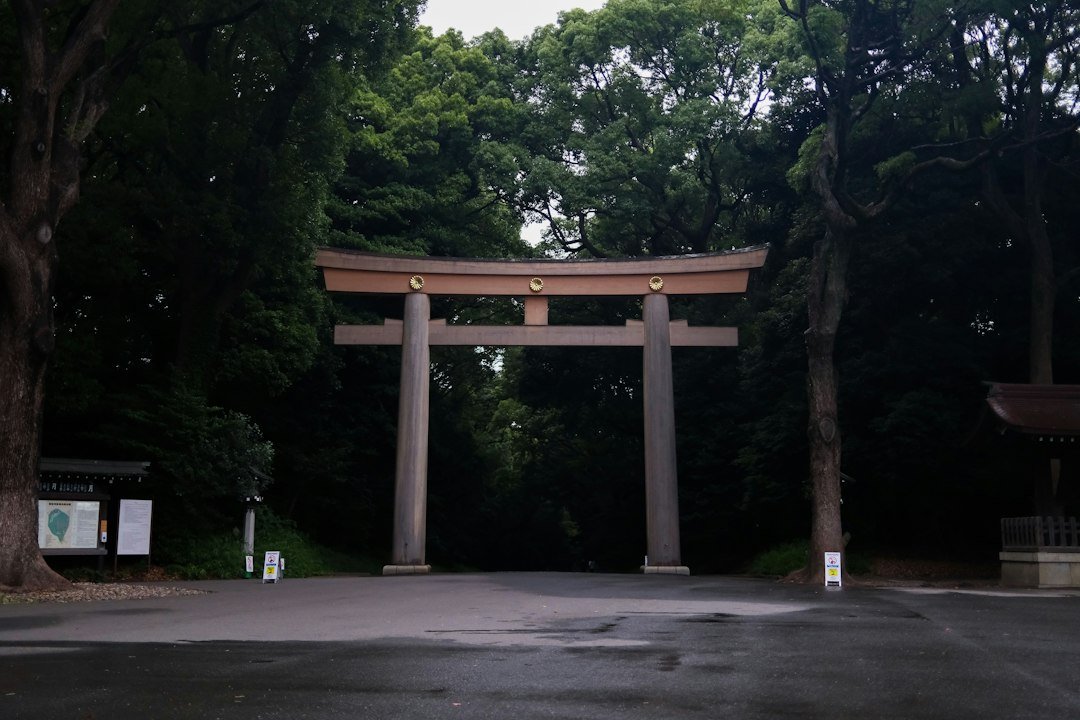
Meiji Jingu is a calm forested counterpoint to nearby Harajuku. Enter from Harajuku Station or Yoyogi, bow lightly at the torii if you wish to follow local custom, keep to the side of the approach and speak quietly near worship spaces. The shrine grounds are free; the museum and inner garden have separate admission.
After the shrine, choose your version of Harajuku. Takeshita Street is youth-focused and intensely busy, while Omotesando offers contemporary architecture and a wider avenue. Do not try to force both into a rushed half hour.
🚦 7. Shibuya Crossing, Hachiko & Shibuya Sky
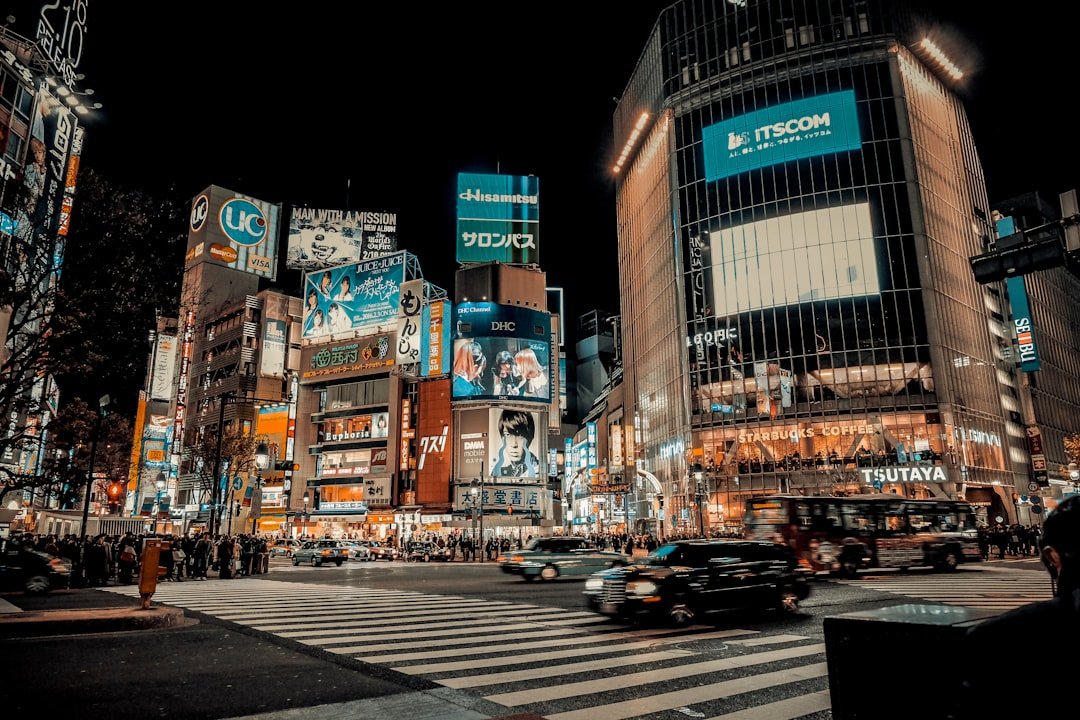
Shibuya Crossing is best understood as a transport district, not just a road junction. Start near the Hachiko statue, cross once at street level, then explore the station-area viewpoints and side streets. The famous scramble is busiest after work and on weekend evenings.
Shibuya Sky adds a high open-air perspective, but it requires a timed ticket and weather can restrict rooftop access. Sunset slots are the most competitive. Reserve through the official operator and arrive early enough to navigate the large station.
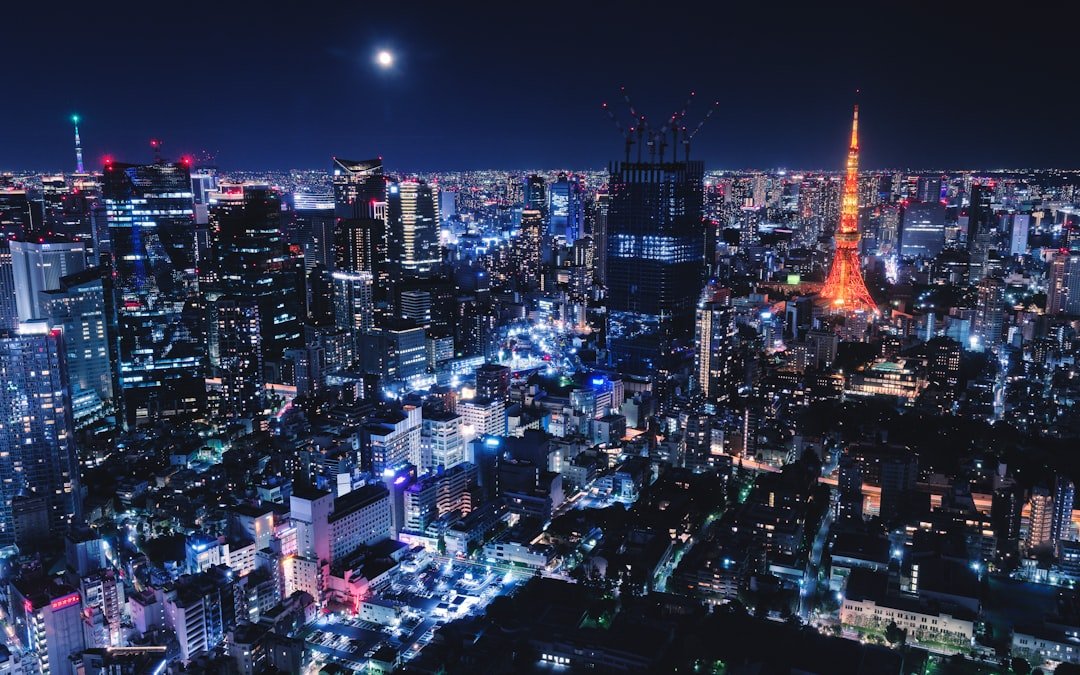
🏙️ 8. Shinjuku — City Views, Gardens & Evening Streets
Shinjuku contains several different experiences. The west side has skyscrapers and the Tokyo Metropolitan Government Building observatories; the east side has department stores, Kabukicho and narrow nightlife streets; Shinjuku Gyoen adds a spacious garden during daytime opening hours.
The metropolitan government observatory is the best free skyline option, although operating dates and queues change. For nightlife, Golden Gai and Omoide Yokocho are compact, working districts rather than theme parks. Follow photography signs, avoid blocking alleys and never photograph individuals at close range without permission.
🎮 9. Akihabara — Electronics, Games & Pop Culture
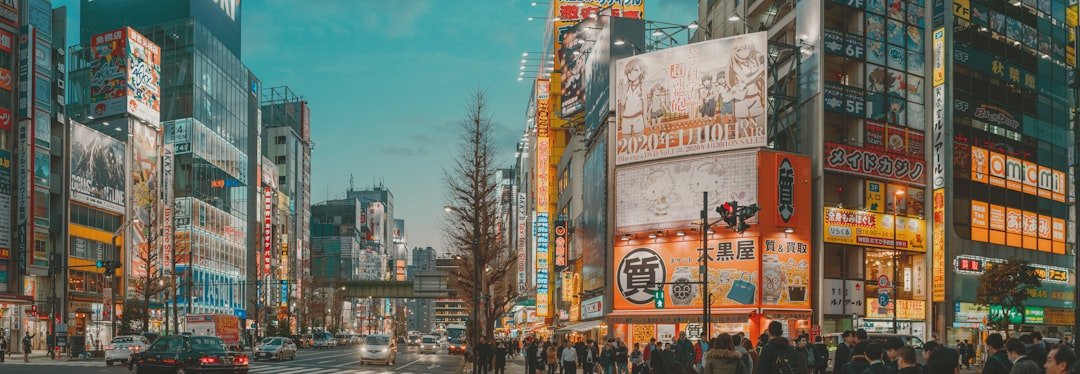
Akihabara is strongest for travelers with a specific interest: retro games, electronics, model kits, anime goods or arcades. Compare prices before buying high-value collectibles, confirm whether secondhand items work in your home country and keep receipts for tax-free purchases.
One to two hours is enough for a general look; enthusiasts can spend half a day. Combine Akihabara with Ueno or Tokyo Station rather than crossing the city only for an evening photograph.
✨ 10. teamLab Borderless at Azabudai Hills
teamLab Borderless is a permanent digital-art museum at Azabudai Hills. The artworks move between rooms and there is intentionally no fixed map, so budget at least two hours and avoid scheduling a tight restaurant reservation immediately afterward. The official site currently lists standard hours of 8:30 a.m.–9:00 p.m., with date-specific closures and extended or shortened days.
Tickets may sell out and same-day admission costs can differ, so use the official booking page. Photography is generally allowed, but flash, large tripods and commercial photography without permission are prohibited. Wear practical shoes and remember that reflective rooms may affect clothing choices.
🏨 PART 3 — Hotels, Restaurants & Cafés
🏨 11. Where to Stay in Tokyo
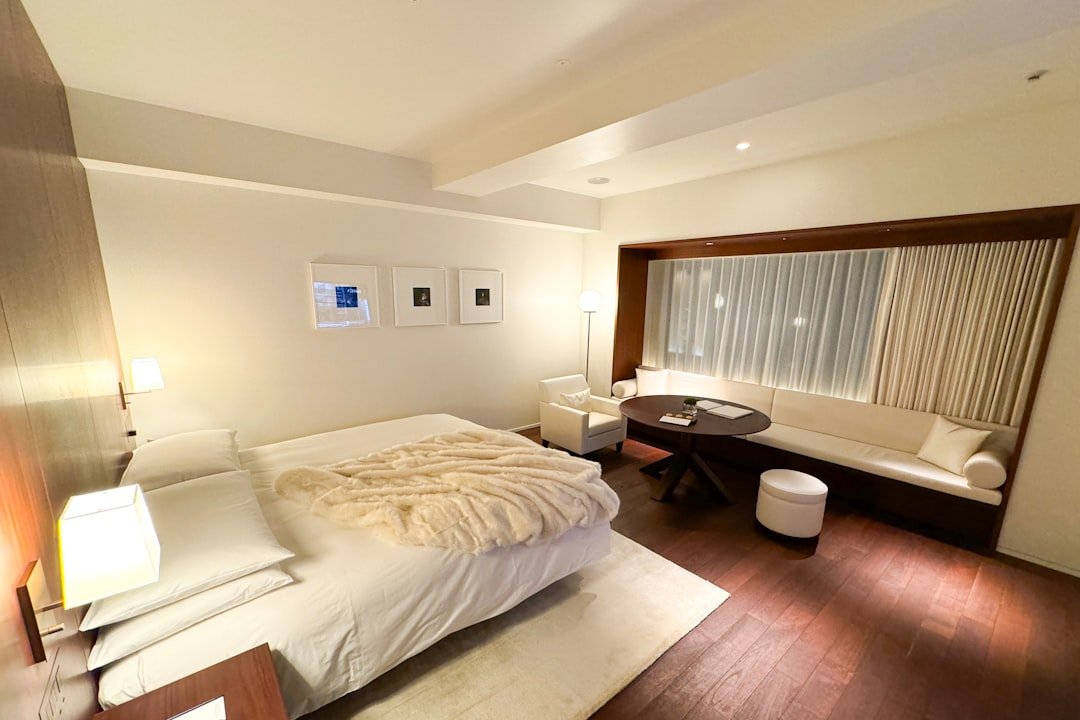
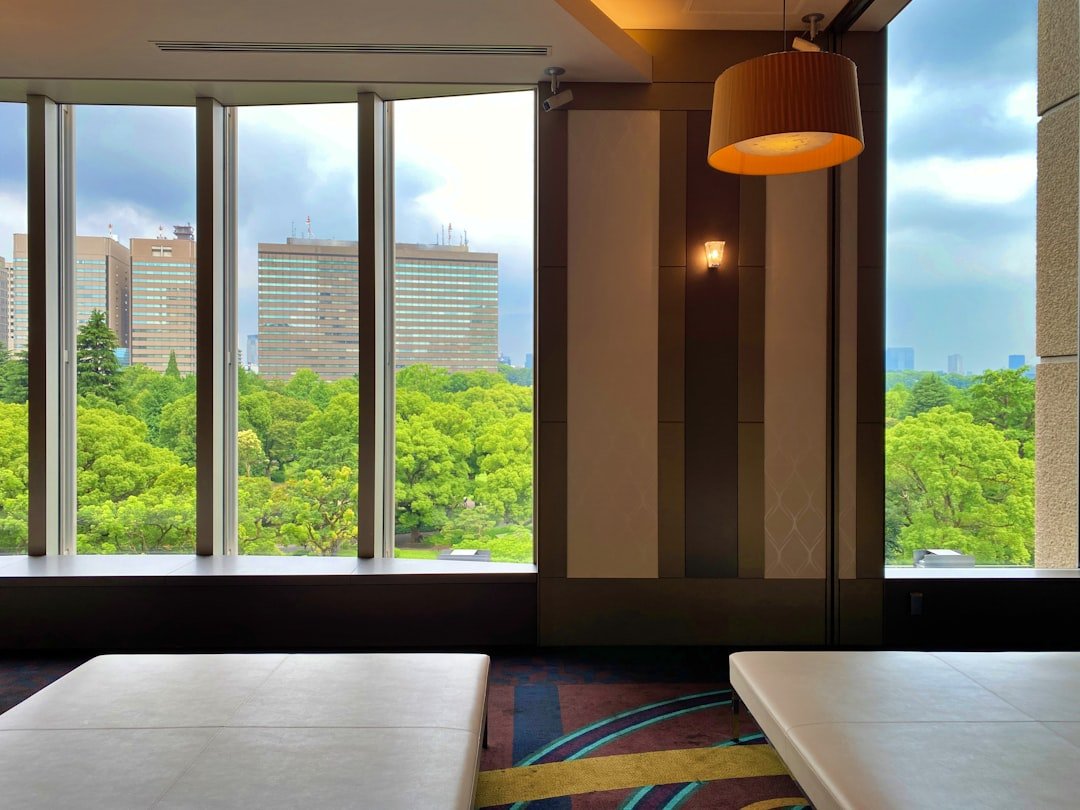
The best Tokyo hotel is usually the one that shortens your daily transfers. Check the exact station exit, not just the district name. Rooms can be compact, and prices vary sharply around weekends, holidays, cherry blossoms and major events.
💎 Luxury Hotels & Resorts
Palace Hotel Tokyo — Marunouchi.
Why stay: A calm position beside the Imperial Palace with excellent access to Otemachi and Tokyo Station.
Best for: First-time visitors who want refined service, central transport and a quieter evening base.
Location note: Ideal for Imperial Palace, Ginza and day trips using Tokyo Station.
Tokyo EDITION, Ginza — Ginza.
Why stay: Contemporary design in a compact central neighborhood close to shopping, restaurants and multiple subway lines.
Best for: Design-focused couples and travelers who prefer evenings around Ginza.
Location note: Easy to combine with Tsukiji, Tokyo Station and Marunouchi.
⭐ Mid-Range Hotels
Hotel Gracery Shinjuku — Kabukicho.
Why stay: A recognizable high-rise base in energetic east Shinjuku, within walking distance of major rail and subway connections.
Best for: Travelers who prioritize nightlife, shopping and late dining.
Location note: The district stays busy and bright; choose a quieter area if that sounds tiring.
Shibuya Excel Hotel Tokyu — Shibuya.
Why stay: Directly connected to the Shibuya transport complex with fast access to Harajuku, Ebisu and central Tokyo.
Best for: Short stays when convenience matters more than neighborhood calm.
Location note: Station construction and exit routes can change, so follow current hotel access instructions.
💰 Budget-Friendly Hotels
Comfort Hotel Tokyo Higashi Nihombashi — Higashi-Nihombashi.
Why stay: A practical business-hotel base near JR and subway connections in a less hectic district.
Best for: Value-focused travelers who are comfortable riding a few stops to the main sights.
Location note: Compare airport access and station exits before booking.
Tokyu Stay Shinjuku — Shinjuku-sanchome.
Why stay: Convenient subway access and selected room types with longer-stay features such as laundry facilities.
Best for: Solo travelers and repeat visitors who want daily-life convenience.
Location note: Confirm the exact room equipment; amenities differ by category.
🍣 12. Restaurants & Essential Tokyo Food
🐟 Tsukiji Outer Market — Sushi, Kaisendon & Tamagoyaki
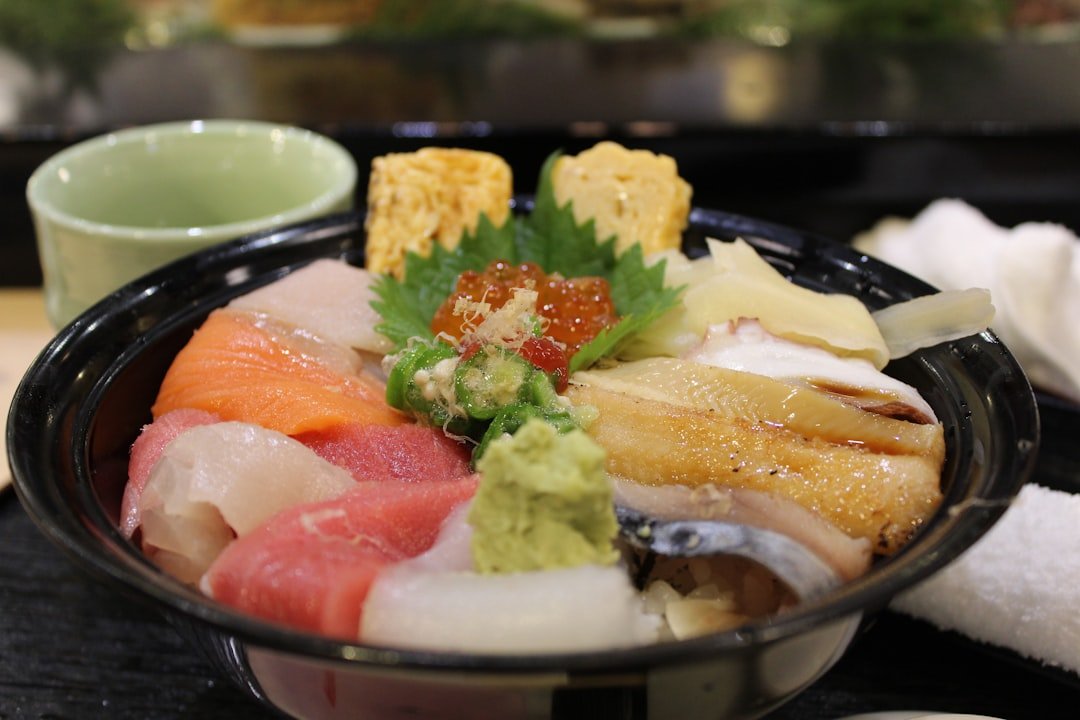
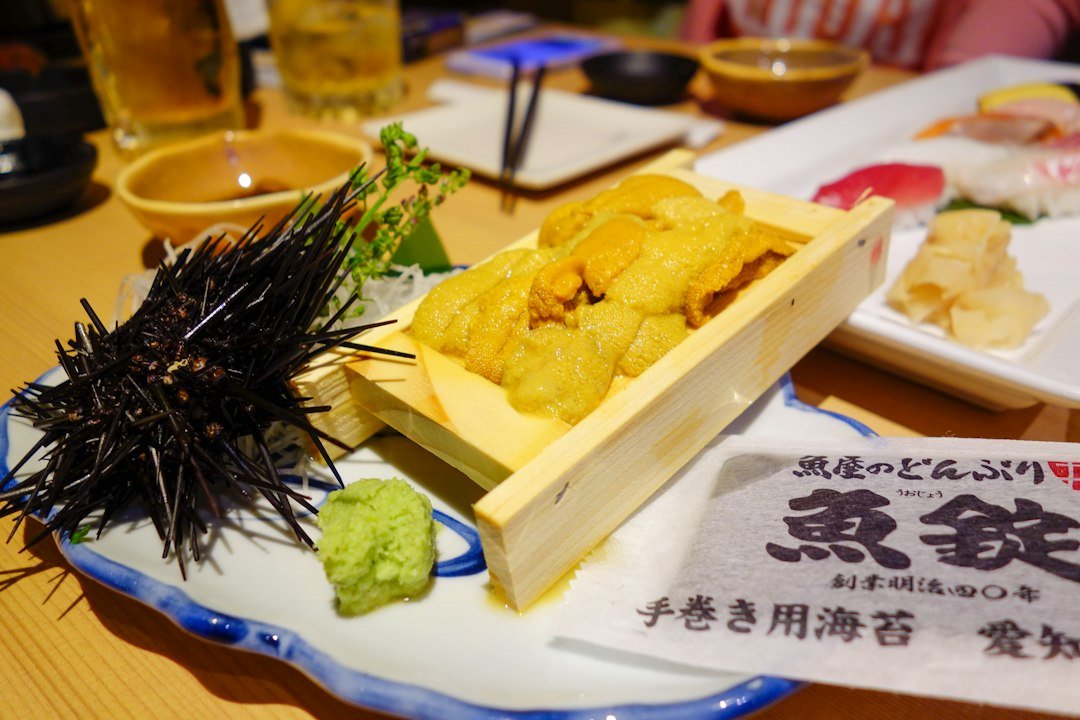
Tsukiji remains one of the easiest places to sample several foods in one morning. Look for sushi, seafood rice bowls, grilled shellfish, uni and rolled omelet. The wholesale auction moved to Toyosu in 2018, so do not confuse the active Outer Market with the former inner market.
Best dishes to try: assorted nigiri, chirashi or kaisendon, tamagoyaki and seasonal shellfish.
Best for: Travelers who want variety rather than one long formal meal.
Practical note: Visit early, eat beside the stall where directed and do not block working lanes with luggage.
🍜 AFURI — Yuzu Shio Ramen
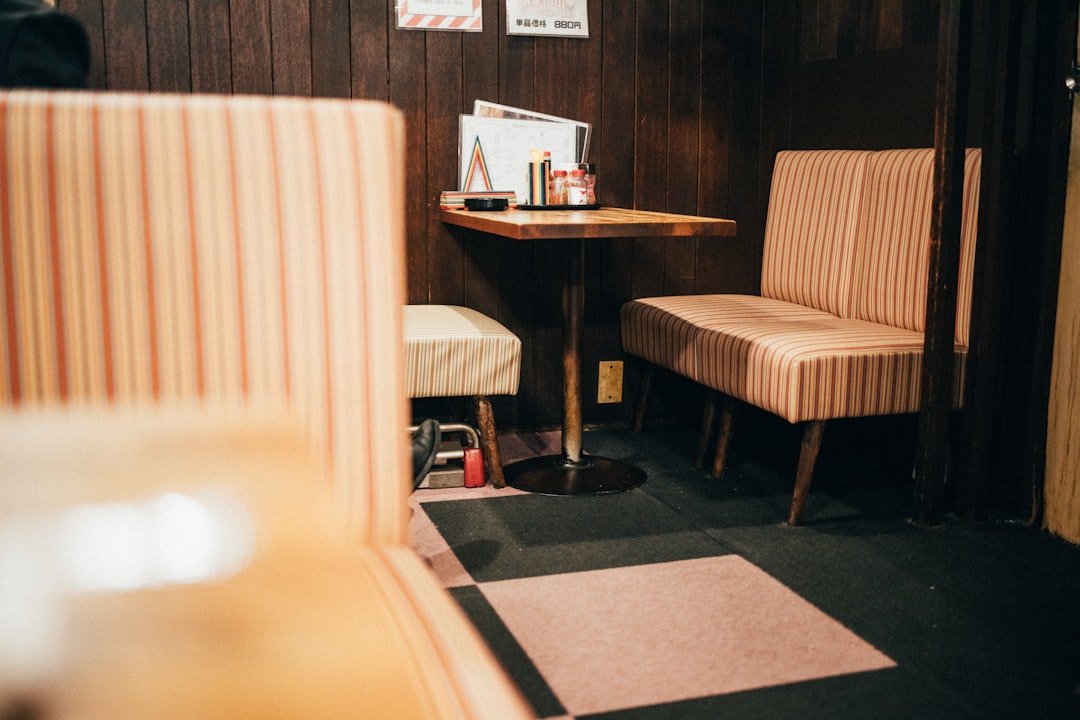
AFURI is a useful introduction to a lighter modern ramen style. Its best-known bowl combines a clear chicken-and-seafood broth with yuzu citrus. Branches around Tokyo make it convenient to add near Harajuku, Ebisu or Roppongi rather than crossing town only for lunch.
Signature dish: Yuzu Shio Ramen.
Best for: A quick meal between neighborhoods and travelers who prefer a bright, aromatic broth.
Practical note: Branch menus and vegetarian options can vary; check the official locations page.
🍣 Uobei Shibuya Dogenzaka — Fast-Casual Sushi
Uobei offers touchscreen ordering and delivers small plates directly to each seat. It is not a quiet omakase experience; it is a fast, accessible meal that works well for first-time visitors learning common sushi names.
Best dishes to try: tuna, salmon, shrimp and seasonal specials ordered a few plates at a time.
Best for: Solo travelers, families and a quick Shibuya meal.
Practical note: Peak queues can be long and individual branches may use ticket systems.
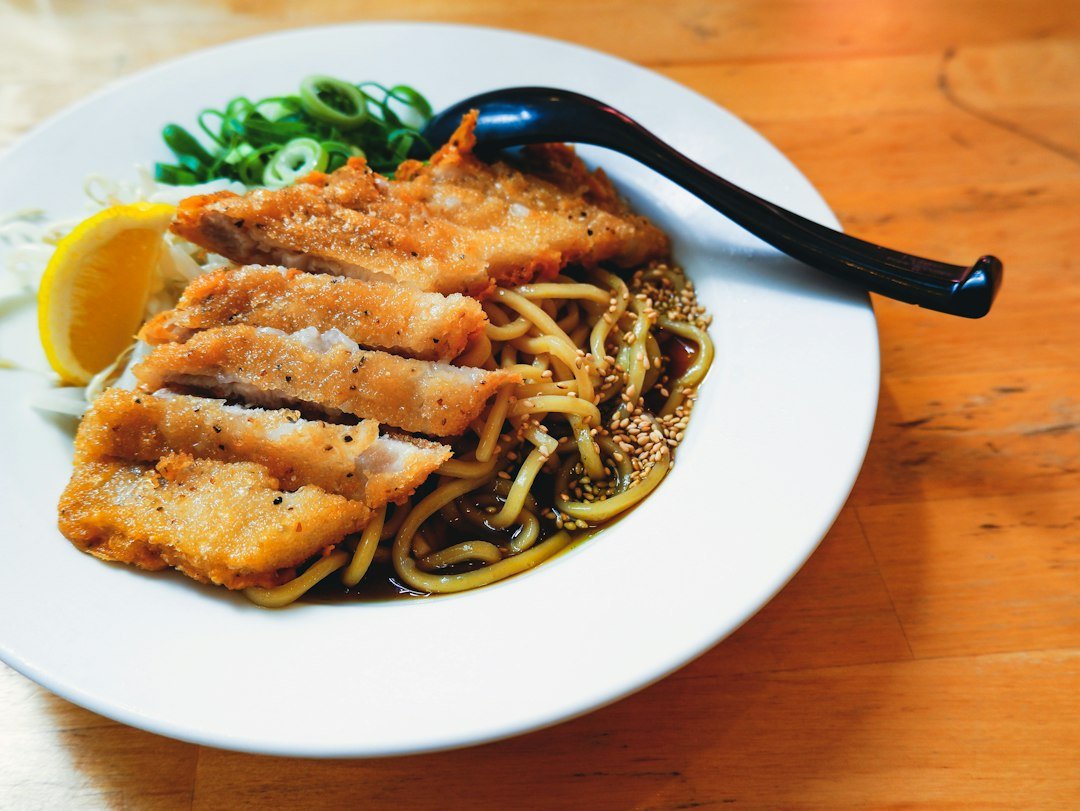
☕ 13. Cafés Worth Planning Around
☕ KOFFEE MAMEYA Kakeru — Kiyosumi-Shirakawa
Kiyosumi-Shirakawa is Tokyo’s specialist-coffee neighborhood, and KOFFEE MAMEYA Kakeru treats coffee more like a guided tasting than a grab-and-go drink. Choose it when coffee is an experience in your itinerary, not merely a caffeine stop.
What to order: A staff-guided coffee course or a bean and brewing style matched to your preferences.
Best for: Specialty-coffee enthusiasts.
Planning note: Reservations and service formats can change; confirm before making the journey.
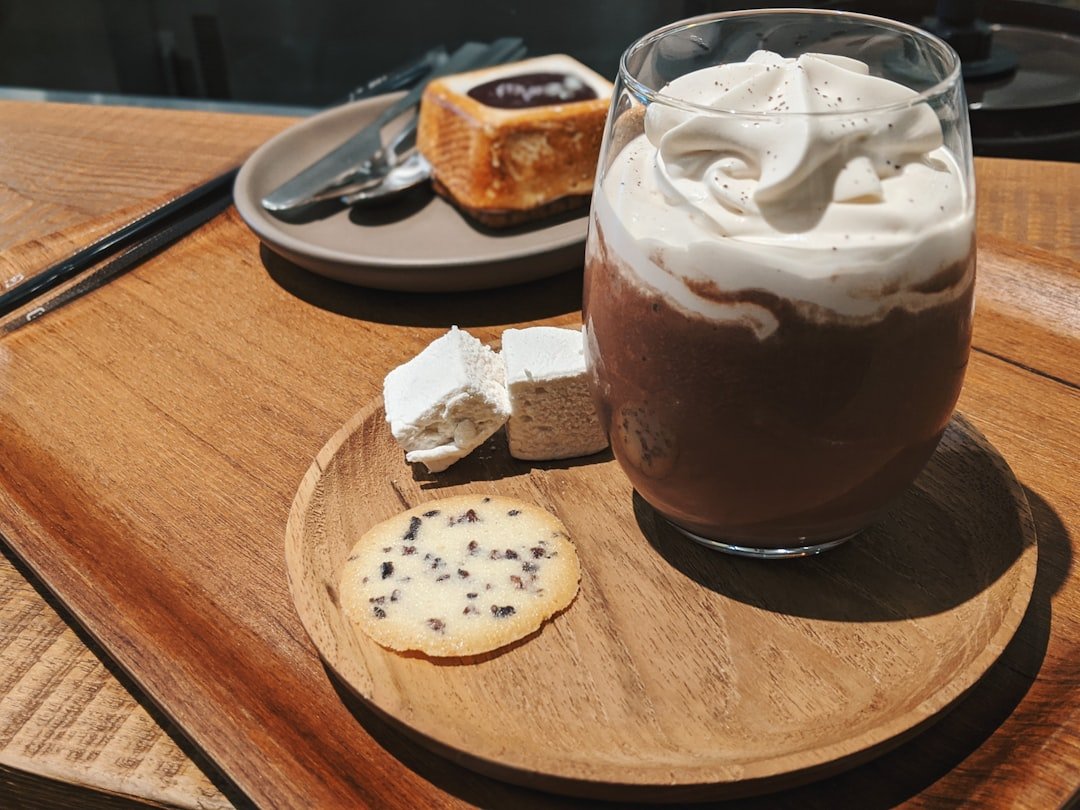
🌸 Starbucks Reserve Roastery Tokyo — Nakameguro
The Nakameguro roastery is a large design destination beside the Meguro River, with coffee, tea, bakery items and seasonal drinks spread across multiple levels. It is most attractive outside the busiest cherry-blossom period, when the riverside can become extremely crowded.
What to order: A roastery-exclusive coffee or seasonal tea with a bakery item.
Best for: Architecture, coffee and a relaxed Nakameguro walk.
Planning note: Expect queues at peak times and check current entry procedures.
🗺️ PART 4 — Itineraries & Practical Travel Tips
🚆 14. Getting from Tokyo’s Airports
From Haneda Airport: the Tokyo Monorail reaches Hamamatsucho, while Keikyu trains serve Shinagawa and continue onto subway lines. Haneda is generally faster for central Tokyo, but the best route depends on your hotel station and luggage.
From Narita Airport: JR Narita Express trains serve Tokyo, Shinagawa, Shibuya and Shinjuku on selected services. Keisei Skyliner is especially convenient for Nippori and Ueno. Airport buses can be practical for hotels with direct stops, although road traffic makes journey times less predictable.
Do not choose only by headline travel time. Count the final transfer, station walking distance and stairs. A slightly slower direct route is often easier with luggage.
🚇 15. Getting Around Tokyo Efficiently
Use an IC card for simple tap-in, tap-out travel across most JR, subway and bus services. Tokyo Metro and Toei are separate operators, while JR runs lines such as the Yamanote. Route apps handle this well, but always check the operator name and station code before entering.
The official Tokyo Subway Ticket covers all Tokyo Metro and Toei Subway lines for 24, 48 or 72 hours from first use. As checked September 13, 2026, adult prices are ¥1,000, ¥1,500 and ¥2,000. It does not cover JR, so compare your actual itinerary rather than buying automatically.
🗓️ A Practical Four-Day Tokyo Itinerary
DAY 1 — Historic East Tokyo
Early Sensoji → Nakamise and Asakusa streets → Sumida River → Tokyo Skytree → evening in Ueno or Akihabara.
DAY 2 — Central Tokyo
Imperial Palace viewpoint or East Gardens → Tokyo Station and Marunouchi → Tsukiji Outer Market → Ginza evening.
DAY 3 — Meiji Jingu, Harajuku & Shibuya
Meiji Jingu early → Omotesando or Takeshita Street → Shibuya Crossing → timed Shibuya Sky visit → dinner in Shibuya.
DAY 4 — Shinjuku & One Major Experience
teamLab Borderless or a Ueno museum → Shinjuku Gyoen if open → Tokyo Metropolitan Government Building → Shinjuku evening streets.
Optional DAY 5: Add Kiyosumi-Shirakawa and Nakameguro, shop slowly, or choose a day trip such as Kamakura, Nikko or the Fuji Five Lakes. Do not promise yourself Mount Fuji views; weather decides.
💴 16. Tokyo Budget Planning
| Expense | Planning range | How to control it |
|---|---|---|
| Budget hotel | Often ¥10,000–¥25,000 per room | Book early and stay one or two train stops from the busiest hubs |
| Mid-range hotel | Often ¥25,000–¥50,000 per room | Compare room size, breakfast and direct station access |
| Meals | About ¥3,500–¥8,000 per person/day | Mix noodle shops, set lunches and one planned specialty meal |
| Local transport | About ¥1,000–¥2,000 per person/day | Group neighborhoods and compare subway passes with pay-as-you-go fares |
| Attractions | ¥0–¥6,000+ per person/day | Balance paid observation decks with temples, walks and free viewpoints |
These are flexible planning ranges, not quoted live prices. Tokyo hotel rates rise significantly during holidays, cherry blossoms, weekends and major events.
🎒 17. Practical Tips & Etiquette
- Pack light: Large luggage is difficult in rush-hour trains. Use station lockers or luggage forwarding when useful.
- Avoid peak commuting: Weekday trains are busiest roughly around 7:30–9:30 a.m. and again after work.
- Stand clear: Let passengers exit first and follow platform queue markings.
- Keep calls quiet: Voice calls on trains are discouraged; use headphones at low volume.
- Carry a small trash bag: Public bins can be limited. Do not leave waste beside vending machines.
- Respect photography rules: Shops, shrines, alleys and museums may restrict photos even when the street outside does not.
- Check the last train: Most rail services stop around midnight; taxis across Tokyo can be expensive.
- Prepare for weather: Summer is hot and humid, while typhoons can affect transport from late summer into autumn.
🌸 18. Best Time to Visit Tokyo
Spring: Mild weather and blossoms, but the final weeks of March and early April can be extremely busy. Reserve accommodation and major attractions early.
Early summer: June brings the rainy season. Indoor museums, food halls and digital art make Tokyo manageable, but keep a flexible outdoor plan.
Mid-summer: July and August are hot and humid. Start outdoor sightseeing early, schedule indoor breaks and take heat warnings seriously.
Autumn: October and November often combine comfortable weather with changing leaves. Late-season color usually arrives later in Tokyo than in northern Japan.
Winter: December through February is generally cool and dry, with clear skyline conditions and fewer garden crowds outside the New Year holiday period.
✨ Tokyo Travel Guide 2026 — Final Thoughts
Tokyo rewards structure and curiosity in equal measure. Group your days geographically, reserve only the attractions that truly matter, and leave space for one unplanned street, meal or café. Sensoji at dawn, the Imperial Palace moat, Shibuya after dark and a quiet bowl of noodles can all belong to the same trip without turning it into a checklist.
For most first-time visitors, four full days is the useful minimum. Five days gives Tokyo room to feel like a living city rather than a collection of famous images.
🌐 External Links
Official Websites
- GO TOKYO — Official Tokyo Travel Guide
- Sensoji Temple
- Tokyo Skytree
- Tokyo National Museum
- Imperial Household Agency — Imperial Palace Tours
- Meiji Jingu
- Shibuya Sky Tickets
- Tokyo Metropolitan Government Building Observatories
- teamLab Borderless Tokyo
- Tsukiji Outer Market
- Tokyo Metro Tourist Tickets
- Palace Hotel Tokyo
- Tokyo EDITION, Ginza
- Hotel Gracery Shinjuku
- Shibuya Excel Hotel Tokyu
- Comfort Hotel Tokyo Higashi Nihombashi
- Tokyu Stay Shinjuku
- AFURI
- Uobei
- KOFFEE MAMEYA
- Starbucks Reserve Roastery Tokyo
Google Maps
- Sensoji Temple
- Tokyo Skytree
- Tokyo National Museum
- Imperial Palace
- Meiji Jingu
- Shibuya Sky
- teamLab Borderless
- Tsukiji Outer Market
Verified Facebook
- GO TOKYO English — linked from the official tourism site.
🔗 For More Japan Travel Guides
⦿ Hiroshima Travel Guide 2026 — Peace Memorial Park, Miyajima & Food
⦿ Nara Travel Guide 2026 — Deer, Temples & Local Food
⦿ Kanazawa Travel Guide 2026 — Gardens, Samurai Streets & Food
⦿ Kyoto Travel Guide 2026 — Temples, Hotels & Travel Tips
⦿ Osaka Travel Guide 2026 — City Sights & Food
📸 Photo Credits & License Notes
All 18 numbered photographs are used under the Unsplash License, which permits commercial use. Each caption identifies the photographer and links to the creator’s Unsplash profile. WordPress copies were resized and compressed for web delivery. Hotel, restaurant and café images labeled “illustrative” or “archival” do not promise current rooms, facilities, menu items or presentation. Photographers do not endorse this guide.