
🌾 Banaue & Batad Travel Guide 2026: Rice Terraces, Waterfalls & Essential Tips
Looking for a completely different side of the Philippines? 🇵🇭
Far away from the country’s famous tropical beaches, Banaue and Batad take you into the cool mountains of Ifugao in Northern Luzon — a landscape of spectacular rice terraces, traditional communities, deep green valleys, waterfalls, and unforgettable hiking trails.
Batad is especially famous for its extraordinary amphitheater-shaped rice terraces, while Banaue serves as the main gateway for travelers exploring this beautiful mountain region.
This isn’t the Philippines of white sand and island hopping. 🏝️
It’s a journey into the highlands — where culture, agriculture, nature, and centuries of Ifugao knowledge have shaped one of the country’s most remarkable landscapes.
If you’re planning your first visit, this Banaue & Batad Travel Guide 2026 will help you understand where to go, what to see, and what to expect before heading into the mountains. 🌿⛰️
✈️ Quick Travel Information
| Travel Information | Details |
|---|---|
| 📍 Destination | Banaue & Batad, Ifugao, Philippines |
| 🌾 Best For | Rice terraces, trekking, mountain scenery & Ifugao culture |
| 📅 Recommended Stay | 2–3 Days |
| ☀️ Best Time to Visit | Generally during the drier months; terrace appearance varies with the farming cycle |
| 🚌 Main Gateway | Banaue, Ifugao |
| 🥾 Getting Around | Walking, trekking, tricycle & local transport |
| 🏡 Popular Area to Stay | Banaue town or Batad village |
| 💦 Don’t Miss | Batad Rice Terraces & Tappiya Falls |
| ❤️ Perfect For | Hikers, photographers, culture lovers & adventure travelers |
| 🎒 Travel Style | Mountain adventure / cultural travel / trekking / slow travel |
💡 TravelNest365 Tip: Bring enough Philippine pesos before heading into Batad, wear shoes with good grip, and always check current transportation, weather, and trail conditions before your trip.
🌿 Why Visit Banaue & Batad in 2026?
When most travelers imagine the Philippines, they picture turquoise seas, coconut palms, white-sand beaches, and tropical islands. 🏝️
Banaue and Batad reveal a completely different side of the country.
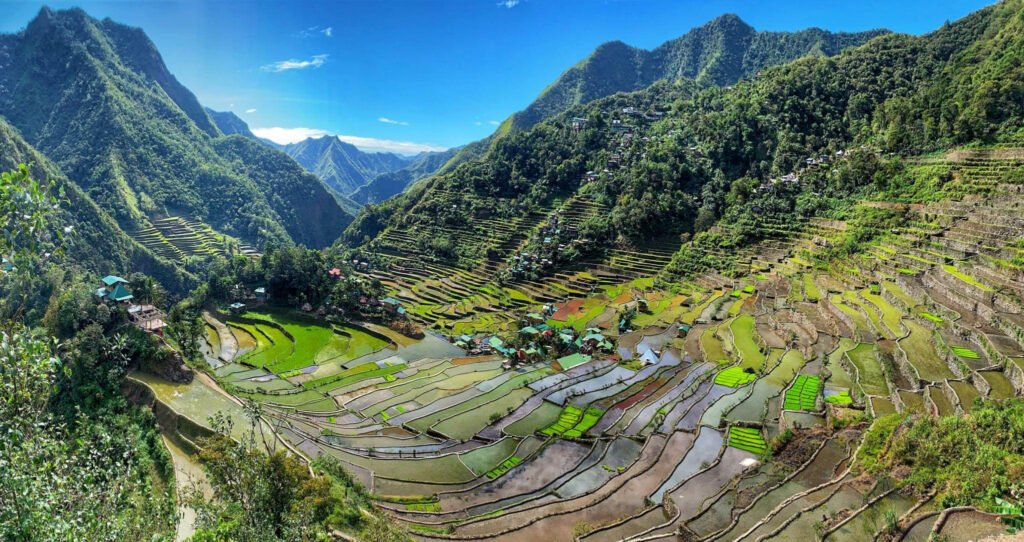
Here, mountains replace beaches. Rice terraces follow the contours of steep valleys, small communities sit between layers of green fields, and walking trails lead through some of the most distinctive landscapes in Northern Luzon.
But these terraces are much more than beautiful places to photograph.
They are part of a living cultural landscape shaped by generations of Ifugao communities and their knowledge of farming in a challenging mountain environment.
The UNESCO World Heritage property known as the Rice Terraces of the Philippine Cordilleras includes five terrace clusters in Ifugao Province, including Batad and Bangaan.
That cultural significance is one of the reasons this journey feels so different from visiting a typical tourist attraction.
You’re not simply looking at beautiful scenery — you’re visiting landscapes connected to agriculture, local communities, traditions, and everyday life. 🌾
💡 TravelNest365 Tip: Don’t treat Banaue and Batad as a quick photo stop. Give yourself enough time to walk, enjoy the viewpoints, and experience the slower rhythm of the mountains.
🌾 Batad Rice Terraces — The Highlight of the Journey
If there’s one landscape that makes the journey into Ifugao unforgettable, it’s Batad Rice Terraces. ⭐
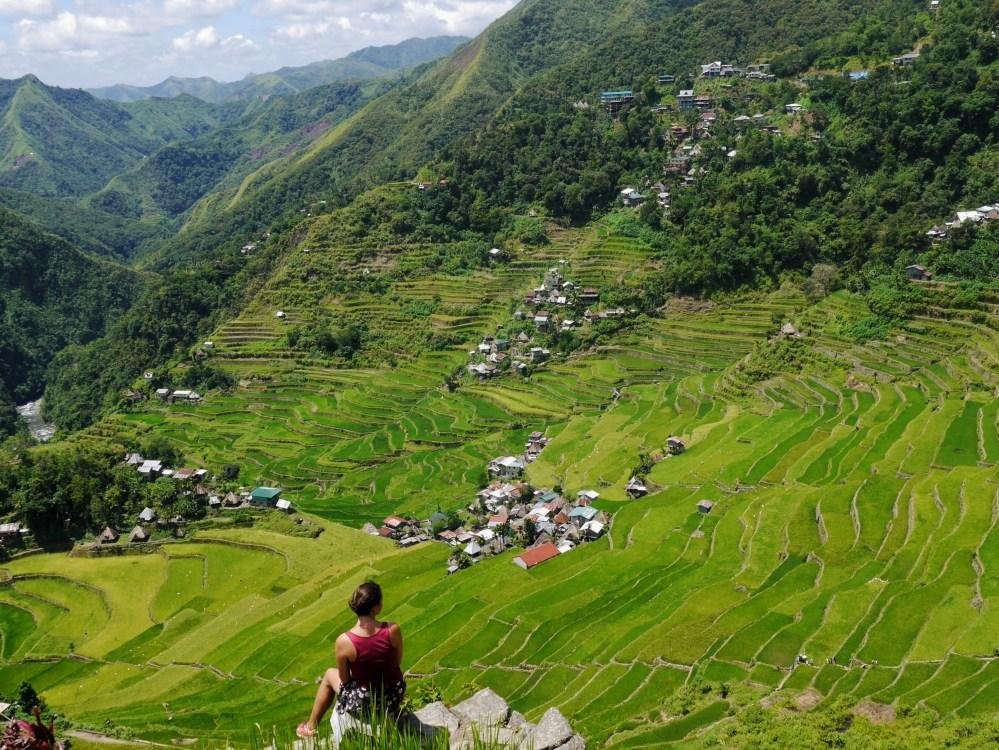
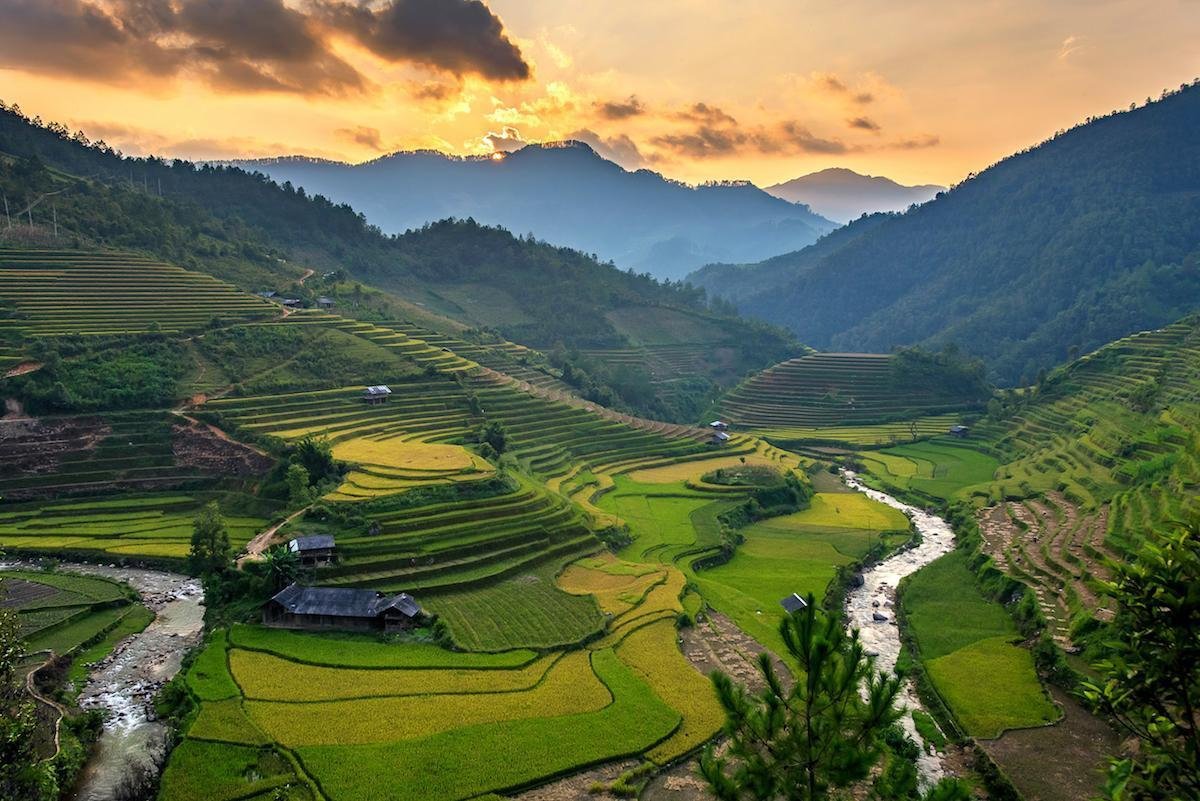
Batad is famous for its dramatic amphitheater-like terraces that curve around the mountains above the village.
From the higher viewpoints, layers of terraces seem to wrap around the entire valley, creating one of the most recognizable mountain landscapes in the Philippines.
But Batad isn’t a place you fully experience from a roadside viewpoint.
The real experience begins when you start walking. 🥾
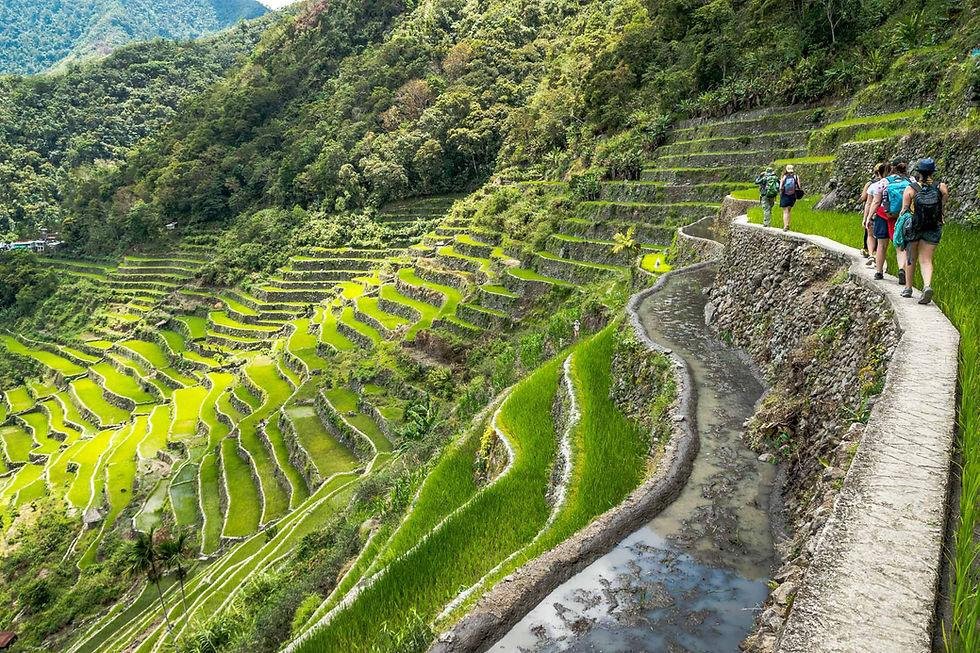
Trails and steps take visitors through different levels of the terraces, offering changing views of the village, mountains, fields, and surrounding valley.
Expect uneven paths, steep sections, stone steps, and potentially slippery conditions after rain.
Good footwear matters here much more than fashionable footwear. 👟
💡 TravelNest365 Tip: Take your time in Batad. Stop at the viewpoints, enjoy the scenery, and don’t use all your energy on the way down — you’ll still need it for the climb back.
💦 Tappiya Falls — Add Some Adventure
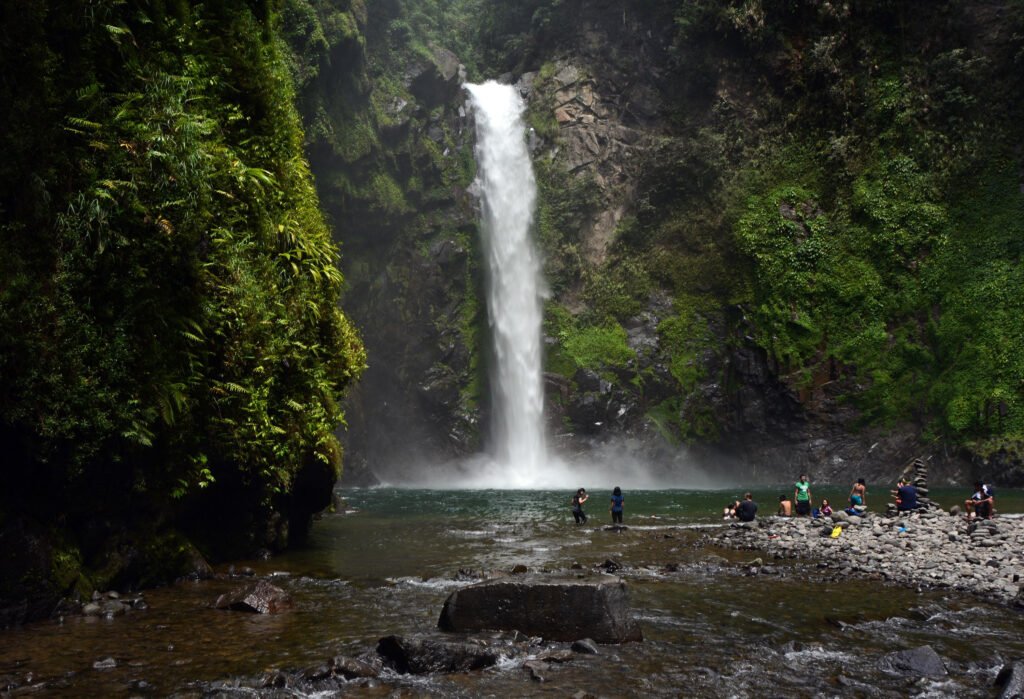
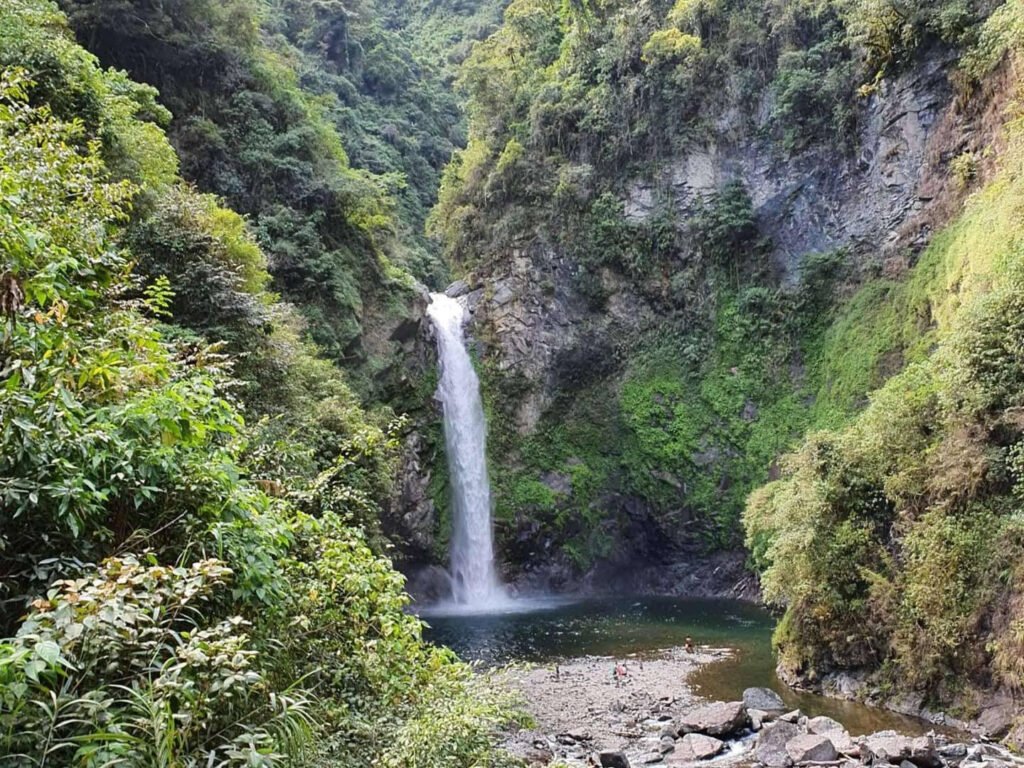
For travelers ready for a more active experience, the trek to Tappiya Falls is one of Batad’s best-known adventures.
The waterfall lies beyond the rice terraces, and reaching it involves a considerable amount of walking with steep sections and plenty of steps.
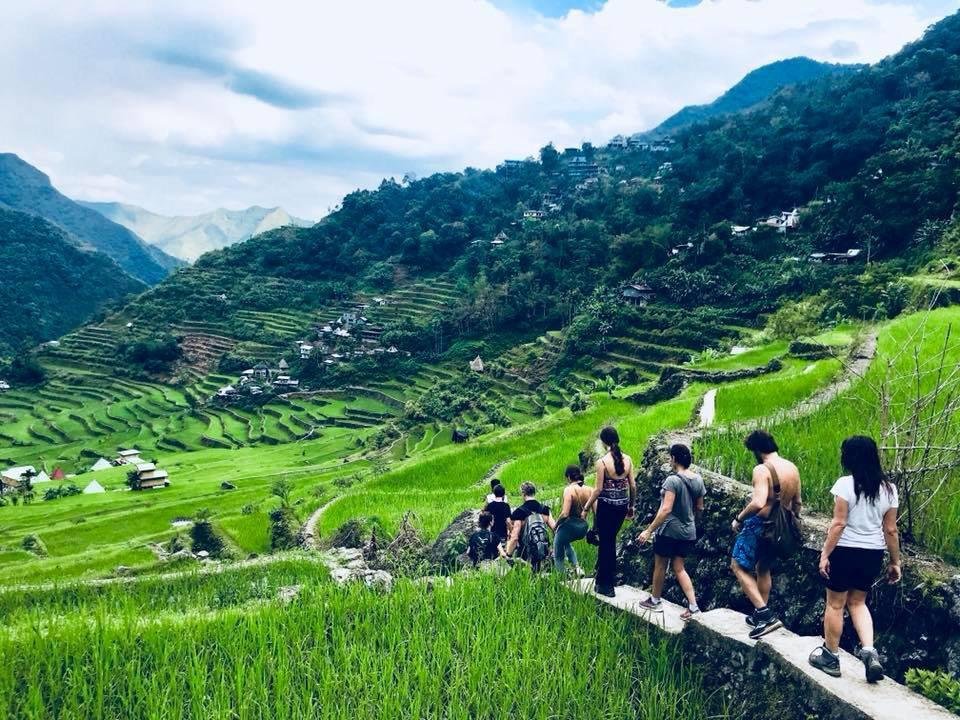
The descent can feel easier than expected.
Then comes the important part:
You have to climb all the way back up. 😅
Bring enough drinking water, allow plenty of daylight, and avoid underestimating the return journey.
Conditions can also become more difficult after rain, so visitors who aren’t confident navigating unfamiliar mountain trails may find a local guide useful.
⚠️ TravelNest365 Tip: Save energy for the return climb from Tappiya Falls. The waterfall may be the destination, but the climb back through Batad is part of the adventure.
🏞️ Banaue — Your Gateway to the Ifugao Highlands
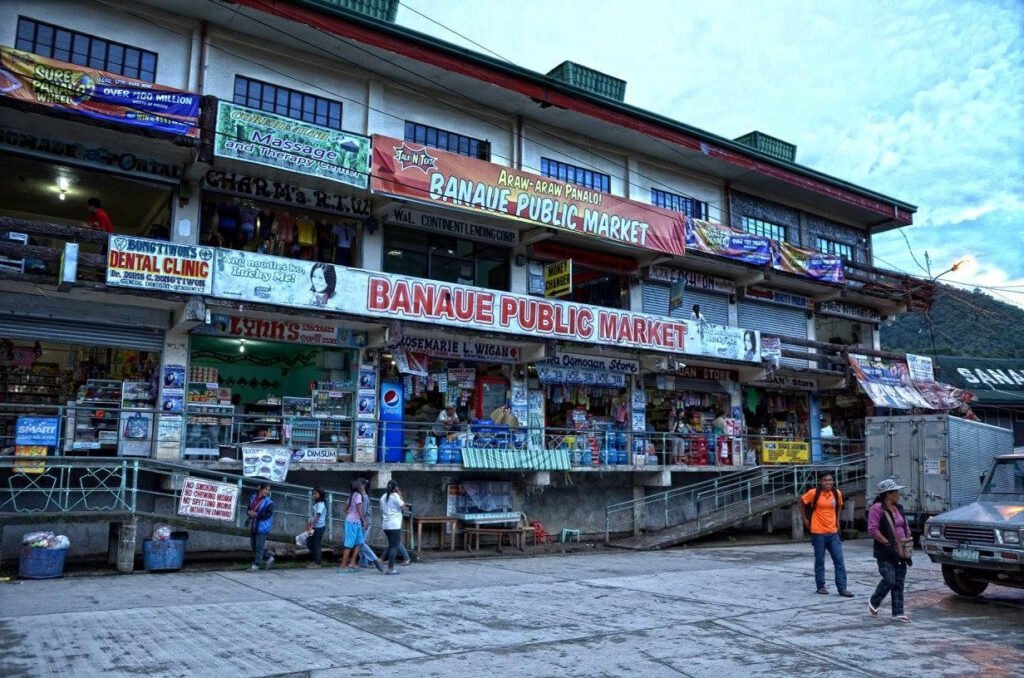
While Batad provides the more adventurous trekking experience, Banaue works as the practical gateway for exploring the region.
Accommodation, restaurants, shops, transportation, and local travel arrangements are generally easier to find around Banaue than in more remote villages.
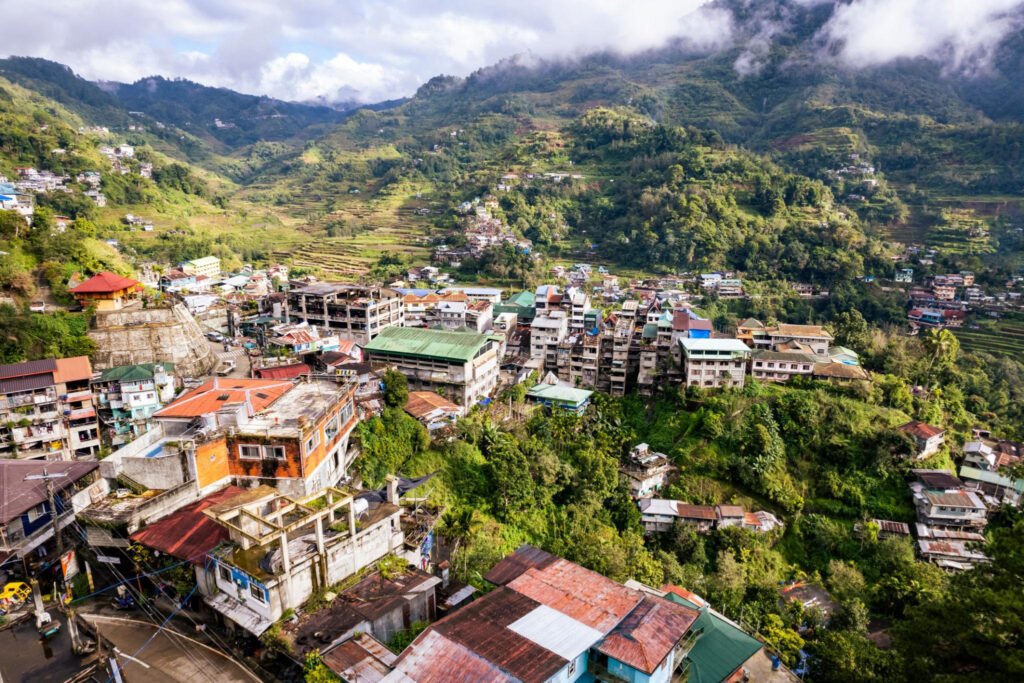
Banaue also has impressive rice terrace viewpoints of its own, making it possible to enjoy beautiful mountain scenery without committing to the more demanding trails around Batad.
For first-time visitors, combining the two makes the most sense:
🏘️ Banaue — the convenient gateway and travel base.
🌾 Batad — the trekking, village, waterfall, and dramatic rice terrace experience.
Together, they create a much more complete introduction to Ifugao.
🏆 More Than a Beautiful Landscape
One of the most important things to remember when visiting Batad is that these rice terraces aren’t simply an Instagram backdrop.
The Batad terrace cluster forms part of the UNESCO-listed Rice Terraces of the Philippine Cordilleras, a living cultural landscape associated with generations of Ifugao farming knowledge and traditions.
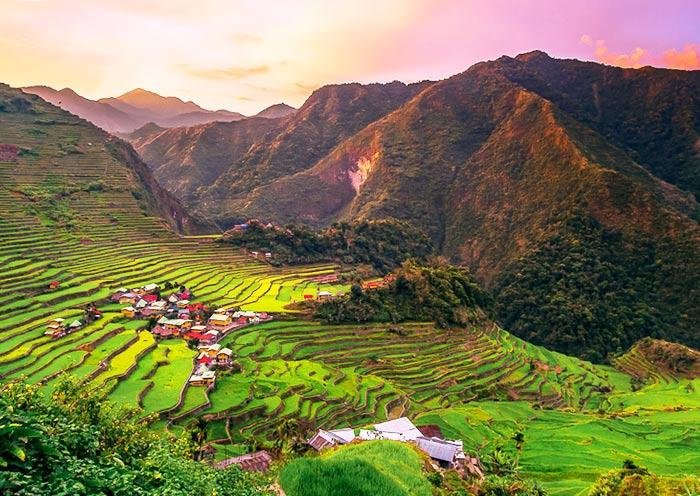
Visitors should treat the area with the same respect they would give any living community.
Stay on appropriate paths, avoid damaging crops, respect residents and private spaces, and follow local guidance while exploring. 🙏
That respect is part of traveling responsibly — and it helps preserve what makes Batad special in the first place.
❤️ Why Banaue & Batad Belong on a Philippines Itinerary
The biggest reason to add Banaue and Batad to a longer Philippines trip is simple:
Contrast.
🏝️ The islands give you beaches and tropical water.
🌊 Coastal destinations give you snorkeling, diving, and island hopping.
🌾 Banaue and Batad give you mountains, culture, trekking, villages, and an entirely different landscape.
For travelers who want to see more than the Philippines’ famous beaches, the highlands of Ifugao can become one of the most distinctive parts of the journey.
❤️ TravelNest365 Tip: Come prepared to walk, slow down, and experience the mountains rather than simply photograph them. Banaue and Batad reward travelers who give the region enough time.
🚌 How to Get to Banaue from Manila
Getting to Banaue takes more effort than reaching many of the Philippines’ famous island destinations — but the long journey into the mountains is part of the experience. ⛰️
For most international travelers, Manila is the main starting point for a trip to Banaue and Batad.
One of the most practical options is an overnight bus from Metro Manila to Banaue.
Travel times can vary depending on traffic, road conditions, weather, and the operator, but visitors should prepare for a long overnight journey through Northern Luzon.
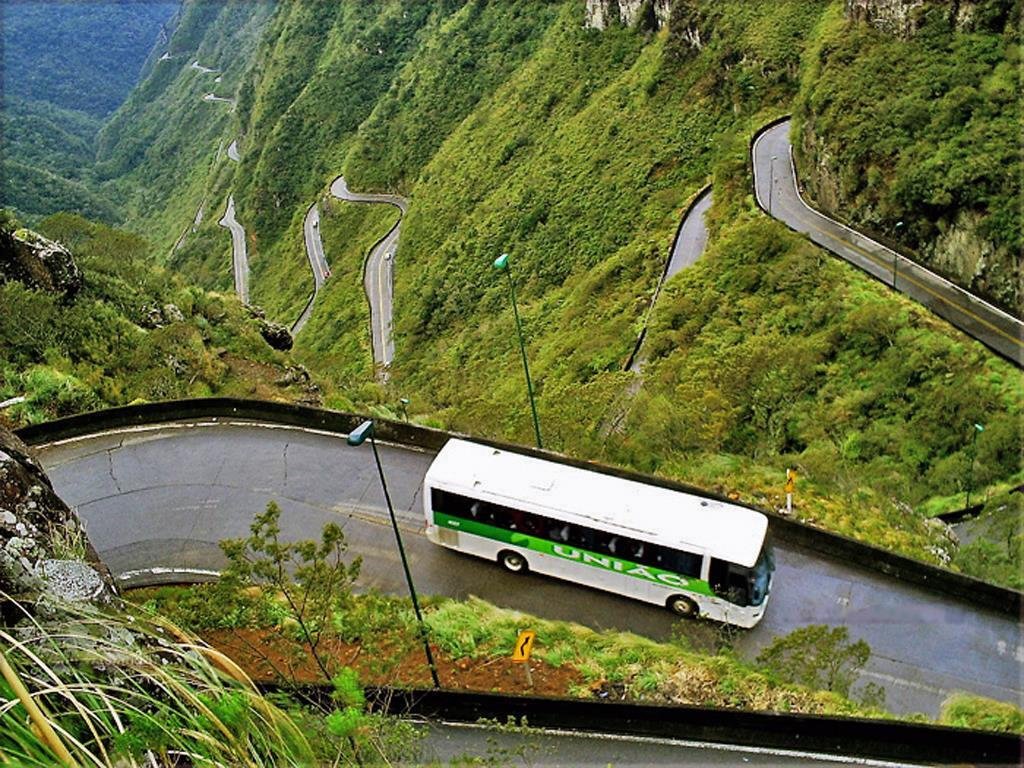
An overnight departure can be convenient because it saves daytime travel hours and usually brings travelers into the highlands the following morning.
Bus schedules, terminals, fares, and operators can change, so always confirm current information directly with the transportation provider before traveling.
💡 TravelNest365 Tip: Bring a light jacket for the overnight journey. Air-conditioned buses can feel surprisingly cold, and Banaue’s mountain climate is cooler than Manila and many Philippine beach destinations.
🚙 How to Get from Banaue to Batad
Arriving in Banaue doesn’t mean you’ve reached Batad yet.
Batad is a separate village in the municipality of Banaue, and reaching it requires another local journey followed by walking.
Travelers commonly arrange local transportation from Banaue toward the Batad access area. Options may include tricycles, shared transport, or privately arranged vehicles depending on current availability.
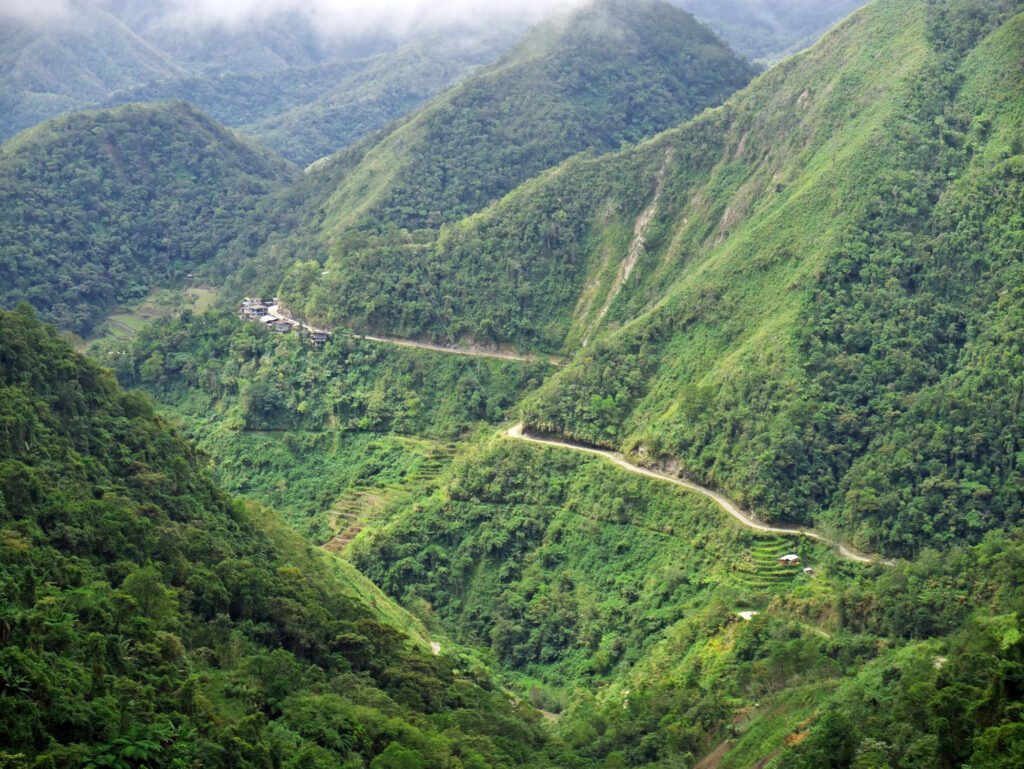
Once you reach the road access point, expect to continue on foot. 🥾
This is important when packing.
Dragging a large, heavy suitcase into Batad is far less convenient than carrying a small backpack or lightweight overnight bag.
If you’re staying overnight in Batad, consider leaving unnecessary luggage at your Banaue accommodation when possible and carrying only what you need.
🎒 TravelNest365 Tip: Pack light for Batad. A small backpack with water, sun protection, rain protection, cash, and basic overnight essentials is much easier to manage on mountain paths.
🥾 Do You Need a Guide in Batad?
Not every visitor will need the same level of assistance in Batad.
Experienced hikers may feel comfortable exploring some established routes independently, while first-time visitors may prefer the convenience and local knowledge of a guide.
A local guide can be especially useful when visiting Tappiya Falls, walking through unfamiliar terrace routes, or exploring during less predictable weather conditions.
Hiring locally can also provide an opportunity to learn more about the terraces and community from people who know the area.
If you decide to hire a guide, confirm the route, expected duration, price, and what is included before starting.
💡 TravelNest365 Tip: A guide isn’t just about finding the trail. For first-time visitors, local knowledge can make the experience easier and provide useful context about Batad and its rice terraces.
🏨 Where to Stay — Banaue or Batad?
One of the biggest planning decisions is whether to stay in Banaue, Batad, or both.
Each offers a different experience.
🏘️ Staying in Banaue
Banaue is generally the more convenient option.
You’ll have easier access to transportation, restaurants, shops, and a wider selection of guesthouses and other accommodations.
It also works well as a base for arranging trips to Batad and other nearby attractions.
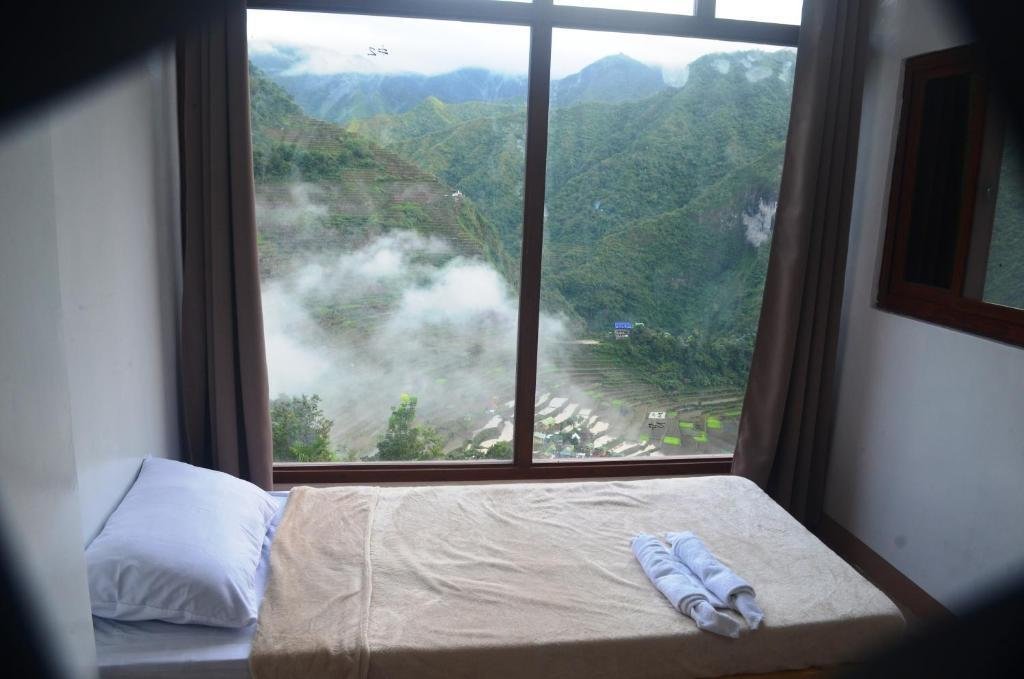
Banaue is a good choice for:
✔ First-time visitors
✔ Travelers carrying larger luggage
✔ Visitors who prefer easier transportation access
✔ Travelers wanting more food and accommodation choices
✔ Anyone using the town as a base for exploring Ifugao
🌾 Staying in Batad
Staying overnight in Batad offers a completely different atmosphere.
After many day visitors leave, the village becomes quieter and the surrounding mountains and terraces take center stage.
Accommodation tends to be simpler than what you’ll find in major Philippine tourist destinations, but that’s part of the experience.
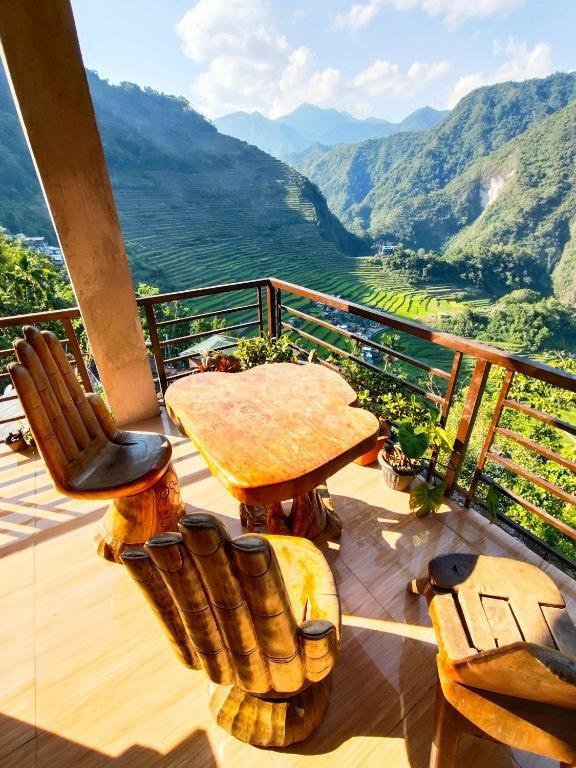
Batad is a good choice for:
✔ Hikers and adventure travelers
✔ Photographers
✔ Travelers who enjoy quiet evenings
✔ Visitors who want more time around the terraces
✔ Anyone comfortable with simpler mountain accommodation
❤️ TravelNest365 Pick: If your schedule allows, consider combining both experiences — use Banaue for convenience and spend one night in Batad for the mountain atmosphere.
🍲 What to Eat in Banaue & Batad
Food in the Ifugao highlands is another chance to experience a different side of the Philippines.
Around Banaue, travelers can find local eateries, small restaurants, guesthouse meals, Filipino dishes, and simple international options.
Choices become more limited once you move into remote areas such as Batad, where many travelers eat at their guesthouse or small local restaurants.
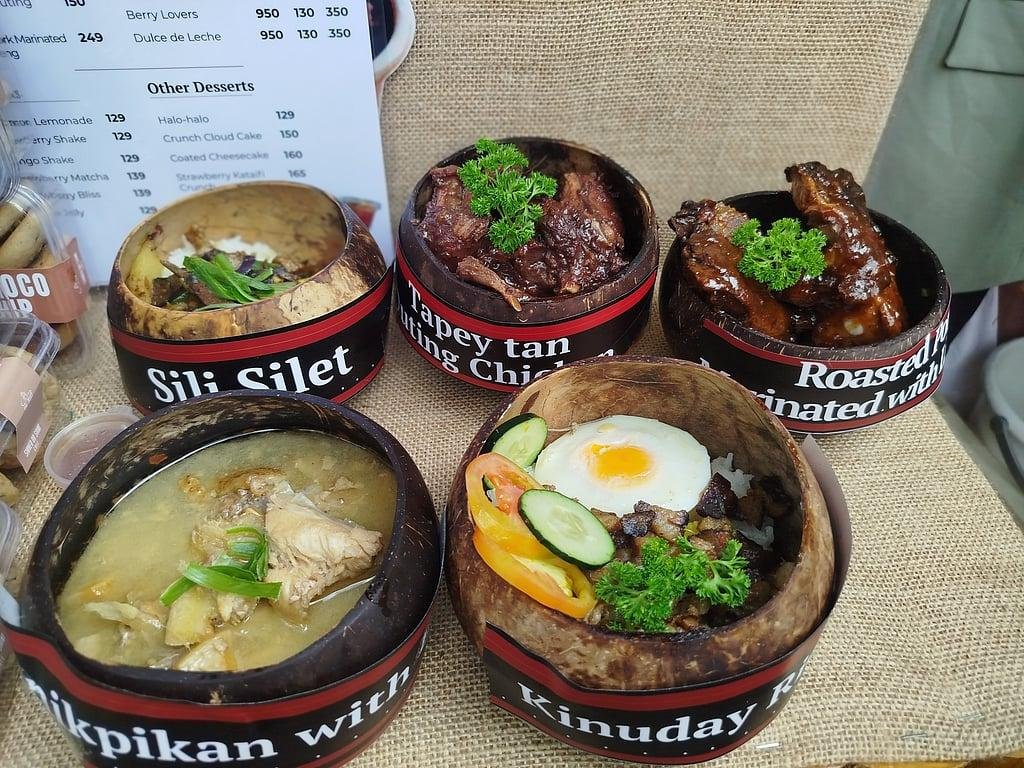
Rice naturally plays an important role in the region, and visitors may also encounter traditional Ifugao dishes and locally produced foods depending on where they eat.
One local specialty you may hear about is pinikpikan, a traditional Cordilleran chicken dish. Travelers interested in local cuisine can ask their accommodation or local hosts about available regional dishes and how they are traditionally prepared.
After a long day of trekking, even a simple hot meal with a mountain view can feel pretty special. 🍚⛰️
🍽️ TravelNest365 Tip: Don’t expect the huge restaurant selection found in Cebu, Boracay, or Manila. In Batad especially, keep expectations simple and ask your accommodation about meal availability in advance.
💰 How Much Does a Banaue & Batad Trip Cost?
Banaue and Batad can be relatively affordable compared with resort-heavy destinations, but your final budget depends heavily on transportation, accommodation, guides, food, and whether you choose private or shared transport.
Instead of relying on exact prices that may quickly become outdated, it’s better to plan your budget by category.
| Expense | What to Budget For |
|---|---|
| 🚌 Transportation | Manila–Banaue transport plus local transportation around Ifugao |
| 🏨 Accommodation | Guesthouse, homestay or simple mountain accommodation |
| 🥾 Local Guide | Optional depending on route, experience and comfort level |
| 🍲 Food | Local restaurants, guesthouse meals, drinks and snacks |
| 🎟️ Local Fees | Possible environmental, heritage, registration or attraction fees |
| 💵 Extra Cash | Emergency transport, extra meals, weather delays and unexpected expenses |
The most important budgeting rule here is simple:
Carry enough cash. 💵
Don’t assume that cards, digital payments, or ATMs will always be available or convenient once you’re away from larger towns.
💡 TravelNest365 Tip: Prices, entrance fees, guide rates, and transportation costs can change. Confirm current rates locally and carry a reasonable cash buffer before leaving Banaue for Batad.
🎒 What to Pack for Banaue & Batad
Packing for Banaue and Batad is different from packing for a beach holiday in the Philippines.
The combination of cooler mountain temperatures, trekking, rain, and uneven trails means a few practical items can make a big difference.
👟 Good walking or hiking shoes — grip is important on wet or uneven trails.
🧥 Light jacket — mornings, evenings, and overnight transportation can feel cool.
🌧️ Light rain protection — mountain weather can change quickly.
💧 Reusable water bottle — especially important for longer walks.
☀️ Sun protection — bring sunscreen, sunglasses, or a hat.
🔋 Power bank — useful during long travel and trekking days.
💵 Cash — don’t depend entirely on cards or digital payments.
🎒 Small backpack — much easier than carrying large luggage into Batad.
❤️ TravelNest365 Tip: Pack for the mountains, not the beach. Comfortable shoes, light layers, rain protection, and a small backpack will be far more useful here than extra resort clothes.
☀️ Best Time to Visit Banaue & Batad
Choosing when to visit Banaue and Batad can make a big difference to your experience.
Unlike a beach destination where travelers mainly think about sunshine and rain, the appearance of the rice terraces also changes throughout the agricultural cycle. 🌾
For travelers focused on hiking and outdoor exploration, the generally drier months can make mountain trails more comfortable and easier to navigate.
However, weather in the highlands can still change quickly, and rain is possible at any time of year.
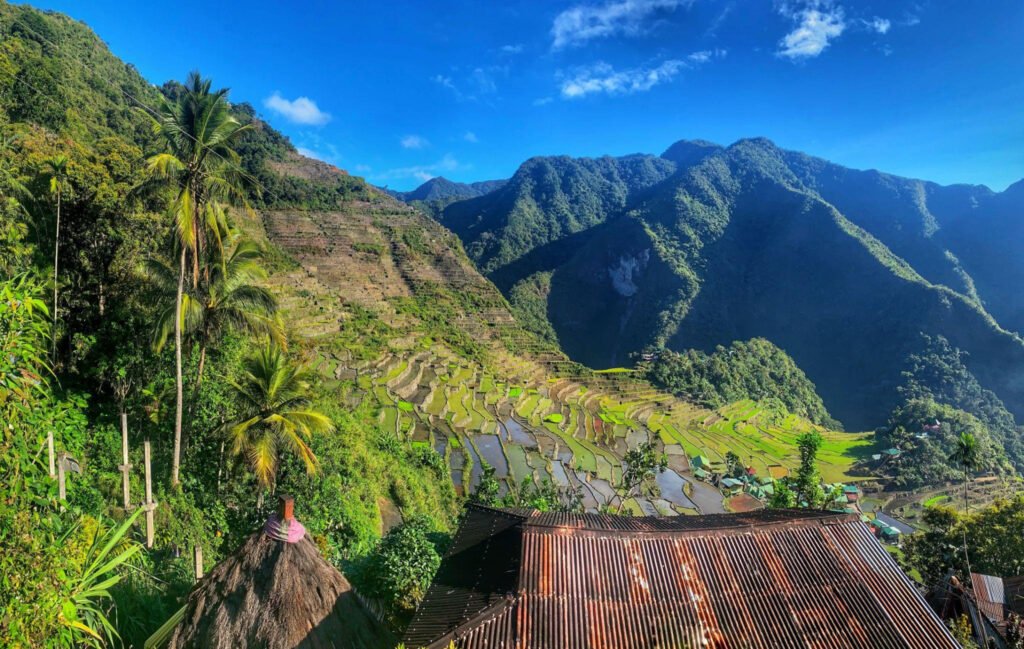
The wetter months can bring greener scenery, but heavier rain may also make trails muddy and slippery and can affect road conditions.
Instead of choosing your trip based only on a calendar, check the latest local weather forecast and current trail conditions shortly before traveling.
💡 TravelNest365 Tip: If trekking is your priority, give yourself some flexibility. Mountain weather can change, so having extra time in your itinerary is better than planning every hour too tightly.
🌾 When Are the Rice Terraces Green?
This is one of the most important questions for photographers:
“When will the Banaue and Batad rice terraces look green?” 📷
There isn’t one guaranteed date.
The appearance of the terraces depends on planting and harvesting schedules, location, weather, water availability, and local farming conditions.
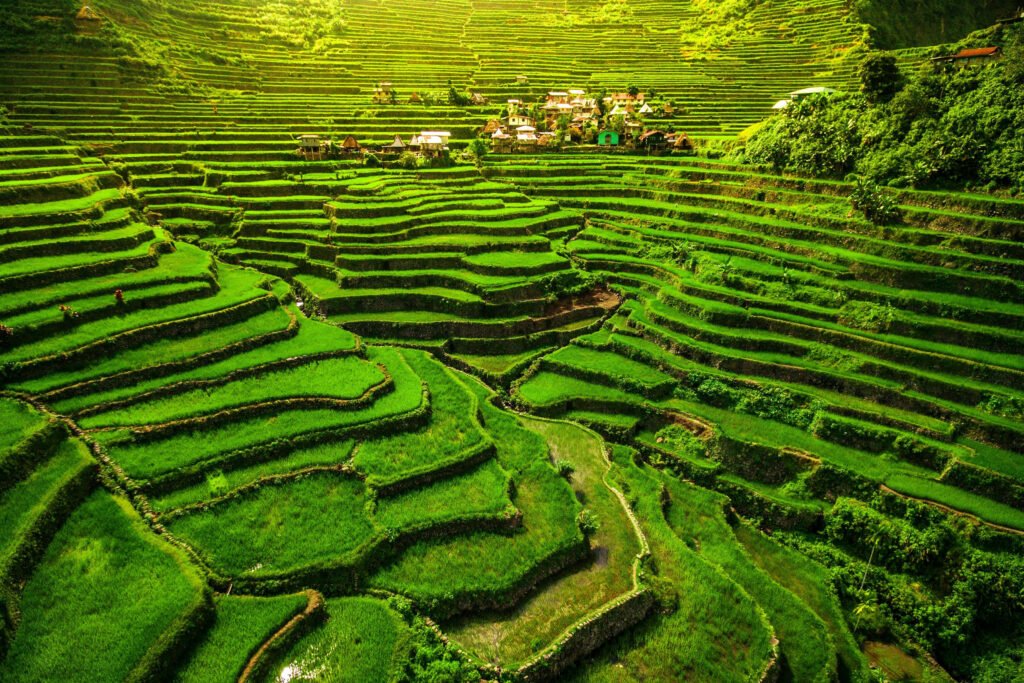
At different times, travelers may see freshly planted paddies reflecting the sky, vibrant green fields, mature golden rice, recently harvested terraces, or a combination of several stages across the landscape.
That’s part of what makes this a living agricultural landscape rather than a scenery display created for tourism.
If seeing intensely green terraces is especially important to you, check recent photographs and ask your accommodation or a local tourism contact about current conditions before making the journey.
📷 TravelNest365 Tip: Don’t judge the trip only by whether the terraces are perfectly green. Reflections, mist, golden fields, changing clouds, and different farming stages can create completely different — and equally memorable — landscapes.
🗓️ Suggested 3-Day Banaue & Batad Itinerary
For first-time visitors, three days gives you a useful introduction without forcing every experience into one exhausting day.
🏞️ Day 1 — Arrive in Banaue & Explore the Viewpoints
After arriving in Banaue, check into your accommodation and give yourself time to recover from the long journey.
Spend the rest of the day exploring accessible rice terrace viewpoints around Banaue and getting familiar with the town.
A relaxed first day is especially useful if you’ve traveled overnight from Manila.
Suggested Day 1:
🚌 Arrive in Banaue
🏨 Check into accommodation
🍲 Have breakfast or lunch
🏞️ Explore Banaue viewpoints
📷 Enjoy late-afternoon mountain scenery
😴 Rest early before Batad
🌾 Day 2 — Batad Rice Terraces & Tappiya Falls
Make your second day the main adventure day.
Travel toward Batad, continue into the village, and spend time exploring the spectacular rice terrace landscape.
Travelers with enough fitness and suitable trail conditions can add the trek to Tappiya Falls.
Don’t rush the day. The combination of steep terrain, heat or humidity, and the return climb can make the experience more tiring than expected.
Suggested Day 2:
🌅 Start early
🚙 Travel from Banaue toward Batad
🥾 Walk into the Batad area
🌾 Explore the rice terraces
💦 Trek to Tappiya Falls if conditions allow
📷 Stop at viewpoints
🏡 Stay in Batad or return to Banaue
⚠️ TravelNest365 Tip: Don’t schedule a difficult trek too late in the day. Give yourself enough daylight for the return journey and allow extra time for rest stops.
🌄 Day 3 — Slow Morning & Departure
Keep the final morning flexible.
If you stayed in Batad, enjoy the quiet mountain atmosphere before beginning your journey back toward Banaue.
If you’re already in Banaue, use the morning for another viewpoint, breakfast with a mountain view, souvenir shopping, or simply some rest before the long onward journey.
Suggested Day 3:
☕ Slow breakfast
🌄 Enjoy the morning scenery
📷 Final photographs
🎒 Prepare for departure
🚌 Continue to your next destination
📱 Internet, Mobile Signal & Electricity
Don’t expect the same level of connectivity you might find in Manila, Cebu, or other major tourist centers.
Mobile signal and internet access can be available around Banaue, but connectivity may become weaker or inconsistent in more remote mountain areas such as Batad.
Your experience can vary depending on location, weather, accommodation, and mobile network.
If you need maps, booking information, transportation details, or important documents, download or screenshot them before heading into remote areas. 📲
A fully charged power bank is also worth carrying, especially on long trekking and transportation days.
🔋 TravelNest365 Tip: Treat reliable internet as a bonus rather than a guarantee in remote areas. Download offline maps and keep important travel information accessible without a connection.
⚠️ Safety & Trekking Tips
Banaue and Batad are adventure destinations, and the biggest practical concerns for most visitors are related to terrain, weather, and physical effort.
Rice terrace trails can include narrow sections, uneven stone steps, steep climbs, and slippery surfaces.
A few simple precautions can make the experience much more comfortable:
👟 Wear shoes with good grip — smooth or slippery footwear is a poor choice for terrace trails.
💧 Carry enough water — especially if trekking to Tappiya Falls.
🌧️ Watch the weather — rain can quickly change trail conditions.
🌅 Start early — avoid getting caught on unfamiliar trails after dark.
🥾 Know your limits — don’t feel pressured to complete a difficult trek if you’re uncomfortable.
🧭 Consider a local guide — especially if you’re unfamiliar with the route or conditions are uncertain.
📱 Keep essential information offline — mobile service may not always be reliable.
⚠️ TravelNest365 Tip: The best viewpoint isn’t worth an injury. If rain makes a trail uncomfortable or unsafe, changing your plan is always better than forcing the hike.
🙏 Respecting Ifugao Culture & Local Communities
One of the most important parts of visiting Banaue and Batad is remembering that you’re entering living communities — not an outdoor theme park.
The rice terraces are agricultural landscapes where people live, work, grow crops, raise families, and maintain traditions.
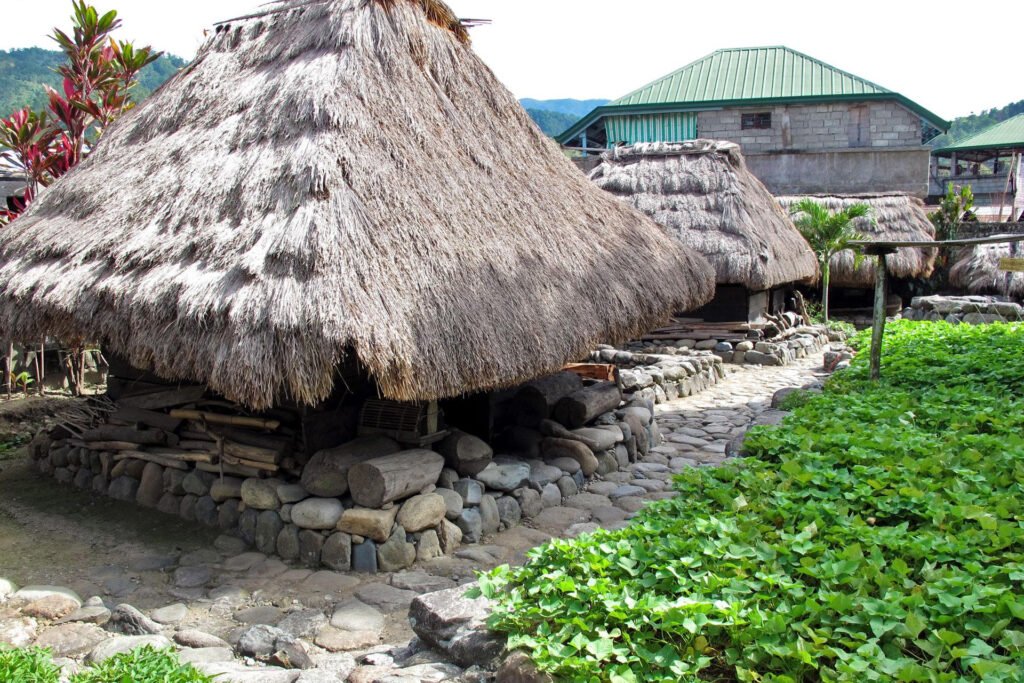
Responsible travel starts with simple respect.
🌾 Stay on appropriate paths and avoid stepping into planted fields.
📷 Ask permission before taking close-up photographs of local residents.
🏡 Respect homes and private property.
🗑️ Carry your trash out and avoid leaving waste on trails.
🤝 Use local guides, guesthouses, eateries, and services when appropriate.
🗣️ Follow instructions from residents and local authorities.
A beautiful photograph lasts a moment. Respect for the people who maintain these landscapes matters much longer. ❤️
🙏 TravelNest365 Tip: Travel as a guest. Supporting locally owned accommodation, guides, restaurants, and small businesses is one of the simplest ways to make your visit more meaningful.
🌱 Responsible Travel in the Rice Terraces
The landscapes around Banaue and Batad are beautiful precisely because they remain connected to farming and local communities.
Visitors can help protect that experience by traveling thoughtfully.
Use refillable water bottles when practical, avoid single-use waste, stay on designated or appropriate routes, and never enter rice fields simply to get a better photograph.
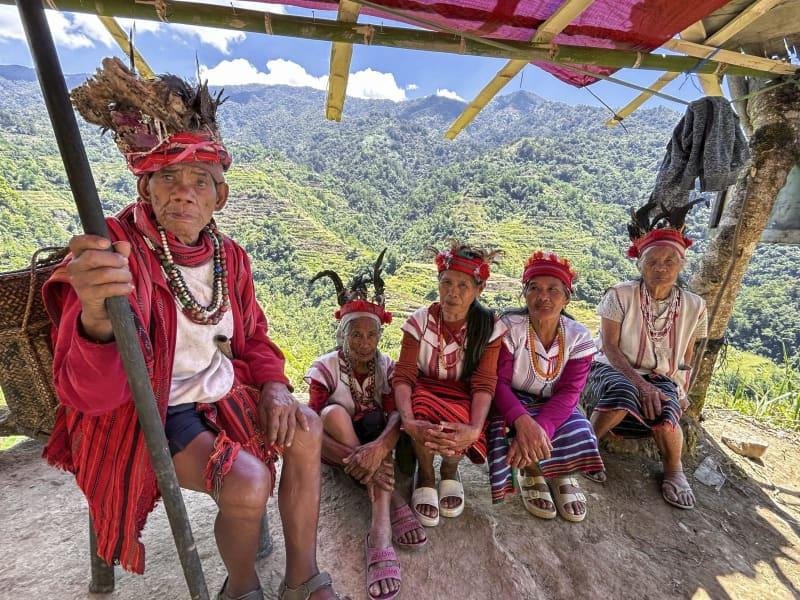
Small choices matter even more in remote destinations where waste management and infrastructure can be limited.
The goal should be simple:
Leave the landscape as beautiful as you found it. 🌿
❤️ Is Banaue & Batad Worth the Long Journey?
For travelers looking only for easy transportation, luxury resorts, and relaxing beaches, Banaue and Batad may require more effort than expected.
But that’s also exactly what makes this journey different.
The long road, mountain air, steep trails, small villages, waterfalls, and spectacular terraces create an experience that feels far removed from the Philippines’ busiest beach destinations.
If your goal is to experience more than one side of the Philippines, Banaue and Batad deserve serious consideration. 🇵🇭
❤️ TravelNest365 Tip: Don’t compare Banaue and Batad with Boracay, Cebu, or Palawan. That’s the point. Come here because you want the Philippines to surprise you again.
❓ Banaue & Batad Travel FAQ
Planning a trip into the mountains of Ifugao is very different from organizing a typical Philippines beach vacation. Here are some of the most common questions first-time visitors may have.
🌾 Are Banaue and Batad the Same Place?
No. Banaue is the main town and travel gateway, while Batad is a smaller village within the municipality of Banaue that is famous for its amphitheater-shaped rice terraces.
Many travelers use Banaue as their transportation and accommodation base before heading into Batad.
🏆 Are the Banaue Rice Terraces a UNESCO World Heritage Site?
This is an important distinction.
The UNESCO World Heritage property called the Rice Terraces of the Philippine Cordilleras consists of five specific terrace clusters in Ifugao Province.
These include Batad and Bangaan in Banaue municipality, along with other terrace clusters elsewhere in Ifugao.
So while the phrase “Banaue Rice Terraces” is commonly used in tourism, it is more accurate to understand that UNESCO recognition applies to specific terrace clusters rather than every rice terrace around Banaue.
🥾 Is Batad Difficult to Visit?
Batad requires more physical effort than many popular Philippine tourist destinations.
Expect walking, steps, uneven terrain, and steep sections. The trek to Tappiya Falls adds considerably more physical activity.
Travelers don’t need to be professional hikers, but reasonable mobility and comfortable walking shoes are important.
🧭 Do I Need a Guide in Batad?
A guide may not be necessary for every visitor or every route, but first-time travelers can benefit from local knowledge, particularly when trekking to Tappiya Falls or exploring unfamiliar terrace paths.
If you hire a guide, agree on the route, duration, rate, and inclusions before starting.
🗓️ How Many Days Do I Need?
Two to three days is a practical starting point for first-time visitors.
Three days gives you more breathing room for the long transportation journey, Banaue viewpoints, Batad, and Tappiya Falls without trying to squeeze everything into a single exhausting day.
💵 Should I Bring Cash?
Yes.
Bring enough Philippine pesos for accommodation, food, local transportation, guide services, possible local fees, and emergency expenses.
Do not rely entirely on cards, ATMs, or digital payments once you’re traveling into more remote areas.
📶 Is There Internet in Batad?
Connectivity can be limited or inconsistent depending on your exact location, network, accommodation, and weather conditions.
Download important travel information and offline maps before heading into remote areas.
👨👩👧 Is Banaue & Batad Good for Families?
Banaue can be enjoyable for families, particularly around the more accessible viewpoints.
Batad requires more careful consideration because of the steep terrain, stairs, and longer walks. Families should choose activities based on the age, mobility, and hiking experience of everyone traveling together.
💡 TravelNest365 Tip: Don’t build your itinerary around how many attractions you can check off. In Banaue and Batad, allowing enough time for transportation, walking, weather changes, and rest will usually create a much better trip.
🚫 Common Mistakes to Avoid
Banaue and Batad reward travelers who arrive prepared. A few simple mistakes can make the journey much harder than necessary.
❌ Bringing too much luggage
Large suitcases are inconvenient when heading into Batad. Travel light whenever possible.
❌ Wearing the wrong shoes
Slippery sandals or smooth-soled footwear can make steep and wet trails unnecessarily difficult.
❌ Underestimating Tappiya Falls
Remember that the descent is only half of the journey. You still need enough energy for the climb back.
❌ Starting too late
Give yourself enough daylight for hiking and unexpected delays.
❌ Depending completely on internet access
Keep important information, maps, and booking details available offline.
❌ Assuming every terrace will be bright green
The rice terraces are working agricultural landscapes, and their appearance changes throughout the farming cycle.
❌ Treating the terraces like a photo studio
Respect crops, homes, local residents, and private areas.
⚠️ TravelNest365 Tip: The easiest way to enjoy Banaue and Batad is to arrive with realistic expectations. This is a mountain adventure — not a polished resort experience.
🗺️ Where to Go After Banaue & Batad
One of the best things about adding Banaue and Batad to a Philippines itinerary is the contrast they create with the country’s tropical destinations.
After spending time among mountains and rice terraces, you can completely change the scenery by heading toward beaches, islands, waterfalls, cities, or diving destinations elsewhere in the country. 🇵🇭
If you’re building a longer Philippines itinerary, explore more TravelNest365 guides:
🏙️ Manila Travel Guide 2026 — useful if Manila is your gateway before or after Northern Luzon.
🏝️ Cebu Travel Guide 2026 — beaches, waterfalls, food, history, and island adventures.
🐢 Bohol Travel Guide 2026 — Chocolate Hills, countryside scenery, beaches, and island activities.
🌊 Siargao Travel Guide 2026 — surfing, island life, lagoons, and tropical scenery.
🏖️ Boracay Travel Guide 2026 — one of the country’s classic white-sand beach destinations.
🐠 Coron Travel Guide 2026 — lagoons, diving, island hopping, and dramatic limestone scenery.
🌴 El Nido Travel Guide 2026 — spectacular Palawan islands, beaches, and lagoons.
💦 Siquijor Travel Guide 2026 — waterfalls, beaches, snorkeling, and a relaxed island atmosphere.
🔗 TravelNest365 Tip: Add actual internal links to several of these guides before publishing. Linking related Philippines travel guides helps readers continue planning their trip and creates a stronger connection between your TravelNest365 articles.
⭐ Who Should Visit Banaue & Batad?
Banaue and Batad won’t be the perfect destination for every traveler — and that’s completely fine.
You may love this trip if you enjoy:
🌾 Unique landscapes
🥾 Hiking and outdoor adventures
📷 Travel photography
🏔️ Mountain scenery
🙏 Culture and local communities
🌿 Slower travel
🎒 Destinations that require a little extra effort
You may prefer another destination if your priority is:
🏖️ Spending every day on the beach
🍹 Luxury resort facilities
🛍️ Large shopping and nightlife areas
🚗 Easy door-to-door transportation
😴 A trip with very little walking
There’s no right or wrong choice.
The question is simply what kind of Philippines experience you’re looking for.
📋 Banaue & Batad Pre-Trip Checklist
| Before You Go | Check |
|---|---|
| 🚌 Confirm transportation | ☐ |
| 🏨 Book accommodation | ☐ |
| ☀️ Check weather | ☐ |
| 🥾 Pack proper footwear | ☐ |
| 💵 Prepare enough cash | ☐ |
| 📱 Download offline maps | ☐ |
| 🔋 Charge power bank | ☐ |
| 🎒 Prepare a light daypack | ☐ |
❤️ ❤️ Banaue & Batad Travel Guide 2026 — Final Thoughts
The Philippines is famous around the world for its islands.
And deservedly so.
But traveling through Banaue and Batad reminds us that some of the country’s most remarkable landscapes are found far from the sea. 🌾⛰️
Here, the experience isn’t about hopping between beaches.
It’s about walking through mountain landscapes, looking across generations-old rice terraces, slowing down in small communities, and discovering a side of the Philippines that many visitors never see.
The journey takes effort.
The trails can be tiring.
The weather won’t always cooperate.
And that’s part of what makes the experience different.
If you’ve already experienced the beaches, islands, waterfalls, and tropical scenery that make the Philippines famous, Banaue and Batad offer something completely new.
Come here because you want the Philippines to surprise you again. 🇵🇭🌾
❤️ TravelNest365 Final Tip: Travel slowly, respect the communities that call these mountains home, and don’t worry about seeing everything. Sometimes the best part of Banaue and Batad is simply stopping, looking across the terraces, and enjoying where you are.
🌏 Keep Exploring the Philippines with TravelNest365
Practical travel guides • Local tips • Beautiful destinations • Real trip planning 🇵🇭