

🇵🇭 Manila Travel Guide 2026: Best Things to Do, Food, Shopping & Insider Tips
📅 Last Updated: July 2026
Manila is unlike the tropical island destinations that many travelers imagine when they think of the Philippines.
You won’t find the white-sand beaches of Boracay or the dramatic lagoons of El Nido here. Instead, Manila offers something completely different: centuries of history, enormous shopping malls, diverse food, museums, nightlife, and the fast-paced energy of one of Southeast Asia’s biggest metropolitan areas.
For many international visitors, Metro Manila is also the gateway to the rest of the Philippines.
But before you start exploring, there’s one thing you should know:
Traffic can be intense.
I’ve lived in Manila before and have returned several times over the years, so in this guide I’ll combine my own experiences with practical, up-to-date information to help you plan a smoother trip.
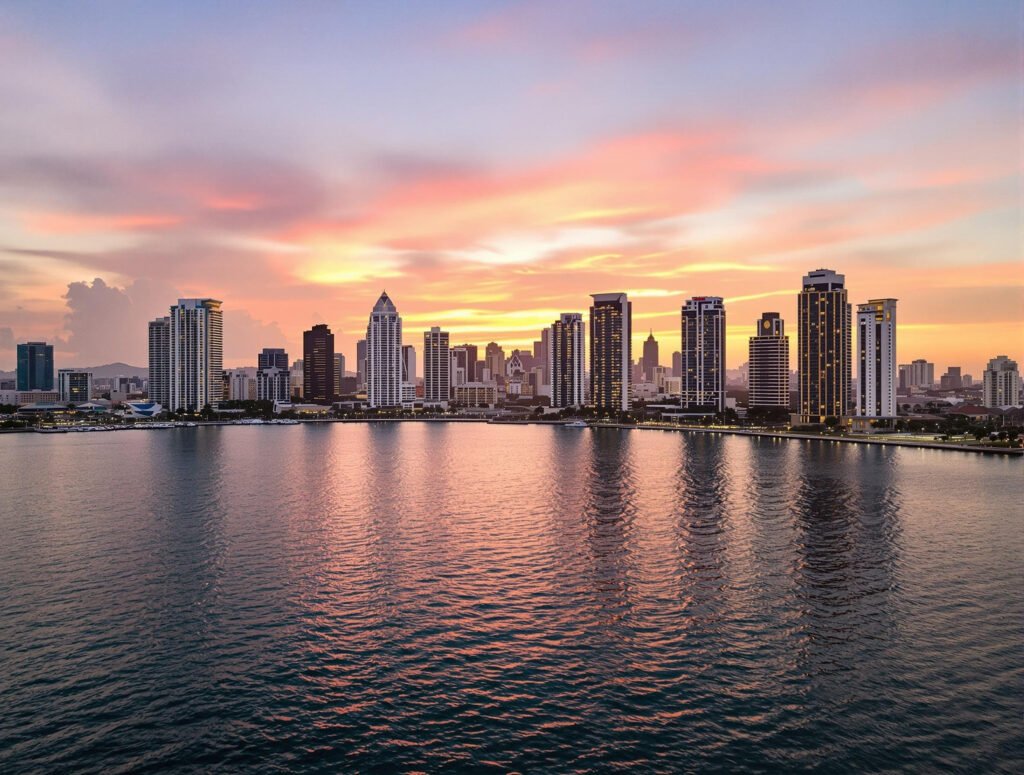
🌆 Manila Travel Guide 2026 Why Visit Manila?
Manila sometimes gets overlooked by travelers who immediately head to the islands.
But spending a couple of days here can give you a completely different perspective on the Philippines.
Metro Manila combines old and new in a way few other destinations in the country can.
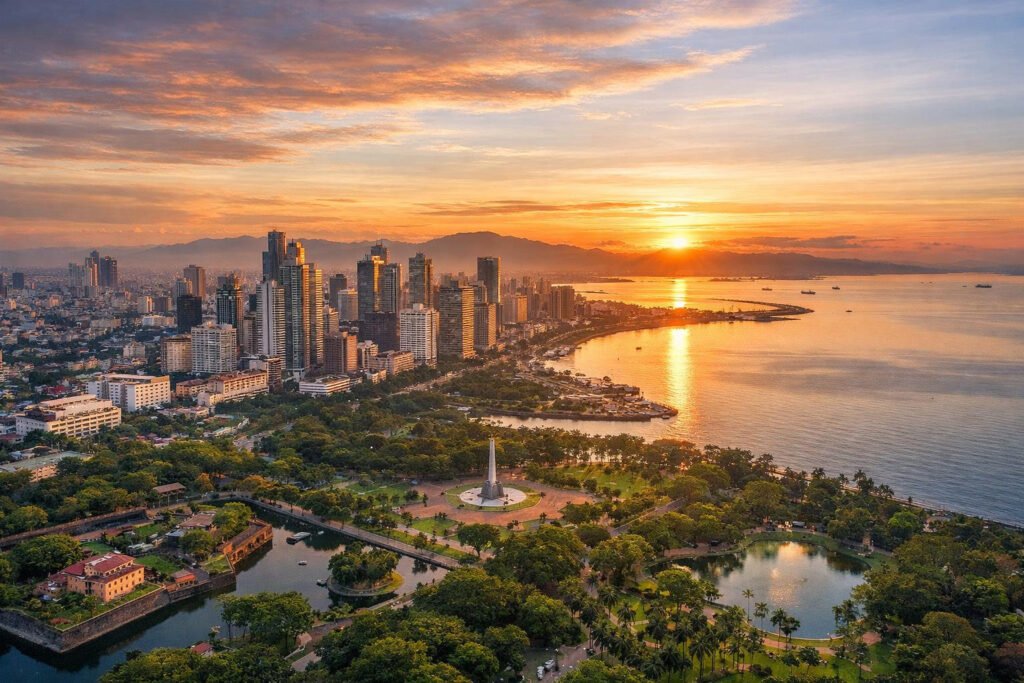
You can walk through centuries-old Spanish colonial streets in the morning, explore modern shopping districts in the afternoon, enjoy Filipino cuisine in the evening, and watch the sunset over Manila Bay.
The Philippine Department of Tourism highlights Metro Manila for its heritage districts, museums, food communities, shopping, lifestyle destinations, and entertainment. (Love the Philippines)
Some of the biggest reasons to visit include:
- 🏰 Spanish colonial history
- 🏛️ Museums and cultural attractions
- 🍜 Incredible Filipino and international food
- 🛍️ Huge shopping malls
- 🌇 Manila Bay sunsets
- 🎢 Family attractions
- 🌃 Modern areas such as BGC and Makati
- ✈️ Easy connections to destinations across the Philippines
✈️ My Personal Experience in Manila
I actually lived in Manila for about two years while I was studying, although that was around 15 years ago.
So I wouldn’t pretend that my experience from back then represents everything about Manila today.
But there’s one thing I remember very clearly—and it’s still something travelers should plan around:
The traffic.
Traffic congestion can seriously affect your itinerary.
A destination that looks close on Google Maps may take much longer to reach than expected, particularly during busy periods.
That’s why I don’t recommend planning too many attractions in different parts of Metro Manila on the same day.
Choose one area, explore it properly, enjoy some good food, and then move on.
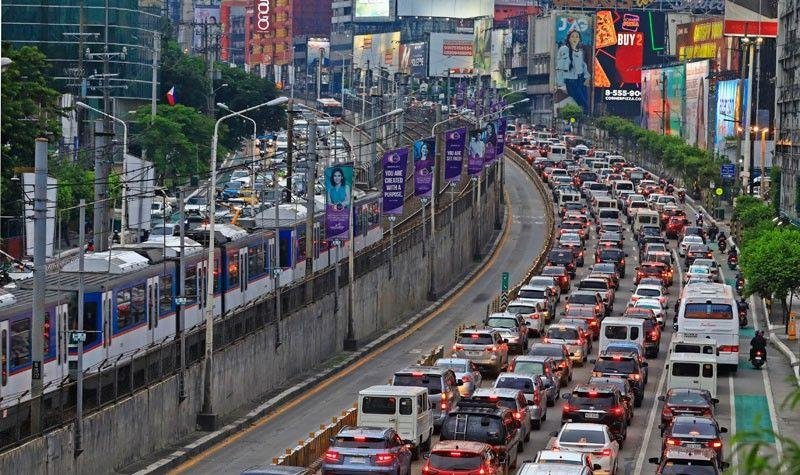
🚦 TravelNest365 Tip: Never Underestimate Manila Traffic
This is probably my most important Manila travel tip.
Always leave extra time.
This is especially important when you’re traveling to Ninoy Aquino International Airport (NAIA).
Don’t calculate your airport departure based only on the distance shown on the map.
Give yourself plenty of extra time for traffic and check your airline and terminal before leaving. NAIA currently operates passenger flights across Terminals 1, 2 and 3, with airline assignments varying by carrier. (New NAIA)
Missing an attraction because of traffic is annoying.
Missing your flight because of traffic is much worse.
🌍 Quick Travel Information
| Information | Details |
|---|---|
| 🇵🇭 Country | Philippines |
| 🏙️ Region | Metro Manila / National Capital Region |
| ✈️ Main Airport | Ninoy Aquino International Airport (NAIA) |
| 💵 Currency | Philippine Peso (PHP) |
| 🗣️ Languages | Filipino & English |
| ☀️ Best Time to Visit | December to February for generally cooler, drier conditions |
| 🕒 Time Zone | GMT +8 |
| 🔌 Power Plug | Type A, B & C |
| 🚕 Easy Transportation | Grab, taxi & rail depending on route |
☀️ Best Time to Visit Manila
For many travelers, December to February is one of the most comfortable periods to explore Manila.
The Philippines generally has a dry season from December to May, with December to February considered the cooler part of that dry season. March to May tends to become significantly hotter. (Pagasa)
The rainy season generally runs from June to November, although weather conditions vary from year to year.
If you’re visiting during the wetter months, keep your itinerary flexible and check the weather before heading out.
🏰 Top Attractions in Manila
Manila isn’t primarily a beach destination.
Its strength is history, culture, food, shopping, and urban entertainment.
Here are some of the places we’ll cover in this guide.
🏰 Intramuros
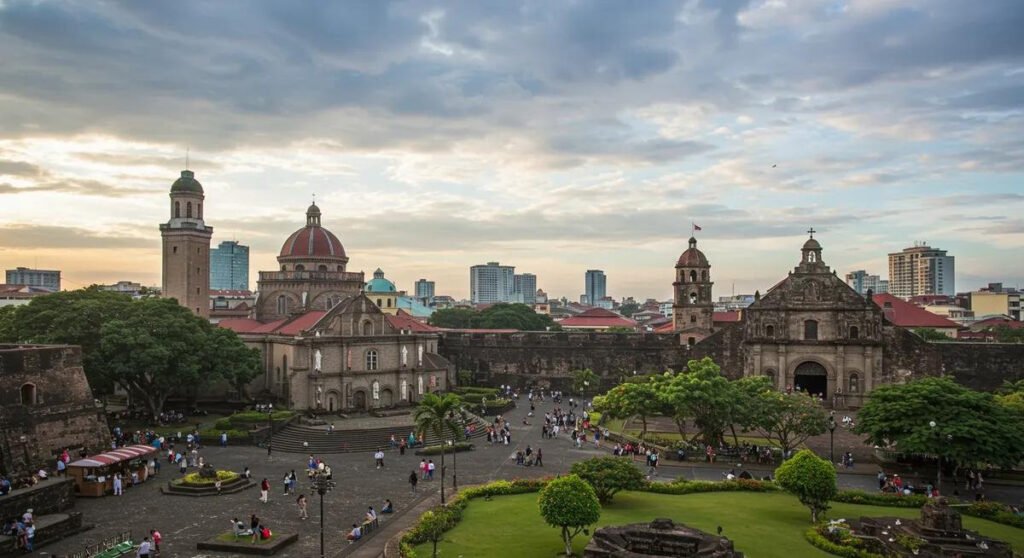
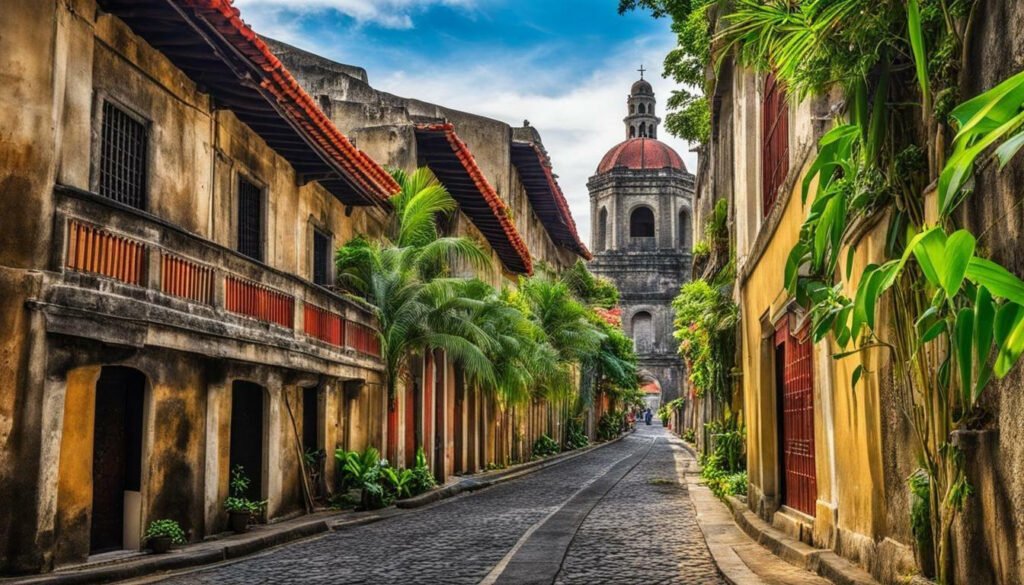
Known as the Walled City, Intramuros is one of the most important historical areas in Manila.
Its colonial architecture, old churches, plazas, and fortifications provide a glimpse into the city’s Spanish colonial past.
🛡️ Fort Santiago
Located inside Intramuros, Fort Santiago is one of Manila’s most significant historical landmarks.
It’s also closely connected to Philippine national hero José Rizal, making it an important stop for travelers interested in Philippine history.
🌳 Rizal Park
Rizal Park, also known as Luneta, is one of Manila’s best-known public spaces.
It’s conveniently located near Intramuros and the National Museum complex, so these attractions can easily be combined into one sightseeing day.
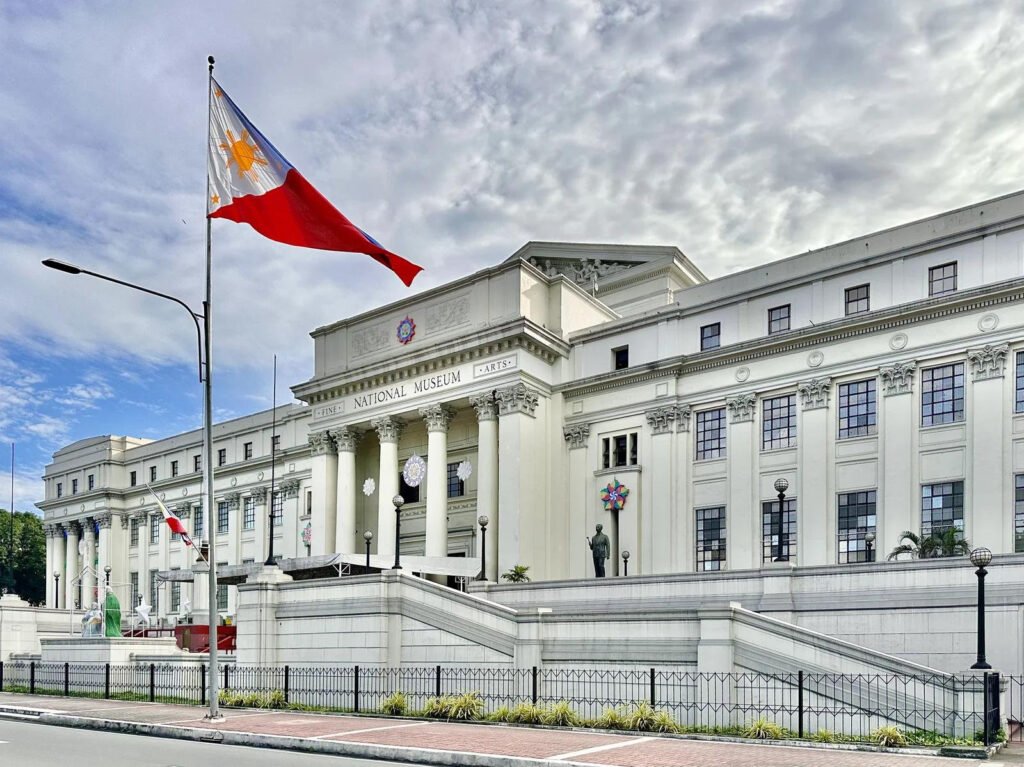
🏛️ National Museum Complex
For travelers who want to understand Philippine history, culture, art, and natural heritage, the National Museum complex deserves a place on the itinerary.
🛍️ A Relaxed Day at Mall of Asia
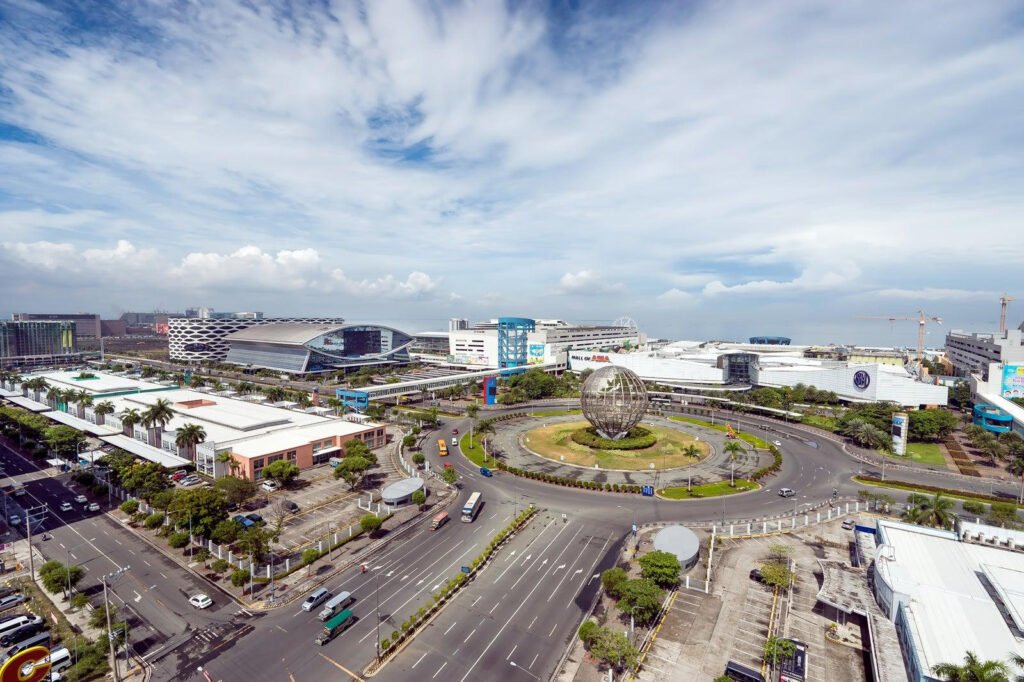
One place I’ve returned to on later visits is SM Mall of Asia (MOA).
And sometimes, that’s enough for the day.
If you don’t feel like running around Manila visiting attraction after attraction, spending several hours around the Mall of Asia area is an easy alternative.
You can shop, eat, have coffee, walk around the bay area, and simply relax without constantly moving across the city.
For families or travelers with only a little free time, I think it’s a convenient option.
My approach would be simple:
Shopping → Lunch → Coffee → More Shopping → Dinner → Manila Bay
No complicated itinerary required.
🐠 Manila Ocean Park
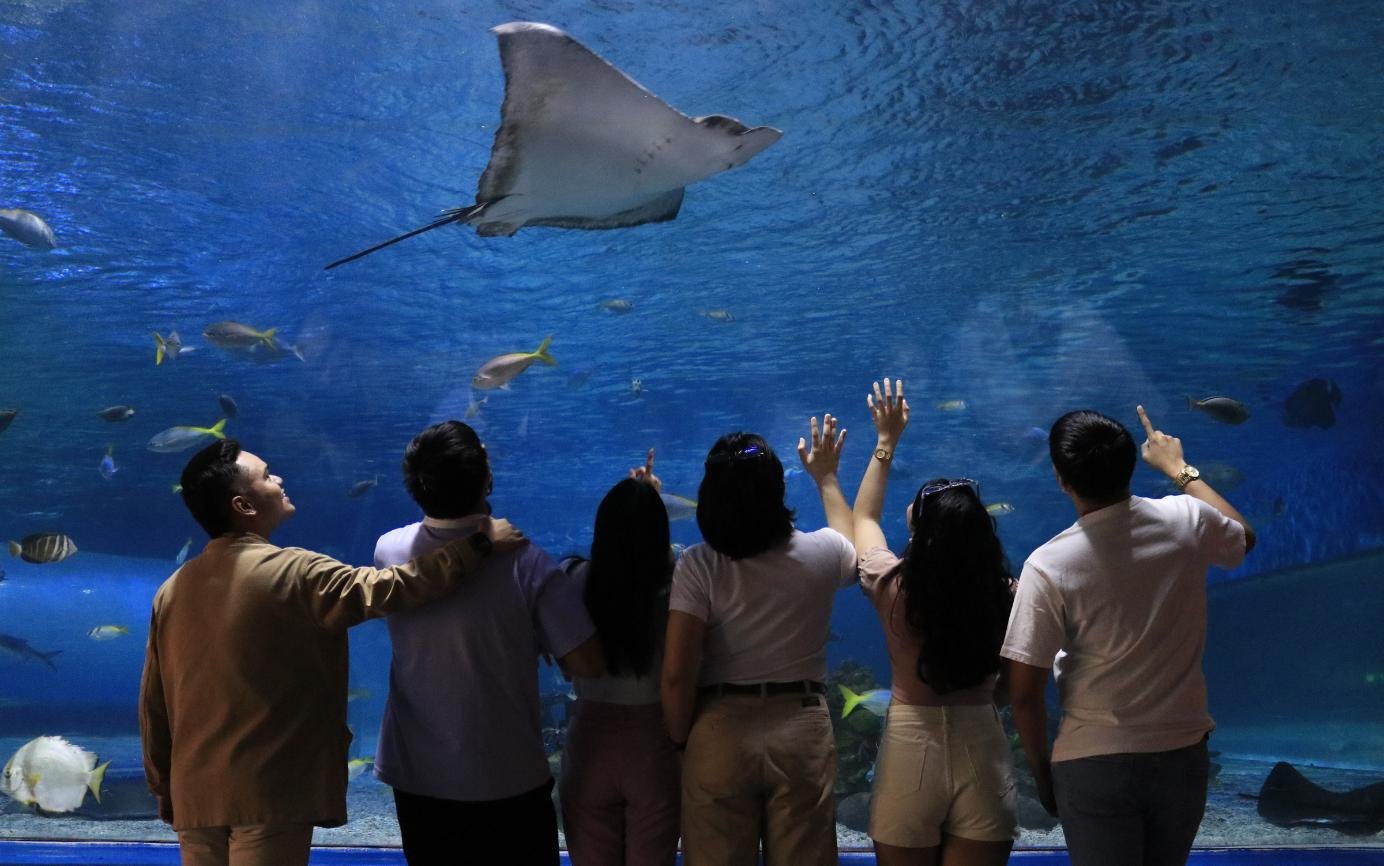
Another attraction I’ve visited is Manila Ocean Park.
It’s conveniently located near Rizal Park and Manila Bay, making it relatively easy to combine with other attractions in the old Manila area.
It’s particularly suitable for:
- 👨👩👧 Families with children
- 🐠 Marine-life lovers
- 🌧️ Rainy days
- 😌 Travelers looking for an easier sightseeing day
We’ll cover it in more detail in PART 2.
🛡️ A Quick Word About Safety
This is another area where I think travelers should be realistic.
Metro Manila is enormous, and neighborhoods can feel very different from one another. There’s no need to be frightened of exploring the city, but basic urban precautions are important.
Keep your phone and wallet secure in crowded areas, avoid unnecessarily displaying expensive valuables, and be more cautious when walking through unfamiliar places late at night.
For visitors unfamiliar with the city, using reputable transportation can also make getting around much easier.
The goal isn’t to worry about every step you take.
It’s simply to stay aware of your surroundings while enjoying the city.
💡 TravelNest365 Tip
Don’t try to experience all of Metro Manila in one day.
Instead, divide your itinerary by area.
For example:
Day 1: Intramuros → Fort Santiago → National Museum → Manila Bay
Day 2: Makati or BGC → Shopping → Restaurants → Nightlife
Day 3: Mall of Asia → Entertainment → Dinner → Sunset
You’ll spend much less time sitting in traffic and much more time actually enjoying Manila.
👉 Coming Up in PART 2
Next, we’ll explore:
- 🏰 Best Things to Do in Manila
- 🐠 Manila Ocean Park
- 🍜 Binondo Food Trip
- 🛍️ Mall of Asia
- 🌆 BGC
- 🏙️ Makati
- 🎢 Family Attractions & Entertainment
- 🏨 Best Areas & Hotels to Stay
- 🌃 Manila Nightlife
- 📍 Suggested 2-Day & 3-Day Itineraries
(End of PART 1)
🏰 Best Things to Do in Manila
Manila has a very different appeal from the Philippines’ famous island destinations.
Instead of spending your days jumping between beaches, the best way to enjoy Manila is through a combination of history, food, shopping, entertainment, and modern city life.
Here are some of the experiences worth adding to your itinerary.
🧱 Explore Intramuros
If this is your first trip to Manila, Intramuros should be near the top of your list.
Known as the “Walled City,” this historic district contains some of Manila’s most important colonial landmarks.
Take your time walking around the old streets, visiting historic buildings, and discovering a side of the Philippines that feels completely different from its tropical islands.
Popular stops include:
- 🛡️ Fort Santiago
- ⛪ San Agustin Church
- 🏛️ Casa Manila
- 🚲 Historic streets and plazas
💡 TravelNest365 Tip
Combine Intramuros, Fort Santiago, Rizal Park, and the National Museum on the same day. They’re relatively close together, which means less time fighting Manila traffic.
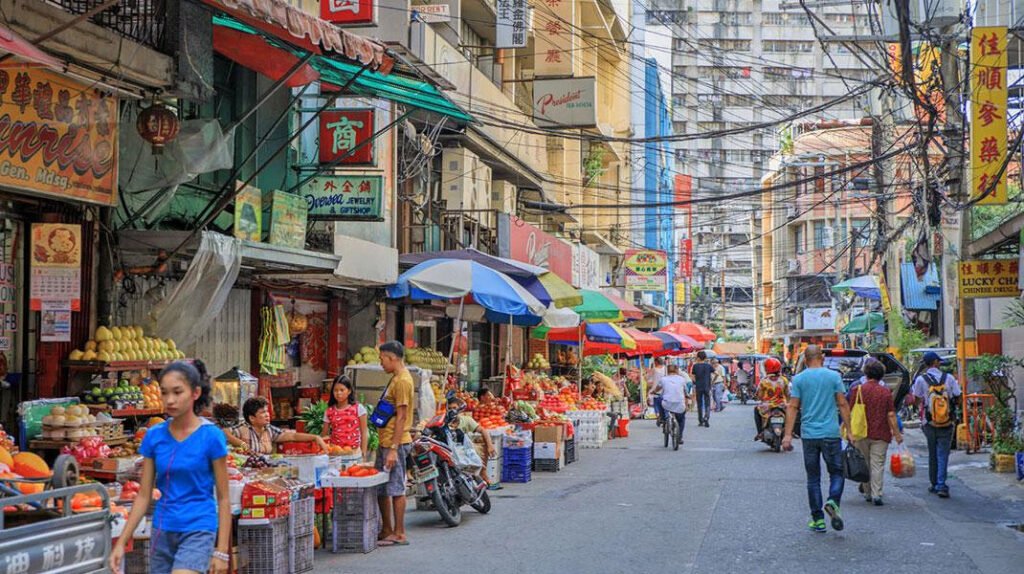
🍜 Explore Binondo – Manila’s Famous Chinatown
For food lovers, Binondo is one of the most interesting areas to explore.
Often described as the world’s oldest Chinatown, the neighborhood is packed with restaurants, bakeries, street-food stalls, and traditional shops.
Instead of eating one huge meal, try doing your own mini food crawl.
Popular things to try include:
- 🥟 Dumplings
- 🍜 Noodles
- 🥮 Hopia
- 🥠 Chinese-Filipino snacks
- 🥩 Siopao
- 🍲 Traditional noodle soups
Come hungry.
That’s probably the most important Binondo travel tip.
🐠 Spend a Few Hours at Manila Ocean Park
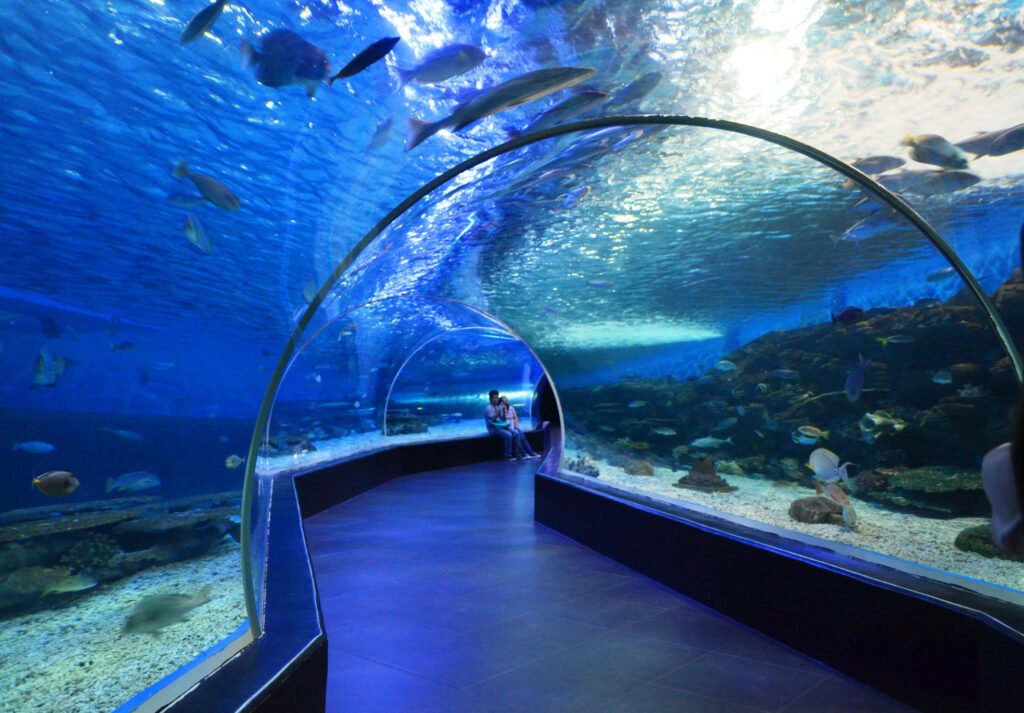
Located near Rizal Park and Manila Bay, Manila Ocean Park is one of the city’s best-known family attractions.
The aquarium and marine exhibits make it an easy addition to a Manila sightseeing itinerary, especially when traveling with children.
It’s also useful when the weather isn’t cooperating.
After spending several hours walking around Intramuros or Rizal Park, an indoor attraction can be a welcome change of pace.
🛍️ Spend a Day at SM Mall of Asia
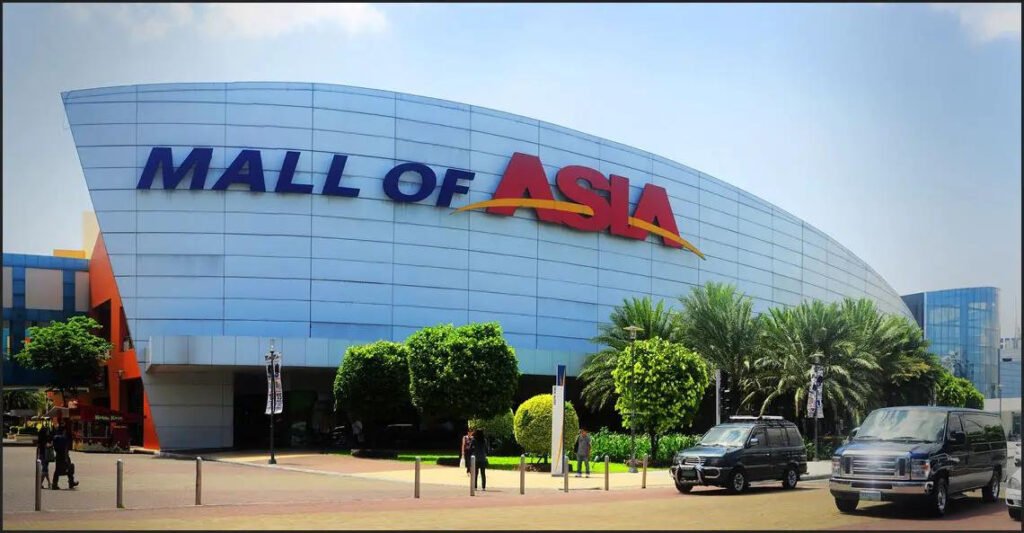
SM Mall of Asia (MOA) isn’t simply a place to buy clothes.
The enormous complex offers shopping, restaurants, cafés, entertainment, and attractions around the Manila Bay area.
This is one of those places where you can arrive around lunchtime and suddenly realize it’s already evening.
You can:
- 🛍️ Shop
- 🍽️ Try different restaurants
- ☕ Relax at a café
- 🎬 Watch a movie
- 🎡 Explore nearby entertainment
- 🌅 Finish the day around Manila Bay
For travelers who want an easy day without constantly moving between different parts of Metro Manila, MOA makes a lot of sense.
🌅 Enjoy Manila Bay at Sunset
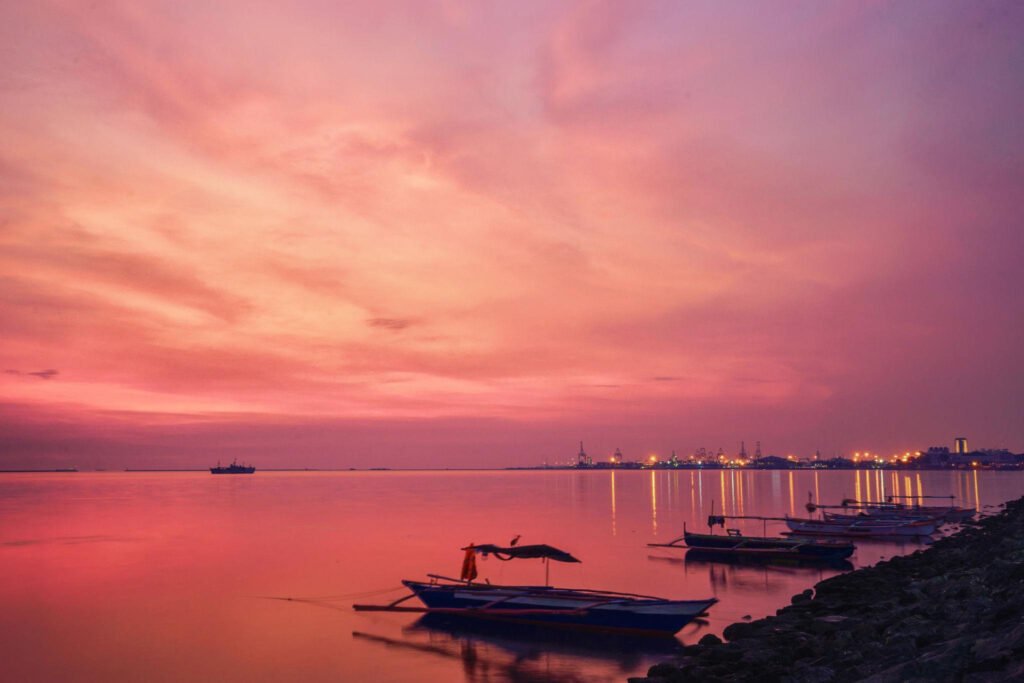
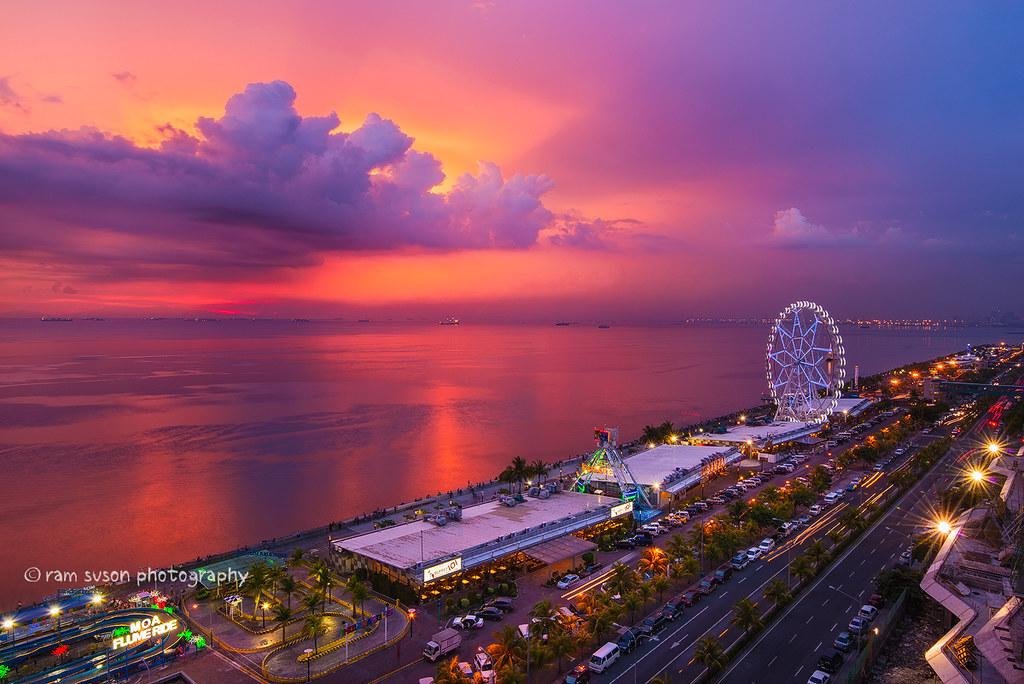
Manila Bay is famous for its sunsets.
After spending the afternoon around Mall of Asia or the waterfront, stay until early evening and enjoy the changing colors over the bay.
It’s a simple experience, but sometimes those are the best moments of a trip.
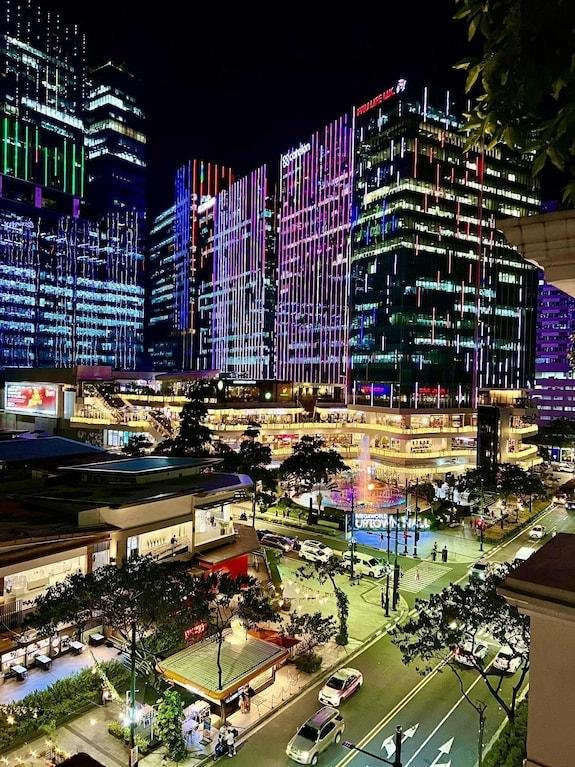
🌆 Explore BGC
For a completely different side of Metro Manila, head to Bonifacio Global City (BGC).
BGC feels dramatically different from historic Manila.
Expect modern skyscrapers, restaurants, cafés, shopping centers, public art, and lively streets.
Popular areas include:
- 🌳 Bonifacio High Street
- 🛍️ Uptown Mall
- 🍽️ Restaurants and cafés
- 🎨 Street art
- 🌃 Bars and nightlife
It’s particularly enjoyable in the late afternoon and evening when temperatures become more comfortable.
🏙️ Discover Makati
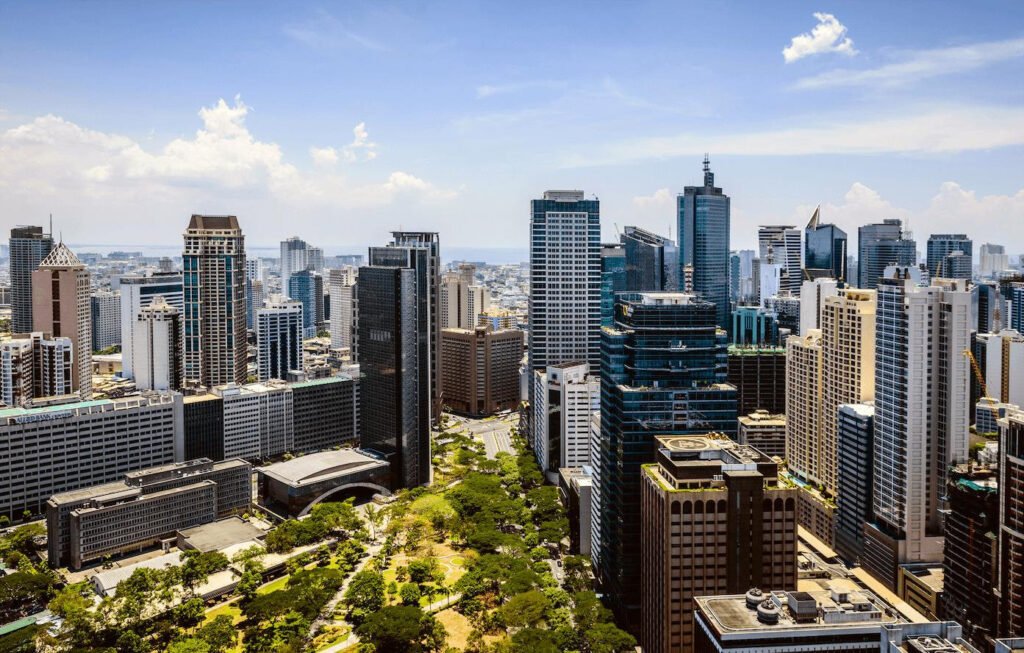
Makati is another excellent area for travelers who prefer modern city life.
It’s one of Metro Manila’s major business and lifestyle districts, with plenty of shopping, restaurants, cafés, bars, and upscale hotels.
Popular areas include:
- 🛍️ Greenbelt
- 🛍️ Glorietta
- 🌳 Ayala Triangle Gardens
- 🍴 Legazpi Village
- 🌃 Poblacion
Makati is also one of the areas I’d consider when choosing accommodation, particularly for travelers who prioritize restaurants and nightlife.
👨👩👧 Family Activities in Metro Manila
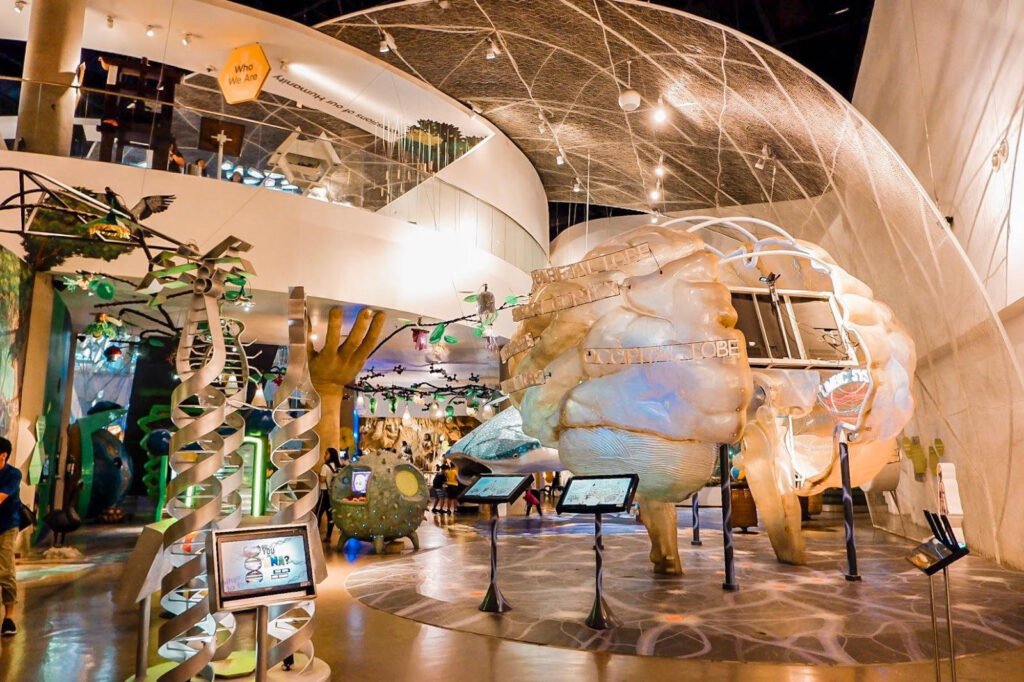
Traveling with children?
Manila has plenty of alternatives when everyone needs a break from historical sightseeing.
Depending on your itinerary, consider attractions such as:
Manila Ocean Park for marine life, The Mind Museum in BGC for interactive science exhibits, or entertainment attractions around the Mall of Asia area.
These are also useful backup options when heavy rain makes outdoor sightseeing difficult.
🏨 Where to Stay in Metro Manila
Choosing the right area can make a surprisingly big difference to your trip.
Because traffic can be difficult, don’t automatically choose a hotel simply because it’s slightly cheaper.
Sometimes paying a little more to stay close to the places you plan to visit can save hours of transportation.
🌆 BGC – Best for Modern Manila
Great for:
- First-time visitors who prefer modern surroundings
- Restaurants
- Shopping
- Nightlife
- Families
Expect newer hotels and a polished urban atmosphere.
🏙️ Makati – Best All-Round Choice
Great for:
- Restaurants
- Shopping
- Business travelers
- Nightlife
- Longer stays
Makati offers one of the best combinations of accommodation, dining, and entertainment.
🌅 Pasay / Mall of Asia – Best for MOA & Manila Bay
Great for:
- Mall of Asia
- Entertainment
- Manila Bay
- Short stays
- Travelers with activities around Pasay
🏰 Manila / Ermita – Best for Historic Attractions
Great for:
- Intramuros
- Rizal Park
- National Museum
- Manila Ocean Park
This area can be convenient for sightseeing, although travelers should be more mindful of their surroundings, particularly at night.
⭐ Hotel Recommendations
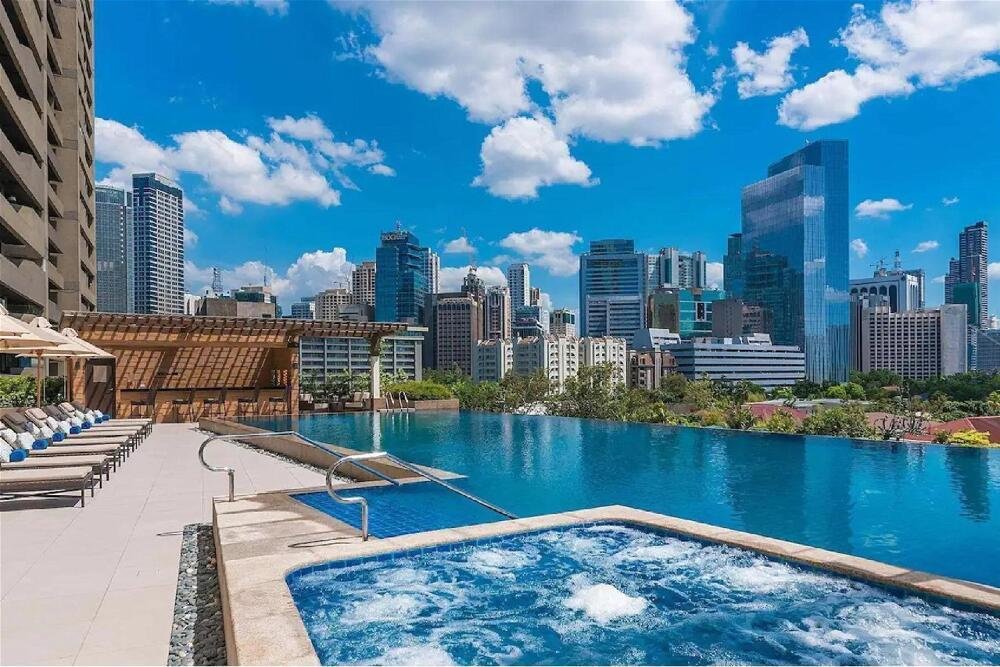
There are hotels for practically every budget in Metro Manila.
💎 Luxury
Consider established hotels around BGC, Makati, Entertainment City, and Manila Bay if you’re looking for premium facilities, pools, spas, and upscale restaurants.
🏨 Mid-Range
Makati and BGC have plenty of modern mid-range hotels that provide a good balance between comfort and location.
🎒 Budget
Budget hotels are available throughout Metro Manila, but location matters more than saving a small amount of money.
A cheap hotel far from your planned attractions could mean spending significantly more time in traffic.
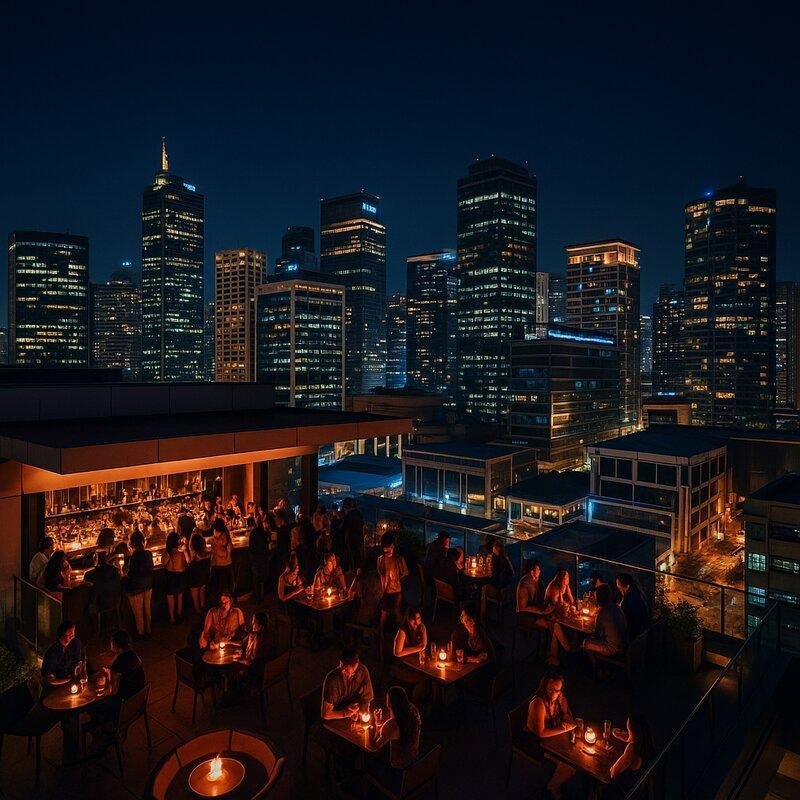
🌃 Manila After Dark
Metro Manila has a huge nightlife and dining scene.
For a more modern evening, explore BGC.
For restaurants, bars, and a livelier atmosphere, Poblacion in Makati is another popular choice.
Travelers looking for a quieter night can simply have dinner around Mall of Asia or Manila Bay.
Whatever area you choose, arrange reliable transportation back to your accommodation, particularly late at night.
🗺️ Suggested 2-Day Manila Itinerary
📅 Day 1 – Old Manila
Morning
Intramuros → Fort Santiago → San Agustin Church
Afternoon
National Museum → Rizal Park
Late Afternoon / Evening
Manila Ocean Park or Manila Bay sunset → Dinner
📅 Day 2 – Modern Manila
Morning
Relaxed breakfast → Makati
Afternoon
BGC → Bonifacio High Street
Evening
Dinner in BGC or head to Mall of Asia for shopping and Manila Bay.
🗓️ Have Three Days?
Use the third day for a slower experience.
One option is:
Binondo Food Trip → Mall of Asia → Shopping → Dinner → Manila Bay
This is much more realistic than trying to cross Metro Manila five times in a single day.
💡 TravelNest365 Tip
When planning Manila, think in areas rather than attractions.
For example, don’t schedule BGC → Intramuros → Makati → Mall of Asia → BGC all in one day just because everything appears relatively close on the map.
Metro Manila traffic can turn that itinerary into hours sitting inside a car.
Group nearby attractions together and enjoy each neighborhood properly.
You’ll see less traffic—and more of Manila.
👉 Coming Up in PART 3
Next, we’ll finish the guide with:
🍽️ Best Food & Restaurants
🐷 Filipino Dishes You Must Try
🚕 Getting Around Manila
✈️ NAIA Airport Tips
💰 Estimated Travel Budget
🛡️ Detailed Safety Tips
❓ Frequently Asked Questions
❤️ Final Thoughts & TravelNest365 Recommendation
(End of PART 2)
🍽️ Best Food Experiences in Manila
One of Manila’s biggest strengths is its food.
Metro Manila has everything from inexpensive local eateries and historic Chinese-Filipino restaurants to international cuisine and high-end dining.
If you’re visiting for the first time, don’t spend every meal inside a shopping mall.
Explore different neighborhoods and try some Filipino favorites along the way.
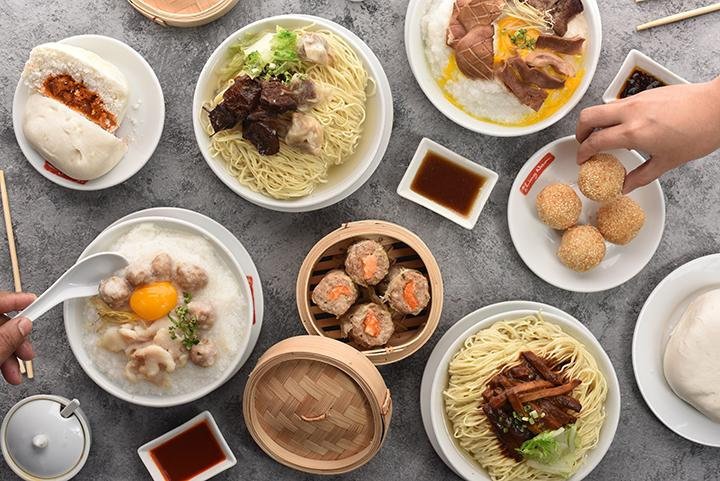
🥟 Binondo Food Trip
For me, one of the most interesting food experiences for visitors is Binondo.
The historic Chinatown district is packed with small restaurants, bakeries, noodle shops, and traditional Chinese-Filipino food.
Instead of choosing just one restaurant, make your visit a food crawl.
Try a little at several places.
Look out for:
- 🥟 Dumplings
- 🍜 Mami and noodles
- 🥮 Hopia
- 🥩 Siopao
- 🍲 Chinese-Filipino specialties
- 🥠 Traditional snacks and pastries
The Philippine Department of Tourism also highlights Binondo as one of Metro Manila’s notable food communities. (Love the Philippines)
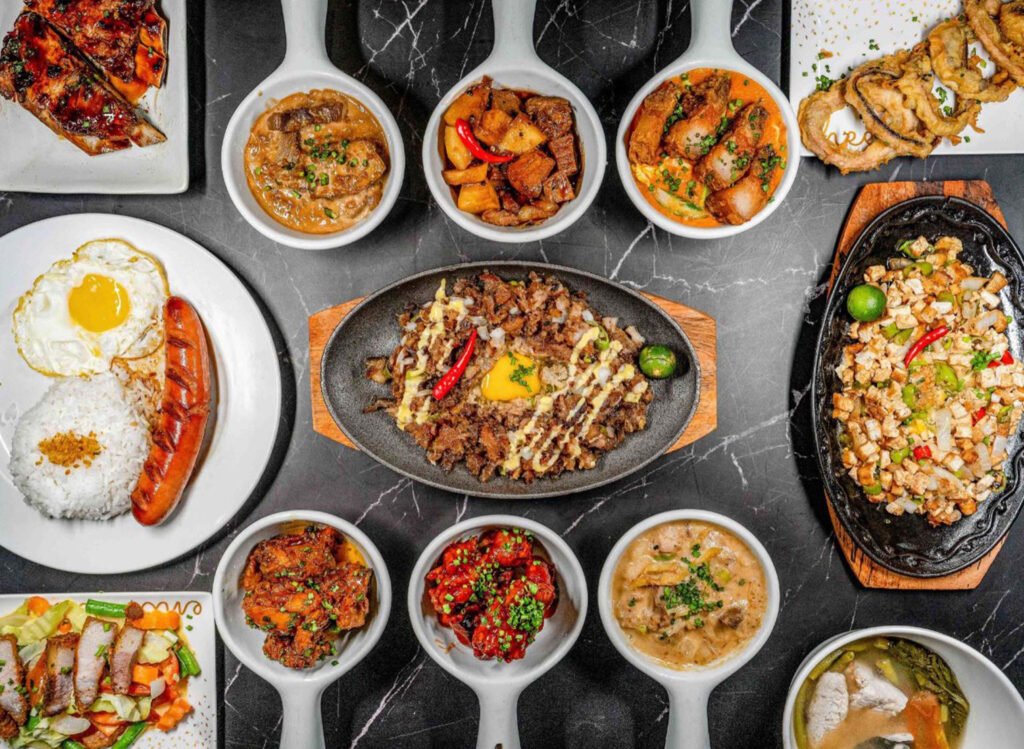
🐷 Filipino Food You Should Try
Even if Manila is only a short stop on your Philippines itinerary, make time for Filipino food.
Some dishes worth trying include:
🐷 Lechon
Whole roasted pig with crispy skin and tender meat.
🍗 Chicken Adobo
Chicken slowly cooked with soy sauce, vinegar, garlic, and spices.
🍲 Sinigang
A comforting Filipino soup famous for its distinctive sour flavor.
🥩 Sisig
A sizzling, savory dish that’s especially good with rice—and one of my recommendations if you’ve never tried Filipino food before.
🍝 Pancit
Filipino noodles served in many different regional styles.
🍨 Halo-Halo
One of the best desserts for Manila’s hot weather: shaved ice combined with various sweet ingredients.
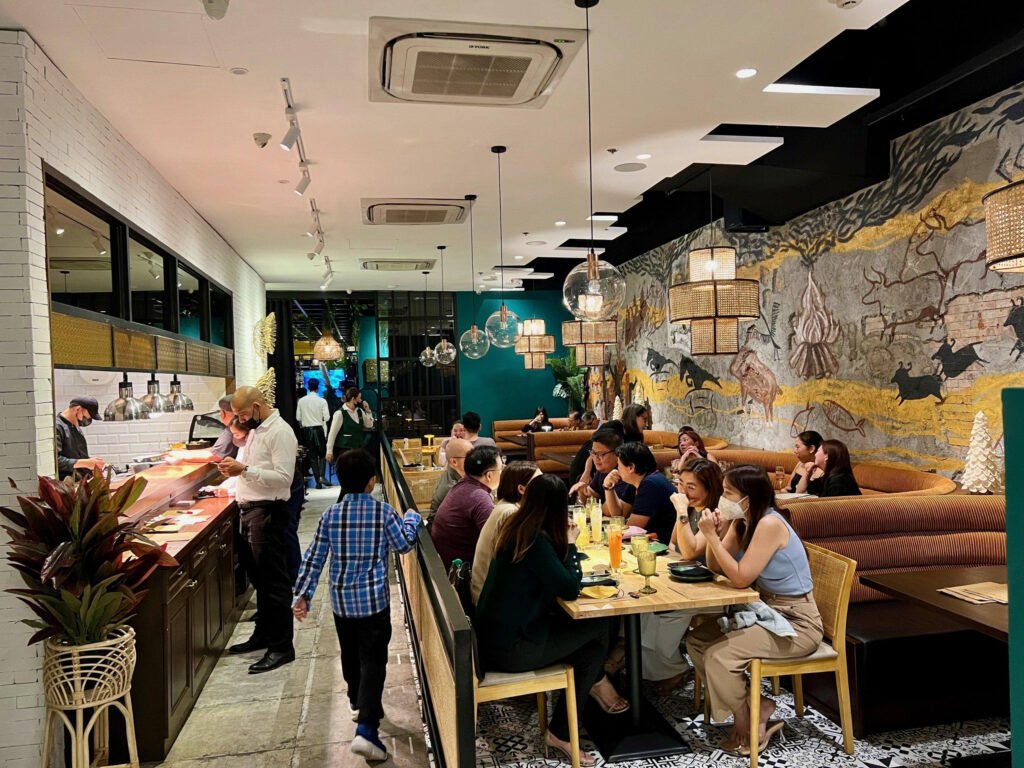
🍴 Where to Eat in Metro Manila
Rather than traveling across the city for one specific restaurant, I recommend choosing restaurants near the area you’re already exploring.
Binondo
Best for Chinese-Filipino food and food crawls.
Makati
Excellent for Filipino restaurants, international cuisine, cafés, and more upscale dining.
BGC
Great for modern restaurants, international cuisine, cafés, and evening dining.
Mall of Asia
Extremely convenient when you’re traveling with family or simply want lots of choices in one location.
💡 TravelNest365 Tip
Remember the traffic rule again.
A famous restaurant on the opposite side of Metro Manila isn’t necessarily worth spending two hours in traffic for.
Good food is everywhere in Manila.
🚕 Getting Around Manila
Transportation is probably the part of Manila that requires the most planning.
Metro Manila has rail systems, buses, jeepneys, taxis, and ride-hailing services.
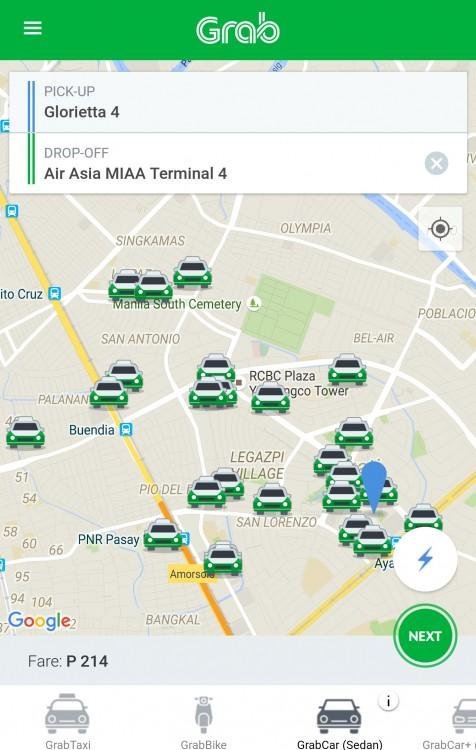
For first-time international visitors, I think one of the simplest options is Grab, particularly when traveling with luggage or moving between unfamiliar areas.
Grab currently operates ride-hailing services throughout Metro Manila and provides upfront pricing and trip tracking through its app. (Grab)
🚗 Grab
Convenient for tourists and easy to use.
🚕 Taxi
Widely available, but make sure you’re using a legitimate taxi and that the meter is being used appropriately.
🚆 MRT / LRT
Useful for certain routes and can help you avoid road traffic, although trains can become crowded.
🚌 Bus
Cheap and extensive, but potentially confusing for first-time visitors.
🚌 Jeepney
An iconic part of Filipino transportation and an experience in itself, although routes can be difficult for newcomers to understand.
✈️ NAIA Airport Tips
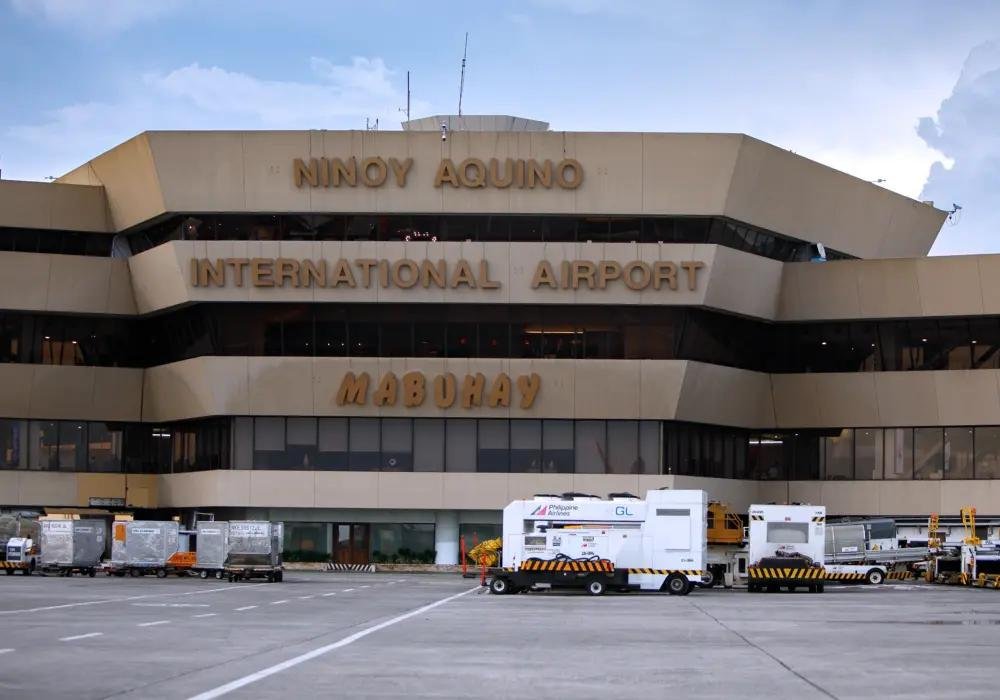
Ninoy Aquino International Airport is the main international gateway serving Metro Manila.
And here’s where my biggest Manila rule becomes especially important:
Don’t underestimate the traffic on the way to the airport.
Give yourself plenty of extra time.
Also check your correct terminal before leaving your hotel rather than simply telling your driver “NAIA.”
Another useful option is advance-booking an airport ride. Grab currently allows airport transfers to be reserved up to 90 days ahead. (Grab)
💡 TravelNest365 Tip
On departure day, I would rather arrive at the airport early and have coffee than sit inside a car watching my flight time get closer.
💰 Estimated Manila Travel Budget
Manila can work for almost every travel budget.
Your biggest variables will usually be accommodation, restaurants, and transportation.
| Travel Style | Estimated Daily Budget |
|---|---|
| 🎒 Budget | ₱1,500–₱3,000 |
| 🏨 Mid-Range | ₱3,500–₱7,000 |
| 💎 Comfortable / Luxury | ₱8,000+ |
These are rough planning estimates, not fixed prices, and exclude international flights. Hotel standards, ride-hailing demand, nightlife, shopping, and paid attractions can change the total significantly.
If shopping at Mall of Asia becomes part of the budget…
Well, that’s a different story. 😂
🛡️ Manila Safety Tips
Manila requires the same common-sense precautions you’d use in other large cities, with extra awareness in unfamiliar or crowded areas.
A few habits can make your trip easier:
- 🎒 Keep bags closed and valuables secure.
- 📱 Don’t unnecessarily display expensive phones or cameras in crowded areas.
- 💵 Avoid carrying large amounts of cash.
- 🚕 Use reliable transportation, particularly late at night.
- 🌃 Be cautious when walking through unfamiliar areas after dark.
- 🏨 Ask your hotel about areas you’re unsure about.
- 📍 Check your destination before getting into a vehicle.
- 👀 Stay aware in crowded tourist areas and public transportation.
There are plenty of places in Metro Manila where travelers comfortably enjoy restaurants, shopping, sightseeing, and nightlife.
The point isn’t to be afraid of Manila.
Be aware, plan your transportation, and use normal big-city precautions.
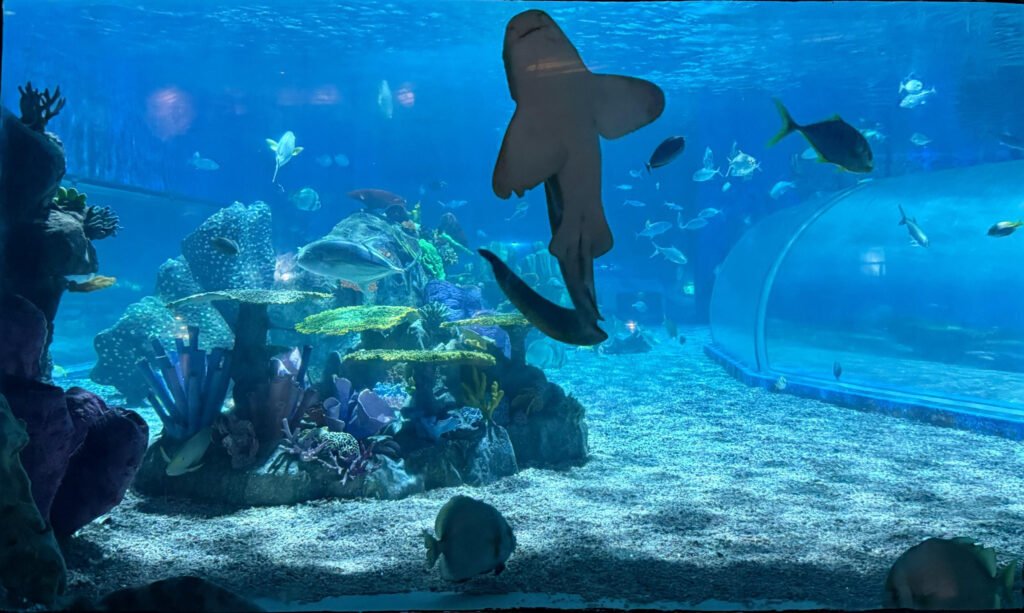
🐠 One More Option: Manila Ocean Park
For families or anyone with some extra time, Manila Ocean Park remains an easy addition because of its location near Rizal Park and Manila Bay.
As of July 2026, its official site lists attractions including the Oceanarium, penguin exhibit, creepy-crawlies exhibits, and animal shows. Operating schedules can change, so check the official site before visiting. (마닐라 오션 파크)
Manila Travel Guide 2026: Frequently Asked Questions
Is Manila worth visiting?
Yes, but approach it differently from destinations such as Boracay or El Nido.
Come for the history, food, museums, shopping, entertainment, and modern urban districts rather than tropical beaches.
Even two or three days can give you a good introduction to the capital region.
How many days do you need in Manila?
For most first-time visitors, 2–3 days is enough to see the major highlights.
Stay longer if you’re particularly interested in food, museums, nightlife, or shopping.
Is Manila expensive?
Manila can be inexpensive or very expensive depending on your travel style.
Local food and public transportation can be affordable, while luxury hotels, upscale restaurants, nightlife, and frequent Grab rides can increase your budget quickly.
Is Manila safe for tourists?
Millions of people live, work, and travel throughout Metro Manila, but visitors should still take normal large-city precautions.
Choose accommodation carefully, secure valuables in crowded places, and exercise more caution in unfamiliar areas at night.
Is English widely spoken?
Yes.
English is widely used throughout Metro Manila, particularly in hotels, malls, restaurants, airports, and major tourist areas.
For international travelers, communication is generally straightforward.
What is the biggest mistake first-time visitors make?
For me?
Trying to do too much in one day.
Metro Manila is huge.
An itinerary might look easy when you’re looking at a map, but traffic can completely change your plans.
Group attractions by location.
❤️ Final Thoughts: My Take on Manila
I’ll be honest about Manila.
I lived here for around two years when I was younger, but that was many years ago. Since then, most of my visits have been shorter trips rather than long stays.
And Manila probably isn’t the destination I’d choose if someone asked me to show them the Philippines’ most beautiful beaches.
That’s what Boracay, El Nido, Coron, Cebu, Bohol, and Siargao are for.
But Manila offers something those destinations don’t.
It’s a huge, energetic city where Philippine history, business, food, shopping, entertainment, and everyday urban life all come together. Metro Manila spans 16 cities and one municipality, with experiences ranging from historic Intramuros and Binondo to modern lifestyle districts. (Love the Philippines)
And if I’m passing through Manila with a free day?
I’d happily keep things simple.
Have a good meal.
Walk around Mall of Asia.
Do some shopping.
Have another good meal.
Watch the sunset.
And call it a day.
Sometimes you don’t need to turn every trip into a race between tourist attractions.
🌴 Continue Exploring the Philippines
Already planning where to go after Manila?
Continue your Philippines adventure with our other TravelNest365 guides:
From Manila’s skyscrapers to Palawan’s lagoons, there’s much more of the Philippines waiting to be explored.
Safe travels, and see you at the next TravelNest365 destination! ✈️🌴
Ninoy Aquino International Airport (NAIA)
(End of PART 3)