

🇯🇵 Nara Travel Guide 2026
Sacred Deer, Ancient Temples, Peaceful Gardens & Local Food
This Nara Travel Guide 2026 brings together the sights, hotel areas and food stops that make Japan’s ancient capital worth more than a hurried stop between Osaka and Kyoto. Come for the deer, but leave enough time for garden paths, lantern-lined approaches and the wooden townhouses of Naramachi.
A first visit works best when you give the park and the old town different parts of the day. Start with the major religious sites while your energy is high, pause for a proper lunch, then slow down among the shops and cafés. An overnight stay gives you room for the quieter places that a short day trip often misses.
Our recommendation: one full day for the essentials, or two days and one night for a more relaxed visit.
✈️ Quick Travel Information
| Travel Info | Details |
|---|---|
| 📍 Location | Nara City, Nara Prefecture, Kansai, Japan |
| 🚆 From Osaka | Around 40 minutes from Osaka-Namba to Kintetsu-Nara on suitable services; allow extra time from your hotel |
| 🚆 From Kyoto | Allow roughly 35–60 minutes by rail, depending on operator and service; check the journey planner |
| 🗓️ Recommended Stay | 1 full day, or 2 days / 1 night |
| 🌸 Best Time | Spring and autumn for comfortable walking and seasonal scenery |
| 🚶 Getting Around | Walking, with buses or taxis for longer stretches |
| 🏯 Famous For | Nara Park, Todaiji, Kasuga Taisha, historic temples and traditional townhouses |
| 🍱 Food to Try | Kakinoha sushi, kamameshi, warabimochi and local tea dishes |
| 💴 Currency | Japanese yen (JPY) |
| 🗣️ Language | Japanese; English information is available at major visitor sites |
| 💡 2026 Planning Note | Kofukuji’s five-storied pagoda is under restoration; check garden closures and hotel renovation notices |
Admission and operating details were checked against official sources on 11 September 2026. Recheck the linked venue notices for your actual travel date. Railway times are planning ranges, not a guaranteed timetable.
🦌 PART 1 — Nara’s Essential Sights
🦌 1. Nara Park — Meet the Deer
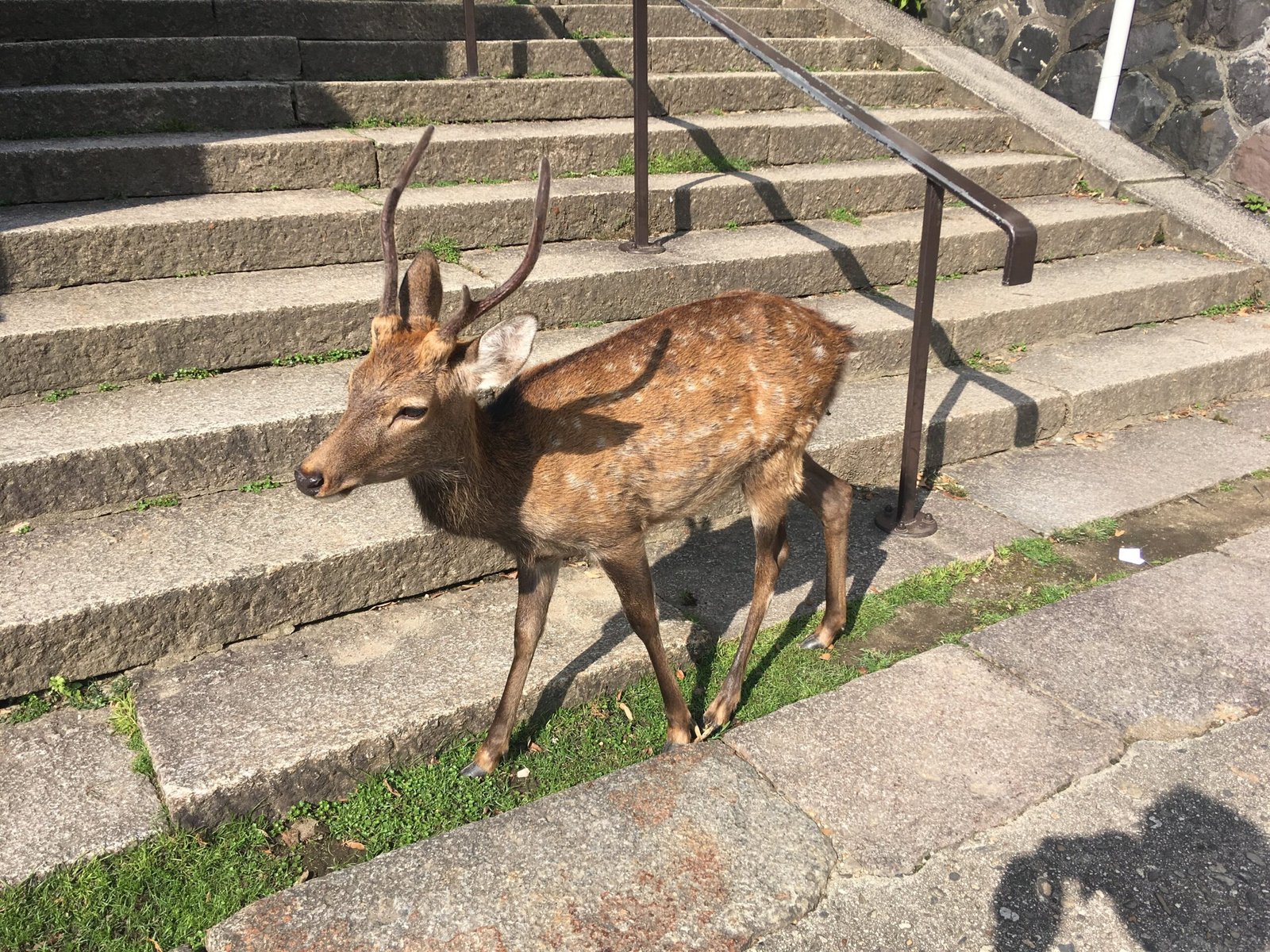
Nara Park is the natural starting point for a first visit. The appeal is not confined to one fenced attraction: open lawns, wooded paths and the routes between important temples make the park part of the journey itself. Plan a walk with a destination, then allow time for the stops you did not schedule.
The deer are wild animals, even when they approach people. You do not need to feed them to enjoy the park. Watch from a respectful distance, keep your bags closed and avoid surrounding an animal for a photograph.
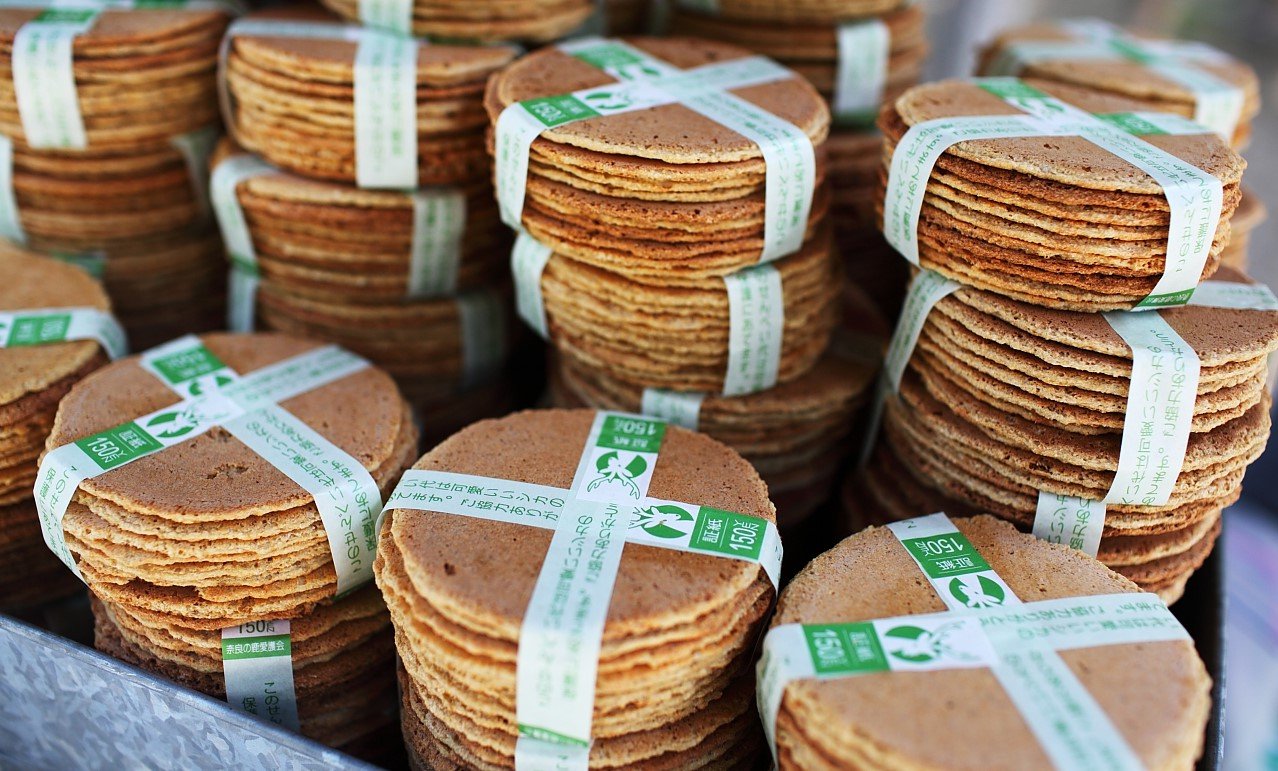
💡 TravelNest365 Tip
If you choose to feed the deer, use only the designated shika senbei sold locally. Do not offer bread, sweets or food wrappers. Keep children beside you, do not tease the animals, and step away calmly if a group becomes pushy. The city’s deer guidance explains the precautions.
🏯 2. Todaiji Temple — Make Time for the Great Buddha
Todaiji is the major temple visit to prioritize if your schedule only allows one paid religious attraction. Give the approach and the Great Buddha Hall their own time instead of trying to squeeze them into the same short stop as deer feeding.
The Great Buddha Hall currently lists opening hours of 7:30 AM–5:30 PM from April to October and 8:00 AM–5:00 PM from November to March. Individual admission is ¥800 for adults and ¥400 for children aged 6–12. A combined Great Buddha Hall and museum ticket is ¥1,200 for adults.
These charges apply to the ticketed facilities, not every path in the wider temple complex. Use the official admission page to decide whether the museum fits your interests. Photography rules differ between halls, so follow the signs rather than assuming one rule applies everywhere.
🌄 Optional Detour: Nigatsudo
With more time, continue to Nigatsudo, another part of the Todaiji complex. Its elevated setting gives the temple visit a different perspective. Save it for the two-day version if adding the detour would force you to rush lunch or the shrine approach.
🏮 3. Kasuga Taisha — Lanterns and a Woodland Approach
Kasuga Taisha provides a change of atmosphere after the scale of Todaiji. The walk toward the shrine is part of the experience, with the grounds drawing you away from the busiest open areas of the park.
There is a distinction between a general visit and the special admission inside the cloisters, currently ¥700. Check the official shrine guide for access and ceremonial restrictions. Do not expect every lantern to be illuminated on an ordinary daytime visit.
Keep your voice low and give worshippers room at the places of prayer. The shrine has specific photography rules, including restrictions on equipment and commercial work. A phone camera is not a reason to ignore posted instructions.
🏯 4. Kofukuji & Sarusawa Pond — An Essential 2026 Update
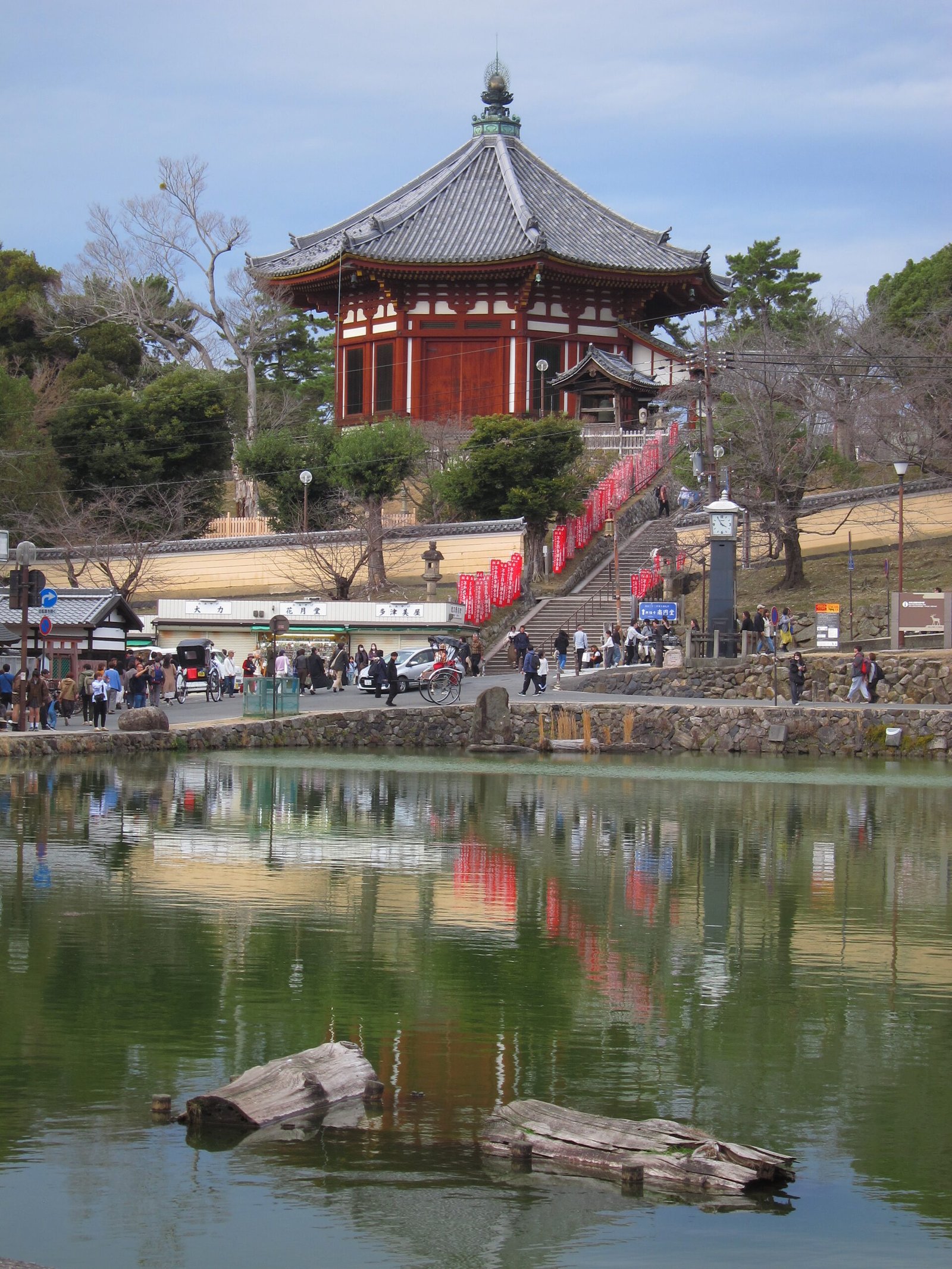
Kofukuji is convenient to combine with the area around Kintetsu-Nara Station and Sarusawa Pond. Choose the halls or museum you want to visit, then use the pond as a natural transition toward Naramachi.
The five-storied pagoda is undergoing major conservation work. Older travel photographs showing an unobstructed tower do not represent the normal 2026 view. The current conservation project page gives a planned completion of March 2034, superseding older references to 2031.
This does not make the whole area a wasted stop. Focus on the accessible parts of the temple complex, the pond and the surrounding streets, rather than planning your visit around recreating one old postcard view.
🌿 PART 2 — Gardens, Views & Naramachi
🌿 5. Isuien Garden — A Deliberate Pause
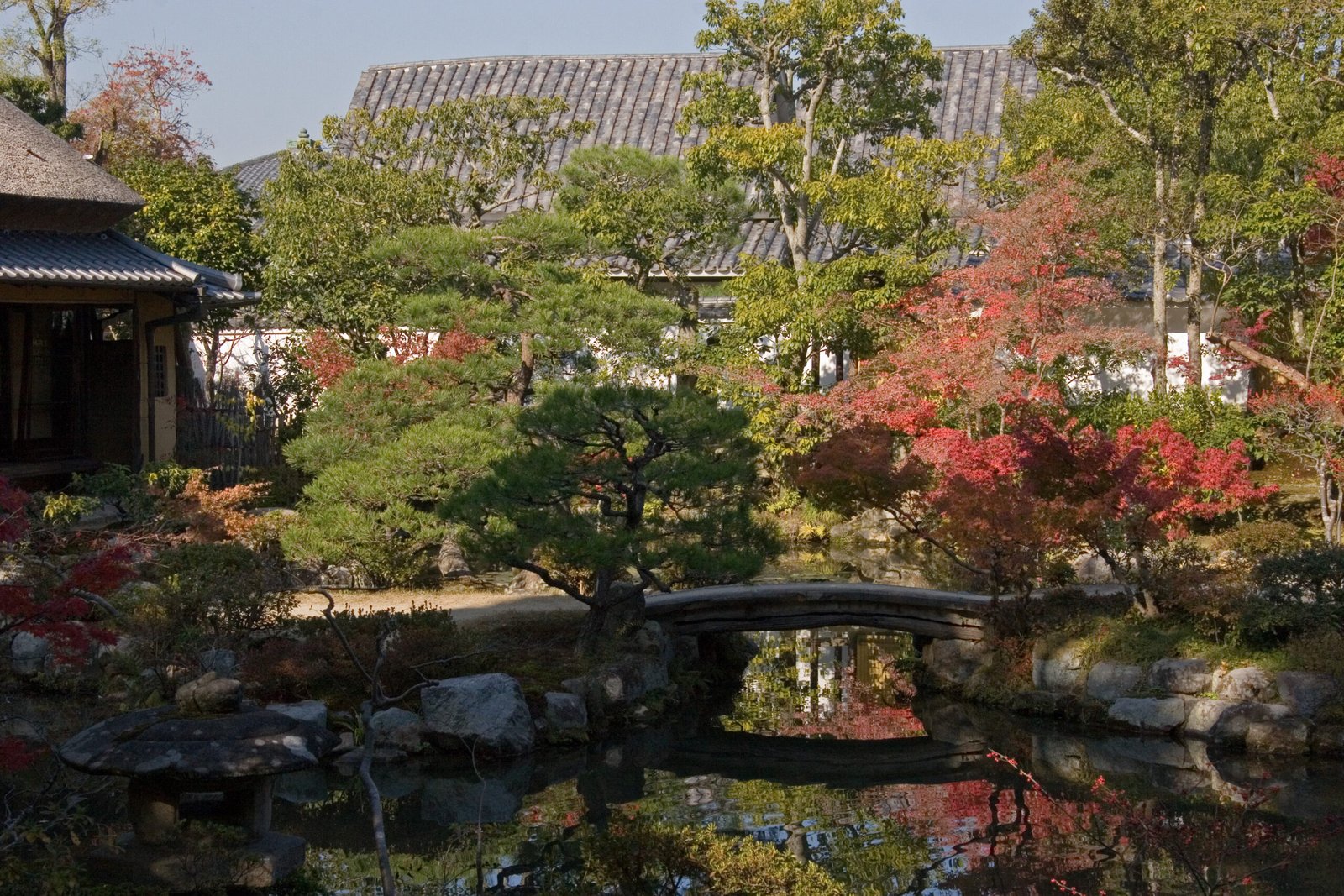
Isuien is a good choice when you want a quieter interval between the larger sights. Instead of collecting another landmark, allow time to look at the relationship between water, planting and the views around the paths. About an hour is a sensible space to leave in your itinerary.
The official guide lists 9:30 AM–4:30 PM, with entry by 4:00 PM, and adult admission of ¥1,200, including the museum. Tuesday is normally a closing day, with holiday adjustments. Maintenance closures include late December to mid-January and the last third of September.
Do not assume the garden is open just because it is a sightseeing day. Check Isuien’s calendar and access information before travelling. Uneven stepping stones also make this a poor choice for some mobility needs; the garden explicitly says it is not wheelchair accessible.
🍃 6. Yoshikien Garden — A Smaller Garden Stop
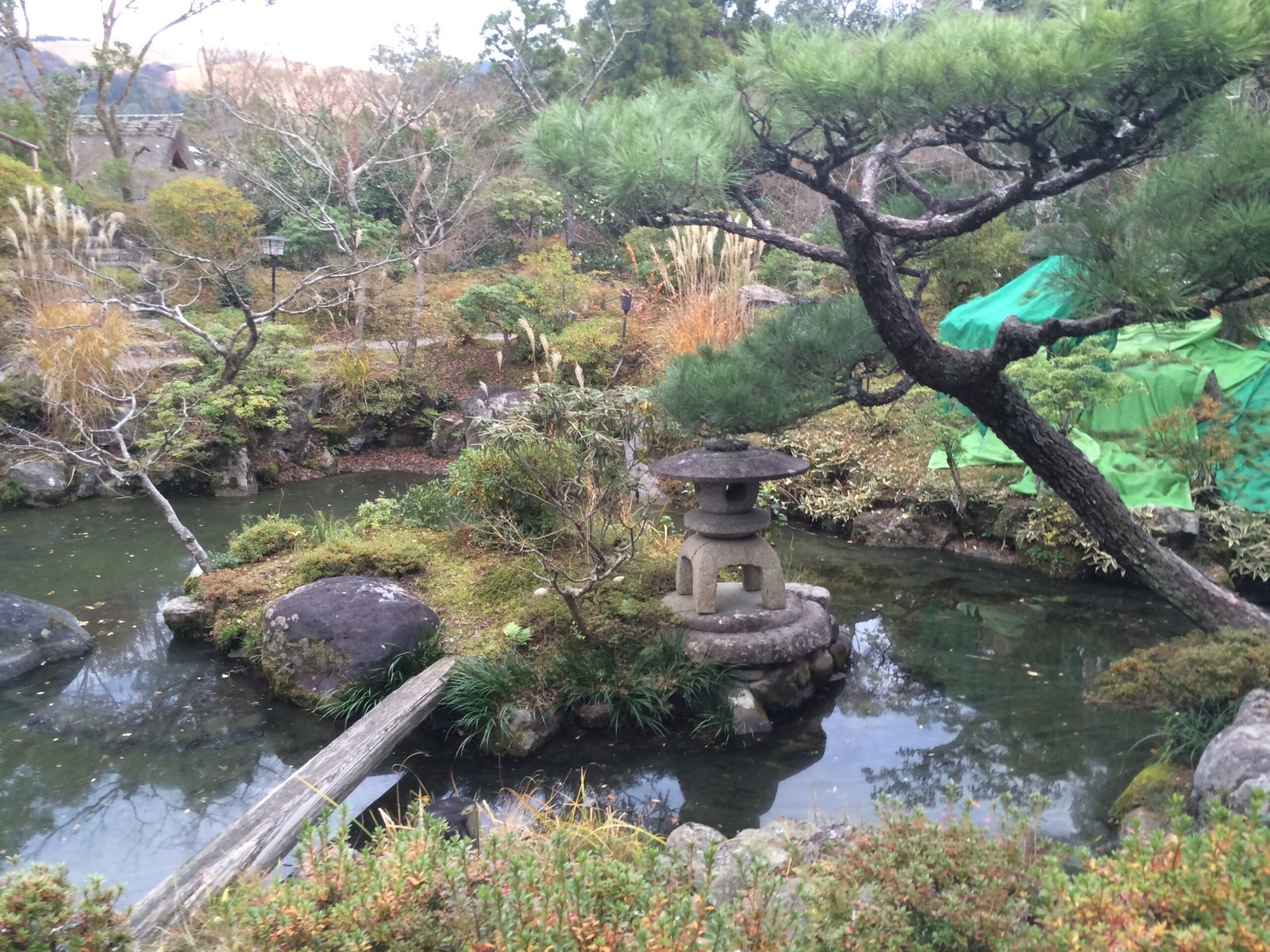
Yoshikien sits beside Isuien and offers another garden experience without a long transfer. If your day is already full, choose one garden and enjoy it properly. Garden enthusiasts can combine the two during an overnight visit.
Bring your passport if you plan to use any visitor admission concession, and confirm the current arrangement at the entrance. Check the official tourism listing for seasonal opening information. This is a place for unhurried walking, not a shortcut between bus stops.
🌊 7. Ukimido — A Gentle Detour by the Water
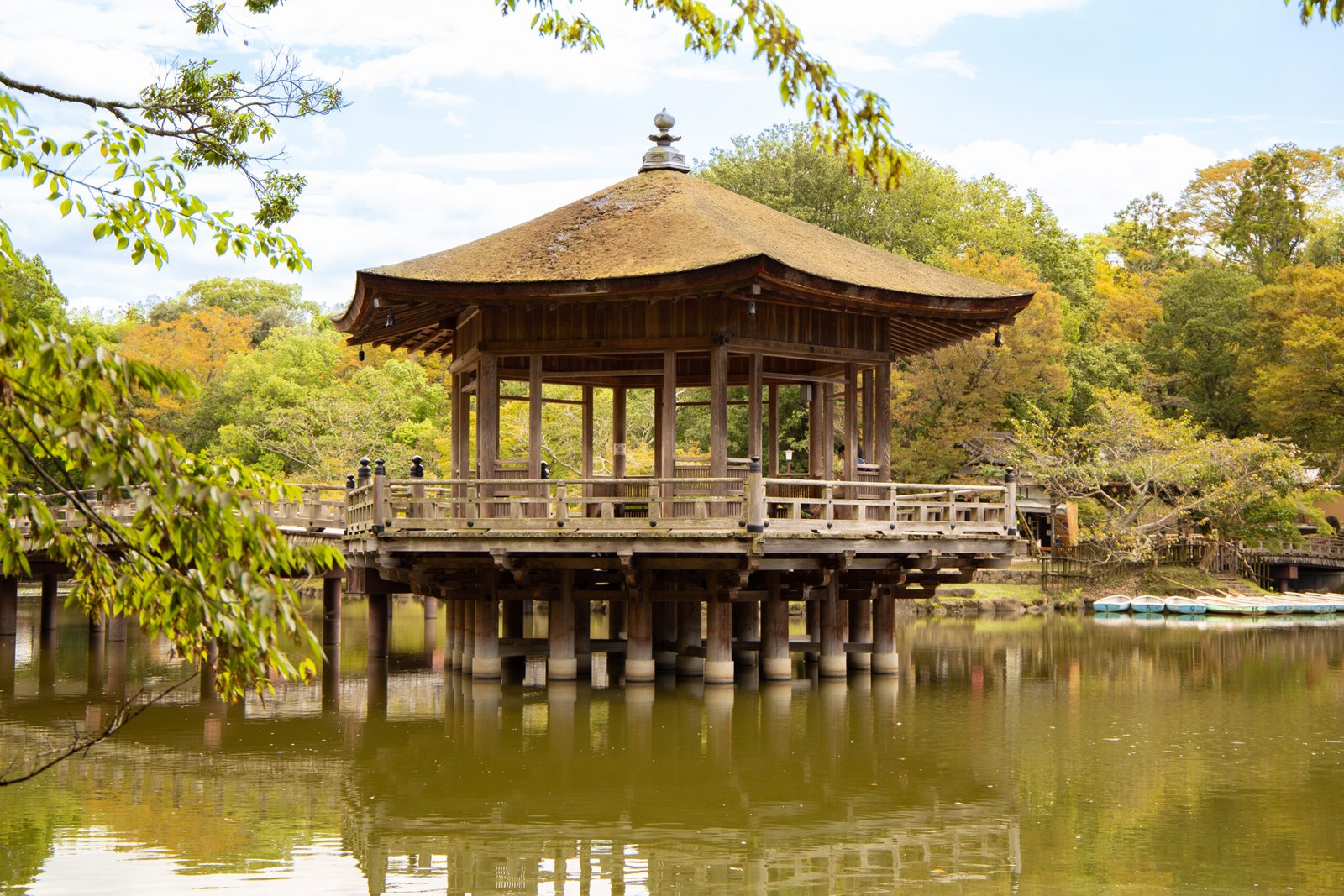
The hexagonal Ukimido pavilion appears to float above Sagiike Pond. It is a useful detour when you want a calmer scene after the main temple route, and it pairs naturally with a walk toward the southern side of the park.
For photography, let the pond and pavilion provide the composition. Wait for a clear moment instead of trying to fill the frame with more activity. Early or late light can work well, but daylight and weather should determine your timing. Do not build a winter schedule around a late sunset walk.
🥾 8. Mount Wakakusa — Add a View, Not a Rush
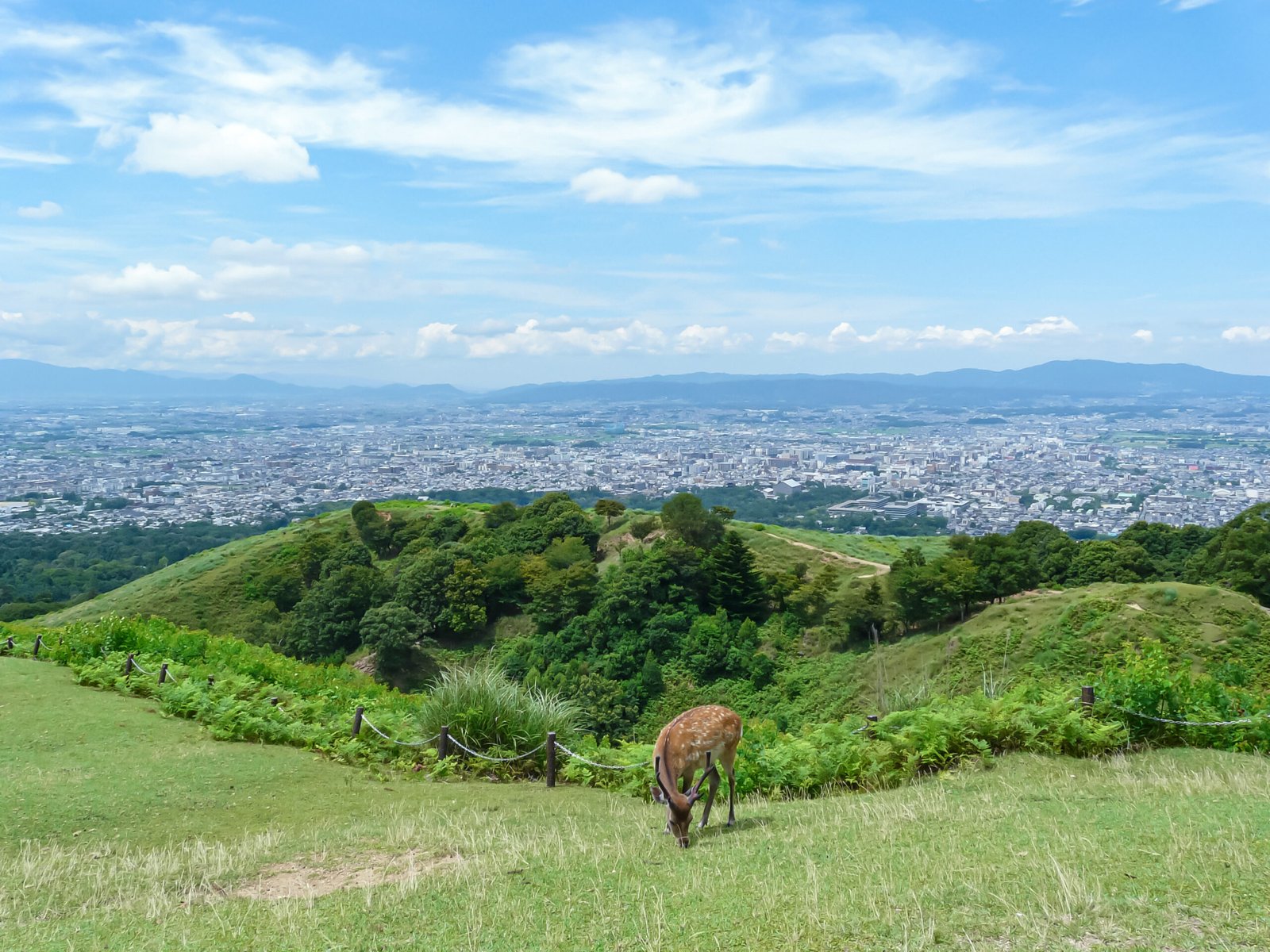
Mount Wakakusa is the optional choice for travelers who want to earn a wider view of the city. The tourism guide describes about 15 minutes to a midway viewpoint and another 20 minutes toward the summit, but you should allow additional time for rests and the descent.
The grassy climbing routes have a seasonal opening period, generally from the third Saturday of March to the second Sunday of December. Winter summit access by road and the seasonal walking gates are different things. Check current access information before setting out.
Choose this on a clear day when you have time and suitable footwear. If the weather turns wet or the family is tired, spend that time in Naramachi instead. A shorter enjoyable route is better than finishing the day exhausted.
🏘️ 9. Naramachi — Townhouses, Small Shops & Local Details
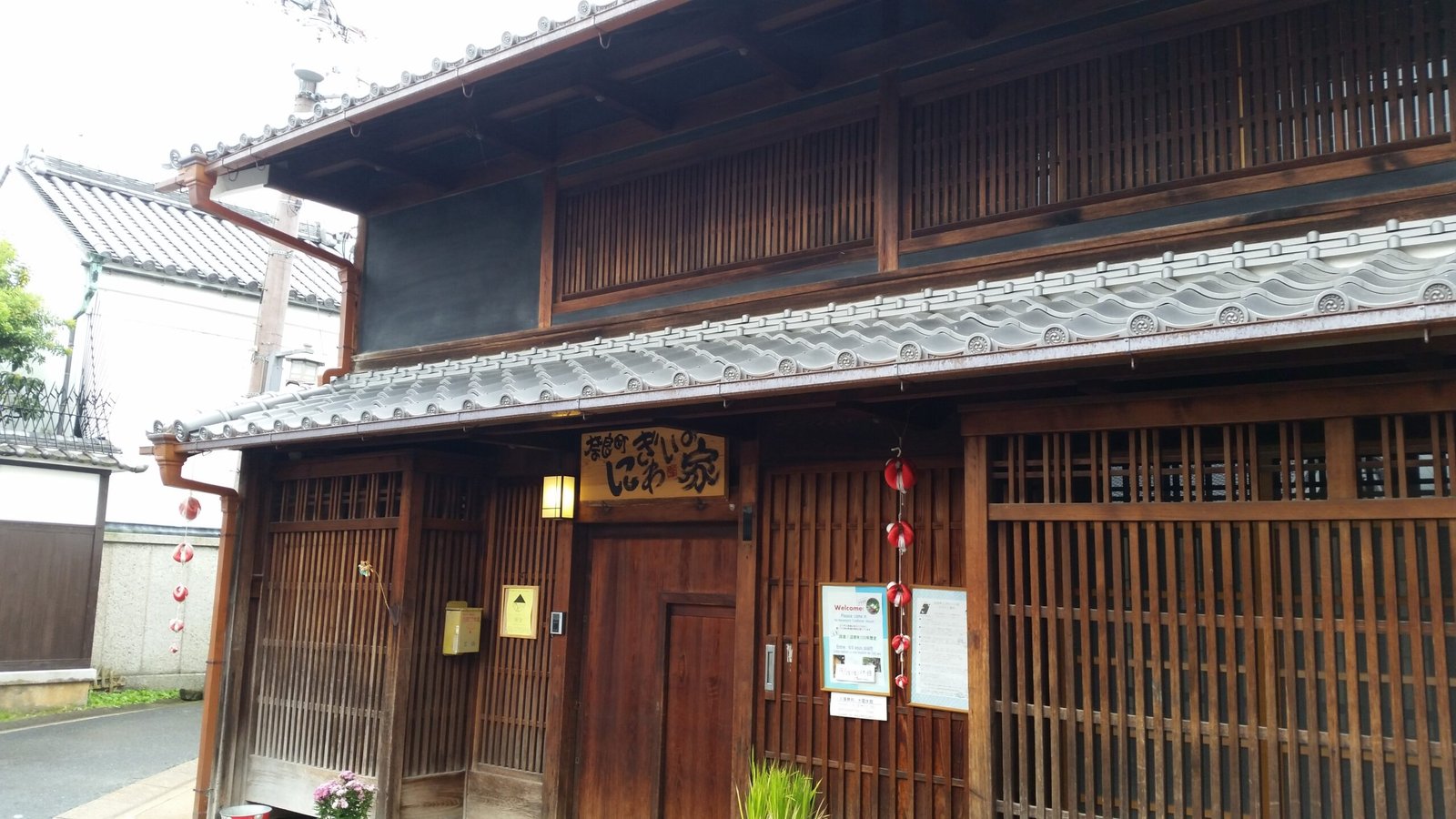
Naramachi rewards a different pace from the park. Walk the smaller streets, look at the wooden lattice façades and leave time for shops that catch your attention. This is also the area to place a café break rather than returning immediately to the station.
Naramachi Nigiwai-no-Ie gives visitors a closer look at a traditional townhouse. Admission is free; the city lists hours of 9:00 AM–5:00 PM, with Wednesday closures except public holidays and a year-end break. The official information page is the place to check events and access.
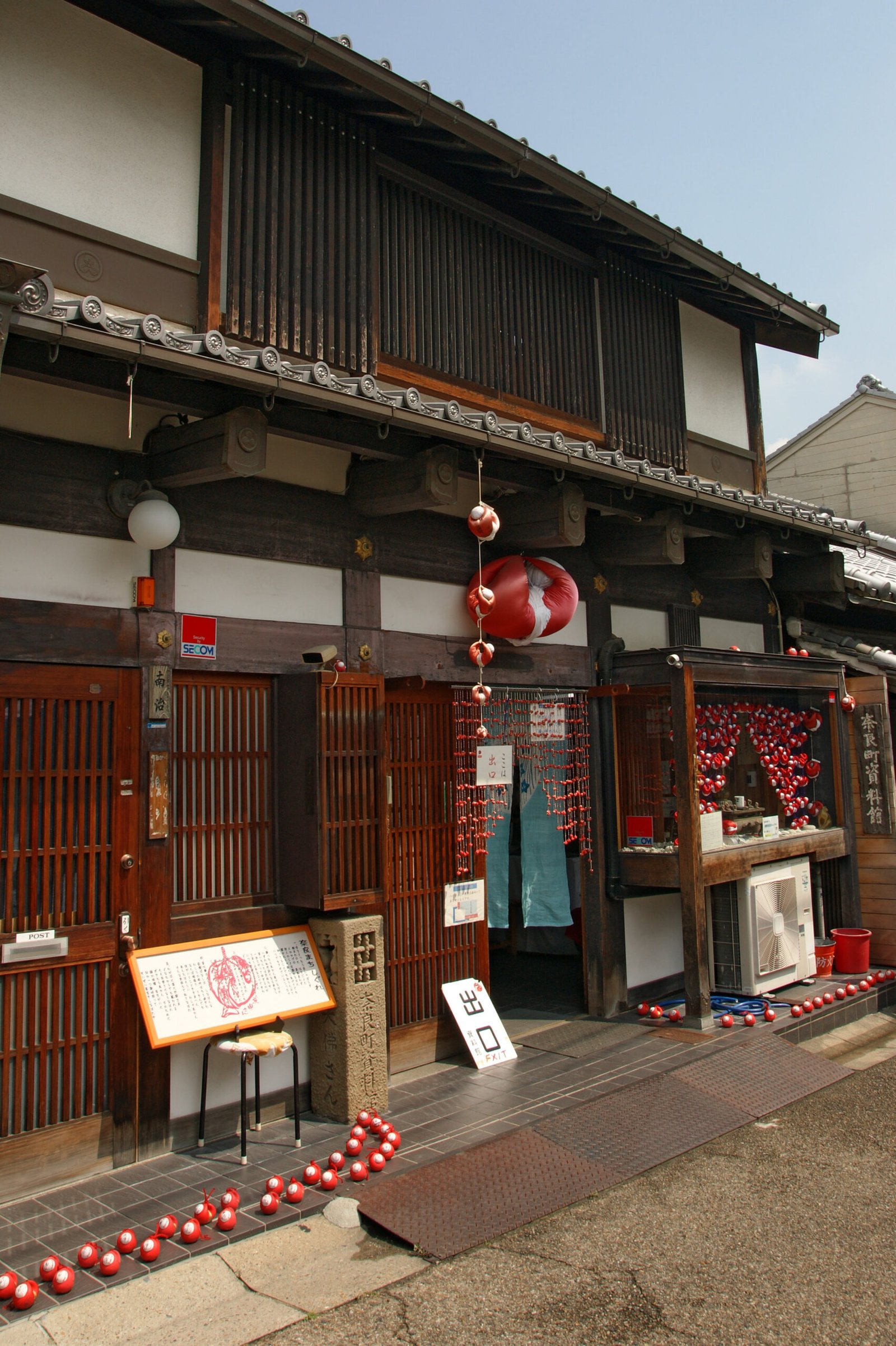
The red hanging charms around Naramachi are another detail to notice as you walk. The Naramachi Museum is a useful reference for the neighborhood’s local traditions. Ask before taking close-up photographs inside shops, and remember that many surrounding buildings are homes.
If your interests lean toward Buddhist heritage, consider Gangoji as an additional Naramachi visit. If you have already spent the morning in several temple halls, use the afternoon for shops and food instead. The route should reflect what you enjoy, not simply the number of places on a list.
🏨 PART 3 — Where to Stay, Restaurants & Cafés
🏨 10. Where to Stay in Nara
Choose your base around the way you will arrive and the evenings you want. Kintetsu-Nara and the park edge suit sightseeing on foot. JR Nara Station is practical for rail connections and luggage. Properties farther west can offer more hotel facilities but require a little more transport planning.
The tiers below describe travel style, not fixed nightly prices or official star ratings. Compare the same travel dates, room occupancy, breakfast and cancellation conditions before deciding.
💎 Luxury Hotels & Resorts
Nara Hotel
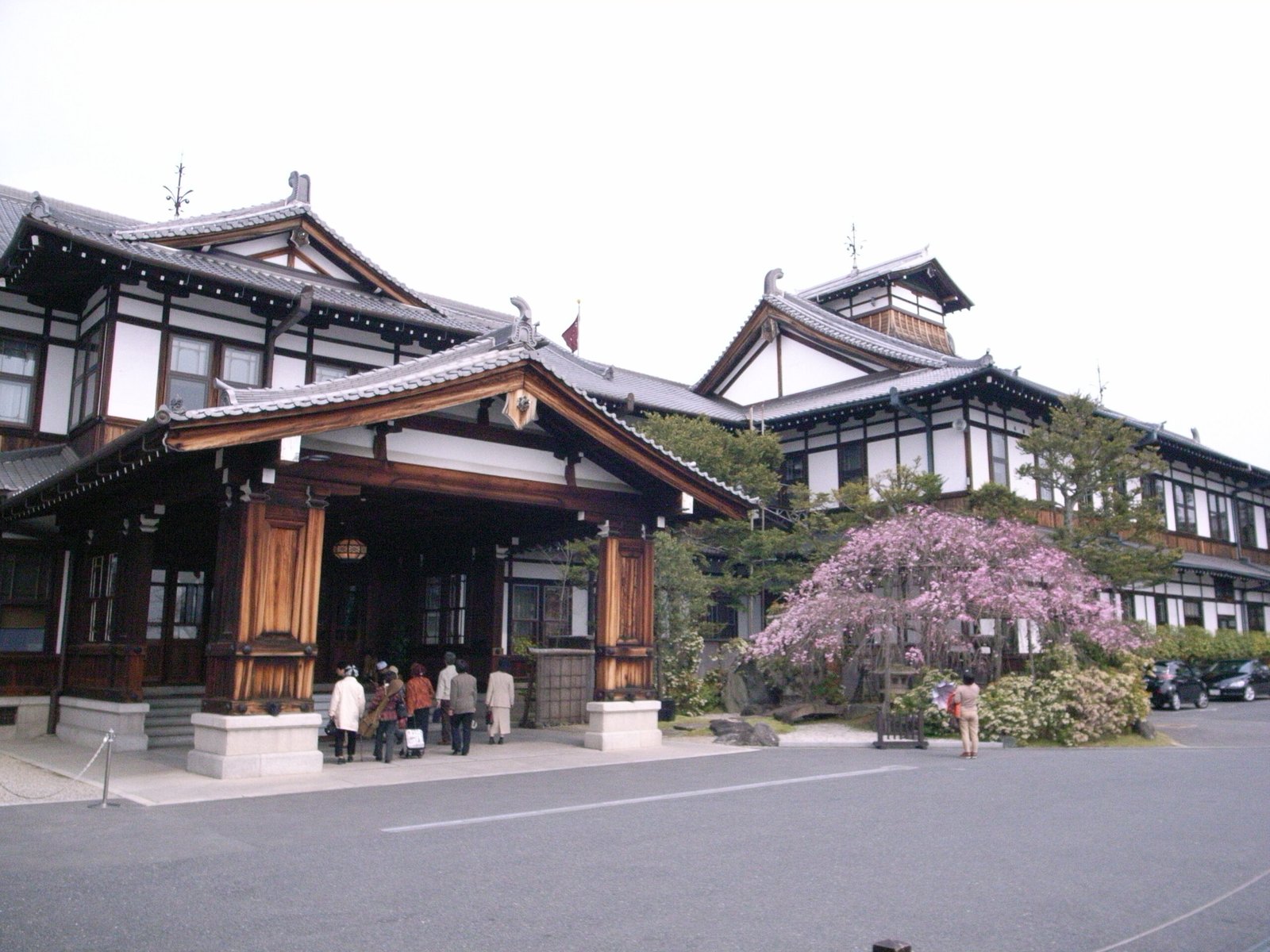
Location: Takabatake, near Naramachi and the park.
Why We Recommend It: A heritage setting for travelers who want the hotel itself to be part of the trip.
Best For: Couples and travelers interested in historic architecture.
The hotel has been undergoing a major renovation. The operator announced the main-building rooms and several dining facilities would return on 4 June 2026, followed by the renovated West Building on 2 September 2026. Read the official renovation announcement and confirm which building and facilities your booking includes.
JW Marriott Hotel Nara

Location: The convention-center area west of the historic park.
Why We Recommend It: A full-service stay with dining, an indoor pool and spa facilities.
Best For: Travelers prioritizing hotel comfort and a relaxed evening.
Its location makes transport part of your sightseeing plan. The hotel’s official page lists a station shuttle; check the timetable rather than assuming a departure whenever you need one. Families should also check age and time restrictions for facilities.
⭐ Mid-Range Hotels
Hotel Nikko Nara
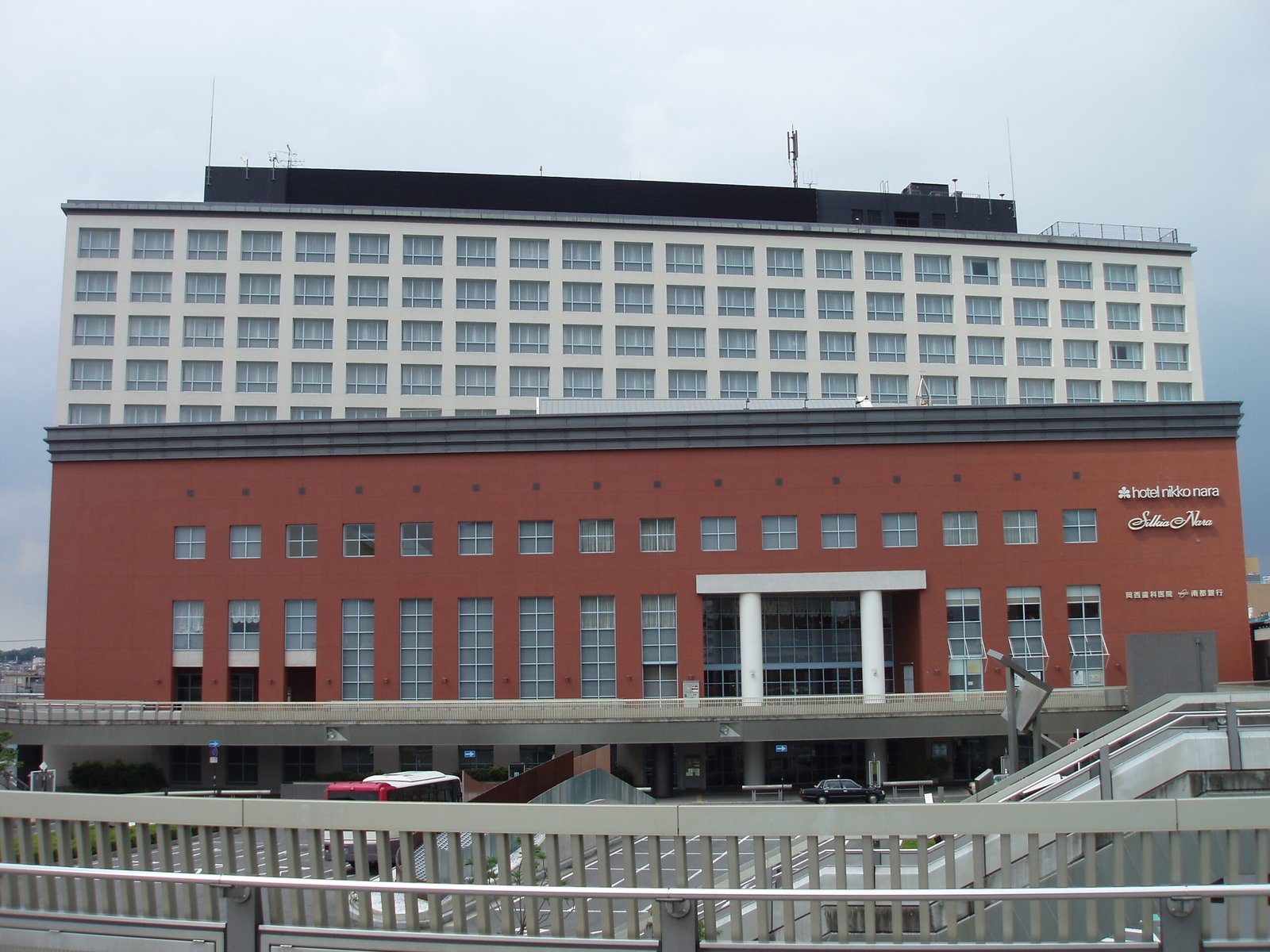
Location: Directly connected to JR Nara Station’s west exit.
Why We Recommend It: Straightforward arrival with luggage and convenient rail access.
Best For: First-time visitors who prefer a station base.
The trade-off is the additional walk or bus ride toward the park compared with a Kintetsu-Nara base. Check room categories and meal plans on the official website before comparing prices.
MIROKU Nara by THE SHARE HOTELS
Location: Near Nara Park.
Why We Recommend It: Contemporary Japanese design and a café-bar terrace close to the sightseeing area.
Best For: Couples and independent travelers who value atmosphere.
Room layouts vary, so inspect the configuration rather than booking on the property name alone. Its official website is useful for matching a room to your luggage and sleeping arrangements.
💰 Budget-Friendly Hotels
Comfort Hotel Nara
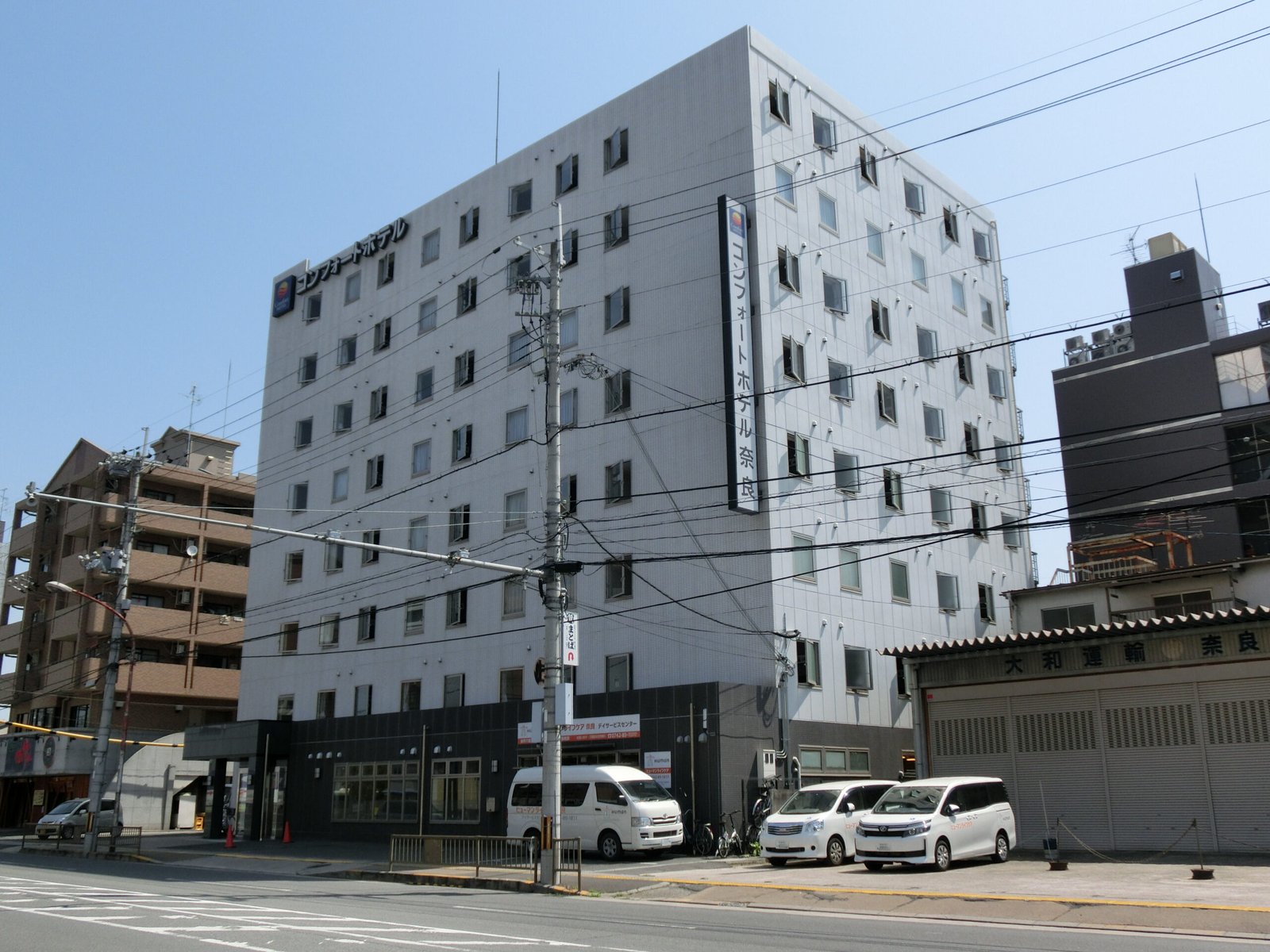
Location: Near JR Nara Station’s east exit.
Why We Recommend It: A practical base with complimentary breakfast.
Best For: Solo travelers and couples who would rather spend on food and sightseeing.
The hotel’s access guide places it around three minutes on foot from JR Nara. Compare room size and bed arrangements, especially if more than one person is sharing. Current facilities and room details are on the official hotel page.
🍱 11. Restaurants & Local Food
🍣 Hiraso — Kakinoha Sushi
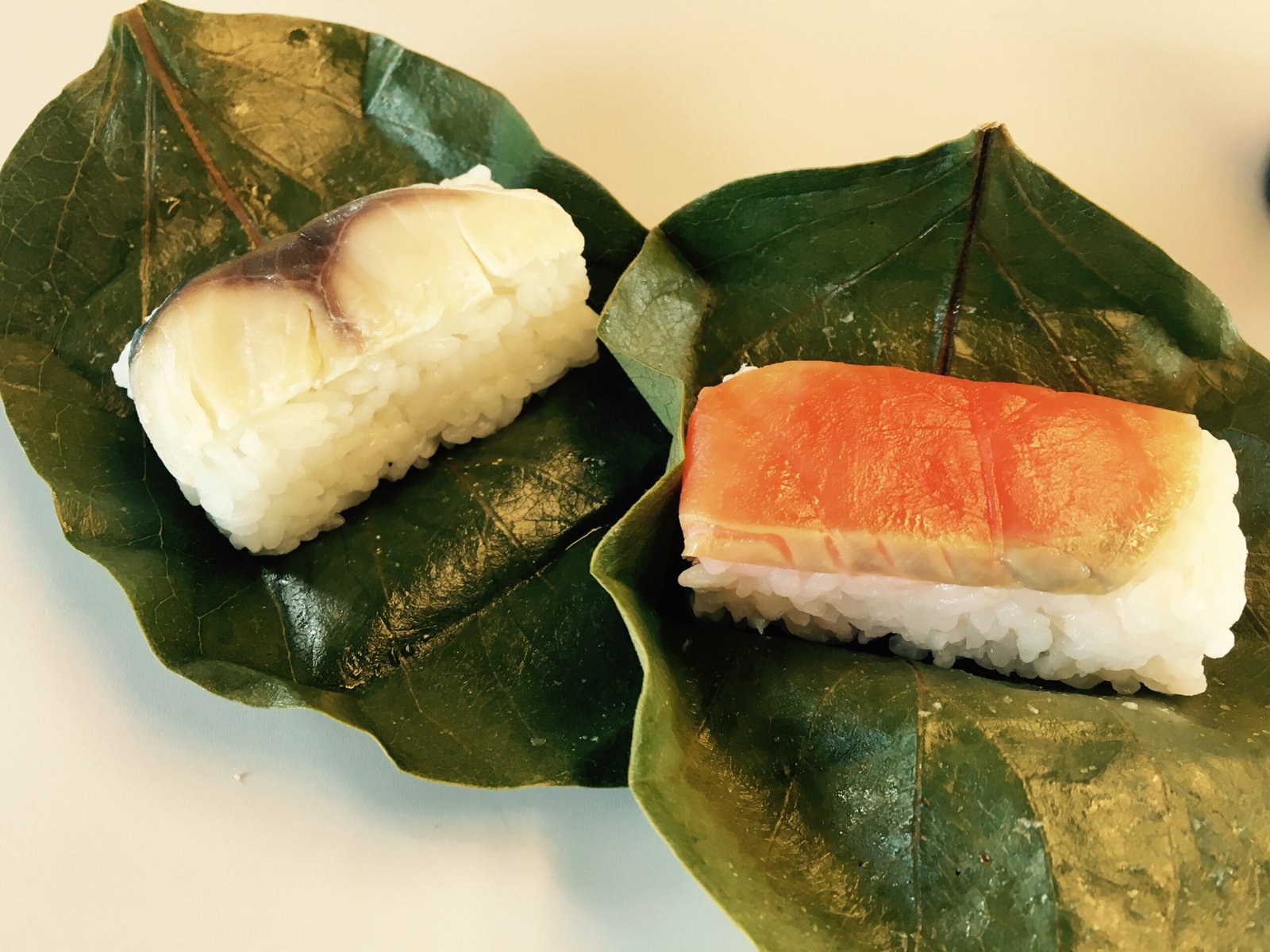
Try: Persimmon-leaf wrapped sushi.
Best For: A distinctly local food stop near the old town.
Kakinoha sushi is one of the foods to look for in Nara. The leaf wraps the pressed sushi and is removed before eating. Hiraso’s Nara shop offers a way to include the specialty in your route around Naramachi and Sarusawa Pond. Check the official shop directory for the branch and current menu rather than assuming every outlet provides the same dine-in service.
🍲 Shizuka — Kamameshi
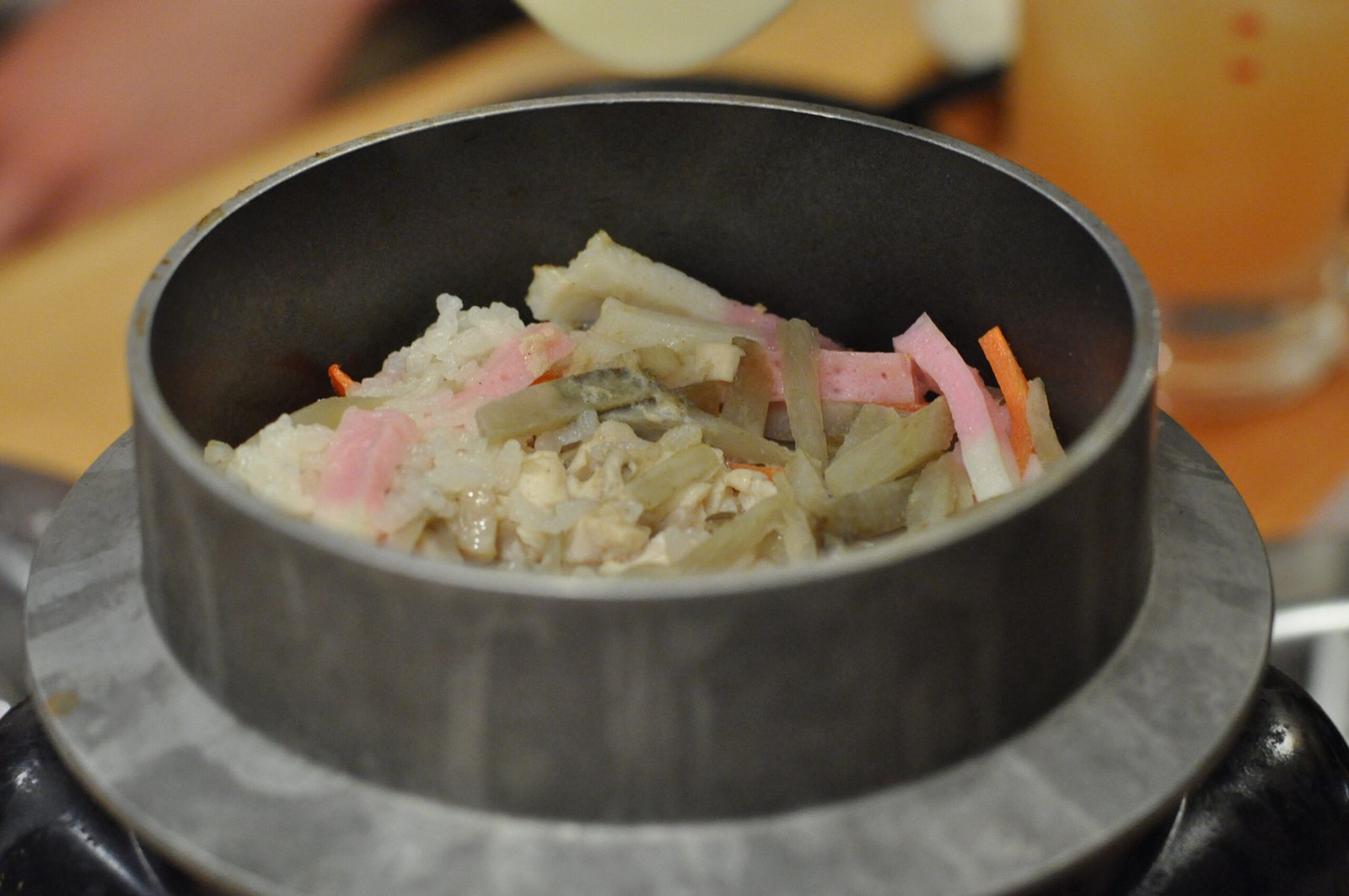
Try: Rice cooked in an individual metal pot with toppings.
Best For: A sit-down lunch during the park route.
Shizuka’s Nara Park branch is known for kamameshi. This is not a grab-and-go meal: allow time both for a queue and for the rice to cook after ordering. The crisp rice at the bottom is part of the appeal. Check the restaurant’s official information for the current menu and opening days.
TravelNest365 Tip: If the wait would consume the time you have saved for a temple, choose another lunch and keep Shizuka for a future visit. One famous restaurant should not control your entire day.
🍚 A Local Flavor to Notice: Tea Rice
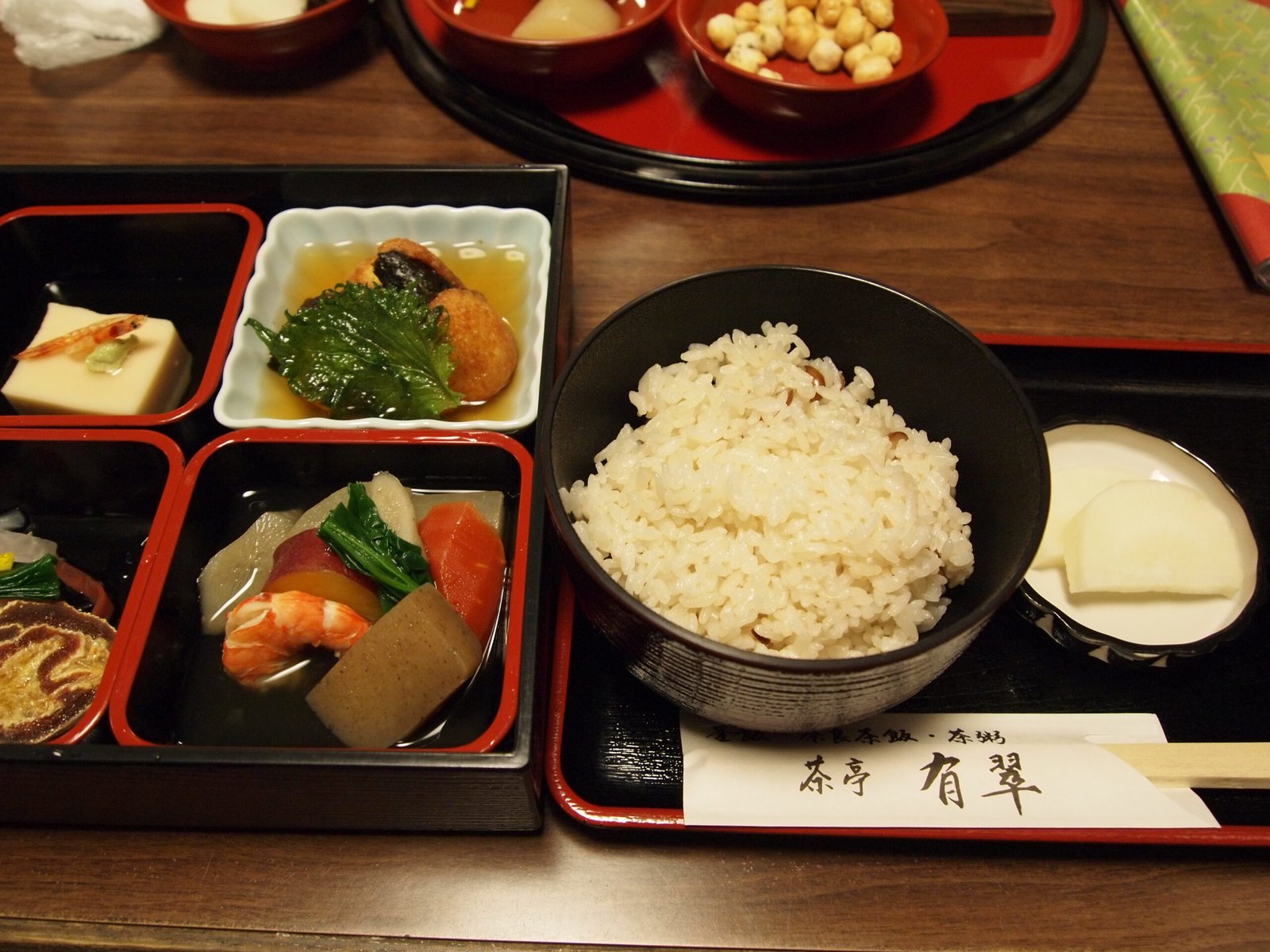
Nara cha-meshi combines rice cooked with tea and ingredients such as beans and chestnuts. It is a different style of meal from the snack stops many visitors focus on. Treat the photograph as an illustration of the dish, then ask about availability when reviewing local menus.
Tea rice and tea porridge are not interchangeable names for every menu item. Read the description before ordering, particularly if you are expecting a full set meal rather than a small side dish.
🍵 12. Cafés & Traditional Sweets
🍵 Mizuyachaya — A Teahouse in the Park
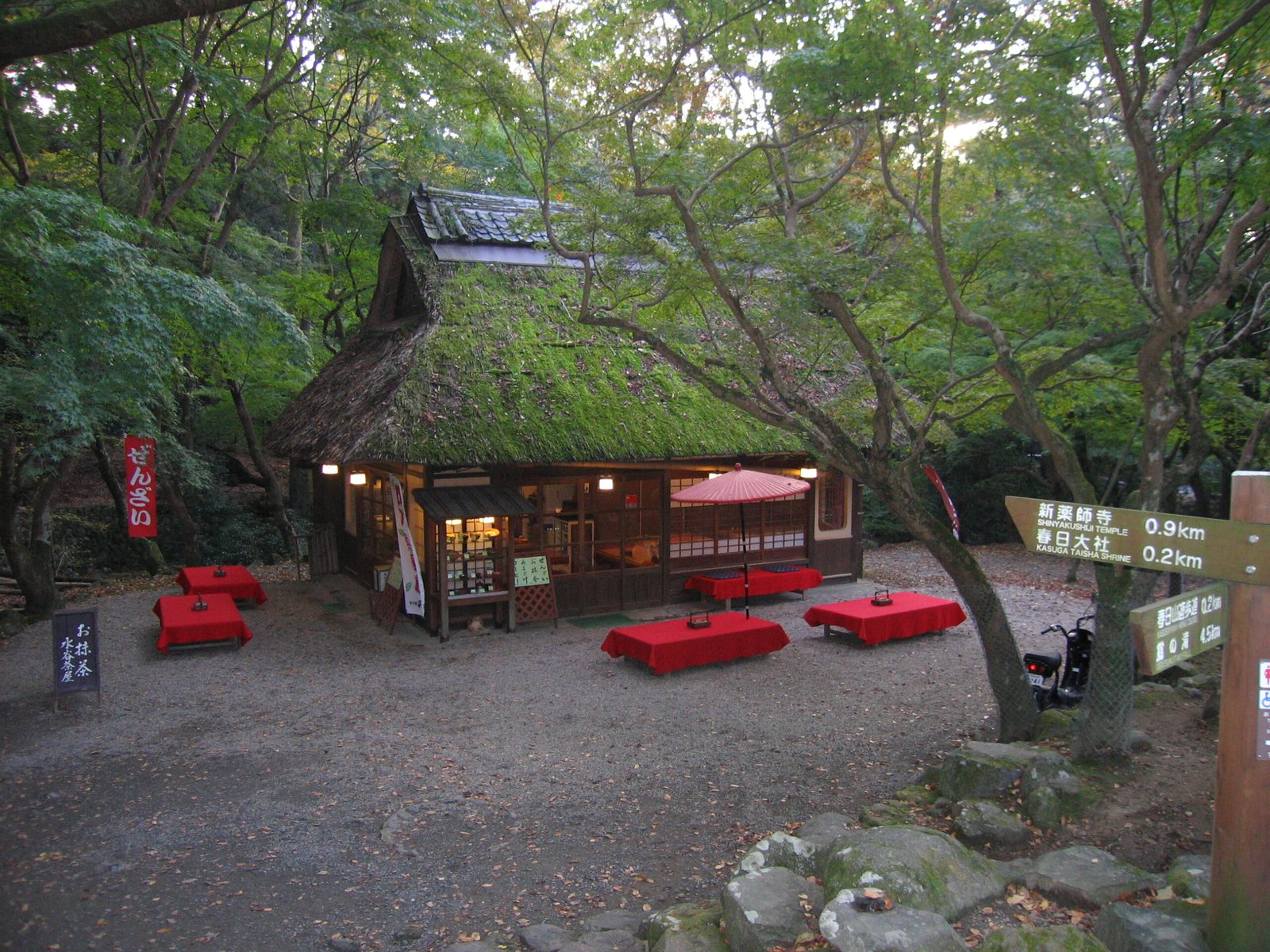
Location: Between the Todaiji and Kasuga Taisha areas.
Try: Tea and traditional sweets, or a light noodle meal when available.
Best For: A rest during a long park walk.
This is the little teahouse often labelled “Mizutani Chaya” online; the official tourism guide uses Mizuyachaya. Its thatched roof and seating near the water make it an atmospheric stop. Check the venue’s official updates for operating days and seasonal offerings.
🍡 Senjuan Yoshimune — Warabimochi
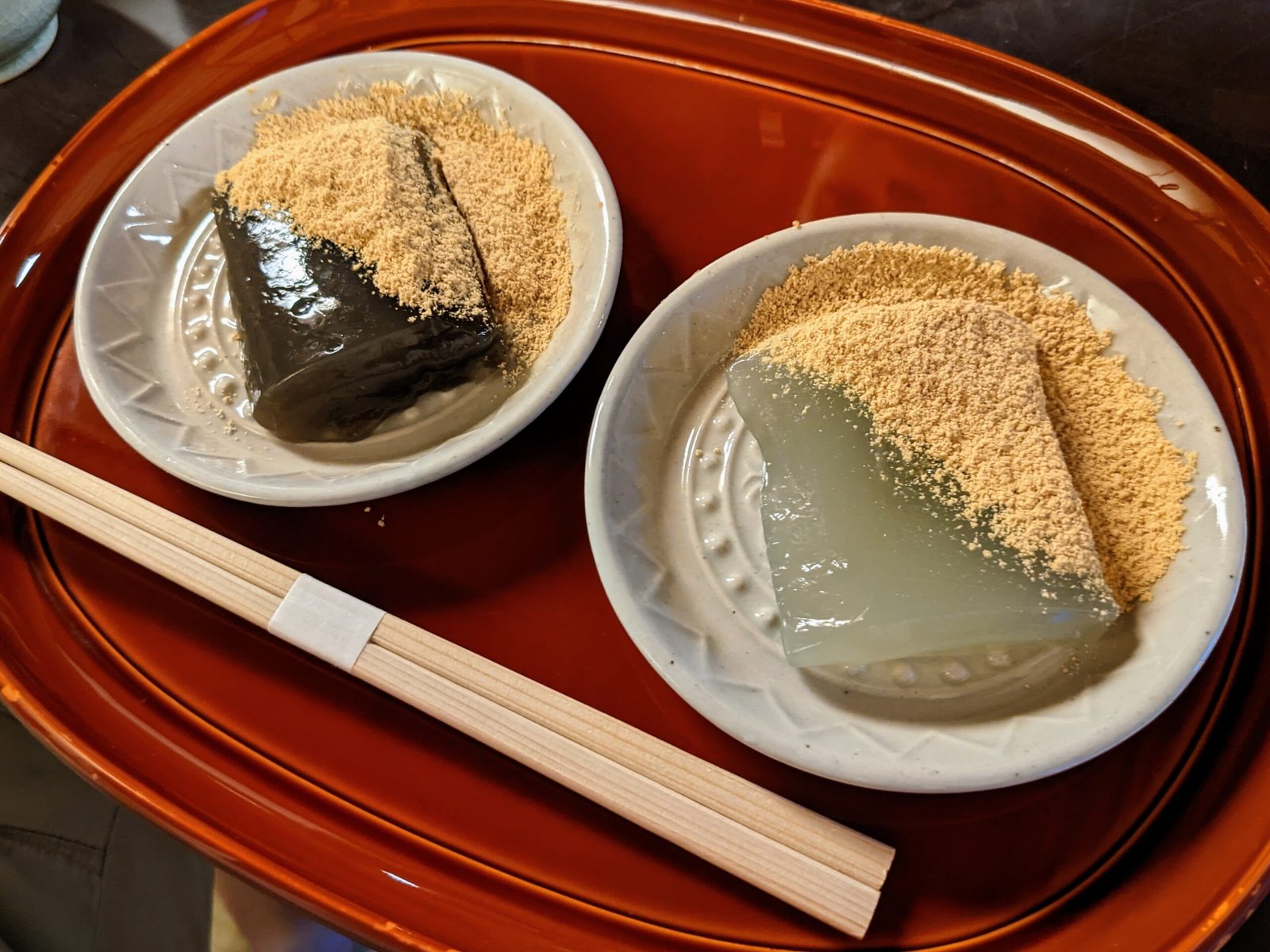
Try: Warabimochi with kinako soybean powder.
Best For: A sweets break and a local edible souvenir.
The soft texture makes warabimochi a good contrast to a savory lunch. The shop publishes specific café operating notices, so check the official website before planning a sit-down visit. A retail counter being open does not automatically mean the café is serving.
For a different café style, MIROKU’s café-bar terrace is another possibility near the park. Confirm service hours locally, especially if you are visiting as a non-staying guest.
🗺️ PART 4 — Itineraries & Practical Travel Tips
🚆 13. Getting to Nara & Choosing the Right Station
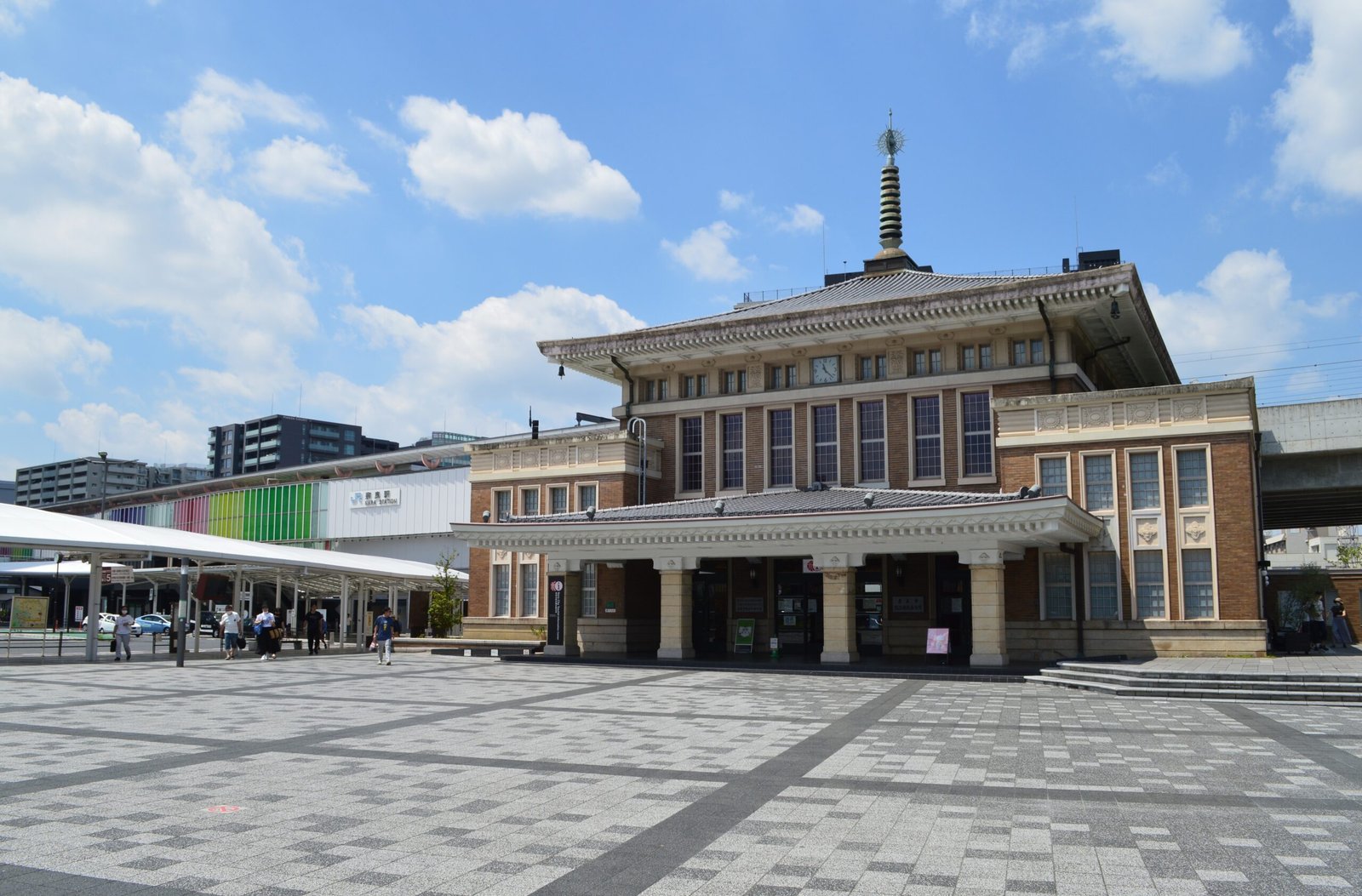
JR Nara and Kintetsu-Nara are separate stations. Check which one your train uses before choosing a hotel, arranging luggage storage or following a walking route. Kintetsu-Nara is usually the more convenient starting point for the park edge, while JR Nara can work better with your rail itinerary.
From Osaka-Namba, Kintetsu provides a direct route toward Nara. From Kyoto, compare JR and Kintetsu services for your departure time. A limited-express seat may require an additional ticket; do not assume a basic fare or every rail pass covers it. Use Kintetsu’s official journey information and your chosen rail operator before travel.
🗓️ A One-Day Nara Itinerary
| Time | Suggested Plan | Decision to Make |
|---|---|---|
| Morning | Kintetsu-Nara → Nara Park → Todaiji | Prioritize the Great Buddha Hall; keep the deer stop relaxed |
| Lunch | Park-area restaurant | Allow extra time if choosing freshly cooked kamameshi |
| Early afternoon | Kasuga Taisha | Choose whether to include the paid cloisters |
| Later afternoon | Kofukuji area → Sarusawa Pond → Naramachi | Check closing times before leaving shops and cafés until last |
| Evening | Return by rail, or dinner near your hotel | Choose the departure station deliberately |
This suggested route favors the essentials. It does not attempt to fit both gardens, a mountain climb and every café into one day. If gardens matter more to you than the shrine, substitute Isuien or Yoshikien while respecting their opening hours.
🌙 A Two-Day Nara Itinerary
| Day | Suggested Route |
|---|---|
| Day 1 | Nara Park → Todaiji → lunch → Kasuga Taisha → Ukimido → hotel |
| Day 2 | Isuien or Yoshikien → Kofukuji area → Sarusawa Pond → Naramachi → sweets → station |
| Optional swap | On a clear day, replace one morning’s garden time with Mount Wakakusa; avoid adding it on top of an already full route |
An overnight stay is most valuable when you use it to slow down. Leave room for a longer lunch, a less crowded morning walk and an early hotel check-in. You do not need to double the number of attractions simply because you have doubled the time.
💴 14. Budget Planning Without Guesswork
Start with your chosen paid sights. For example, the currently listed adult entry fees for Todaiji’s Great Buddha Hall (¥800), Kasuga Taisha’s special cloister admission (¥700) and Isuien (¥1,200) total ¥2,700. That is an admission subtotal, not a full-day travel budget.
Add your return train fare, any local buses, meals, drinks and accommodation separately. Room rates vary strongly with date and cancellation terms. Keeping these costs separate helps you decide whether a second paid attraction is more valuable to you than a longer lunch or a more convenient hotel.
🎒 15. Practical Tips & Etiquette
Carry some cash. Smaller cafés and food stops may not accept your preferred payment method. Keep enough for an unplanned drink or bus ride.
Pack for walking. Comfortable shoes, water and weather protection matter more than an ambitious checklist. Garden paths and slopes are different from station pavements.
Keep food and paper away from deer. Secure plastic bags, maps and snack wrappers. Feeding is optional; respectful observation is enough.
Check the weekly closing day. A Tuesday or Wednesday can change your garden, café or townhouse plans. Build the itinerary around the venues that actually open that day.
Respect homes and religious spaces. Keep entrances clear, ask before photographing inside businesses, and follow each temple’s photography instructions.
🌸 16. Best Time to Visit Nara
Spring and autumn are natural choices for a walking-focused visit. Blossom and foliage timing varies each year, so choose dates with some flexibility rather than expecting a particular color on a specific morning.
Summer calls for earlier starts, shade and longer indoor breaks. Winter can offer a calmer atmosphere, but shorter daylight and seasonal closures affect the route. Mount Wakakusa’s grassy paths and garden maintenance periods need particular attention.
✨ Nara Travel Guide 2026 — Final Thoughts
Nara is at its best when you give the famous sights enough room and still leave space for the quieter ones. Meet the deer respectfully, choose the temple experiences that interest you, then make time for a garden, a local meal and the streets of Naramachi. That balance is the heart of this Nara Travel Guide 2026.
🌐 External Links
Nara travel planning
Official Website → Google Maps
Todaiji
Official Website → Google Maps
Kasuga Taisha
Official Website → Google Maps → Facebook
Kofukuji
Official Website → Google Maps
Isuien Garden
Official Website → Google Maps
Naramachi Nigiwai-no-Ie
Official Website → Google Maps
Nara Hotel
Official Website → Google Maps
JW Marriott Hotel Nara
Official Website → Google Maps
Hotel Nikko Nara
Official Website → Google Maps
MIROKU Nara
Official Website → Google Maps
Comfort Hotel Nara
Official Website → Google Maps
Hiraso
Official Website → Google Maps
Shizuka
Official Website → Google Maps
Senjuan Yoshimune
Official Website → Google Maps
Mizuyachaya
Official Tourism Listing → Google Maps → Official Instagram
Additional planning resources: Kintetsu Railway · Kofukuji conservation project · Nara deer guidance
🔗 For More Japan Travel Guides
📸 Photo Credits
Individual image captions identify the photographer, original source and applicable license. Archival photographs illustrate the named places or dishes and do not establish their current appearance or availability. Food images labelled illustrative are not presented as orders from the recommended restaurant. Images have been resized for display; Creative Commons licenses apply to the individual photographs, not automatically to this article.